
Heavy-Duty Full-Directional Planetary Ball Mills: A Practical Milling Guide

If you have ever opened a milling jar and found a mix of fine powder, a few stubborn chunks, and a coating on the wall that refuses to budge, you already know the gap between a working ball mill and a good one. The difference is rarely a single number on a spec sheet. It comes from how the machine moves, how it handles load, and how repeatable the whole process is when you run it again next week.
A planetary ball mill is a grinding machine that uses rotating jars to create high-energy impacts and friction between grinding balls and the sample. The jars spin around their own axes while the main disk turns in the opposite direction. That combined motion gives the balls a tumbling, sliding, and impact-heavy path inside the jar. For labs working with hard, brittle, or heat-sensitive materials, that motion is the heart of the process.
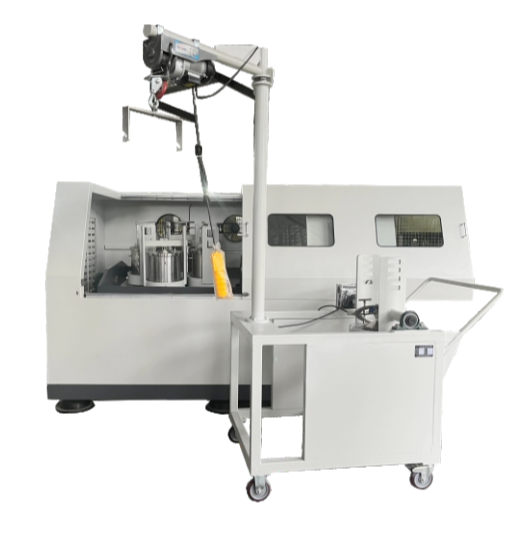
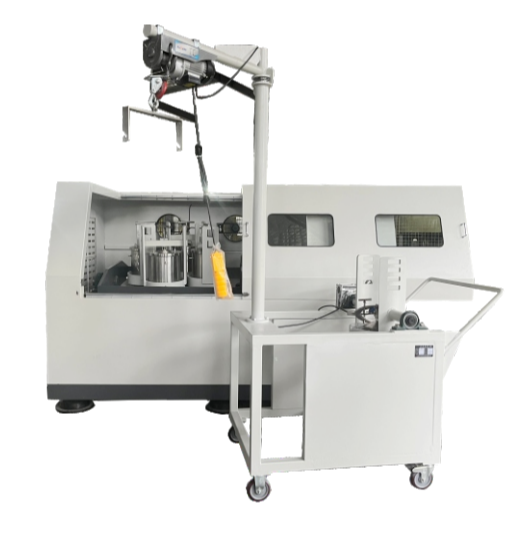
The Heavy-duty Full-directional Planetary Ball Mill is a useful example of where this technology is heading: more control over motion, more headroom for demanding loads, and a stronger focus on repeatable results rather than a single dramatic demo.
What a Planetary Ball Mill Actually Does
At its simplest, a ball mill is a container with hard balls inside. You put in your sample, close the lid, and move the container so the balls hit, rub, and crush the material. A traditional ball mill might rotate a horizontal drum. A planetary mill changes the geometry. The jar does not simply roll; it travels around a central axis while spinning on its own axis. The result is a much more energetic collision pattern.
Imagine a washing machine drum and a spinning centrifuge had a very focused child. The jar is pushed outward by the main disk, then its own rotation drags the ball charge up the wall and lets it fall or slide back. Depending on the speed and jar geometry, the balls can cascade, cataract, or press against the wall. Each of those regimes transfers energy differently. A gentle cascade favors friction and mixing. A high-energy cataract favors impact. Neither is universally better; the right one depends on what you are milling and what you want to avoid. Because the jars are small compared with industrial drum mills, planetary ball mills are often used for laboratory-scale work, pilot trials, and small-batch production. They are popular for ceramics, minerals, pigments, battery materials, catalysts, and pharmaceutical powders.
The Motion That Gives the Mill Its Name
A planetary system gets its name from the way the jars move. The central disk is like a sun, and each jar is like a planet. The jar orbits the center while also rotating around its own axis. In many designs, the jar spins in the opposite direction to the disk. That counter-rotation is not a gimmick. It changes the relative velocity between the balls and the jar wall, which in turn changes the impact energy and the shear component.
The useful consequence is that you can tune the energy input. Faster disk speeds usually mean more impact energy, but they also mean more heat and more wear. A jar that is too large for the available power may never reach the ball motion you intended. A jar that is too small may run beautifully but give you a sample size that is not representative. The mill, the jar, the ball charge, and the material all have to be matched.
What “Full-Directional” Is Trying to Solve
“Full-directional” is one of those labels that sounds like marketing until you think about what happens inside a jar. In a simple planetary motion, some material can sit in a dead zone, especially if the powder is sticky, fluffy, or prone to coating the wall. The ball charge may also develop a stable pattern that keeps polishing the same region instead of refreshing the whole bed. A full-directional design is intended to disturb that pattern by giving the jar motion in more than one sense.
You can think of it as a way to keep the powder from settling into a comfortable routine. The goal is not chaos for its own sake. The goal is a more uniform treatment: every part of the batch should see a similar chance of being struck, sheared, or mixed. In practice, that can help with materials that are difficult to keep homogeneous, such as soft agglomerates, fibrous powders, or formulations with a wide particle-size distribution.
Why Heavy-Duty Matters More Than the Brochure Suggests
Many ball mills look similar in a photo. The difference appears when you run them for hours, day after day, with a dense ball charge and a jar full of abrasive powder. Heavy-duty is not just a thicker coat of paint. It is a combination of mechanical stiffness, bearing quality, motor headroom, heat management, and safety design. Those things are hard to show in a short demo, but they decide whether your process is repeatable.
Grinding is an energy-hungry process. Most of the energy you put into the mill becomes heat, noise, and wear, with only a fraction doing the useful work of creating new surface area. If the machine is working near its limit, small changes in jar weight or ball charge can push it out of its comfort zone. The result may be slower grinding, inconsistent fineness, or a drive that complains loudly at the worst possible time.
Heavy-duty construction also buys you forgiveness. Real labs are not clean, perfectly controlled environments. Someone uses a heavier jar than usual. Someone forgets to balance the jars. Someone runs a batch longer because the first one was not quite fine enough. A robust mill handles those ordinary mistakes without turning them into a repair ticket. That is not a luxury. It is part of the total cost of ownership.
Heat, Load, and the Hidden Cost of Short Runs
Every collision creates heat. In a small jar, that heat can build up quickly, especially when you mill a thermally sensitive material or use a high ball-to-powder ratio. If the mill has enough thermal margin, you can adjust the run time and the pause pattern without fighting the machine. If it does not, you end up choosing between an incomplete grind and a sample that has been cooked.
Load matters in a less obvious way. A jar filled with dense zirconia or stainless steel balls is heavy. The motor has to accelerate that mass, brake it, and reverse it many times per minute. The bearings and the frame have to absorb the vibration. A heavy-duty mill is designed around those loads. A light-duty mill may survive occasional use, but it will not thank you for a production-like schedule.
Where Light-Duty Mills Start to Struggle
Light-duty mills can be excellent for teaching, small exploratory trials, and soft materials. They become frustrating when you need long runs, high energy, or good reproducibility. The symptoms are familiar: the jar gets warm, the sound changes after an hour, the effective grinding slows down, and the next batch behaves differently. Sometimes the machine is fine but the process is not stable. Sometimes the machine is the reason the process is not stable.
A heavy-duty full-directional mill is not automatically the right answer for every powder. If your sample is a few grams of a precious material, a smaller mill may be more appropriate. But if you are developing a formulation that will eventually scale, or if you need to compare many formulations under the same conditions, the mill's stability becomes part of the experimental design. You cannot optimize a process on a machine that changes its behavior between runs.
The Practical Anatomy of a Heavy-Duty Full-Directional Mill
Strip away the panels and a planetary ball mill is a set of simple ideas working together. A frame holds the drive and the moving parts. A main disk carries the jars. Each jar station has its own rotation. A control system sets speed, time, and sometimes direction changes. The user interface is the easy part. The hard part is making all of those motions precise, quiet, and safe when the jars are heavy and the powder is abrasive.
The jar is the most important consumable. It must be strong enough to contain the balls, chemically compatible with the sample, and hard enough to resist wear. The grinding balls should be denser than the powder and tough enough not to shatter. The ball-to-powder ratio, the ball size distribution, and the fill level all influence the energy transfer. A jar that is underfilled may allow the balls to slide instead of impact. An overfilled jar may cushion the collisions and slow the grind.
Jars, Balls, and the Energy Transfer
The ball charge is not a bag of tiny hammers. It is a dynamic system. When the jar accelerates, the balls press against the wall. When the jar slows or changes direction, the balls continue moving and collide with the powder and each other. The energy of those collisions depends on ball mass, ball velocity, and the number of contacts. Larger balls hit harder but provide fewer contact points. Smaller balls provide more contacts but carry less momentum. A mix can sometimes give you both.
Material choice matters as much as size. Steel is tough and dense, but it can contaminate your sample with iron. Zirconia is hard and wear-resistant, but it is heavier and more expensive. Alumina is a good general-purpose option for many ceramics, though it can add aluminum contamination. Tungsten carbide is extremely hard and dense, but it is not the right choice for every chemistry. The best jar and ball set is the one that gives you the grind you need without ruining the property you are trying to measure.
Controls, Safety, and the Boring Stuff That Matters
A good control system does more than turn the motor on. It lets you set a repeatable recipe: speed, run time, pause time, direction, and sometimes a sequence of stages. That recipe is the foundation of comparison. If two batches are supposed to be identical, the machine should make it easy to run them identically. If you need to change one variable, the control system should make that change obvious.
Safety is not a checkbox. A heavy jar spinning at high speed carries real energy. The mill should have guards, interlocks, and a clear procedure for balancing jars. The operator should know what a normal sound looks like and what a bad vibration feels like. The lab should have a plan for a jar that leaks, a ball that breaks, or a sample that reacts unexpectedly. These are not pleasant topics, but they are part of responsible milling.
Matching the Mill to Your Material
Before you choose a mill, describe the material in plain language. Is it hard and brittle, like a ceramic? Is it soft and sticky, like a polymer? Is it fibrous, like cellulose? Does it oxidize, melt, or decompose when warm? Does it need to stay chemically pristine, or is a small amount of wear acceptable? The answers narrow the choice of jar, ball, atmosphere, and milling energy.
Hard brittle materials generally respond well to impact. You can use denser balls and higher energy, provided you watch the temperature. Soft or ductile materials are trickier. They may cold-weld, smear, or coat the jar. In that case, you may need lower energy, shorter runs, a different ball size, or a process aid. Fibrous materials may need more shear and less impact, or a completely different comminution method.
Hardness, Brittleness, and the Wrong Kind of Force
Not every powder wants to be hit. A brittle crystal may fracture cleanly under impact. A soft metal may flatten, work-harden, and then resist further deformation. A layered material may delaminate instead of breaking into equiaxed particles. If you apply the wrong kind of force, you can spend a lot of energy changing the shape of the particles without achieving the size reduction you wanted.
This is why a trial should include more than one energy level. Start lower than you think you need. Look at the powder under a microscope. Notice whether the particles are breaking or smearing. Then increase the energy in controlled steps. A good mill gives you enough control to find the transition between useful fracture and wasted heat. That transition is often where the best process window lives.
Contamination Is Part of the Experiment
Every jar and ball wears. The question is whether the wear lands in your sample and whether it matters. If you are milling a ceramic for a structural application, a little zirconia contamination may be acceptable. If you are preparing a battery material, iron contamination may be a serious problem. If you are analyzing trace elements, even a tiny amount of wear can change the result.
The practical approach is to run a blank. Mill the same jar and ball set with a harmless material or with a small amount of your sample, then analyze the wear. You can also choose a jar material that matches your sample chemistry, or use a liner. There is no universal “best” material. There is only the best compromise for your powder, your analysis, and your budget.
A Closer Look at the Heavy-duty Full-directional Planetary Ball Mill
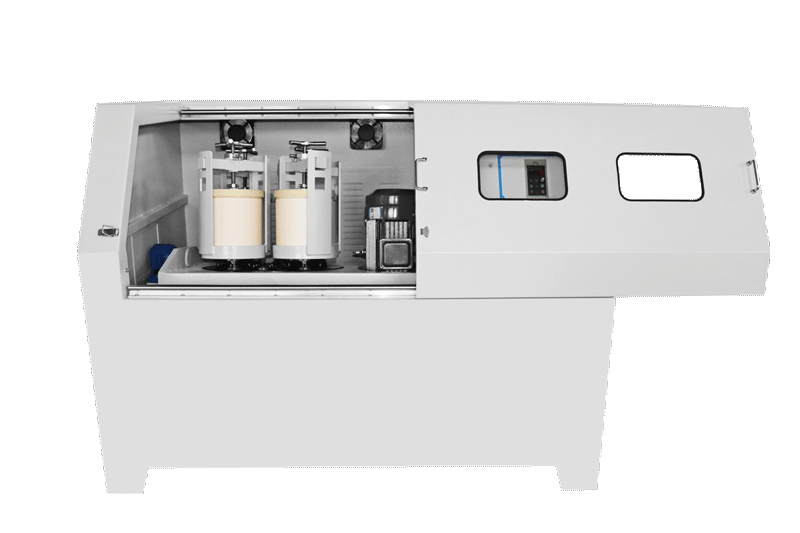
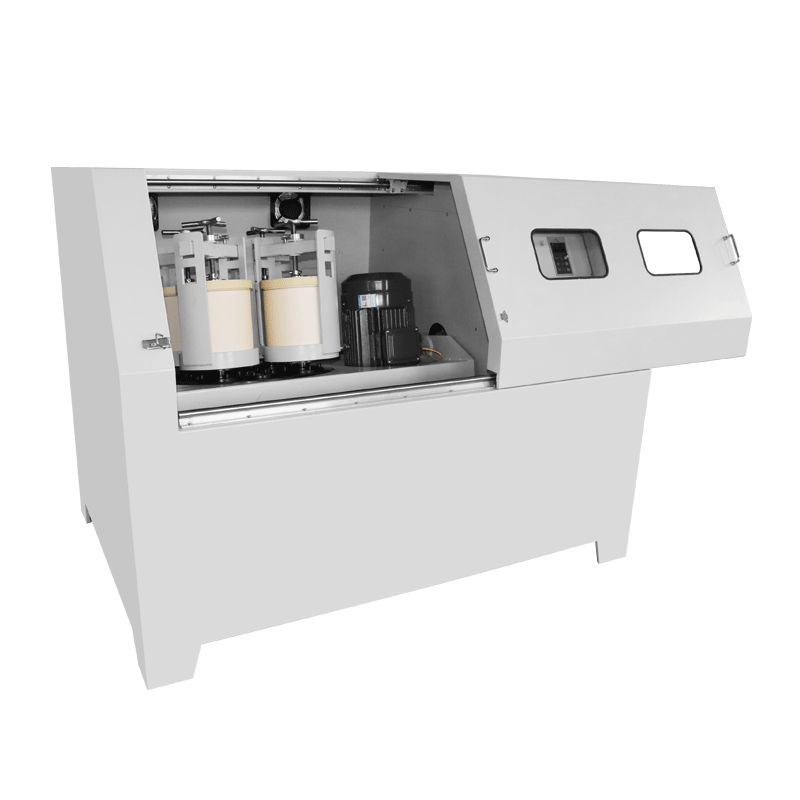
If your work involves tough materials, long runs, or a need for uniform treatment across the batch, it is worth looking at a machine designed around those demands. The Heavy-duty Full-directional Planetary Ball Mill is a product in the planetary mill family that targets exactly that combination. The name tells you the two main ideas: a heavy-duty build for demanding loads, and full-directional motion for a more active, less static ball charge.
You should still match the machine to your process. Ask what jar sizes and materials are available, how the controls handle multi-stage recipes, how the mill manages heat, and what safety features are included. Those details matter more than a single headline number. The product page is the right place to check the current configuration options and technical information before you specify a unit.
Designing a Milling Trial That Teaches You Something
A milling trial is not a lottery. It is a small experiment. You are trying to learn how the material responds to energy, time, and the grinding environment. If you change five things at once, you get a result but not much knowledge. If you change one thing at a time, you can build a process window that survives the move from a lab jar to a larger batch.
Start with a clear question. Do you want the finest possible powder, the narrowest distribution, the least contamination, or the shortest run time? Those goals can pull in different directions. A run that gives you a very fine powder may also give you more wear and more heat. A run that protects the material may leave you with a coarser product. Decide what matters most before you start, then design the trial around that priority.
Start With a Small Design Space
Choose a sensible baseline: a jar and ball material that are compatible with your sample, a moderate ball-to-powder ratio, and a run time that is long enough to see a change but short enough to avoid a runaway temperature. Run it, sample it, and look at it. Then change one variable at a time. Speed is usually the first variable to explore because it has a strong effect on impact energy. Time is the second because it affects both fineness and heat.
Keep a record of everything that might matter: jar size, ball size, ball count, powder mass, rotation speed, run time, pause time, and any process aid. If the mill has a direction sequence, record that too. When you find a result you like, repeat it. A single good batch is an anecdote. A repeated good batch is a process.
Measure More Than Particle Size
Particle size is the obvious output, but it is not the only one. Measure the distribution, not just the average. Look at the shape of the particles. Check for agglomeration. If the material is crystalline, check whether the milling changed the crystal structure. If it is a formulation, check whether the active ingredient is still doing its job. A powder can look beautifully fine and still be wrong.
Also measure the things that affect scale-up: heat, wear, and run-to-run variability. If the jar gets hot, the process may not behave the same way in a larger mill. If the balls show heavy wear, the contamination may change the chemistry. If two identical runs give different results, you have a stability problem to solve before you optimize anything else.
Questions We Hear From Real Labs
How Full Should the Jar Be?
A practical starting point is to leave enough free space for the balls to move. If the jar is packed, the balls cannot accelerate and collide properly. If it is too empty, you may get more wall sliding and less efficient grinding. The right fill depends on the jar geometry, ball size, and material, so treat any recommendation as a starting point and confirm it with a trial.
Do I Need a Heavy-Duty Mill for a Few Grams?
Not necessarily. If your batches are tiny, your material is soft, and your runs are short, a smaller mill may be perfectly adequate. Heavy-duty design becomes more valuable when you run longer, use dense jars and balls, need repeatability, or plan to scale the process. Buy for the work you will actually do, not for the most extreme case you can imagine.
Why Does My Powder Coat the Jar?
Coating usually means the powder is sticking to the wall instead of being refreshed into the ball charge. It can happen with soft, ductile, or moist materials. Try a lower energy level, a shorter run, a different ball size, or a process aid. In some cases, the material is simply too sticky for dry milling, and wet milling or a different comminution method is the better answer.
What to Remember When You Specify a Mill
A planetary ball mill is a tool for controlling energy transfer. The motion creates impacts and shear. The jar and balls determine what kind of contact the powder experiences. The machine's stiffness, cooling, and control system determine whether you can repeat that experience. When those pieces are matched, milling becomes a process you can tune. When they are not, it becomes a source of mysterious variation.
If you are considering the Heavy-duty Full-directional Planetary Ball Mill, start with your material and your goal, not with the biggest number on the page. Ask how the mill will handle your jar weight, your run time, and your contamination limits. Ask for a trial that reflects your real process. The right mill is the one that gives you useful, repeatable results without making every batch an adventure.
Related Products
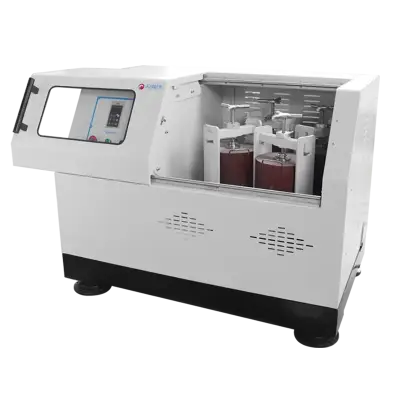
XQM-20 20L Vertical Production Planetary Ball Mill
XQM-20
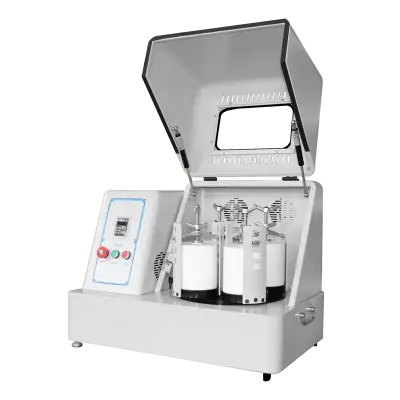
Laboratory planetary grinder
XQM
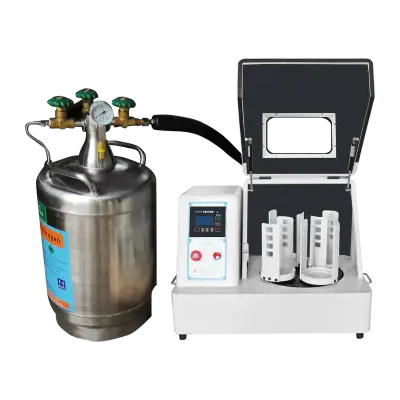
Liquid Nitrogen Planetary Ball Mill
XQM
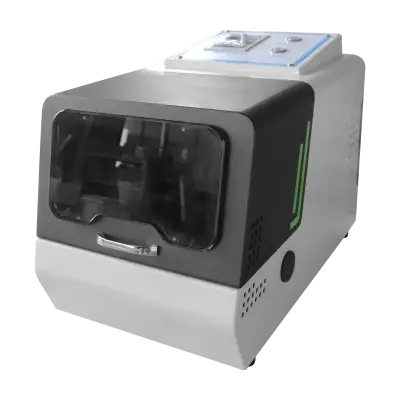
Micro Planetary Ball Mill
XQM-0.2
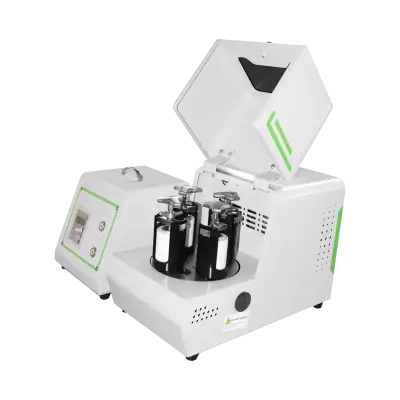
Micro Planetary Ball Mill
XQM-0.2S
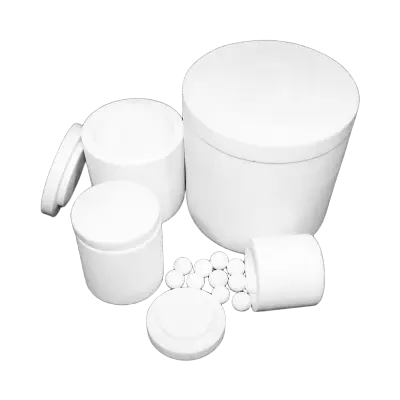
A grade Corundum planetary Mill Jar
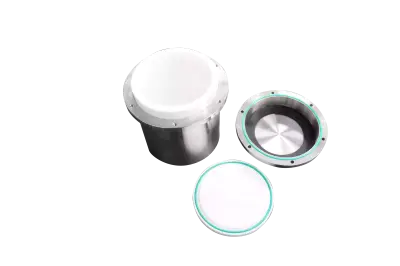
304 stainless steel lined with zirconia mill jar
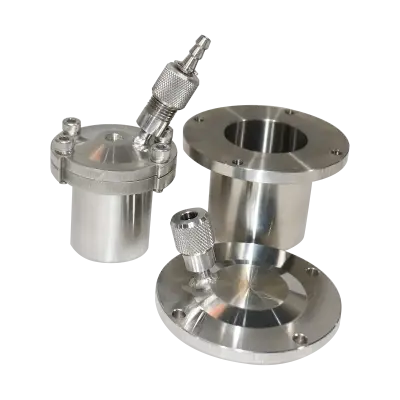
vacuum planetary mill jar
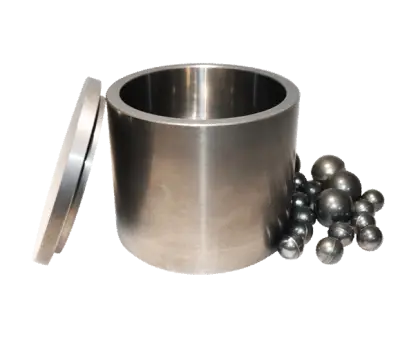
Tungsten carbide planetary mill jar
Get In Touch
Our professional team will reply to you within one business day. Please feel free to contact us!