
Cryogenic Mill: Cold Grinding Guide

What a cryogenic mill actually does
A cryogenic mill is a grinder that runs cold — often far below room temperature. Instead of fighting the heat that grinding creates, it takes heat out of the equation. The feed is chilled with liquid nitrogen until it turns brittle, then impact-milled into fine powder while it is still cold.
That one change solves a problem you meet constantly in powder processing. Many materials are soft, sticky or heat-sensitive at room temperature, and warm grinding turns them into paste instead of powder. Chill them first and they behave a little like glass: they shatter rather than smear.
Why cold grinding beats room-temperature grinding
Ask anyone who has tried to grind oily seeds in a warm room. The first few seconds sound fine; then powder climbs the chamber walls, the motor labours, and what comes out is paste, not powder. The material did not fail — the process did, because heat built up faster than the mill could remove it.
Embrittlement is the real mechanism
Most polymers and food ingredients have a glass transition temperature. Above it they are rubbery and tough; below it they are brittle and fracture easily. Liquid nitrogen pushes the material past that line, so one impact breaks it apart instead of deforming it, and you end up with a finer powder for less energy.
What you gain, in plain terms
- Finer powder from sticky or clogging materials.
- Better aroma and colour retention in spices and food.
- Less oxidation and lower dust-explosion risk.
Materials that suit cryogenic grinding
If your material turns greasy, gummy or sticky as it warms up, cold grinding is worth a test. Spices, herbs, coffee, cocoa, nut residues, gums, waxes, plastics and rubber scrap are common candidates, along with heat-sensitive pharmaceutical intermediates.
How a cryogenic grinding line is put together
A complete setup usually has four stages working in sequence.
- A feeder that meters material in at a steady rate.
- A pre-cooling screw or chamber, where liquid nitrogen drops the temperature.
- The mill itself — hammer, pin, disc or jet type, depending on target fineness.
- A discharge and collection section that keeps the powder cold until packing.
Nitrogen control is where most of your running cost lives. Too little gas and the material warms up mid-mill; too much and you pay for nitrogen you never used. Good lines read temperature at the inlet and outlet instead of leaving a valve at a fixed setting.
Grinding is only half the job
Fine powder is rarely the finished product. After milling you normally blend it with other ingredients, and a careless blending step can undo everything — high-speed mixers de-mix powders of different densities and warm the batch back up.
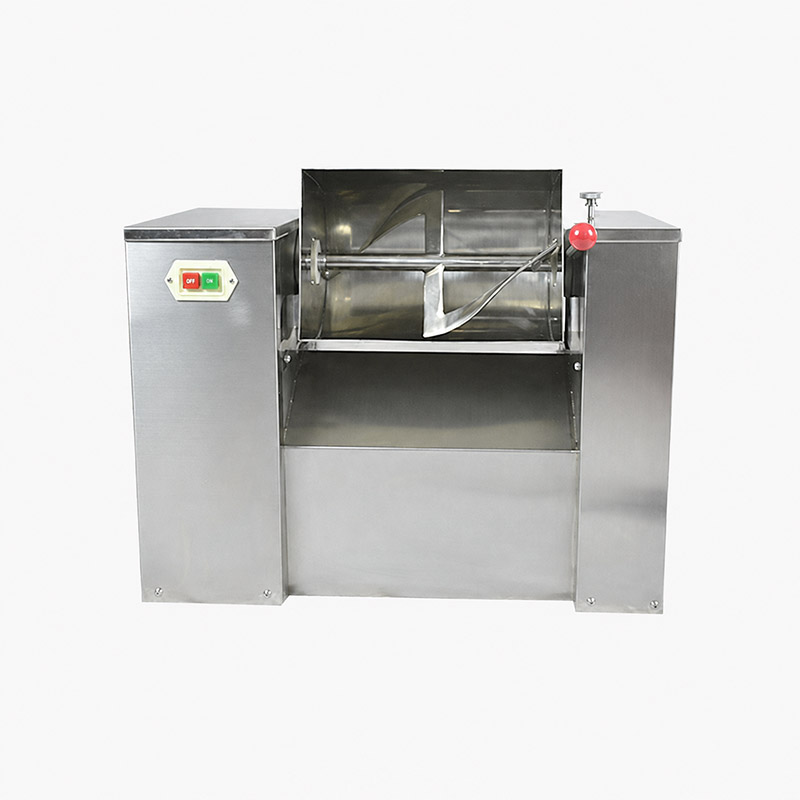
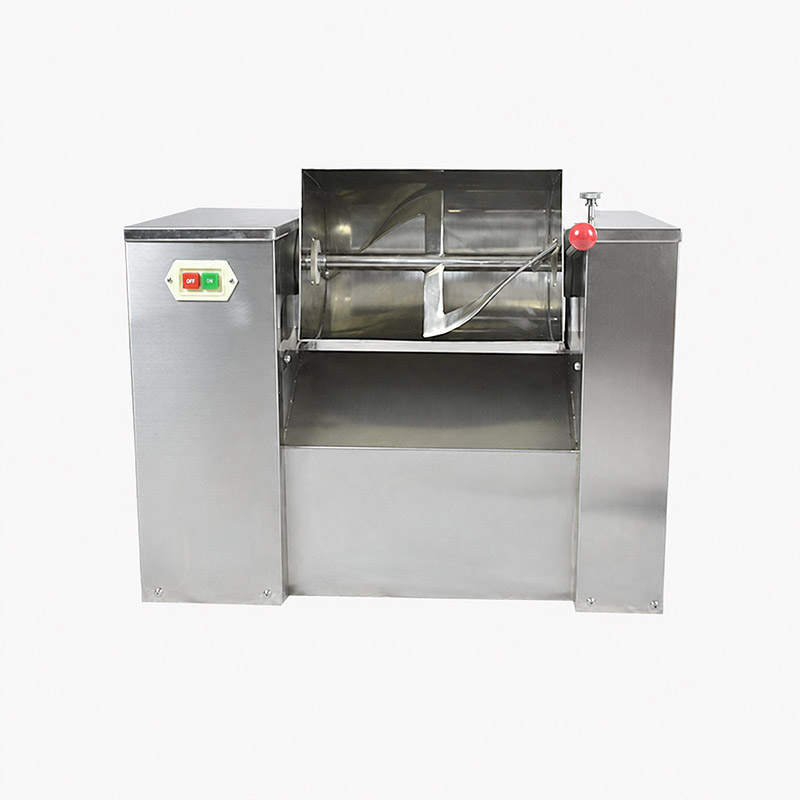
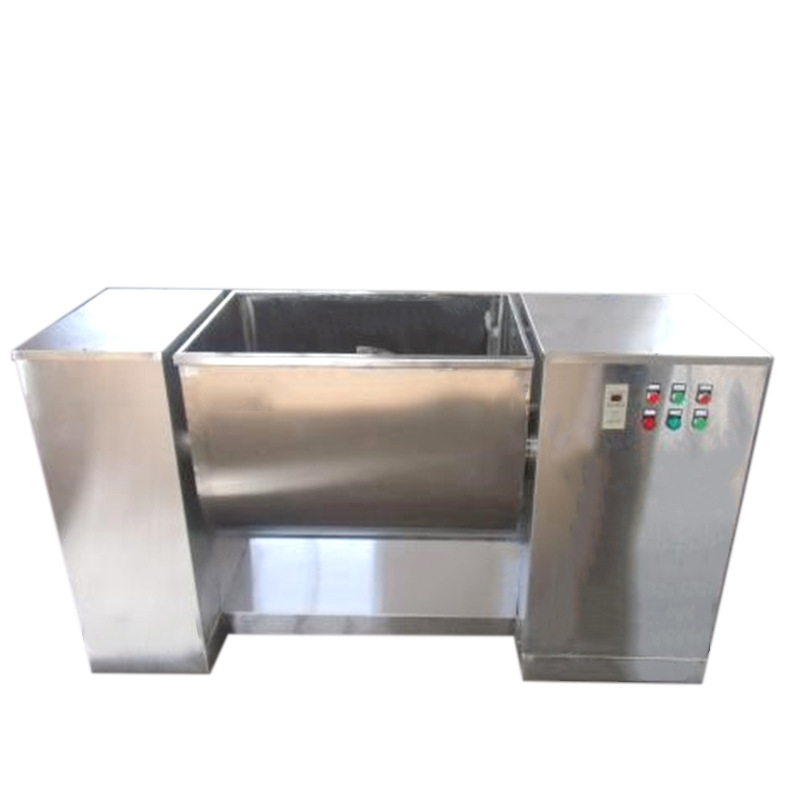
That is where a TENCAN trough mixer fits in. It is a horizontal, trough-shaped vessel with a rotating agitator, built to homogenise dry powders and granules gently. Powder straight from a cryogenic mill is a natural match: the batch stays cool, and the tumbling action protects the particle size you just paid for.
Choosing the right cryogenic mill
Before you compare machines, settle three numbers.
- Target particle size, in microns, and how wide a distribution you can accept.
- Feed rate in kilograms per hour, at the fineness you actually need.
- Liquid nitrogen consumption per kilogram of powder — the figure that decides your running cost.
Quick answers to common questions
Does it need liquid nitrogen the whole time?
No. Most cooling happens in the pre-cooling stage, so the nitrogen feed is controlled rather than constant. The more brittle the material, the less grinding energy it takes — you spend gas to save motor power and wear.
Where to start
If your line needs both fine grinding and even blending, plan the two steps together. Changsha Tencan Powder Technology Co., Ltd. (TENCAN) builds milling and mixing equipment for both, and the Trough mixer page shows how the blending stage fits in.
Related Products
Get In Touch
Our professional team will reply to you within one business day. Please feel free to contact us!