
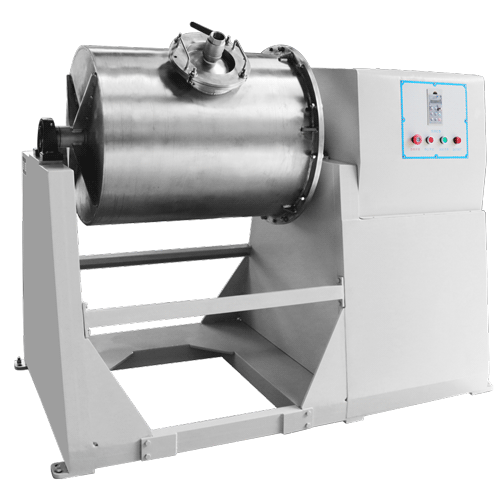
Light-Duty Roll Ball Mill: Practical Guide for Small-Batch Milling and Setup

You have a powder to mill and a small batch to run. That is where a light-duty roll ball mill earns its keep. It is compact powder equipment built around one idea: let a rotating drum work while you control the variables. For exact details, see the Light-duty roll ball mill page.
What a light-duty roll ball mill does
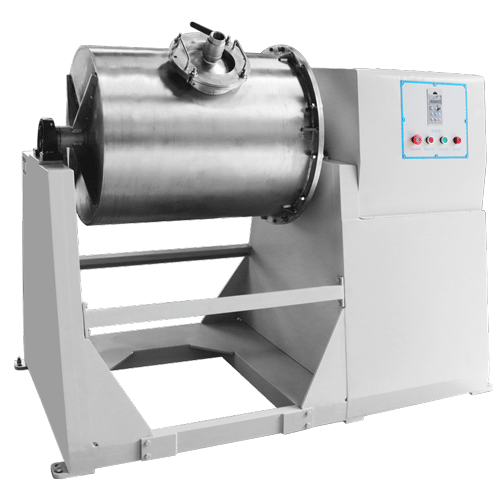
A roll ball mill is a drum mill. The grinding jar rests on powered rollers. As the rollers turn, the drum rotates. Inside, grinding media—usually balls—tumbles, lifts, and cascades into the powder. Size reduction comes from impact and friction, not from a blade. That tumbling action is gentle, repeatable, and easy to scale down. “Light-duty” simply describes its smaller jars, shorter runs, and smaller footprint; it does not mean lower precision.
Why small batches need care
With a small batch, every variable is easier to see—and to get wrong. A full jar may not tumble well; too little material wastes media contact. A long run can overgrind the fine particles you wanted. Keep the drum, media, fill, and time consistent, and compare results.
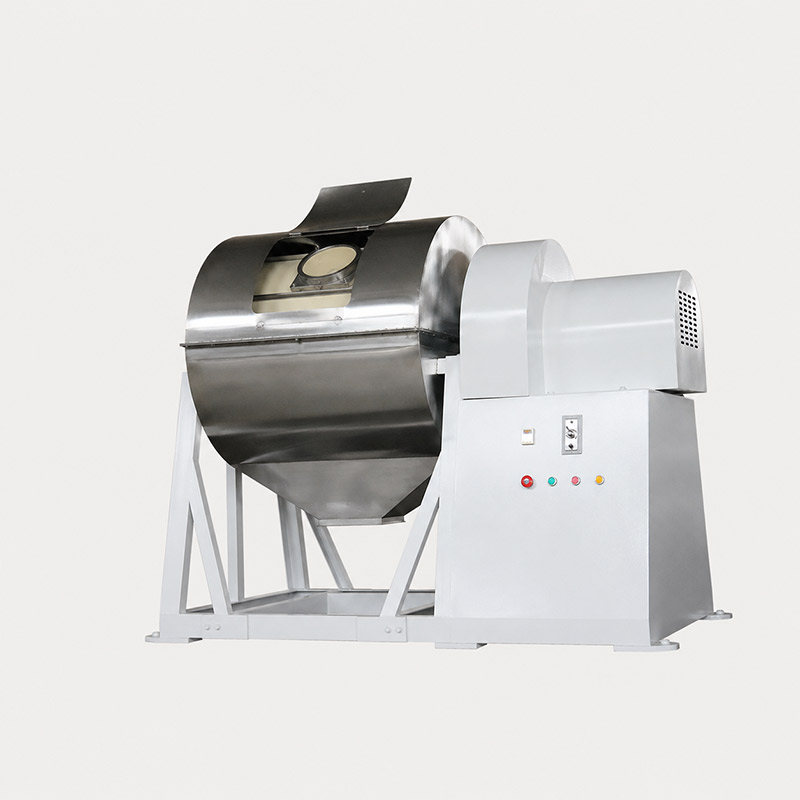
How to set up a run
Match jar and media
Start with the material. A hard, brittle powder needs enough media energy; a soft or heat-sensitive powder may need a gentler approach. The jar and media should suit the powder and be easy to clean.
Leave room for movement
Do not fill the jar too much. The media needs space to lift and fall. If the jar is packed, the charge may slide around and do little. Leave free volume, then adjust after a trial.
Treat speed and time as starting points
Faster is not always better. Higher speed can add heat and wear. Run a trial, check the powder, and adjust. Short runs with checks beat one long run you cannot explain.
Keep notes
Write down the jar, media, fill level, speed, and run time. That log turns a lucky batch into a repeatable process. A steady frame also keeps vibration out.
Where it fits
This mill suits lab research, small batches, quality checks, and costly materials; it is not for continuous heavy production.
Common mistakes
- Overfilling the jar. Media cannot tumble properly.
- Wrong media size. Too large may crush too hard; too small may lack energy.
- Changing too many variables. Then you cannot tell what helped.
- Skipping cleanup. Cross-contamination shows up later.
- No trial run. A small test saves material and time.
What to check before you buy
Ask practical questions. What jar sizes are supported? How easy is it to change the drum? Can roller speed be adjusted and repeated? How stable is the frame? For exact specifications, check the TENCAN light-duty roll ball mill product page.
Before you press start
Let motion, media, and time do the work. Keep the batch small, the setup stable, and the records clear. Start with a trial, change one variable, and watch what happens.
Related Products
Get In Touch
Our professional team will reply to you within one business day. Please feel free to contact us!