
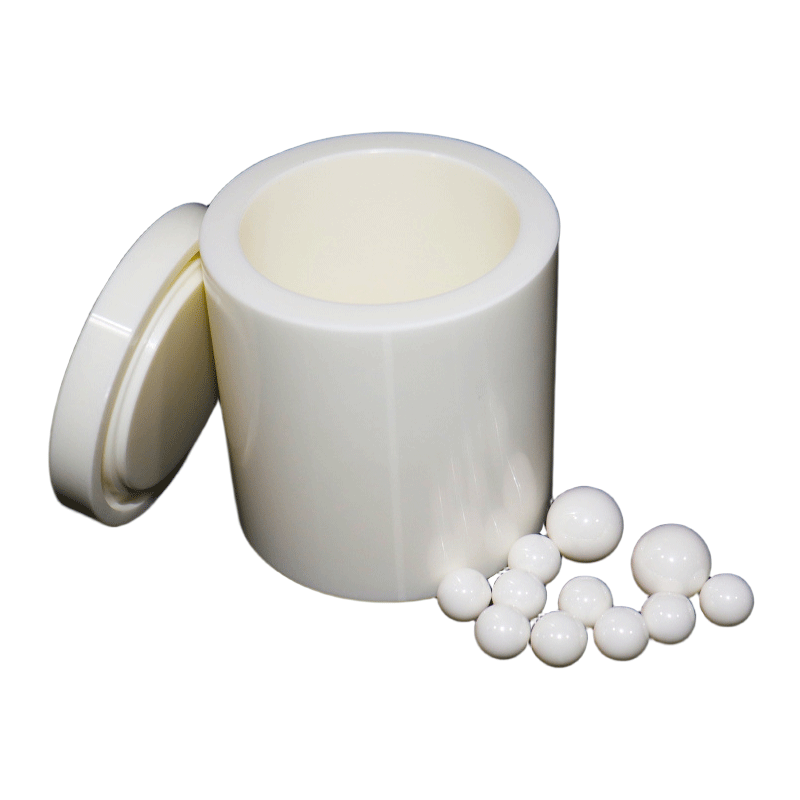
Zirconia Planetary Mill Jar: A Practical Guide to Cleaner, Low-Wear Milling

Planetary ball mills get a lot of attention for their motors, control panels, and grinding energy. Fair enough. But the part that actually touches your sample is the jar. If you work with powders that must stay clean, the jar material is not a small detail. It sits right at the heart of the process. That is where a zirconia planetary mill jar comes into the conversation.
Maybe you are setting up a new lab. Maybe a current jar is shedding something you do not want in your powder. Or maybe you are simply tired of guessing which jar material fits your job. We will walk through what this jar is, how it works inside a planetary mill, what to check before you buy, and how to use it without turning a good ceramic jar into an expensive paperweight.
What a zirconia planetary mill jar actually is
A planetary mill jar is the sealed vessel that holds your powder and grinding balls. It mounts in the mill, spins around its own axis, and also travels around a larger sun wheel. That double motion is why the process is called planetary. The balls rise, fall, roll, and collide inside the jar. The powder gets trapped between moving balls and jar walls, and that is how size reduction happens.
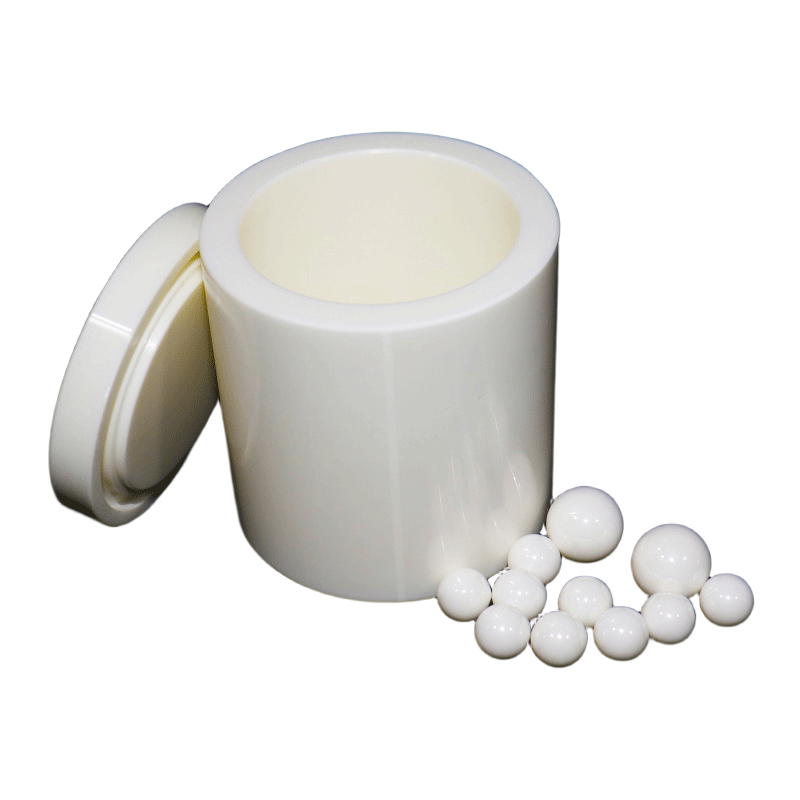
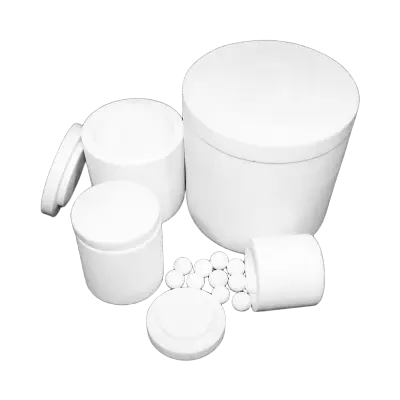
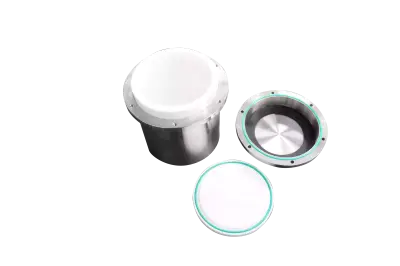
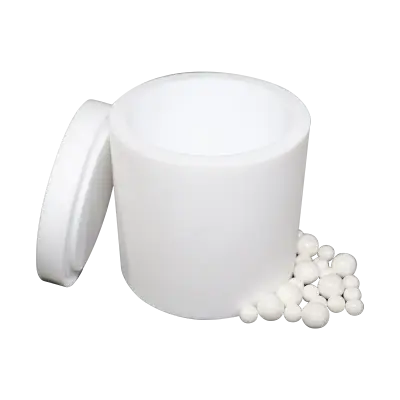
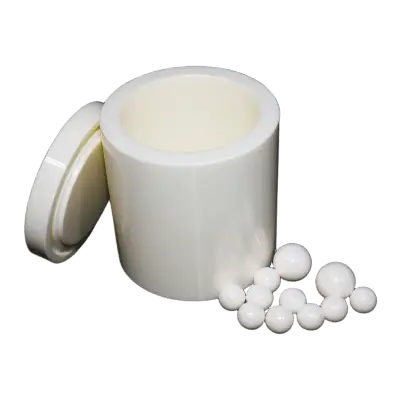
When we say zirconia planetary mill jar, we mean a jar made from zirconium dioxide ceramic. It is a consumable, not a machine. It has a body, a lid, and usually a sealing gasket or ring. The jar is the sample-contact surface. So the material, the fit, and the seal all matter.
The name zirconia covers a family of ceramic materials, not one universal recipe. Different suppliers may use different stabilizers, binders, and processing routes. That is why two jars that look similar can behave differently. Ask what grade you are getting, and do not assume that the word zirconia tells the whole story.
It also helps to separate the jar from the grinding media. The jar is the chamber. The balls are the tools that do the hitting and rolling. You can have a great jar and the wrong balls, or the right balls and a jar that does not seal. Treat them as a team.
Why people reach for zirconia instead of a metal jar
The short answer is contamination control. If your powder is going into a technical ceramic, a pigment, a catalyst, or a product where metal pickup is a worry, a ceramic jar can be a sensible choice. Zirconia is one of the ceramic options. It is not automatically the right choice for every sample, and it is not a promise of zero wear. Every jar wears. The question is what it sheds and whether that matters to you.
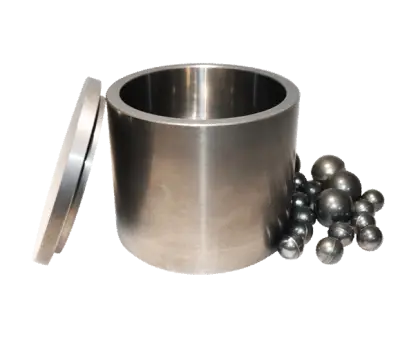
Metal jars have their place. They can be tough and easy to handle. But if your process is sensitive to iron, chromium, nickel, or other alloy elements, a metal contact surface may be a harder sell. A zirconia jar gives you a non-metal contact surface. That is the appeal. The exact level of contamination still depends on the zirconia grade, the powder, the milling energy, and how long you run.
There is a trade-off. Ceramic is not a rubber mallet. It can chip or crack if dropped, over-clamped, or run outside its limits. A zirconia jar rewards careful handling. If your team tends to slam jars on the bench, that is worth knowing before you buy. A little discipline goes a long way.
How the milling action works inside the jar
Picture a small drum half-filled with balls. Now imagine it spinning around its own centre while the whole platform turns. The balls do not just sit there. They get lifted, thrown, and rolled. Some energy comes from impact, some from friction and shear. The powder is caught in the middle. In plain terms, the jar is a tiny, very energetic rock tumbler for powders.
Three things shape the result: the energy the mill puts in, the way the balls move, and the way the powder behaves. Jar size, ball size, ball density, fill level, rotation speed, and milling time all pull on that. Change one, and you change the result. This is why a jar is not a plug-and-play bucket. It is part of the milling recipe.
You will hear the term ball-to-powder ratio. That simply means the mass of the grinding balls compared with the mass of the sample. A higher ratio gives more ball contacts per gram of powder, but it also leaves less room for powder and can raise wear. A lower ratio gives more sample room but may need more time. There is no universal number that fits every job. Start from the mill maker's guidance and your own trials.
Another useful idea is impact versus friction. Larger or denser balls tend to deliver more impact. Smaller balls give more contact points and more rubbing. If your goal is to break down hard particles, you may lean toward impact. If you are mixing or refining a softer material, friction may do more of the work. The jar has to survive whichever route you choose.
The jar shape and internal finish matter too. A smooth interior is easier to clean, but it can also change how powder and balls move. Deep corners and rough patches give powder a place to hide. If you switch materials often, a simple, accessible shape is your friend. If you run one material for years, you may care more about wear life than cleaning speed.
What to check before you buy a zirconia jar
This is where a little patience saves a lot of swearing later. A jar only works if it fits your mill, seals properly, and suits your sample. The product listing is the place to confirm the details. Use it to check the basics, then ask questions about anything that is not clear.
Fit and mounting
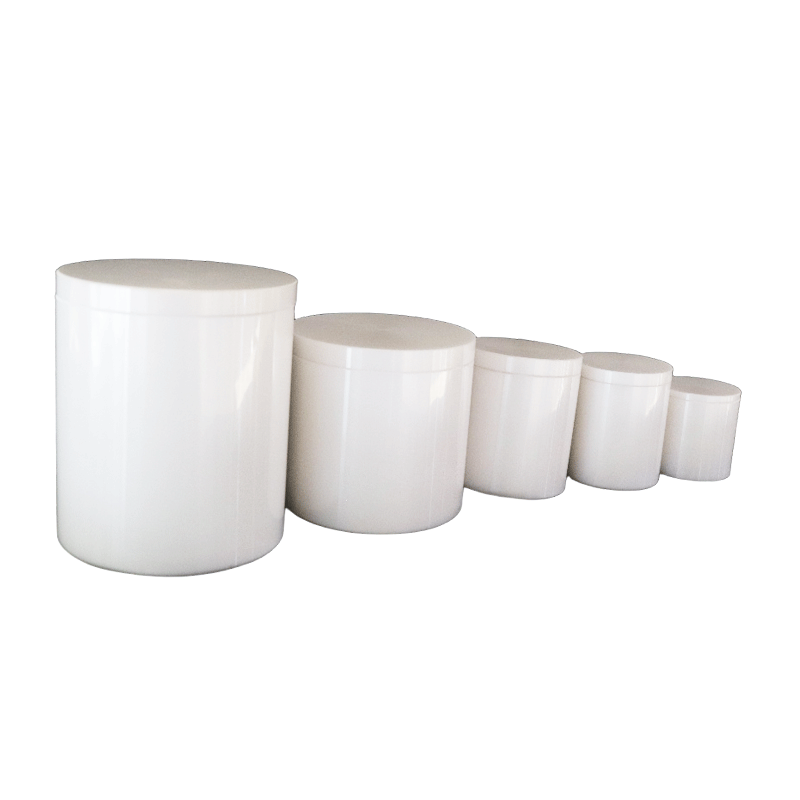
Jars are not one-size-fits-all. The outer diameter, height, clamping style, and lid shape need to match your planetary mill. A jar that is close but not right can be worse than useless. It may not seat, may not clamp evenly, or may put stress on the lid. Check the mill model and the jar dimensions together. If you are buying a spare or a second jar, do not assume the old one's size is the only thing that matters. Seal design can change too.
Usable volume, not just nominal volume
A jar's volume is not the amount of powder you can put in. You need room for grinding balls and for the powder to move. Overfilling kills ball motion and can make the jar run hot. Underfilling wastes capacity and may reduce contact. Ask what fill range the supplier recommends, and treat the jar volume as a ceiling, not a target.
Lid, gasket, and seal
The seal is the quiet hero. A poor seal lets fine powder escape, lets air in, or makes the lid hard to remove. Check the gasket material, how it seats, and whether spare gaskets are available. If you mill under inert gas or with a reactive powder, the seal matters even more. A jar that is hard to open is annoying. A jar that leaks is a problem.
Zirconia grade and traceability
Zirconia is a family name, not a single recipe. Different grades can be made for different priorities. Ask for the composition, the grade name, and any available certificate or wear information. If your product has strict contamination limits, test the jar with your own powder before you commit to a production run. A small trial can tell you more than a glossy brochure.
Grinding ball match
Ask which balls the supplier recommends with the jar. Using the same ceramic family can simplify contamination thinking, but it does not make wear disappear. Ball size and size distribution also matter. A jar full of one huge ball behaves differently from a jar with a spread of smaller balls. If you already have balls, check that they are compatible with the jar and the job.
Cleaning and spare parts
Can you reach the inside corners? Is the gasket easy to replace? Are lids and seals available as spares? A jar with no spare parts is a short-term relationship. Cleaning matters too. If you change materials often, a jar that traps powder in a groove will cost you time.
Using the jar without wrecking it
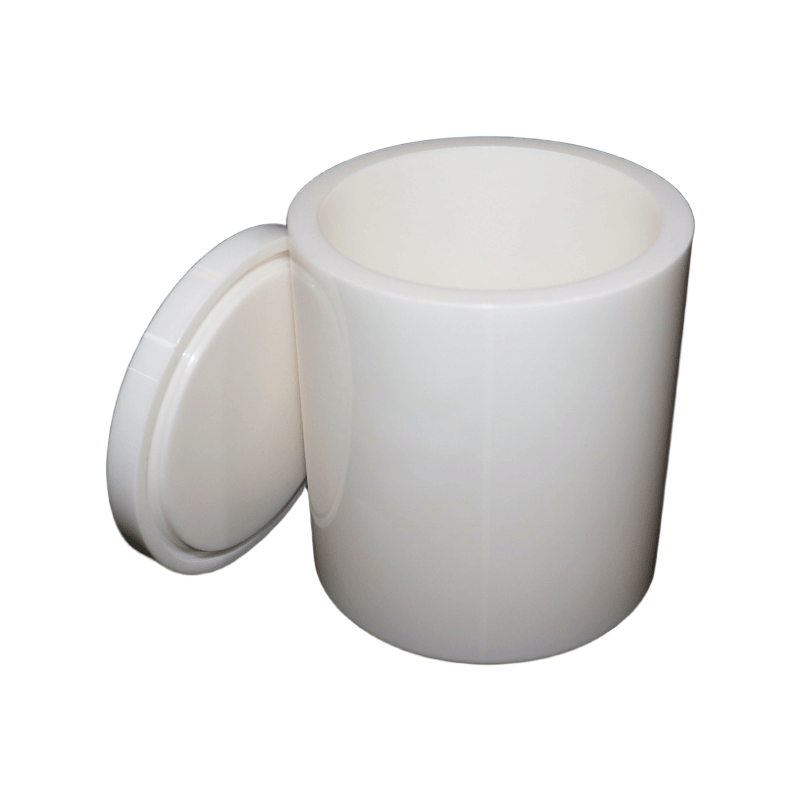
A zirconia jar is tough in the right role, but it is still ceramic. Treat it like lab equipment, not a hammer. Inspect it before and after every run. Look for chips, hairline cracks, stains that will not clean off, and a gasket that has gone flat. A damaged jar can fail suddenly, and that is a mess you do not want inside a mill.
Do not exceed the mill or jar limits for speed, load, or temperature. If the jar feels warm after a run, that is information. If it smells hot or the lid is hard to open, stop and check. More speed is not always more progress. It can mean more heat, more wear, and a shorter jar life.
Load carefully. Add balls first, then powder, or follow the supplier's order if they specify one. Keep the lid and sealing surfaces clean. A grain of powder on the gasket can cause a leak. Tighten the lid as instructed. Too loose leaks; too tight can stress the lid or squash the gasket. If you are not sure, ask.
Store the jar clean and dry. Leave the lid off if the supplier recommends it, so air can move and smells do not build up. Label the jar with the material it handles. A dedicated jar per material family is a simple way to reduce cross-contamination and arguments.
Keep a simple run log. Note the material, ball set, fill level, speed, time, and anything odd. When a run goes well, you will want to repeat it. When a jar starts to wear, the log helps you see when the change began. It sounds fussy, but it is faster than trying to remember what you did three weeks ago.
Cleaning, cross-contamination, and the little habits that matter
Cleaning is part of the experiment. If you leave powder in the jar, your next run starts with an unknown. Brush out dry powder first. Use a cleaning method that suits the jar, the gasket, and your lab rules. Avoid metal scrapers that can scratch the ceramic. Scratches give powder a place to hide and can start a crack.
Pay attention to the lid and gasket. That is where fine powder likes to camp. Remove the gasket if the design allows, clean the groove, and let everything dry fully before reassembly. If the gasket is stretched, cut, or hard, replace it. A spare gasket is cheap insurance.
Cross-contamination is not only about the jar body. Balls, lids, gaskets, and even the brush can carry powder. Keep a log if you run different materials. A simple label with the material name and date is enough. If you need the cleanest possible result, use a dedicated jar and balls for that material.
Questions we hear about zirconia planetary mill jars
Can I use zirconia balls in a zirconia jar?
Often, yes, and it is a common pairing when you want to keep the grinding media in the same ceramic family. But check with the supplier first. The jar grade, ball grade, size, and fill all need to work together. Matching the material name does not automatically match the job.
How do I know when the jar is worn out?
Look for chips, cracks, a rough interior, a seal that will not hold, or powder that keeps leaking around the lid. Wear is not only a hole in the wall. A worn sealing surface can end a jar's useful life too. If you are in doubt, stop using it for critical work and ask the supplier.
Can I run the mill faster to finish sooner?
Only within the limits. Higher speed can add impact energy, but it also adds heat and wear. It can also change the powder in ways you did not intend. If a run is taking too long, look at ball size, fill level, and ball-to-powder ratio before you reach for the speed dial.
Why does powder stick to the jar?
Moisture, static, soft powders, and overfilling can all cause sticking. Sometimes the powder is simply doing what fine powders do. Try a lower fill, a different ball size, or a short dry run if it is safe for your material. If the problem persists, talk to the jar supplier and the mill maker. They may have seen your material before.
Do I need a different jar for every material?
Not always, but it is the simplest way to reduce cross-contamination. If your materials are compatible and your cleaning routine is strong, one jar may be enough. If you switch between very different powders or have tight purity limits, a dedicated jar is easier to defend. The cost of a second jar is often smaller than the cost of a contaminated batch.
Is zirconia always better than steel?
No. It is different. If metal contamination is a serious concern, a ceramic jar may be the better fit. If you need maximum toughness or you are milling a very abrasive material on a tight budget, a metal jar may still make sense. The right answer depends on your powder, your limits, and your cleaning routine.
Matching the jar to your milling goal
Start with the job, not the catalogue. Are you trying to break down hard particles, mix several powders, or coat one material onto another? Each goal puts different demands on the jar. Particle size reduction usually wants enough energy and the right ball size. Mixing wants good motion and maybe less impact. Coating or mechanochemical work may care more about contact and atmosphere.
Then think about contamination. If a small amount of zirconia in your product is acceptable, a zirconia jar may be an easy choice. If it is not, you need wear data and a trial. Do not assume that any ceramic jar is inert in your system. Your powder may be aggressive, acidic, or abrasive in a way that surprises you.
Then think about the people who will use the jar. A heavy jar that is hard to clean will sit on the shelf. A jar with a fiddly lid will get cross-threaded. A jar with no spare gaskets will become a paperweight. The best jar is the one your team can use correctly, run after run.
If you are scaling up from a small jar, do not simply multiply everything. The same material in a larger jar can behave differently because the ball path, fill, and energy distribution change. Test the larger setup with a sample you can afford to lose. Ask the supplier what changes when you move up in size.
A practical way to decide
If you are shortlisting a zirconia planetary mill jar, keep it simple. Confirm the fit. Confirm the seal. Confirm the zirconia grade and what spare parts are available. Ask how the jar should be cleaned and what limits apply. Then run a small trial with your own powder. That is the honest test.
The jar is a small part of the mill, but it is the part that meets your material. Get it right, and the mill has a clean, reliable contact surface. Get it wrong, and you will spend your time chasing leaks, contamination, and broken ceramic. A little care at the buying stage goes a long way.
If you want to check the current product details, start with the zirconia planetary mill jar page. Measure your mill, note your sample, and ask the questions that matter for your process. That is a much better route than guessing.
Related Products
Get In Touch
Our professional team will reply to you within one business day. Please feel free to contact us!