
Glove Box Manufacturers: Jar Guide

If you have ever tried to mill an oxygen-sensitive powder in open air, you already know the feeling. You open the jar, the powder turns color, and your carefully prepared sample is suddenly a different material. That is the moment many researchers start typing glove box manufacturers into a search engine. They want a sealed, controlled space where air and moisture cannot ruin the work. But here is the part that often gets overlooked: the box is only half of the equation. The milling jar that goes inside the box matters just as much. In this guide, we will walk through what glove box manufacturers actually build, how to compare them, and why a jar like the A grade Corundum planetary Mill Jar deserves a closer look for inert-atmosphere milling.
We will keep the language plain. If a term shows up, we will explain it right away. Think of this as a conversation with a friend who has spent too many hours chasing leaks, replacing gloves, and cleaning jars. You do not need a degree in vacuum technology to ask a glove box manufacturer the right questions. You just need to know what matters.
What Glove Box Manufacturers Really Build
A glove box is a sealed enclosure with gloves built into the walls. You put your hands into the gloves, and you can work with samples inside without touching the outside air. That sounds simple, but a modern glove box is a system. It has a main chamber, a viewing window, glove ports, an antechamber for passing items in and out, and usually a gas purification system. The manufacturer is not just selling a box. They are selling an environment.
The environment is the product. For many users, the goal is an inert atmosphere. Inert means the gas inside does not easily react with the sample. Nitrogen and argon are common choices. If the sample reacts with nitrogen, argon may be better. The manufacturer has to design the box so the gas stays inside and the outside air stays outside. That is a leak-tightness problem, and it is one of the hardest parts of the build.
Another goal is low moisture. Water vapor is everywhere, and many materials hate it. Lithium salts, some catalysts, and certain metal powders can be damaged by a tiny amount of humidity. A glove box manufacturer will talk about moisture and oxygen levels. You do not need to memorize numbers at first. You need to understand that the box has to hold a stable atmosphere, not just reach a good number once.
The antechamber is the small airlock on the side of the box. You place an item inside, close the outer door, and then either vacuum the chamber or purge it with inert gas. Only then does the inner door open. This step protects the main chamber from a burst of air. If you plan to move planetary mill jars in and out, the antechamber size matters. A jar that does not fit is a daily annoyance.
Glove box manufacturers also design the gas purification loop. The gas inside the box circulates through a purifier that removes oxygen and moisture. Over time, the purifier material becomes saturated and needs regeneration. Regeneration is a process that cleans the purifier so it can work again. Some systems do this automatically. Others require manual steps. The details affect how much attention your box needs each week.
Finally, not all glove boxes are the same. A box for battery research may need very low moisture and oxygen. A box for containment may need to protect the operator from a hazardous powder. A box for general sample handling may only need a clean, dry environment. When you search for glove box manufacturers, you are really searching for a partner who understands your specific atmosphere, your materials, and your workflow.
The Main Types of Glove Boxes You Will See
Inert Atmosphere Glove Boxes
These are the boxes most people picture when they hear the word glove box. They use nitrogen or argon to create a low-oxygen, low-moisture environment. You will find them in battery labs, chemistry labs, and materials science groups. The key spec is often the oxygen and moisture level, but stability matters more than a single reading. A box that drops to a low level and then climbs back up within an hour is not really doing its job.
Isolation and Containment Glove Boxes
These boxes protect the person and the room from the material inside. They may handle toxic powders, radioactive samples, or pathogens. The design focuses on negative pressure, filters, and safe change-out procedures. If your material is hazardous, you need a manufacturer who understands containment, not just inert gas. The two goals can be combined, but the box becomes more complex.
Vacuum and Purge Glove Boxes
Some boxes use a vacuum antechamber to remove air quickly. Others use a purge cycle with inert gas. Vacuum antechambers are faster for small items and can reach lower contamination levels. Purge systems are simpler and gentler on delicate items. The best choice depends on what you pass in and out. If you move heavy milling jars, a large vacuum antechamber may be worth the extra cost.
Custom Glove Boxes
Many projects do not fit a standard size. Custom glove boxes can include extra glove ports, a larger window, a built-in oven, a microscope, a scale, or a transfer port for a ball mill. Custom work is where a manufacturer's engineering skill shows. A standard box is a catalog item. A custom box is a conversation about your process.
What Separates a Good Glove Box Manufacturer from an Average One
Leak Integrity and Gas Purity
Leak integrity is the foundation. If the box leaks, the purifier works harder and the atmosphere drifts. A good manufacturer tests the box and provides leak rate data. Ask how they test, what they consider acceptable, and how the test is documented. You do not need to be a vacuum expert to ask for the numbers. You just need to see that they have a process.
Purification System Design
The purifier is the heart of an inert box. It removes oxygen and moisture from the circulating gas. A well-designed system has enough capacity for your workload, a clear regeneration schedule, and easy access for service. If you plan to open the box often or move jars in and out, you need more capacity. A small purifier on a busy box is a recipe for frustration.
Glove Ports and Ergonomics
You will spend hours with your hands in the gloves. If the ports are too high, too low, or too far apart, your shoulders will tell you. A good manufacturer offers different glove sizes, port positions, and window angles. They may also offer a movable stand or a height-adjustable frame. Ergonomics is not a luxury. It affects how much work you can do and how many mistakes you make.
Control Systems and Data Logging
Modern glove boxes often include sensors and a controller. The controller monitors oxygen and moisture, controls the purifier, and logs data. Data logging is useful for quality control and for troubleshooting. If a sample fails, you can check whether the atmosphere drifted. Ask whether the system can export data, send alarms, or connect to your lab network.
Service, Spares, and Training
Gloves tear. Sensors drift. Purifier material needs replacement. A manufacturer who answers the phone and stocks spare parts is worth more than a lower price. Ask about response time, training, and whether they offer remote support. If you are outside their main service area, ask who will do the work. A glove box is a long-term relationship, not a one-time purchase.
The Part Buyers Often Forget: What Goes Inside the Box
Here is where the conversation gets interesting. You can buy a beautiful glove box with excellent atmosphere control, and then ruin the experiment with the wrong sample container. Inside the box, you may need to weigh, mix, press, heat, or mill materials. Milling is one of the most demanding steps because it involves friction, impact, and wear.
A planetary ball mill uses jars that spin around a central axis while the jar itself rotates. The balls inside collide with the sample and the jar walls. This action grinds the sample into fine powder. If you do this inside a glove box, you want a jar that will not react with the sample, will not rust, and will not shed unwanted material. That is why ceramic jars are common for sensitive work.
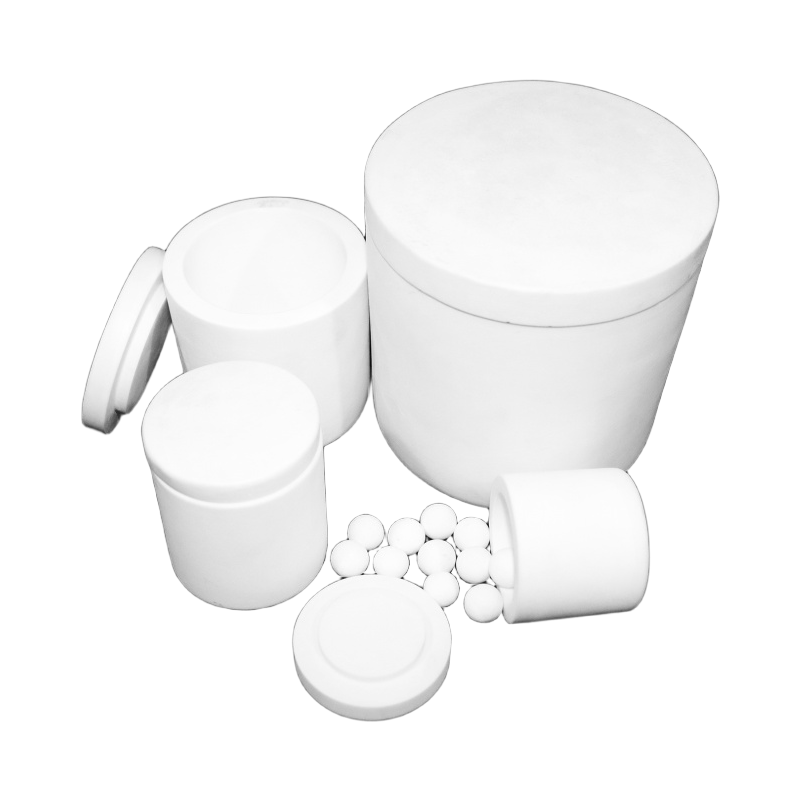
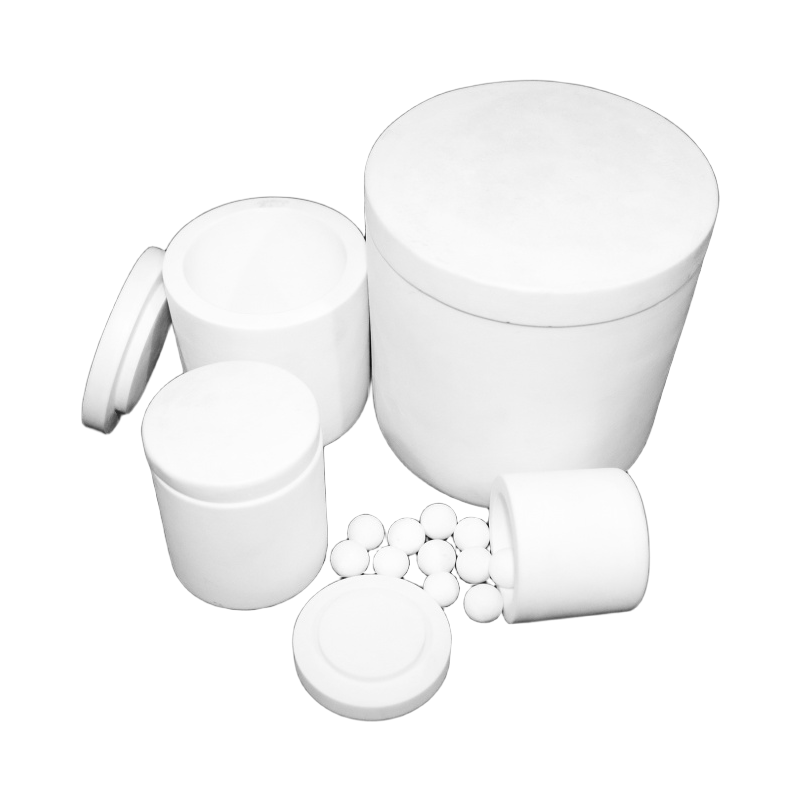
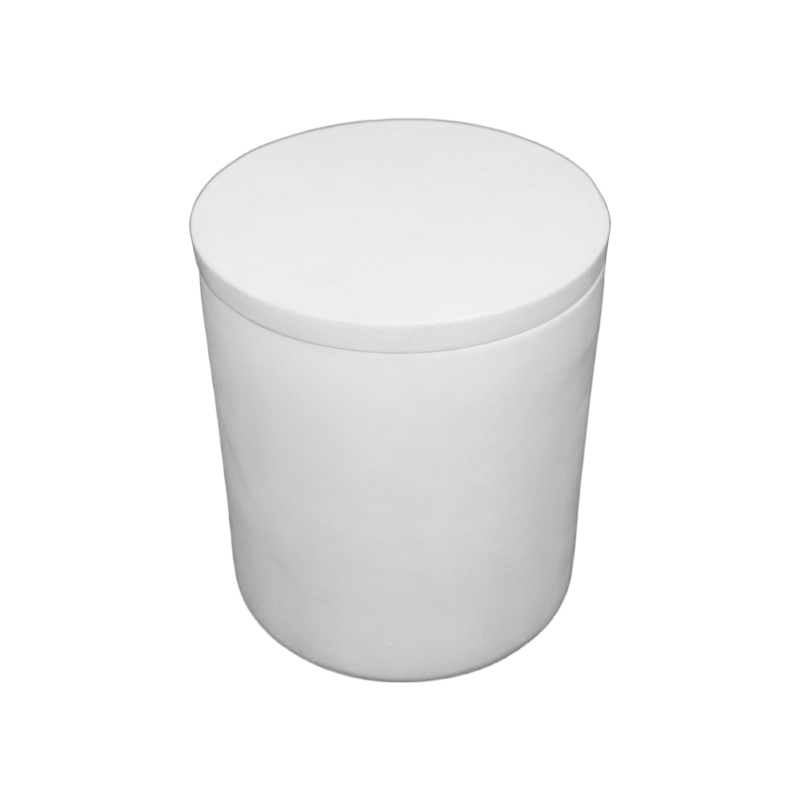
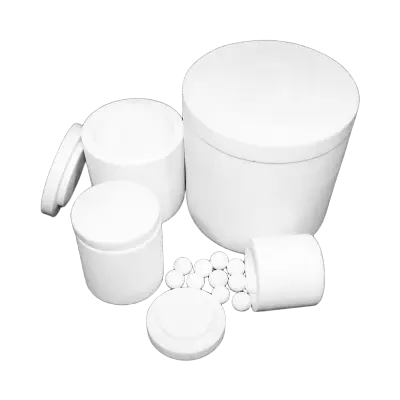
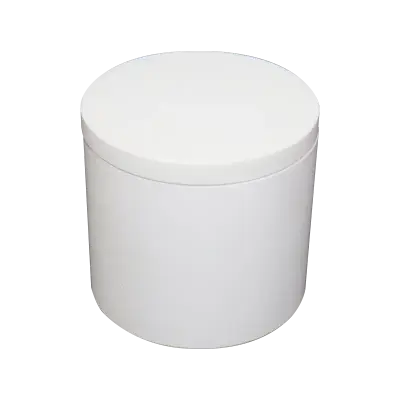
The A grade Corundum planetary Mill Jar is one example. It is made for planetary ball mills and uses corundum, which is an alumina-based ceramic. In plain terms, it is a hard, wear-resistant ceramic. It does not have the same rust risk as a steel jar. It can also be cleaned and reused, which matters when you are working with expensive or hazardous powders.
When you choose a glove box manufacturer, tell them what you plan to put inside. Do not just say you need a box. Say you need to mill powders, and you need a jar that fits through the antechamber. That single sentence can change the design.
Why a Corundum Jar Fits Inert Milling
Corundum is a ceramic material with a reputation for hardness and wear resistance. In a milling jar, that means the jar can take a beating without quickly wearing out. It also means the jar is less likely to contaminate the sample with metal. For work inside a glove box, contamination is a serious concern. You cannot easily open the box and clean everything. You want a jar that behaves predictably.
This corundum jar is designed for planetary ball mills. You can use it to grind, mix, and reduce particle size. Because it is ceramic, it does not rust in a humid environment. That is a bonus if your glove box atmosphere ever drifts or if you clean the jar outside the box. It also handles many chemicals that would attack a metal jar. Of course, no material is perfect for every sample. You should always check compatibility with your specific powder and solvent.
Another practical point is cleanliness. A ceramic jar can be cleaned with appropriate methods and dried before use. If you work with multiple samples, you can reduce cross-contamination by keeping dedicated jars or by cleaning thoroughly between runs. Inside a glove box, cleaning is harder because you cannot use a sink. A jar that is easy to handle and clean saves time.
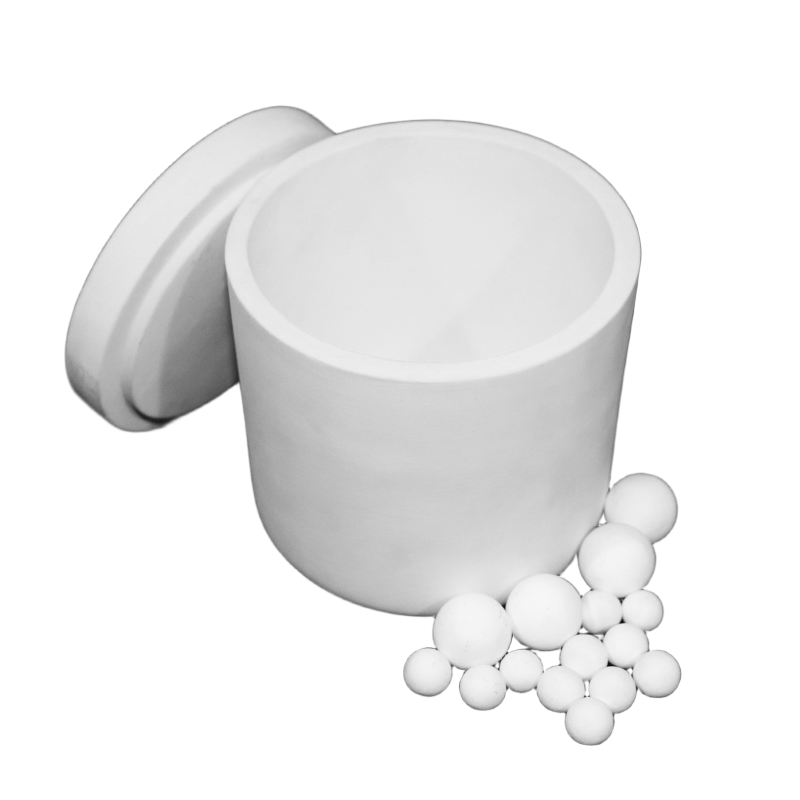
If you want to see the product details, you can visit the product page. Check the dimensions and available sizes before you finalize your glove box antechamber. It is much easier to size the box around the jar than to discover the jar does not fit after installation.
Matching a Milling Jar to Your Glove Box Manufacturer's Design
Antechamber Clearance
The antechamber is the bottleneck. Measure the jar, including any lid or clamp. Add a little extra room for your hands and for the tray you use to carry it. If the jar barely fits, you will struggle every time. A slightly larger antechamber may cost more up front, but it will save you daily frustration.
Weight and Glove Handling
A filled milling jar can be heavy. Inside a glove box, you cannot use your full grip the same way you do outside. The gloves reduce dexterity and strength. A jar that feels fine on a bench may feel risky inside the box. Look for a jar size that you can lift and place safely. If you need a large jar, plan a transfer system or a lifting aid.
Static and Powder Containment
Fine powders can become airborne. Inside a sealed box, that powder has nowhere to go. It can coat the window, contaminate the gloves, and drift into the purifier loop. A well-sealed jar helps, but you should also use good handling practices. Open jars slowly. Use a tray. Keep a clean-up tool inside the box. If static is a problem, ask the glove box manufacturer about grounding and ionizers.
Cleaning and Cross-Contamination
If you run different materials, cross-contamination is a real risk. A ceramic jar can be cleaned, but the cleaning method depends on the sample. You may need a dedicated jar for each material. You may also need a dedicated set of gloves or a separate box. Talk to your manufacturer about how to organize the workflow so clean and dirty items do not mix.
A Practical Checklist for Vetting Glove Box Manufacturers
When you contact glove box manufacturers, you will get brochures, quotes, and a lot of technical language. Use this checklist to keep the conversation focused.
- Atmosphere target: Ask what oxygen and moisture levels the box can hold under your expected workload, not just in a perfect test.
- Leak test data: Request the test method and a sample report. A manufacturer who tests every box is more trustworthy.
- Antechamber size: Give them the dimensions of your largest item, such as a planetary mill jar.
- Purifier capacity: Ask how often regeneration is needed and how long it takes.
- Glove options: Confirm glove material, thickness, size, and replacement cost.
- Ergonomics: Ask about window angle, port height, and stand adjustment.
- Controls: Check whether the system logs data and sends alarms.
- Service: Ask about response time, spare parts, and training.
- Installation: Confirm who handles setup, gas connections, and commissioning.
- Warranty: Read what is covered and what is not. Consumables are often excluded.
You can also ask for a reference from a customer who runs a similar process. A manufacturer with nothing to hide will connect you with someone. If they hesitate, that tells you something.
Common Mistakes When Choosing Glove Box Manufacturers
Focusing Only on Purchase Price
The cheapest box is rarely the cheapest solution. Gas consumption, purifier replacement, glove changes, and downtime add up. A box that leaks or drifts will cost you in failed experiments and lost time. Look at the total cost of ownership, not just the invoice.
Ignoring the Cost of Gas and Consumables
Inert gas is not free. If your box uses a lot of gas because of poor sealing or frequent purging, you will pay every month. Ask about gas consumption under normal use. Also ask about the cost of gloves, filters, and purifier material. These are the hidden line items that surprise new buyers.
Forgetting About Jar Compatibility
We have said it before, but it deserves repeating. The glove box and the milling jar are a system. If the jar does not fit, does not seal, or reacts with your sample, the box cannot save you. Include the jar in your planning from day one. The corundum jar we discussed is one option to evaluate for inert milling, especially when you want a ceramic jar that resists wear and rust.
Undersizing the Antechamber
An antechamber that is too small is a daily problem. It limits what you can bring in, slows down your work, and may force you to open the main chamber more often. Measure your largest jar, tool, or sample container and add margin. Future you will be grateful.
Skipping the Trial
Before you buy, ask for a demonstration or a trial run with your material. If that is not possible, ask for a video call where they show the box running. A trial reveals more than a spec sheet. You will see how the gloves feel, how the controls work, and how the antechamber operates.
Industries That Rely on Glove Box Manufacturers
Battery Research and Production
Lithium batteries are sensitive to moisture and oxygen. The materials inside can react, degrade, or become unsafe if exposed to air. Glove boxes are used for assembling cells, preparing electrolytes, and handling lithium metal. Milling is often part of the process because electrode materials need controlled particle size. A ceramic jar can be useful when metal contamination is a concern.
Pharmaceuticals and Fine Chemicals
Many active ingredients are sensitive to air, moisture, or light. Glove boxes provide a controlled environment for weighing, mixing, and packaging. Containment is also important when the powder is potent. Manufacturers who serve this industry need to understand cleanability and cross-contamination control. The same principles apply to milling: you want a jar that does not shed unwanted material.
Metal Powders and Additive Manufacturing
Metal powders used in 3D printing can oxidize. Titanium and aluminum powders are especially reactive. Glove boxes allow safe handling, sieving, and storage. Milling may be used to adjust particle size or blend powders. In this setting, a wear-resistant ceramic jar can reduce the risk of iron contamination, which is critical for alloy quality.
Advanced Ceramics and Corundum Milling
Ceramics are often milled to fine powders before sintering. Corundum jars are a natural fit because they are made of a ceramic material. If you are already working with alumina-based powders, a corundum jar may reduce the chance of introducing incompatible contamination. This kind of jar is built for that work, and it can be used inside a glove box when the atmosphere matters.
A Simple Inert Milling Workflow Inside a Glove Box
If you are new to inert milling, here is a straightforward workflow. Adjust it to your materials and your manufacturer's instructions.
- Plan the transfer: Check that the jar, lid, and balls fit in the antechamber. Gather everything you need before you start.
- Dry and clean: Make sure the jar and balls are clean and dry. Any moisture or residue will affect the atmosphere.
- Load the jar: Add the sample and milling balls according to your process. Do not overfill. Leave room for movement.
- Seal the jar: Close the lid tightly. Check that the seal is seated correctly.
- Transfer through the antechamber: Use the vacuum or purge cycle recommended by the glove box manufacturer. Wait for the cycle to finish.
- Place the jar in the mill: If the mill is inside the box, secure the jar according to the mill instructions. If the mill is outside, use a sealed transfer container.
- Run the mill: Start at a conservative speed and time. Watch for unusual noise or vibration.
- Recover the powder: Open the jar inside the box. Use a tray and a soft tool to avoid spreading powder. Clean the jar before the next run.
If your mill is outside the glove box, you need a sealed transfer method. Some manufacturers offer a transfer port that connects the box to the mill. Others use a sealed jar that can be moved without exposing the sample. The key is to avoid opening the jar to air at any step.
Maintenance Habits That Protect Your Glove Box and Jar
Daily Checks
Check the oxygen and moisture readings when you start work. Look at the gloves for tears or stiffness. Check the antechamber door seals. If something feels wrong, stop and investigate. A small leak caught early is a minor problem. A small leak ignored for a week is a major problem.
Weekly and Monthly Tasks
Follow the manufacturer's schedule for purifier regeneration, filter changes, and sensor calibration. Clean the window and the interior surfaces with approved materials. Do not use solvents that attack the gloves or the seals. Keep a log of readings and maintenance. The log helps you spot trends and proves your process is controlled.
Jar Cleaning
Clean the corundum jar after each use. Remove powder with a soft brush or a suitable cleaning method. Avoid harsh chemicals that could damage the ceramic or leave residue. Dry the jar completely before you put it back in the box. Moisture is the enemy of a good atmosphere.
How to Compare Quotes from Glove Box Manufacturers
Quotes can be hard to compare because manufacturers package different things. Use a table to line up the details. Here are the categories we recommend.
| What to Compare | Why It Matters | What to Ask |
|---|---|---|
| Atmosphere performance | Determines whether your sample survives | What oxygen and moisture levels are guaranteed under my workload? |
| Leak integrity | Affects gas consumption and stability | What is the leak rate, and how is it tested? |
| Antechamber size | Controls what you can bring inside | Will my largest jar fit easily? |
| Purifier capacity | Affects maintenance frequency | How often does regeneration run, and how long does it take? |
| Glove design | Affects comfort and safety | What sizes and materials are available? |
| Control system | Affects monitoring and traceability | Does it log data and send alarms? |
| Service plan | Affects uptime | What is the response time, and who provides local support? |
| Training | Affects safety and results | Is on-site or remote training included? |
| Warranty | Affects long-term cost | What parts and labor are covered? |
Once the table is filled, the decision often becomes clearer. The lowest price may not be the best value. The manufacturer who answers your questions clearly and provides data is usually the safer choice.
FAQ About Glove Box Manufacturers and Milling Jars
Are glove box manufacturers only for labs?
No. Glove boxes are used in production, quality control, and even repair work. Any process that needs a controlled atmosphere or containment can use one. The size and features change, but the principle is the same.
Can I use any planetary mill jar in a glove box?
Not always. The jar must fit through the antechamber, be safe to handle with gloves, and be compatible with your sample. Material matters too. A steel jar may rust or contaminate the sample. A ceramic jar like the corundum one we discussed is often a better fit for sensitive work.
What makes corundum a good jar material?
Corundum is a hard, wear-resistant ceramic. It does not rust like steel, and it can handle many chemicals. For milling, that means less wear and less risk of metal contamination. It is not unbreakable, so you should still handle it with care.
How many glove ports do I need?
One pair is enough for many tasks. Two pairs allow two people to work together or give you more flexibility. Think about your workflow. If you often need to hold a jar with one hand and a tool with the other, two pairs can be useful. If you work alone, one pair may be enough.
How do I clean a corundum jar?
Follow the instructions that come with the jar. In general, remove loose powder, use a soft brush, and clean with a method that does not damage the ceramic. Avoid harsh acids or abrasives unless the manufacturer says they are safe. Dry the jar completely before returning it to the glove box.
Your Next Step: Match the Box to the Jar
Choosing among glove box manufacturers is a big decision. You are buying an environment, a service relationship, and a tool that will shape your daily work. Do not rush it. Define your atmosphere target, measure your largest items, and ask for data. Then look at the jar. A wear-resistant ceramic jar is a practical option when you need planetary milling inside a controlled atmosphere.
If you start with the sample and work outward, the right combination becomes easier to see. The glove box protects the atmosphere. The jar protects the sample. Together, they let you do the work you set out to do. And that is what you were searching for when you typed glove box manufacturers in the first place.
Related Products
Get In Touch
Our professional team will reply to you within one business day. Please feel free to contact us!