
Agate Grinder with Three Working Stations: A Must-Have for Laboratory Sample Preparation

What is an Agate Grinder with Three Working Stations?
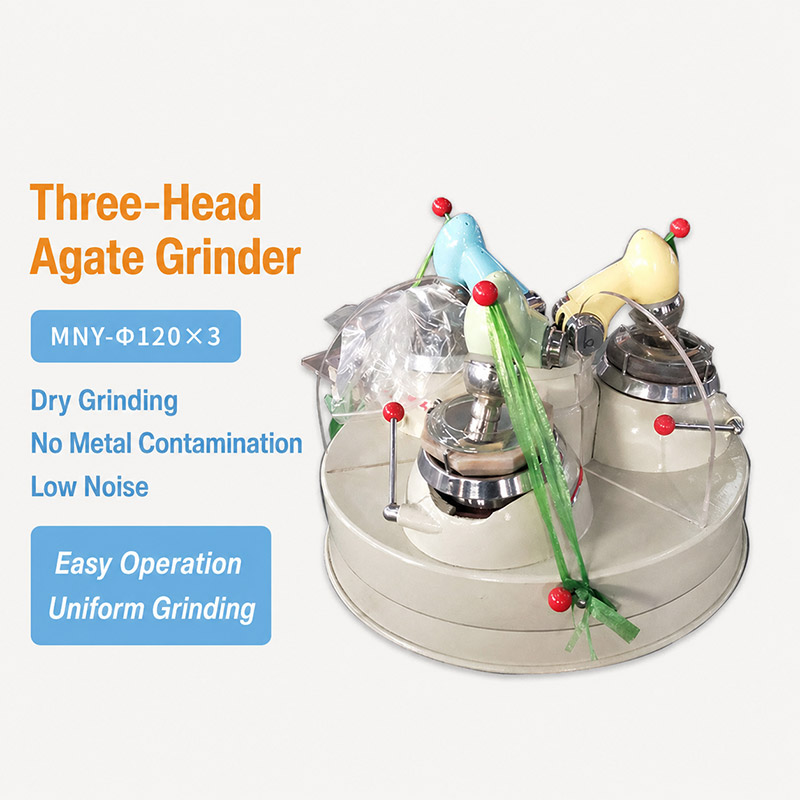
If you've ever spent hours manually grinding samples with a mortar and pestle, you know how tedious and inconsistent it can be. The agate grinder with three working stations is a game-changer for any lab that needs to process multiple samples quickly, uniformly, and without cross-contamination. This machine, offered by TENCAN (Changsha Tencan Powder Technology Co., Ltd.), combines the purity of natural agate with automated precision, letting you grind up to three samples simultaneously.
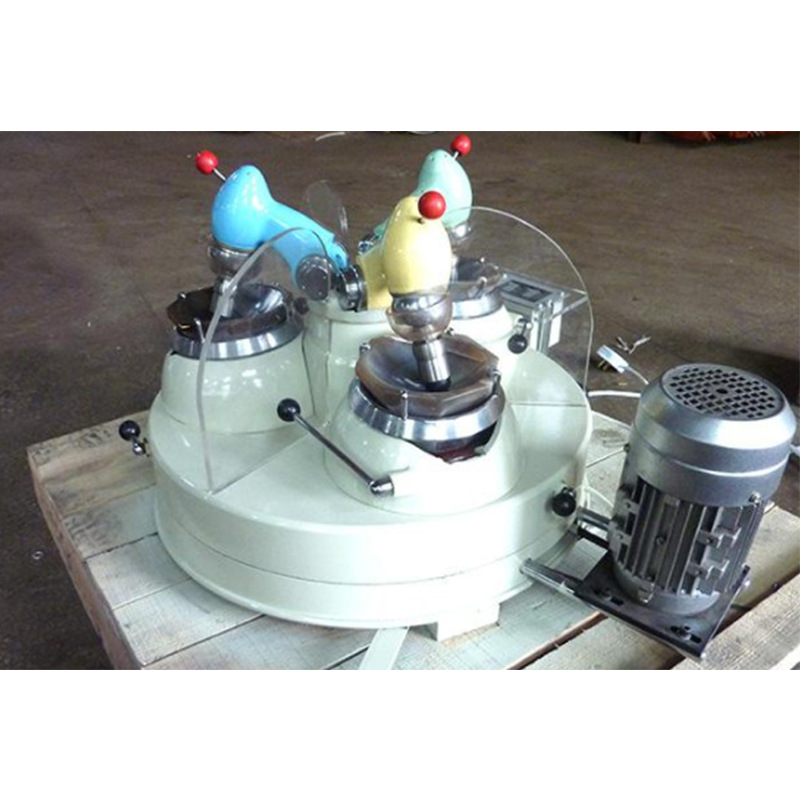
Think of it as a motorized, multi-head mortar and pestle system. Each station holds an agate mortar and pestle set, driven by a robust motor that mimics the circular grinding motion you'd do by hand — but with far greater force and consistency. The result? Fine, homogeneous powders in minutes, not hours.
Why Choose Agate for Grinding?
Agate — a natural variety of microcrystalline quartz — is prized for its extreme hardness (Mohs 6.5-7) and chemical inertness. When you grind samples with agate mortars, you avoid introducing metallic contaminants that could skew your analytical results. This is especially critical for trace element analysis, XRF, ICP, and other sensitive techniques. The smooth, non-porous surface of agate also makes cleaning easy, preventing carryover between samples.
Working Principle: How Does the Three-Station Grinder Work?
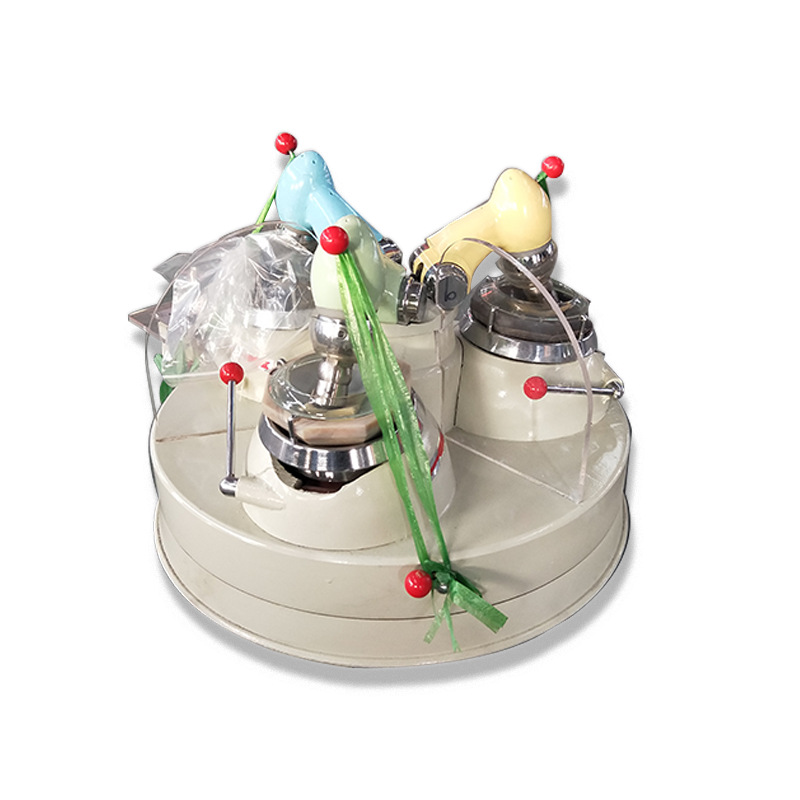
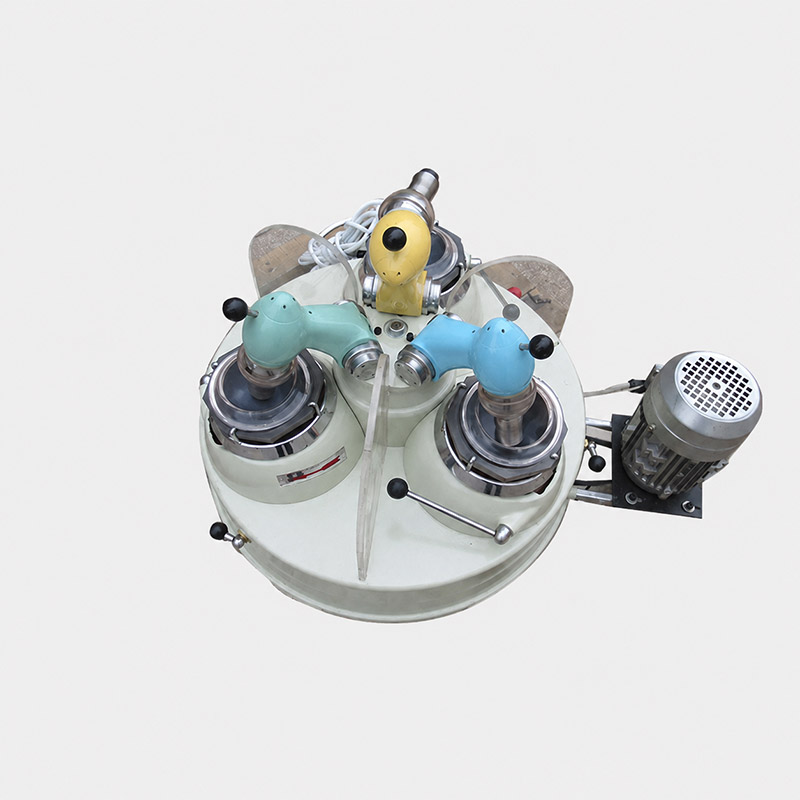
The machine operates on a simple yet effective mechanism. Three independent grinding stations are mounted on a common drive platform. Each station consists of an agate mortar fixed in place and an agate pestle that rotates and oscillates within the mortar. The pestle's motion combines rotation and gentle pressing, creating a shearing and crushing action that breaks down particles.
Key features of the motion:
- Rotation: The pestle rotates at a controlled speed, typically between 50-200 rpm, depending on the model.
- Oscillation: The pestle also moves in a small circular or planetary path, ensuring all material in the mortar is ground uniformly.
- Pressure adjustment: Some models allow you to adjust the pestle's downward pressure, accommodating different sample hardnesses.
This combination of motions ensures that even tough, fibrous, or brittle materials are reduced to a fine powder efficiently. The three stations operate simultaneously but independently, so you can process three different samples or three replicates of the same material at the same time.
Key Applications
The three-station agate grinder is a versatile tool used across many scientific and industrial domains:
Geology & Mining
Grinding rock, mineral, ore, and soil samples for elemental analysis, mineralogy, and geochemical studies. The agate ensures no contamination from iron or other metals, which is vital for accurate trace element data.
Environmental Analysis
Preparing soil, sediment, and plant material for heavy metal testing, pesticide residue analysis, and other environmental monitoring.
Pharmaceuticals & Traditional Medicine
Grinding herbal medicines, active pharmaceutical ingredients, and excipients into fine powders for formulation or quality control. The high purity of agate prevents unwanted chemical reactions.
Ceramics & Materials Science
Mixing and grinding ceramic powders, pigments, glazes, and advanced materials like catalysts or battery precursors.
Food & Agriculture
Processing grains, spices, seeds, and other agricultural products for nutritional analysis or quality testing.
Key Specifications (Typical TENCAN Model)
While exact specifications may vary by model, here are representative parameters for a three-station agate grinder from TENCAN:
| Parameter | Value |
|---|---|
| Number of working stations | 3 |
| Mortar material | Natural agate |
| Pestle material | Natural agate |
| Mortar capacity (per station) | 100 – 500 ml (typical) |
| Feed particle size | ≤ 3 mm |
| Final fineness | ≤ 1 µm (dependent on material) |
| Pestle rotation speed | 50 – 200 rpm (adjustable) |
| Motor power | 0.25 – 0.75 kW |
| Noise level | < 65 dB (A) |
| Weight | Approx. 50 kg |
Always check the specific product page for the exact model you need. TENCAN offers customization options for mortar size, speed range, and even additional safety features like emergency stop.
Advantages Over Traditional Methods
Time Efficiency
Manual grinding takes 20-30 minutes per sample. With three stations, you can process three samples in parallel, cutting total time by up to 66%. For busy labs, this translates to higher throughput.
Consistency
Automated grinding ensures every sample receives the same motion and pressure, eliminating operator variability. This is crucial for reproducible results in quality control and research.
Contamination Control
Agate is chemically inert and non-metallic. Unlike steel or ceramic mortars, agate won't introduce trace metal contaminants. For ultra-trace analysis, this is a non-negotiable benefit.
Ease of Use
Simply place your sample in the agate mortar, set the timer and speed, and let the machine do the work. No need for constant supervision. Cleaning is straightforward — just wipe the agate surfaces with a brush or cloth.
How to Choose the Right Agate Grinder
When selecting a three-station agate grinder for your lab, consider these factors:
- Sample volume: How much material do you typically grind per batch? Larger mortars (up to 500 ml) are available for bulk samples.
- Hardness of materials: For very hard materials (e.g., quartz, corundum), ensure the machine has adequate torque and a robust motor.
- Speed control: Variable speed is essential for optimizing different materials — softer materials need lower speeds, harder ones may require higher speeds.
- Noise level: If your lab is quiet, look for models with sound-dampening features.
- Safety features: Emergency stop button, protective cover, and overload protection are important.
TENCAN's agate grinder with three working stations is designed with these considerations in mind. You can explore the full details on the product page.
Comparison with Other Laboratory Grinders
You might be wondering: why not use a planetary ball mill or a laboratory rod grinder? The answer depends on your application. Planetary ball mills are excellent for nano-grinding and mechanical alloying, but they often require longer grinding times and can generate more heat. The agate grinder, with its gentle but effective grinding action, is ideal for materials that are sensitive to heat or contamination, such as pharmaceuticals, soils, and food products. It's also simpler to clean and operate, making it a favorite for routine sample preparation.
For wet grinding or dispersion tasks, you might consider a colloid mill or a basket mill. But for dry, fine grinding with minimal contamination, the three-station agate grinder is hard to beat.
Maintenance Tips
To keep your agate grinder performing at its best:
- After each use, remove the mortar and pestle and clean them with a soft brush and distilled water. Avoid harsh detergents.
- Dry thoroughly before storing.
- Periodically check the drive belt and motor for wear.
- Lubricate moving parts as recommended in the manual.
- Inspect the agate surfaces for cracks or chips — if damaged, replace the set to avoid contamination.
Why TENCAN?
Changsha Tencan Powder Technology Co., Ltd. (TENCAN) has been a trusted name in powder processing equipment for years. Their agate grinders are manufactured with precision, using high-purity natural agate sourced from reliable deposits. Each machine undergoes rigorous testing to ensure stable performance and long service life. With responsive customer support and a global shipping network, TENCAN makes it easy to get the right equipment for your lab.
Whether you're in a university research lab, a mining company's quality control department, or a pharmaceutical R&D center, the agate grinder with three working stations can streamline your sample preparation workflow. Give it a try — your hands (and your data) will thank you.
Related Products
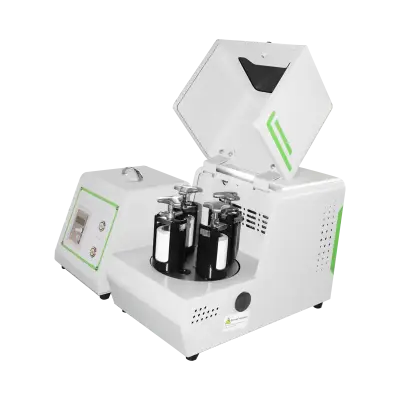
Micro Planetary Ball Mill
Micro planetary ball mill for mixing, fine grinding, and sample preparation. Compact, efficient, low noise. Ideal for research labs & universities. Supports vacuum grinding with dedicated jars.
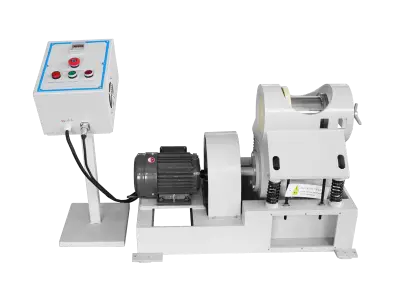
lab vibration ball mill
Lab vibration ball mill is a high-efficiency grinding equipment available in single, double, and three-cylinder configurations. Ideal for fine powder preparation in research and lab settings.
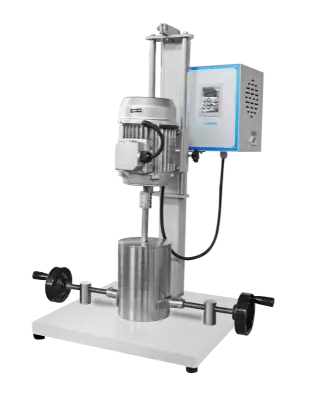
lab stirred ball mill
Lab stirred ball mill for ultra-fine grinding of ceramics, chemicals, paints, and minerals. Ideal for R&D and small batch production.
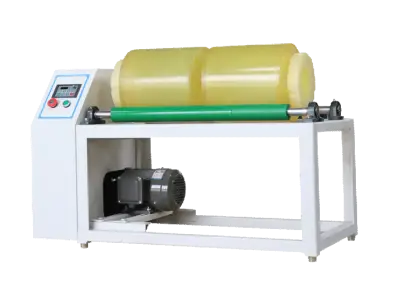
Two working station jar mill
Two working station jar mill, also known as rolling jar mill. Ideal for ultra-fine grinding and mixing in lab, research, and small-scale production. Compact, efficient, uniform particle size.
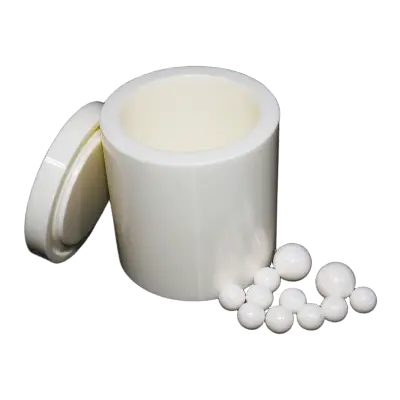
zirconia planetary mill jar
High-purity zirconia planetary mill jar for ultrafine grinding. Zero metal contamination, excellent wear & corrosion resistance. Ideal for battery materials, ceramics, and R&D labs.
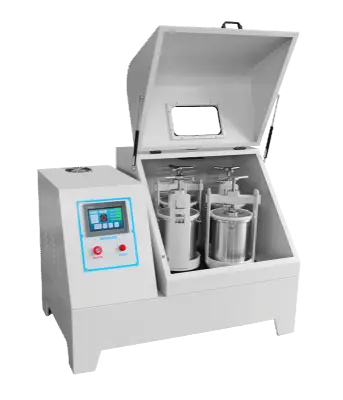
Micro-computerized Touch Screen Planetary Ball Mill
Touch-screen controlled planetary ball mill for laboratory use. Offers advanced operation, precise milling of hard and brittle samples. Upgraded from conventional models for superior quality and control.
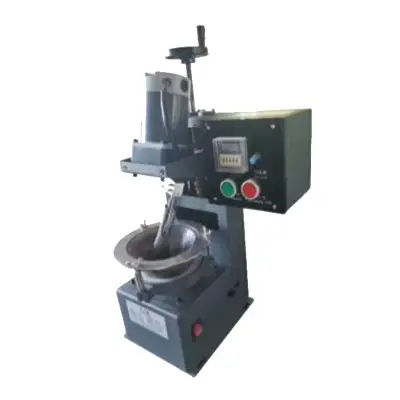
Agate grinder
Ideal lab equipment for grinding small samples. Agate mortar ensures contamination-free fine powder. Widely used in research labs.
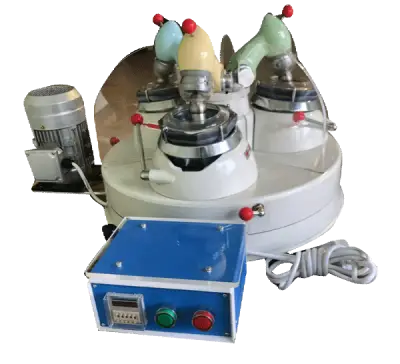
agate grinder with three working stations
Metal-free dry grinding for analytical samples. Delivers ultra-fine, uniform results with quiet, easy operation. Ideal for labs.
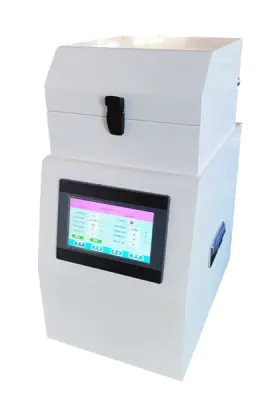
Multi channel tissue grinder
Multi-channel tissue grinder for fast, high-throughput DNA/RNA/protein extraction from soil, plants, animal tissues, bacteria, yeast, fungi, and more.
Get In Touch
Our professional team will reply to you within one business day. Please feel free to contact us!