
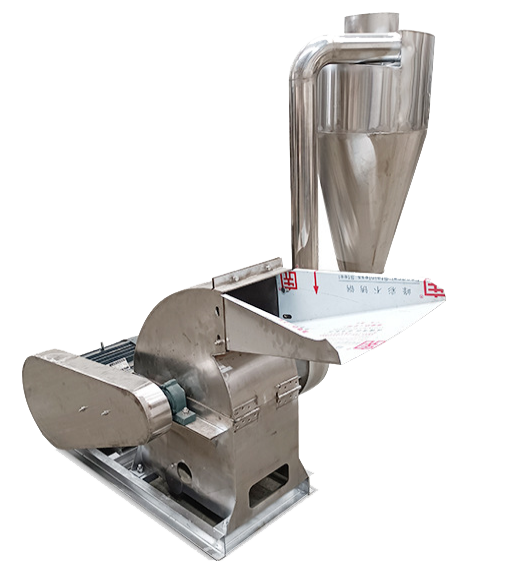
Paddle Mill Guide: How It Works, What It Grinds, and How to Choose the Right One

Paddle mills look almost too simple to be interesting. A shaft turns. A set of paddles sweeps through a chamber. Material goes in one end and comes out the other. Yet that simple description hides the part that matters: the paddle mill is a study in controlled impacts, shear, and residence time. Get those three things right, and you have a compact workhorse for breaking, disaggregating, mixing, and blending powders. Get them wrong, and you have a machine that heats material, makes dust, or turns a narrow particle-size band into a messy spread.
We are going to walk through the paddle mill the way a powder processor actually meets it: what it does, where it fits, how to choose one, and how to run it without creating fresh problems. You do not need a textbook to follow along. You do need to know your feed, your target, and the limits of any single machine.
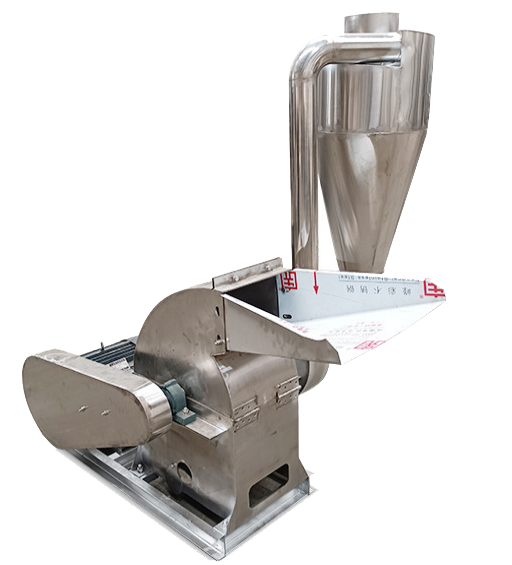
What a paddle mill actually does
At its core, a paddle mill uses a rotating shaft fitted with paddles, blades, or bars inside a working chamber. The paddles hit the feed, throw it against the chamber wall or liners, and keep it moving long enough for repeated impacts and shear. In some designs, the same action also blends powders or breaks soft agglomerates. In others, the paddle assembly is optimized for size reduction or deagglomeration. The name "paddle mill" is broad, and different builders use it for machines that look similar but behave differently.
The useful way to think about it is a chain of events. Feed enters. The rotor catches it. Particles hit paddles, hit the wall, and hit each other. The smaller pieces move through the chamber toward the discharge. The larger pieces stay longer because they are heavier, or because the internal geometry keeps them in the active zone. That balance between impact, shear, and residence time is what you are really buying.
A paddle mill is not a magic particle-size reducer. It does not turn any feed into any target. It works best when the material is brittle or friable enough to break under impact, and when the target size is within the machine's realistic range. For very fine, sub-micron work, you would usually look at other milling technologies. For coarse to medium size reduction, deagglomeration, and mixing, a paddle mill can be a tidy fit.
A quick tour inside the working chamber
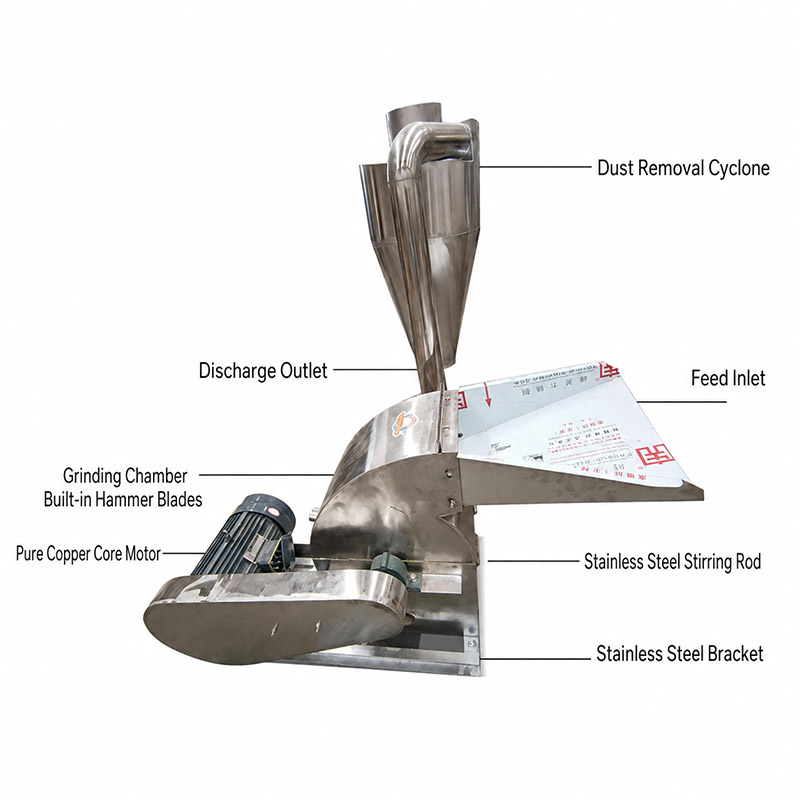
The chamber is where the real story happens. The housing holds the rotor, the paddles, the liners, and the discharge arrangement. The feed inlet is positioned so material enters the active zone rather than sitting in a dead corner. The discharge can be open, screen-controlled, or designed around a controlled gap. The exact layout changes how long material stays inside and how hard it gets hit.
Feed and break zone
In the break zone, the rotor speed and paddle shape decide the first hit. Fast, narrow paddles give sharp impacts. Wider paddles or bars can give more sweeping, shear-heavy action. The clearance between the paddle tips and the chamber wall matters too. A tight clearance increases the chance that material is caught and sheared. A larger clearance gives more room for a circulating bed, which can be gentler but less aggressive.
That is why two machines with the same chamber volume can behave very differently. You cannot judge a paddle mill by the motor size alone. Rotor geometry, tip speed, liner profile, feed position, and discharge design all shape the result.
Discharge and airflow
Discharge is the quiet control point. If the mill holds material too long, you get over-grinding, heat, and a wider particle-size spread. If it lets material out too quickly, you get incomplete breakage and a coarse tail. Airflow can help carry fine particles out, but it can also pull dust into places you do not want it. A well-designed system balances the two.
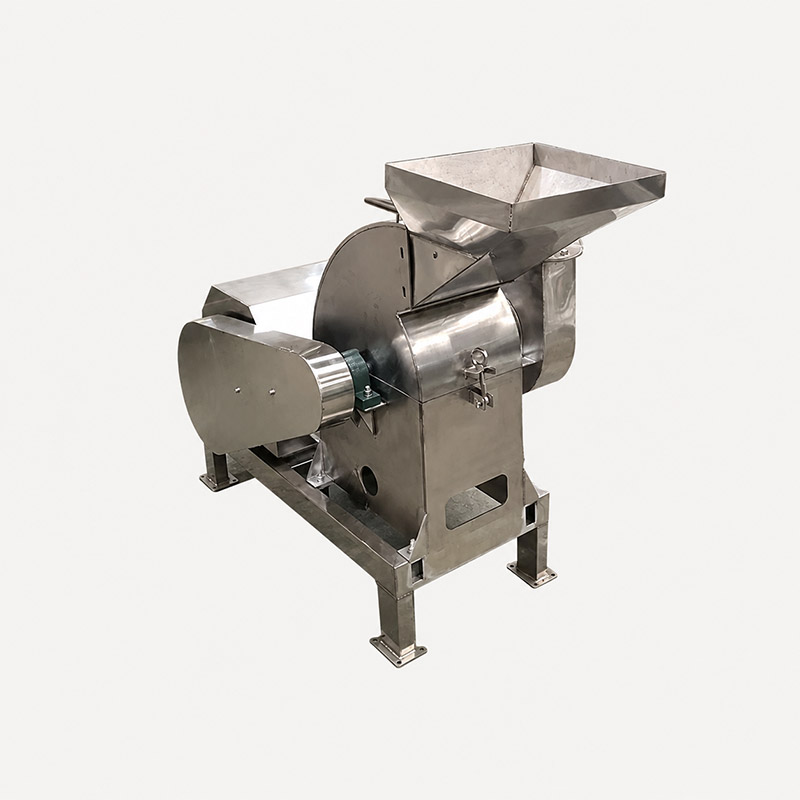
Where a paddle mill earns its keep
You will see paddle mills in laboratories, pilot plants, and production lines because the same basic action can serve several jobs. The most common ones are straightforward:
- Coarse and medium size reduction of brittle minerals, chemicals, ceramics, and similar feeds.
- Deagglomeration of lumps that formed during drying, storage, or transport.
- Mixing and blending where a gentle to moderate mechanical action is enough.
- Pre-treatment before finer milling, pelletizing, tableting, or feeding a reactor.
- Small-scale testing where you need a fast read on breakability, dust, or throughput.
In a production line, the paddle mill often sits between a coarse crusher and a finer mill. Its job is not to make the final powder. Its job is to bring the feed into a consistent range so the next step can do its work without fighting lumps, surges, or oversized pieces. That makes it a useful "make the feed predictable" machine.
It also suits operations where space is tight. Compared with a long grinding circuit, a paddle mill can be compact. The trade-off is that compactness comes with a narrower window. You need to match the feed and the target more carefully, and you need to respect the machine's limits.
What it handles well, and where it struggles
Paddle mills tend to be happy with brittle, friable materials that break under impact. Think of hard salts, some minerals, ceramic raw materials, and dry chemical granules. They also do useful work on soft agglomerates that need to be opened up rather than ground into dust. If the material crumbles when you press it between your fingers, that is a good early sign.
They are less happy with sticky, gummy, or heat-sensitive feeds. A paddle mill adds energy, and that energy has to go somewhere. Some of it breaks particles. Some of it heats the material and the air. Some of it makes noise. If your feed softens with heat, coats the paddles, or turns into a smeared layer on the liner, the machine will lose efficiency quickly. You may need a different rotor, a cooled design, or a different process altogether.
Abrasive feeds deserve respect too. Paddle tips, liners, and discharge parts wear. Wear changes clearances, and changed clearances change the product. Abrasive material is not automatically a deal-breaker, but it should push you toward replaceable wear parts and a maintenance plan. Do not wait for the product to drift before you inspect the internals.
Moisture is another practical limit. A little moisture can help control dust. Too much can cause sticking, caking, and blocked discharge. The right moisture window depends on the material and the machine, so a small test beats a long argument. If the feed is damp, dry it first or choose a configuration that can handle it.
Paddle mill, pin mill, hammer mill: why the name is not the whole story
Powder equipment names are not perfectly standardized. A machine sold as a paddle mill may use flat paddles, angled blades, bars, or a rotor that looks closer to a pin mill. A hammer mill uses swinging or fixed hammers. A pin mill uses pins on a rotor and a stator. The labels help you start a conversation, but they do not tell you the whole story. The working principle, the tip speed, the clearance, and the discharge are what actually shape the product.
When you compare quotes, compare the action. Ask for a drawing of the rotor, the paddle profile, the liner, and the discharge. Ask how the machine controls residence time and how it prevents over-grinding. A lower price on a machine with the wrong action is not a saving; it is a longer commissioning period. The right question is not "Which name is best?" It is "Which configuration gives me the particle-size curve I need at the throughput I can sustain?"
How to choose the right paddle mill
Start with the material, not the brochure. You need to know the feed size, the target size, the bulk density, the moisture level, the hardness, the abrasiveness, the stickiness, and the heat sensitivity. Those seven facts will eliminate more bad options than any sales presentation. If you do not know them yet, that is fine. A lab test can fill the gaps.
Then define the job in plain language. Are you trying to crush, deagglomerate, mix, or simply make the feed consistent? A machine set up for impact breakage is not automatically the best mixer, and a gentle blender is not a great crusher. The paddle mill family is broad, so the process goal should drive the configuration.
Use this checklist when you compare options:
- Feed size and target size: Can the machine accept your largest lumps and still reach the size the next step needs?
- Throughput: Do you need a steady production rate, or a batch size that fits a lab or pilot line?
- Rotor and paddle geometry: Is the action impact-heavy, shear-heavy, or balanced?
- Discharge control: Is it open, screened, or gap-controlled, and how does that affect residence time?
- Materials of construction: Are the product-contact parts compatible with your feed and cleaning routine?
- Wear parts: Can you replace tips, liners, and screens without a major teardown?
- Dust control: Are the inlet, outlet, and vents designed for the dust load you expect?
- Cleaning and changeover: Can you open the chamber, inspect it, and clean it without losing a shift?
Be careful with "maximum" numbers. A headline capacity is rarely the capacity you will see with your material. A machine may be rated for a certain feed size, but your material's shape and hardness can change what it accepts in practice. The same goes for fineness. A single number on a page cannot capture the full particle-size distribution. Ask for a test result, not just a range.
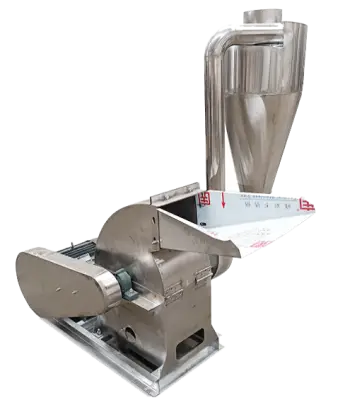
For current build details, the paddle mill product page is the right place to start. Use it to confirm the available configuration, then match that configuration to your test results rather than the other way around.
Running a paddle mill without creating new problems
Once the machine is installed, the daily job is to keep the process stable. Feed rate is the first lever. Starve the mill and you lose the particle-on-particle action that helps breakage. Flood it and you get a choked chamber, high load, and heat. The sweet spot is usually a steady feed that keeps the chamber active without burying the rotor.
Rotor speed is the second lever. More speed means more impact energy, but it also means more heat, more wear, and more fines. If your target is a narrow distribution, do not assume faster is better. Run a small design-of-experiments trial if you can. Change one thing at a time: feed rate, rotor speed, discharge setting, or airflow. A simple trial will tell you more than a month of guesswork.
Dust control deserves attention from day one. Paddle mills can generate fine dust even when the main product is coarse. Seal the system, use the right vents and filters, and check for leaks around the discharge. If dust is escaping, you are losing product and exposing operators. Fix it before it becomes normal.
Listen to the machine. A clean, steady note usually means the load is stable. A labored note, a sudden rattle, or a change in the discharge can point to a worn paddle, a foreign object, or a partial blockage. Do not wait for a shutdown to investigate. Small sounds become expensive repairs.
Maintenance, safety, and the small habits that matter
Paddle mills are mechanically simple, which is good, but simple machines still have wear points. Inspect paddle tips, liners, screens, seals, and bearings on a schedule that matches your duty. Abrasive feeds may need weekly checks. Gentle feeds may need monthly checks. The schedule should come from your experience, not from a generic calendar.
Lockout/tagout is non-negotiable. The rotor has stored energy, and a chamber can hold material after the drive stops. Isolate the power, wait for the rotor to stop, and follow your site's procedure before you open anything. Never reach into a chamber to clear a blockage while the machine is connected to power. That sounds obvious until a production line is under pressure.
Cleaning is part of quality. Leftover material from the last batch can contaminate the next one, especially in a lab or a multi-product plant. If changeover matters, choose a design that opens easily and has smooth internal surfaces. If you cannot clean it quickly, you will not clean it often.
Keep a simple log: feed lot, moisture, feed rate, rotor speed, discharge setting, product size, and any unusual noise or heat. After a few weeks, that log becomes a troubleshooting guide and a training tool. It also helps you spot drift before a customer does.
Questions worth asking before you buy
Can I test my material first? Yes, you should. A small test can reveal sticking, excessive fines, or wear issues that no specification sheet will show. Ask for a test that uses a representative sample, not a perfect lab sample.
What is the real target size? If you need a very narrow distribution at a very fine size, a paddle mill may not be the best final step. It can still be a useful pre-mill, but be honest about the job.
How often will I replace wear parts? The answer depends on abrasiveness and duty. Ask which parts are designed as wear items and how long they typically last in a comparable application.
How do I control dust and heat? These are system questions, not just machine questions. Inlet design, airflow, discharge, and enclosure all matter. A machine that works well on the bench can behave differently in a production room.
Can I see the current configuration? Start with the paddle mill product page and confirm the build details that matter to your process. Then ask for the test data behind those details.
The bottom line
A paddle mill is a compact, practical tool for breaking, deagglomerating, mixing, and preparing powders. It rewards you when you match the feed, the rotor action, the residence time, and the discharge to the job. It punishes you when you treat a headline capacity as a promise or skip the small test that would have shown the sticking point.
If you are early in the process, start with a representative sample and a clear target. If you are already running a paddle mill, watch the feed rate, listen to the machine, and keep the internals clean and within tolerance. The machine is simple. The process around it is where the real work lives.
Related Products
Get In Touch
Our professional team will reply to you within one business day. Please feel free to contact us!