
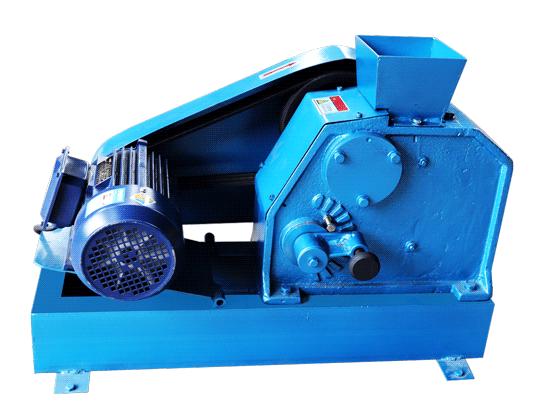
Jaw Crusher for Reliable Primary Crushing: A Practical Buyer's Guide from TENCAN

A jaw crusher is one of those machines that looks simple until you have to choose one. At first glance, it is just two heavy plates opening and closing. In a powder process, however, that simple action decides how smoothly everything downstream runs. If you are preparing lumps for milling, checking a new material, or building a small crushing line, the jaw crusher is often the first real size-reduction step. This guide is for people who need to understand the machine without wading through a catalogue. We will look at what it does, where it fits, what to check before buying, and how to use one without turning your sample prep into a pile of fines.
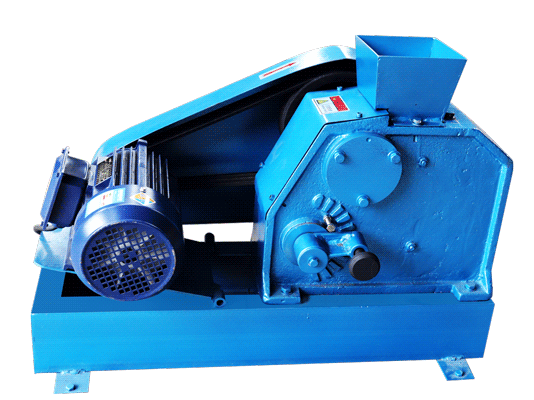
What a jaw crusher actually does
At its heart, a jaw crusher is a mechanical nutcracker. A fixed jaw sits on one side of the crushing chamber. A moving jaw swings toward it and away from it, driven by an eccentric shaft and usually a toggle plate. Material falls into the feed opening, gets caught between the two jaws, and breaks when the moving jaw pushes forward. The broken pieces drop lower, get caught again, and eventually exit through the gap at the bottom. That gap is usually called the closed side setting, or CSS. It is the main control on product size, and it is the number you should ask about before you compare any two machines.
Two terms come up constantly. The feed opening is the mouth of the machine, measured across the top. The closed side setting is the narrowest gap when the jaw is closed. A large feed opening lets you start with bigger lumps. A small CSS gives you a finer discharge, but it also reduces capacity and increases wear. The exact relationship depends on the material, the jaw profile, and the machine, so treat any single number as a starting point, not a promise.
Jaw crushers are not fine grinders. They are primary crushers. Their job is to turn big lumps into small lumps that a mill, splitter, or conveyor can handle. If you need powder, the jaw crusher prepares the feed; it does not make the final product. That sounds obvious, but it is the source of many bad purchases. People buy a jaw crusher expecting ball-mill fineness, then wonder why the discharge is still gravel. A jaw crusher is doing its job when it gives you a consistent, manageable feed for the next stage.
The simple mechanics behind the name
The moving jaw does not rotate. It oscillates. A flywheel keeps energy moving through the cycle, and the toggle plate acts as a safety link as well as a mechanical lever. If something unbreakable enters the chamber, the toggle may fail before the frame does. That is one reason we look at the whole assembly, not just the opening size. A crusher that is easy to inspect and safe to clear is worth more than a slightly cheaper box that traps every jam.
Where it fits in a sample-prep line
In a laboratory, the usual line is jaw crusher, sample splitter, and mill. The jaw crusher reduces the lump; the splitter makes a representative subsample; the mill brings it down to analytical fineness. In a small plant, the same logic applies at a larger scale. Primary crushing feeds secondary crushing or milling. If the material is already pea-sized, you may not need a jaw crusher at all. If it arrives as fist-sized rock, you almost certainly do.
Why primary crushing matters more than it looks
Primary crushing is not a glamorous step, but it protects everything after it. A mill that receives oversized feed works harder, wears faster, and produces a less predictable result. A splitter that receives a wide spread of lump sizes may not produce a representative sample. A conveyor that receives slabs and fines together may segregate. Good primary crushing narrows the size range and makes the rest of the process easier to control.
Think of it as setting the table. If the feed is too coarse, the next machine has to do two jobs: break the big pieces and grind the small ones. If the feed is too fine, you may create dust, lose sample representativeness, or overload the next stage with material that is already small. The sweet spot is a discharge that is fine enough for the next step but not so fine that you have made powder before you meant to.
Representative sampling starts here, too. A crusher that throws material, retains half a sample in the chamber, or heats the sample can bias your result. You want a machine that passes material through cleanly and can be cleaned between samples. That is a practical point, not a laboratory nicety. If you cannot clean it, you will eventually stop cleaning it, and your results will drift.
A practical walk through jaw crusher selection
Selection begins with the material, not the machine. Write down what you are crushing, how big the largest lumps are, how hard they are, how abrasive they are, how much you need per hour, and what discharge size you need. Then add the working conditions: batch or continuous, occasional use or all-day use, indoor or outdoor, and how much floor space you have. Those answers will eliminate more options than any brochure.
Feed size and feed opening
The largest lump should fit comfortably in the feed opening. Do not size the crusher so that your normal feed is the absolute maximum it can take. A machine running at its limit is less forgiving of variation, and an occasional oversized lump can cause a jam. Ask for the recommended feed size, not just the opening dimension. Also ask how the machine behaves with flaky or elongated rock. A flat slab can bridge in the chamber even when its longest dimension looks acceptable.
Target product size and gap setting
Decide what the next step needs. If the mill wants feed no larger than a few millimetres, a jaw crusher alone may not get you there. If the next stage can accept 10 mm to 20 mm, a jaw crusher may be the right first step. Check how the gap is adjusted and how repeatable the setting is. A gap that is hard to set precisely will drift in daily use, especially if operators are in a hurry. The product curve also matters: a jaw crusher makes a range of sizes, not one exact size.
Throughput and duty cycle
Rated throughput is usually a best-case number under specific conditions. Real capacity changes with feed size, bulk density, hardness, moisture, and the gap you choose. A machine that is rated for a certain tonnage per hour may be perfectly adequate for batch work and marginal for continuous work. Ask whether the rating is for continuous duty or intermittent use, and check the drive and bearings for the duty you have in mind. If your process runs all day, do not buy a machine that is designed for occasional samples.
Material hardness and abrasion
Hardness tells you how difficult the material is to break. Abrasion tells you how fast the wear parts will disappear. A hard but non-abrasive material and a soft but very abrasive material can demand different choices. Check the jaw plate material and profile, the cost of replacement, and how easy the plates are to change. Also think about moisture and stickiness. A wet, clay-rich feed can pack in the chamber and reduce throughput even if the machine has enough power.
Reading the machine beyond the numbers
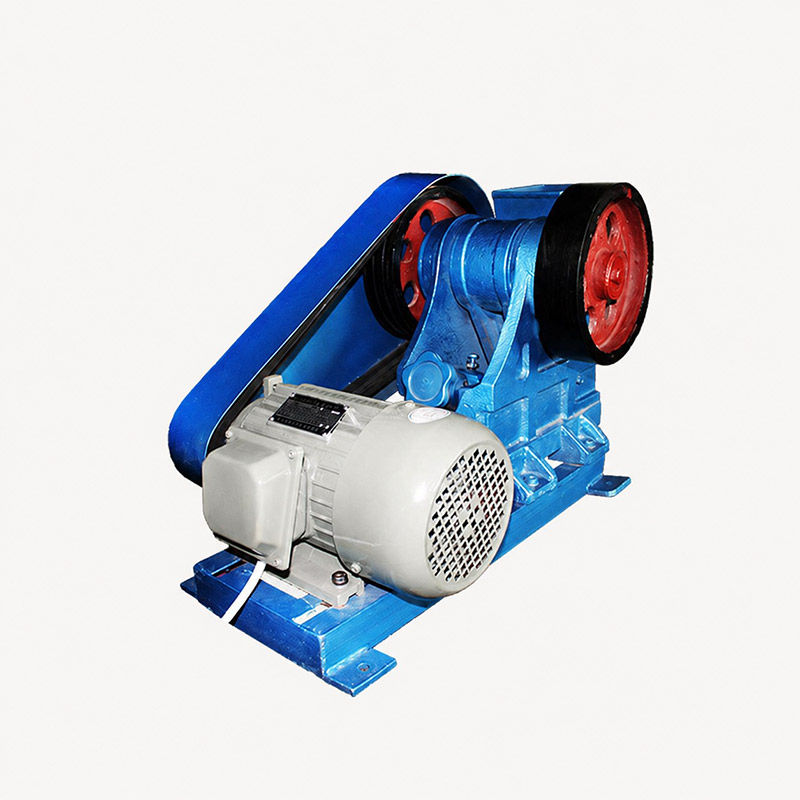
Two crushers can have the same opening and the same motor rating and still feel very different in daily use. The difference is in the details: how the jaws are supported, how the gap is adjusted, how the drive is guarded, how the chamber is cleaned, and how much thought has gone into safe operation.
Jaw plates and wear life
Jaw plates are consumables. Their profile affects how material is gripped, how much slippage occurs, and how the discharge looks. A plate that is cheap to buy but wears quickly is not cheap. Ask how many sides can be used, how the plates are retained, and whether a different profile is available for your material. A few minutes spent on plate selection can save hours of downtime.
Drive, guarding, and adjustment
Look for a drive that is properly guarded and an adjustment system that does not require improvisation. The machine should be easy to lock out before you reach into the chamber. Belts should be tensioned without removing half the guard. The gap adjustment should be visible and repeatable. These are not luxury features. They are the difference between a machine that gets maintained and one that gets ignored.
Dust, noise, and cleaning
Crushing is dusty and noisy. If the machine sits in a laboratory, plan for dust extraction or enclosure, and check that the crushing chamber can be cleaned without dismantling the whole unit. If it sits in a plant, think about access for inspection and housekeeping. A crusher that is difficult to clean will contaminate samples. A crusher that is difficult to inspect will surprise you with worn plates at the worst possible time.
Using a jaw crusher in the lab without creating extra work
A laboratory jaw crusher is a small machine with a big influence on data quality. The goal is not just to break the sample; it is to produce a subsample that represents the original material. That means thinking about how you feed the machine, how much you crush, and how you clean between samples.
Representative sampling
Do not pick the prettiest lumps. If the sample is heterogeneous, split it before crushing, or crush the whole lot and then split. Feed the crusher at a steady rate instead of dumping everything in at once. A surge of fines and lumps can segregate in the hopper. If the material is very heterogeneous, run a blank or a purge sample between important batches.
Avoid over-crushing
It is tempting to close the gap and get a finer product in one pass. Resist that temptation unless the machine and the method are designed for it. Over-crushing creates fines, heat, and dust. It can also change the sample. A better approach is to crush to a sensible size, split, and let the mill do the fine work. The jaw crusher should make the mill's job easier, not do the mill's job badly.
Cleaning between samples
Use a brush, a vacuum, and a purge material that is compatible with the next sample. Pay attention to the corners of the chamber and the area under the jaws. If the machine has accessible guards and a removable hopper, cleaning is faster and more reliable. Cross-contamination is rarely caused by the big obvious surfaces; it hides in the places that are annoying to reach.
Common questions we hear from buyers
Most buyers ask the same few questions, and the answers are more practical than technical.
Can a jaw crusher make fine powder?
No. A jaw crusher is a primary crusher. It can reduce lumps to a manageable size, but it is not designed to produce analytical fineness. If you need powder, plan for a mill after the crusher. If someone promises powder from a single jaw crusher, ask to see the product curve and the test method.
One crusher or a small crushing line?
That depends on your feed and your target. A single jaw crusher may be enough if the next step can accept its discharge. If you need a narrower size range, you may need a splitter, a secondary crusher, or a mill. It is usually cheaper to design the line properly than to buy a crusher that is asked to do three jobs.
How do you know the real throughput?
Test it with your material, or ask for a test report based on a similar material. Rated capacity is not a guarantee. Feed size, gap setting, bulk density, moisture, and hardness all move the number. If you cannot test, ask for the assumptions behind the rating. A supplier who can explain those assumptions is usually easier to work with than one who only quotes a number.
What should be in a quotation?
Look for the machine configuration, jaw plate type, gap adjustment range, drive details, guarding, safety features, recommended feed size, expected discharge range, and the conditions behind the capacity figure. If the quotation is only a price and a picture, ask for the rest. You are buying a process step, not a decoration.
Where TENCAN fits
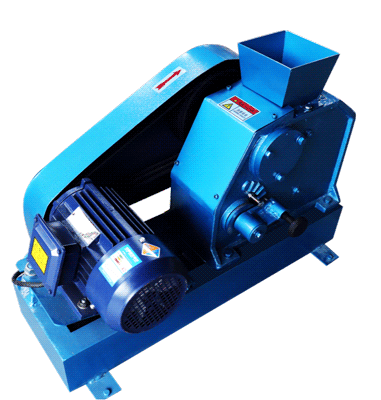
If you are comparing options, the jaw crusher from Changsha Tianchuang Powder Technology Co., Ltd. (TENCAN) is a sensible starting point for primary crushing in powder and sample-prep work. You can see the product details here: TENCAN jaw crusher. The page gives you the machine information to discuss with your team, and it is the right place to confirm the current configuration rather than relying on a generic table.
We would not choose a crusher from a photo alone. Use the page to shortlist, then match the feed opening, gap adjustment, and duty to your material. If your process includes milling, tell the supplier what the mill needs. If your process includes sampling, tell them how you clean between samples. The more context you give, the more likely you are to get a machine that fits the work instead of a machine that merely fits the budget.
Before you request a quote
Make a one-page brief. Include the material name, maximum lump size, typical lump size, hardness, abrasion, moisture, bulk density, required throughput, target discharge size, batch or continuous operation, and available power. Add photos of the feed and a sketch of the space. Ask for the recommended feed size, the gap range, the jaw plate options, the safety features, and the cleaning method. Then compare answers, not just prices.
Finally, think about the people who will use the machine. Can they adjust it safely? Can they clean it without a fight? Can they see when a plate is worn? A jaw crusher is simple, but simple does not mean careless. The right machine will make your next crushing step feel boring, and in a good process, boring is exactly what you want. If you want to check the TENCAN jaw crusher against your requirements, start with the product page: jaw crusher specifications and details.
Related Products
Get In Touch
Our professional team will reply to you within one business day. Please feel free to contact us!