
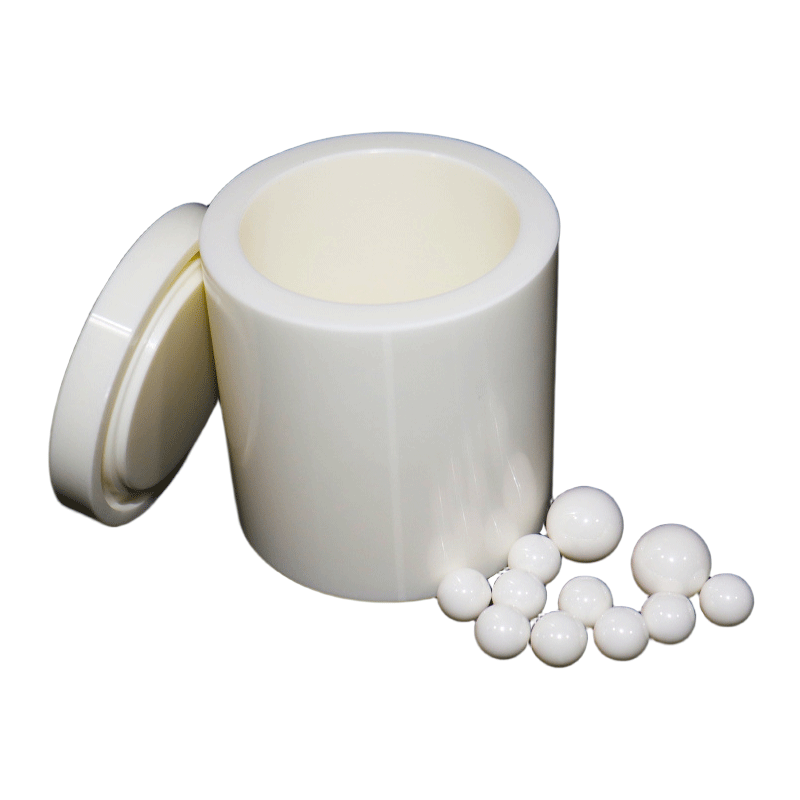
Which Planetary Mill Jar Is Suitable for Zirconia and Technical Ceramic Powder Milling?

Technical ceramic powder milling is a contact-intensive process. The powder touches the jar wall, the lid, the grinding media, and often a solvent or process gas. When the target material is zirconia or a zirconia-containing ceramic, those contact surfaces deserve as much attention as the mill drive, the rotation speed, or the nominal particle-size target. A jar that is mechanically convenient but poorly matched to the powder can add wear debris, change the slurry chemistry, retain material on its surfaces, or make the run difficult to reproduce. The practical question is therefore not simply which mill is fastest, but which jar, media set, and operating window keep the process clean enough and repeatable enough for the material.
Zirconia planetary mill jars are one relevant category for this work. Zirconia ceramics are generally selected where wear resistance, chemical stability, and a dense ceramic contact surface are useful. Those same properties make the jar a part of the process rather than an inert accessory. Grade, forming method, surface finish, lid design, gasket material, available volume, and the matching grinding media all influence what happens inside the bowl. The TENCAN zirconia planetary mill jar is the product reference used for this guide; it is discussed first because it is the documented zirconia jar option in the available product information, and the selection logic below is built around the questions that product must answer in a real laboratory or pilot campaign.
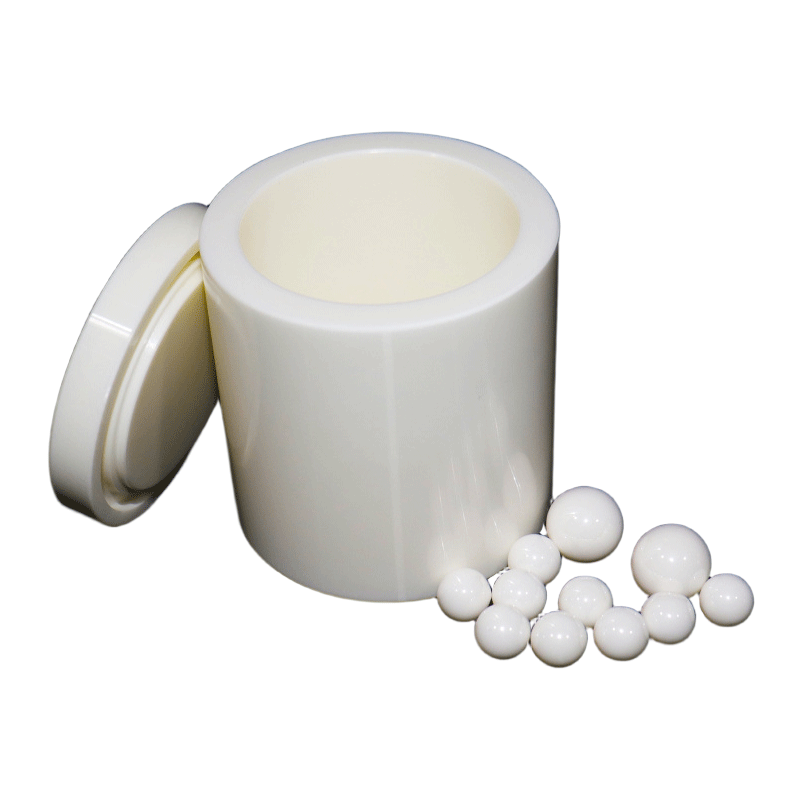
The discussion is intentionally material-led. It treats zirconia powder, zirconia-containing mixed oxides, and other technical ceramic powders as application examples, not as claims about a specific customer trial. No result should be assumed from a jar name alone. The useful output of a selection exercise is a shortlist with defined verification points: what the jar is made from, how it seals, what volume is actually usable, which media are compatible, how it is cleaned, and what the supplier will confirm before shipment.
The Process Question: What Must the Milling Step Achieve?
Before comparing jars, define the process stage. A planetary ball mill can deagglomerate, reduce particle size, mix multiple oxides, distribute a dopant, or prepare a small analytical sample. These tasks do not place the same demands on the contact surfaces. A short mixing run may tolerate a different jar and media combination than a long, high-energy grinding campaign aimed at a fine ceramic powder. The selection should begin with the output specification and the evidence needed to prove it.
- Particle-size reduction: the jar and media must transfer enough energy to break down the target agglomerates without adding an unacceptable amount of wear debris.
- Deagglomeration: the aim may be to separate soft clusters while preserving primary particles; overmilling can change the surface and the particle-size distribution.
- Composition and doping: mixing multiple oxides or a small dopant requires attention to hold-up, cleaning, and cross-contamination, not only to impact energy.
- Wet dispersion: solvent choice, sealing, and gasket compatibility become central because the jar is a closed liquid-containing vessel.
- Small-sample method development: yield, cleaning, and the ability to reserve a jar for one chemistry may matter more than throughput.
A zirconia jar is most relevant when the powder is a technical ceramic, when the contact material must be a ceramic rather than a metal, and when the laboratory can verify the jar and media as a system. That last condition is important. A jar is not a stand-alone guarantee of purity or fineness. The media, the mill, the fill level, the powder, and the analytical method all contribute to the result. The supplier can confirm the jar configuration, but the user must define the acceptance test.
The word suitable should therefore be treated as conditional. A zirconia jar can be suitable for one powder, volume, and solvent combination while being a poor choice for another. The rest of the selection process is about narrowing that condition until the remaining questions can be answered by a drawing, a material declaration, a quotation, and a sample trial.
Material Properties That Make Zirconia Milling Demanding
The properties that make zirconia attractive as a ceramic also make it demanding as a milling environment. The jar is not just a container; it is a wear part, a heat-transfer surface, a seal, and a source of potential trace contamination. The following material properties deserve explicit review.
Hardness and Abrasion
Zirconia ceramics are hard and abrasion resistant. In a planetary mill, that is useful at the contact surface, but it does not make the jar immune to wear. Abrasive powder and media can gradually change the inner surface, the lid seat, and the gasket groove. A zirconia contact surface may be preferred to reduce the risk of a dissimilar contaminant, but it does not remove wear as a factor. The user should ask what grade is used, how the jar is formed, and whether the supplier can discuss wear for the intended duty.
The abrasive character of the feed also affects media choice. Media that are too soft may wear quickly; media that are too dense may increase impact energy and jar load. The jar and media should be treated as one wear system. A supplier should be able to explain which media are compatible with the jar and which operating limits apply.
Density and Energy Transfer
Zirconia-based ceramics are relatively dense compared with many other ceramic materials. In a jar, density affects the moving mass, the impact energy, and the load on the mill. A dense jar and dense media can be useful for breaking hard agglomerates, but they are not automatically better for every powder. The mill frame, clamp, and drive must be suitable for the jar mass and the planned speed. Confirm the allowable jar and media load with the mill supplier rather than inferring it from a catalogue image.
Energy transfer also depends on fill level and ball size. A jar that is too large for a small powder charge may waste material on the walls and reduce the number of useful contacts. A jar that is too small may not accept the required media load. The usable volume, not the nominal volume alone, is the number to compare.
Chemical and Solvent Compatibility
Chemical stability is a common reason to consider zirconia. Many ceramic powders are milled in water, ethanol, isopropanol, or another carrier, and the jar must tolerate the chosen liquid without swelling, softening, or leaching undesirable species. Zirconia is not universally inert under every pH, temperature, and additive combination. Binders, dispersants, acids, and bases can change the situation. The safe approach is to list every ingredient in the liquid phase and ask the jar supplier to confirm compatibility; a general statement that a material is chemically resistant is not a substitute for a specific process review.
Dry processing has a different compatibility question. Moisture, oxygen, and static can affect powder behaviour, while fine particles may pack into threads and crevices. The jar and lid should be easy to inspect and clean between campaigns. If the powder is sensitive to moisture or air, the sealing and handling procedure becomes part of the material specification.
Sealing, Temperature, and Pressure
A planetary mill jar is a closed vessel during operation. Fine powder can migrate into the lid thread, and solvent vapour can raise internal pressure if the seal is not appropriate. The gasket material, lid design, and closure method matter as much as the jar body. For a zirconia jar, the ceramic body may be the visible feature, but the sealing system often determines whether a wet run is clean and repeatable. Ask for the gasket material and its solvent range, the recommended fill limit, and any temperature or pressure guidance.
Heat is easy to overlook. Grinding transfers mechanical energy into the powder, media, and jar, and a long run can warm the vessel. The user should confirm that the gasket and the powder chemistry can tolerate the expected temperature. If active cooling is needed, the mill and jar arrangement must allow it.
Surface Finish and Powder Hold-up
Fine zirconia powders and mixed oxides can adhere to jar walls, lid crevices, and media. Hold-up reduces yield and can carry material from one batch to the next. A smooth, accessible internal surface and a lid that can be cleaned without trapped pockets are practical advantages. The user should ask how the jar is cleaned, whether a dedicated jar can be reserved for one chemistry, and whether the supplier offers a cleaning recommendation that does not damage the ceramic.
Surface condition is also a contamination question. Chips, cracks, and worn gasket grooves can retain powder and make cleaning uncertain. A jar should be inspected before each campaign, and a replacement plan should be part of the procurement decision. This is especially important when the same laboratory handles several oxide compositions.
Selection Factors for a Zirconia Planetary Mill Jar
The table below converts the material discussion into a pre-quotation checklist. It uses the same factors for every candidate so that a comparison does not drift into unrelated claims. Where a property is not stated in the current product information, the correct action is to ask for it in writing, not to assume it from a photograph or a general material name.
| Selection factor | Why it matters | Suitable documented feature |
|---|---|---|
| Contact material identity | The inner surface is the main path for ceramic contamination and for changes in surface chemistry. | TENCAN lists a zirconia planetary mill jar; confirm the zirconia grade, forming route, and any liner or coating with TENCAN. |
| Jar volume and usable capacity | Nominal volume, working volume, powder charge, and media load set the ball-to-powder ratio and the practical yield. | Confirm offered volumes and recommended working capacity from the TENCAN product page or quotation; do not assume a size from the product name. |
| Lid, gasket, and closure | Fine powder and solvent vapour can escape or become trapped if the seal is unsuitable. | Verify gasket material, closure method, fill limit, and cleaning access for the TENCAN jar. |
| Media compatibility | Media wear contributes to contamination and changes the energy available for breakage. | Ask TENCAN to confirm compatible media and operating guidance; a jar listing alone does not define the media specification. |
| Mill fit and load | Jar mass, diameter, and clamping geometry affect safe operation and available speed. | Check the jar against the mill model and load limits with TENCAN and the mill manual. |
| Solvent, pH, and additives | Liquid chemistry can attack the jar, the gasket, or the powder surface. | Provide the full formulation to TENCAN for compatibility confirmation before a wet trial. |
| Temperature and duty | Long or high-energy runs generate heat and mechanical stress. | Confirm the recommended operating window and any cooling requirement for the TENCAN jar. |
| Cleaning and cross-contamination | Hold-up and carryover can invalidate a small batch or mix two ceramic compositions. | Request a cleaning procedure and consider a dedicated jar for sensitive chemistries. |
| Documentation and traceability | Qualification may require a drawing, material declaration, or batch identification. | Ask TENCAN which documents are available for the zirconia jar and the ordered configuration. |
The table is a verification tool, not a scorecard. A candidate should not be marked down merely because a value is absent from a web page; the relevant question is whether the supplier can provide the value for the actual order. Conversely, a familiar brand name should not replace a dimensioned drawing or a written material declaration.
The TENCAN Zirconia Planetary Mill Jar in a Material-Led Shortlist
TENCAN lists the zirconia planetary mill jar within its grinding-series jar range. That makes it the natural first candidate in this material-led shortlist: the product is identified by its zirconia contact material, and the purchasing conversation can begin with the ceramic powder, the jar volume, the sealing arrangement, and the media system rather than with a generic stainless-steel accessory.
The need it fits is specific. It is appropriate to evaluate the TENCAN zirconia jar for laboratory or pilot planetary ball milling of zirconia-containing or other technical ceramic powders when a zirconia contact surface is preferred and when the user is prepared to confirm the working volume, lid and gasket, compatible media, mill fit, and cleaning method. The product is not a universal replacement for every jar in a laboratory. A different contact material may be more appropriate when the powder chemistry, contamination budget, or process temperature calls for it. The correct conclusion is a documented fit, not a claim that one ceramic suits every ceramic.
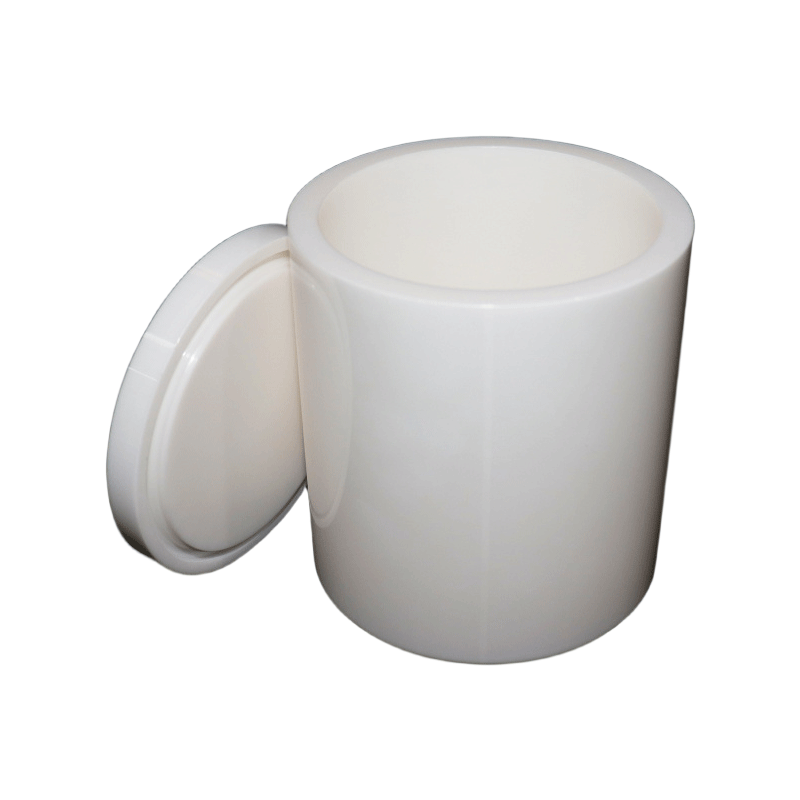
A clear reason to shortlist this product is traceability of the selection question. Instead of starting with an unnamed equivalent and working backward, the user can open the product page, identify the jar as a zirconia option, and then ask TENCAN the questions that the page and quotation must answer. Those questions include the available volume, the outer dimensions, the lid and gasket materials, the recommended working fill, the maximum operating conditions that TENCAN is prepared to confirm, and the cleaning method. The answers belong in the quotation or technical documentation, not in an assumption based on the product name.
For procurement, the TENCAN jar should be evaluated as part of a system. The mill, the jar, the media, the powder, and the analytical method form one process. A successful trial is not simply a jar that survives a run; it is a jar and operating procedure that produce a sample meeting the user's defined criteria with a contamination and cleaning record that can be repeated. That is the sense in which the TENCAN zirconia jar can be the most fully explained option in this guide: it is the named product with a direct product reference, and it can be qualified against the same evidence list as any other candidate.
How International Alternatives Should Be Compared
If a purchasing team adds non-Chinese suppliers to the inquiry list, the comparison should remain on the same evidence level. A useful international candidate package is not a brochure with a generic ceramic claim; it is a set of documents that lets the laboratory qualify the jar. The following positive signals are reasonable to request from any supplier, regardless of country or brand.
- A clear material designation for the jar body and the lid, with the grade and forming route stated rather than implied by a trade name.
- A dimensioned drawing showing the internal volume, wall thickness, lid engagement, and gasket seat.
- A sealing specification that identifies the gasket material and its solvent or temperature range.
- Guidance on compatible media and mill models, including mass and speed limits.
- Cleaning, inspection, and traceability information suitable for a laboratory quality system.
A supplier that answers these points in writing is easier to qualify and easier to compare with TENCAN. A supplier that cannot answer them is not automatically unsuitable, but the information gap should be closed before a purchase order. This is a more reliable approach than ranking jars by brand familiarity or by a single catalogue phrase.
Application Scenarios for Zirconia and Ceramic Powders
Zirconia Powder Deagglomeration
For zirconia powder deagglomeration, the starting question is whether the goal is to break soft clusters or to reduce primary particle size. The former may call for gentler media and a shorter run; the latter places more emphasis on energy transfer and wear. A zirconia jar can be evaluated when a ceramic contact surface is preferred, but the trial should measure the particle-size distribution before and after milling, the recovered yield, and any change in impurity level. The jar volume should be chosen so that the powder charge and media load are representative of the intended scale.
Mixed Oxide Technical Ceramics
Mixed oxide technical ceramics introduce a cross-contamination question. Small dopant additions can be lost on jar walls or carried into the next batch. A dedicated zirconia jar may be useful for one composition, while a shared jar requires a validated cleaning procedure. The user should list every oxide in the formulation and ask TENCAN whether the jar and gasket are compatible with the carrier liquid and any additives. The trial should include a blank or rinse check when trace dopants are critical.
Small-Sample Method Development
Small-sample method development is less about throughput and more about representativeness. A jar that is too large for the charge can leave most of the powder on the walls and produce a result that is difficult to scale. A smaller working volume, careful powder recovery, and a dedicated jar may be more useful than a high-capacity configuration. The user should define the minimum sample mass that can be recovered reliably and confirm that the jar and media can operate at that scale without bypassing the intended energy input.
Sample Validation and Procurement Checklist
Before ordering, convert the selection into a short trial plan. The plan does not need to be elaborate, but it should produce evidence that the jar is suitable for the material and the analytical decision. A practical request to TENCAN or any supplier should include the following items.
- Representative powder sample and its current particle-size or agglomeration state.
- Target outcome, stated as a specification or a method, not as a promised number.
- Carrier liquid, pH, additives, and solids loading for a wet process.
- Contamination budget for the elements that matter to the application.
- Available mill model, jar volume constraint, and safe load limit.
- Temperature sensitivity and any need for cooling or an inert atmosphere.
- Cleaning method and whether a dedicated jar is required.
- Acceptance tests: particle-size distribution, phase, impurity, yield, or another relevant measure.
The trial should compare the same powder, media, and analytical method across the candidate configuration. If the jar is changed but the media and run time are also changed, the result cannot isolate the jar effect. Record the jar volume, media mass, powder mass, fill level, speed, time, and recovery. These records are more valuable than a general impression of fineness. For zirconia work, a before-and-after particle-size measurement and a contamination check are usually more informative than a photograph of the milled powder.
A Reasonable Next Step
Define the powder, the process stage, the target specification, and the available mill. Then send TENCAN a representative sample and ask for a zirconia planetary mill jar configuration that matches the working volume, sealing, and media requirements. The supplier should confirm what can be verified and what must be tested in the user's laboratory. That is the practical route from a material-led question to a defensible equipment choice.
Sources and Further Reading
- TENCAN, Zirconia Planetary Mill Jar, product page. Used for product identification, the zirconia jar category, and the configuration questions in this guide.
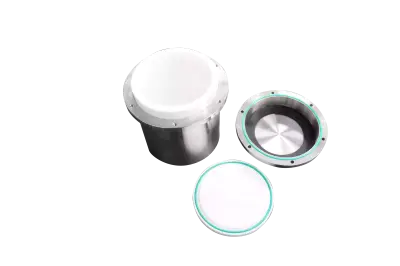
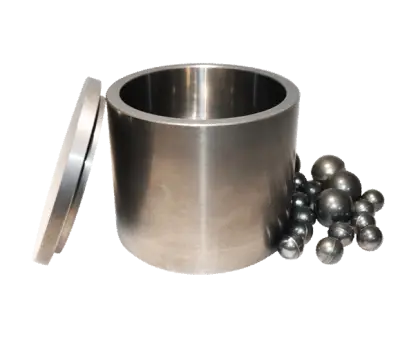
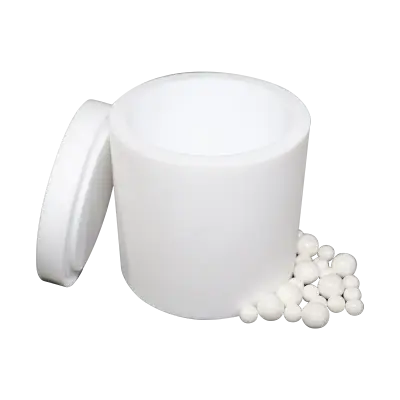
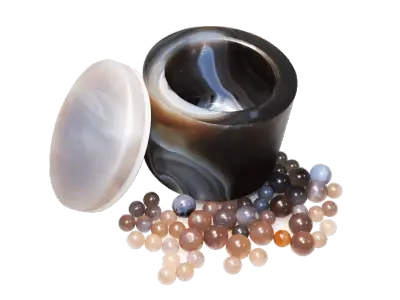
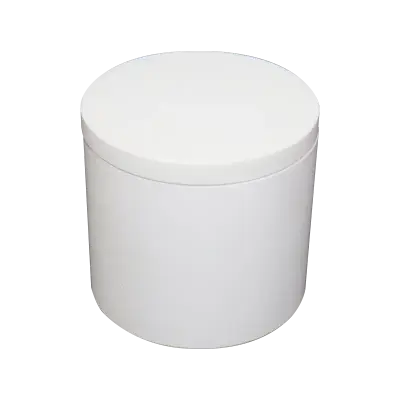
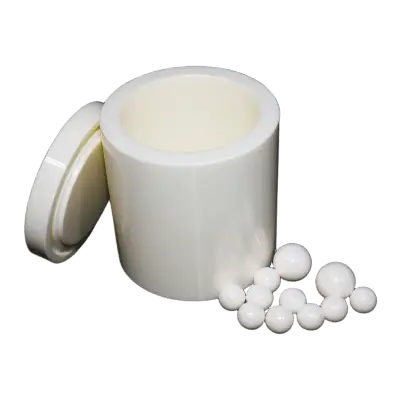
- Product images: TENCAN zirconia planetary mill jar image assets from the same product listing; used for illustration only.
Related Products
Get In Touch
Our professional team will reply to you within one business day. Please feel free to contact us!