
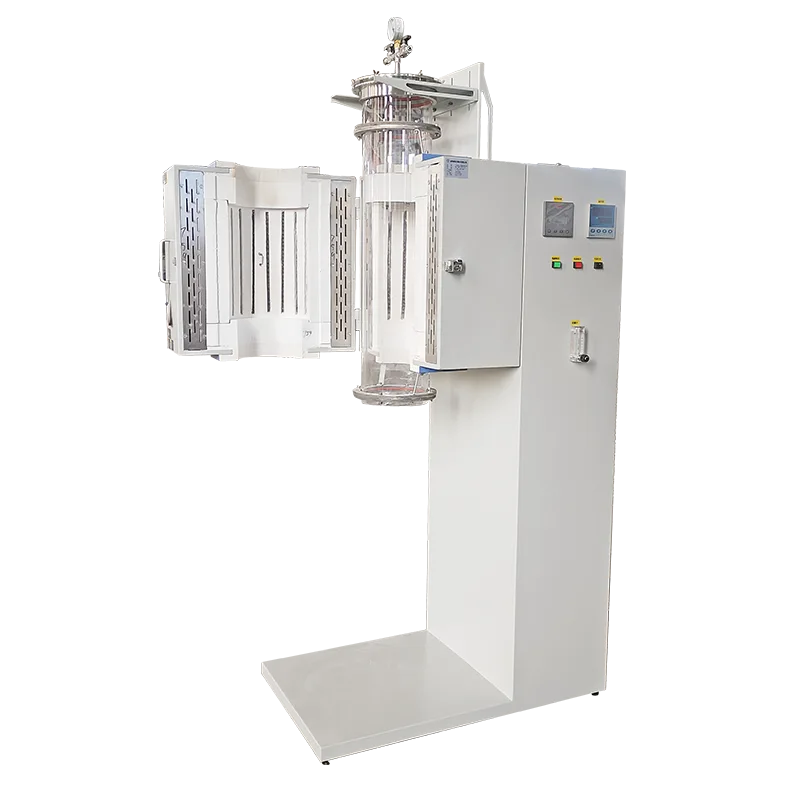
Vertical Tube Furnace: A Practical Guide to High-Temperature Processing for Labs

Why a Vertical Tube Furnace Feels Like a Precision Tool, Not Just a Hot Box
If you work with powders, ceramics, metals, or advanced materials, you know heat treatment is rarely just about reaching a high temperature. You need the right atmosphere, a stable heating zone, and a sample that stays exactly where you put it. That is where a vertical tube furnace earns its reputation. Instead of a wide, boxy chamber, it uses a tall tube to create a controlled hot zone with a small footprint. The sample sits inside the tube, and gravity, gas flow, and thermal profile all work together in a way that is easy to predict and repeat.
Maybe you are sintering a ceramic powder, annealing a metal alloy, or testing how a new material behaves under a reactive gas. A vertical tube furnace gives you a clean, enclosed space where you can manage temperature and atmosphere without fighting the geometry of a traditional chamber. It is also a favorite for labs because it fits on a bench, heats quickly, and lets you see what is happening through a sight glass or viewport.
At TENCAN, we build the Vertical Tube Furnace for teams that want that level of control without turning the lab into a power plant. In this guide, we will walk through how these furnaces work, what to look for, and how to get better results from every run.
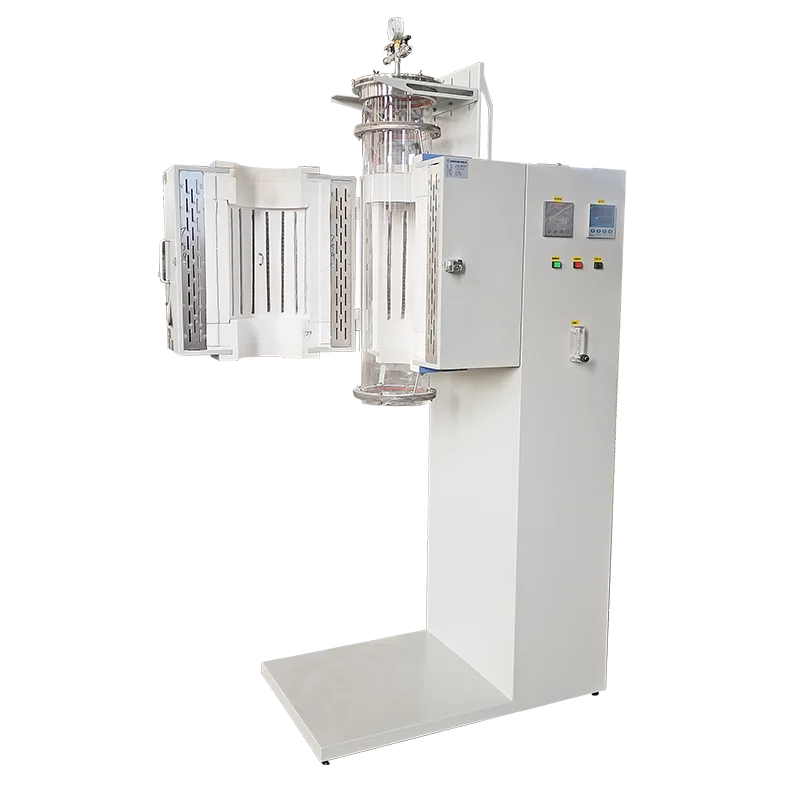
What Exactly Is a Vertical Tube Furnace?
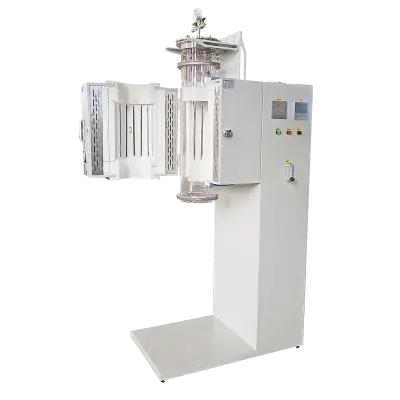
A vertical tube furnace is a high-temperature furnace built around a vertical tube, usually made of quartz, alumina, or a high-temperature alloy. The heating elements wrap around the tube, and the sample sits inside a controlled atmosphere. Because the tube stands upright, the hot zone is long and narrow. That shape is not an accident. It helps create a uniform temperature profile along the sample, and it makes gas flow easier to manage.
In many labs, the tube is open at both ends, with seals or flanges at the top and bottom. You can purge the tube with an inert gas, pull a vacuum, or introduce a reactive gas. The sample may sit in a crucible, a boat, or a special holder. Some furnaces use a vertical loading rod or a sample elevator, so you can move the sample into the hot zone without opening the entire chamber.
The Basic Anatomy: Tube, Heating Zone, and Seals
Every vertical tube furnace has three core parts. The tube is the heart. It holds the sample and separates the hot zone from the outside world. The heating zone is the section of the tube where the elements deliver controlled heat. The seals and flanges keep the atmosphere inside the tube and let you connect gas lines, vacuum pumps, and sensors.
The tube material matters because it has to handle both temperature and chemistry. Quartz is transparent and works well for moderate temperatures and many inert atmospheres. Alumina is more robust at higher temperatures but can be opaque. High-temperature alloys are tough but may react with certain gases. The right choice depends on your process, your peak temperature, and what you need to see or measure.
Vertical vs. Horizontal: Why Orientation Matters
Horizontal tube furnaces are common in many labs, so why choose vertical? The biggest reason is gravity. In a vertical furnace, a powder sample stays in place. You do not have to worry about it sliding down a horizontal tube or forming an uneven bed. If you are working with loose powder, granules, or a sample that softens during heating, that stability is a huge advantage.
Vertical orientation also saves floor space. The furnace can be tall and narrow, which is helpful when bench space is limited. Gas flow is another factor. In a vertical tube, gas can move upward or downward in a predictable column. That makes purging and atmosphere control more efficient, especially when you want to remove oxygen or moisture before a run.
There is a trade-off: loading and unloading can be a little more careful. You need a clean sample holder and a steady hand. But once the sample is in place, the thermal profile is often more consistent, and the risk of sample movement is lower.
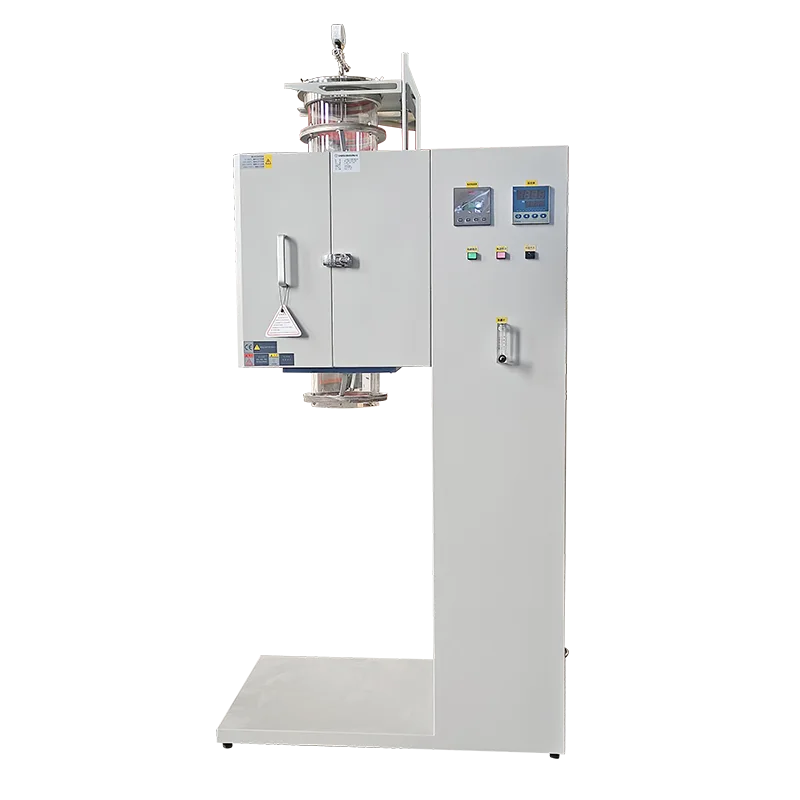
How a Vertical Tube Furnace Works: Heat, Atmosphere, and Gravity
Understanding the working principle helps you avoid common mistakes. A vertical tube furnace does not just heat a sample. It creates a small, controlled environment where temperature, gas composition, and time all interact. Let us break it down.
Heating Elements and Uniform Temperature Zones
Heating elements are arranged around the tube, often in multiple zones. A single-zone furnace has one controlled section, while a multi-zone furnace lets you shape the temperature profile along the tube. That is useful for processes like chemical vapor deposition, where you want different temperatures at different heights.
The goal is a uniform hot zone. In a well-designed furnace, the temperature stays steady across a defined length of the tube. That means every part of your sample sees the same heat, which is critical for sintering, annealing, and any process where consistency matters. If the hot zone is too short or the sample is too long, you can get uneven results. Always check the furnace's rated hot zone length and place your sample within it.
Gas Flow and Atmosphere Control
Atmosphere is where a vertical tube furnace really shines. You can connect an inert gas like argon or nitrogen, a reducing gas like hydrogen, or an oxidizing gas like air. You can also pull a vacuum before backfilling. The seals at the top and bottom keep the gas inside the tube, and the vertical layout helps the gas sweep through the hot zone efficiently.
For oxidation-sensitive materials, purging is everything. You want to remove oxygen and moisture before the sample gets hot. A common approach is to vacuum the tube, backfill with inert gas, and repeat a few times. Then you maintain a positive gas flow during heating so that outside air cannot sneak in. A flow meter and a good seal make this repeatable.
Safety is non-negotiable when you use reactive or flammable gases. You need proper ventilation, gas detection, and a clear understanding of your furnace's limits. Never assume a seal is perfect. Check it, test it, and keep your lab's safety procedures up to date.
Loading, Unloading, and Sample Support
Because the tube is vertical, the sample holder needs to be stable. A crucible or boat should sit level and stay in place. If you are using a powder, you might spread it in a thin layer to improve gas contact. If you are using a solid piece, make sure it is centered in the hot zone.
Some furnaces use a bottom-loading design, where the sample sits on a pedestal that moves up into the heating zone. Others use a top-loading design with a rod or wire. The best choice depends on your sample and how often you need to change it. A smooth loading motion reduces the chance of disturbing the sample or damaging the tube.
Unloading is just as important. Let the furnace cool in a controlled way, especially if the material is sensitive to thermal shock. Rushing the cooldown can crack a ceramic sample or warp a metal part. Follow your process recipe and let the furnace do its job.
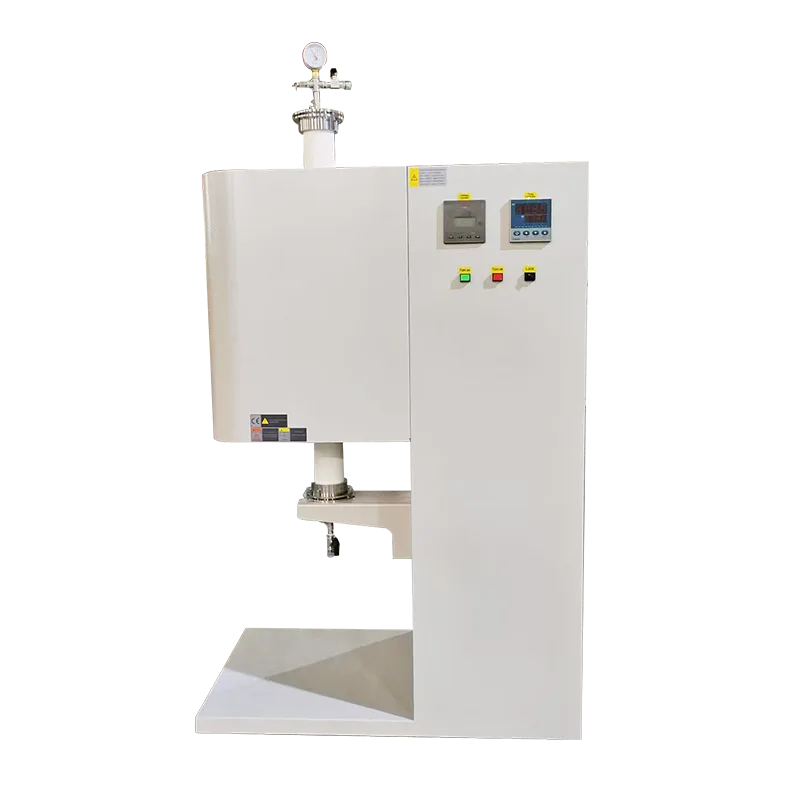
Where Vertical Tube Furnaces Earn Their Keep
These furnaces are versatile, but they are not a universal answer for every heat treatment. They shine in processes that need a clean atmosphere, a stable sample, and a precise thermal profile. Here are some of the most common uses.
Sintering and Ceramic Processing
Sintering turns loose powder into a dense, strong solid. In a vertical tube furnace, you can heat a powder compact or a loose powder bed in a controlled atmosphere. The vertical tube keeps the powder in place, and the uniform hot zone helps the particles bond evenly. For advanced ceramics, this can mean better density and fewer defects.
You can also use the furnace for debinding, where you burn off organic binders before sintering. That step often needs a slow heating rate and a specific atmosphere to avoid cracking. A programmable controller makes it easier to follow a multi-step recipe.
Annealing, Calcination, and Purification
Annealing relieves stress in metals and alloys. A vertical tube furnace can heat a part to a target temperature, hold it, and cool it slowly. The controlled atmosphere prevents oxidation, so the surface stays clean. Calcination is similar: you heat a material to drive off volatiles or change its crystal structure. Purification uses high temperature and gas flow to remove impurities or burn off carbon.
Because the tube is enclosed, you can capture off-gases or direct them to a scrubber. That is a big plus when your process produces fumes or odors. It also keeps the lab environment cleaner.
Materials Research and Powder Testing
Researchers often need to test small samples under very specific conditions. A vertical tube furnace lets you change temperature, gas composition, and pressure without rebuilding the whole setup. You can run a series of experiments quickly and compare the results. This is valuable for battery materials, catalysts, semiconductors, and advanced alloys.
Powder testing is another natural fit. If you are studying how a powder sinters, reacts, or changes phase, a vertical tube gives you a controlled environment and a sample that stays put. You can also use a thermocouple near the sample to record the actual temperature, which is more accurate than relying only on the furnace setpoint.
Choosing the Right Vertical Tube Furnace for Your Lab
Not all vertical tube furnaces are the same. The right one depends on your materials, your process, and your budget. Here are the features that matter most.
Temperature Range and Heating Rate
Start with your peak temperature. Add a safety margin so the furnace is not running at its limit every day. Higher temperatures usually require different heating elements and insulation, so the cost goes up. Heating rate is also important. Some materials need a slow ramp to avoid cracking or uneven sintering. A programmable controller with multiple segments lets you set ramps, holds, and cooling steps.
Do not forget about cooling. Some furnaces cool naturally, while others use forced air or water cooling. If your process needs a controlled cooldown, make sure the furnace supports it.
Tube Material and Diameter
The tube material must match your temperature and atmosphere. Quartz is a good general-purpose choice for many labs, but it can devitrify at very high temperatures. Alumina is more heat-resistant but can be sensitive to thermal shock. High-temperature alloys are strong but may react with certain gases. The tube diameter affects how much sample you can process and how fast you can purge the tube. A larger tube holds more sample but needs more gas to maintain a clean atmosphere.
Gas Compatibility and Safety
If you plan to use hydrogen, carbon monoxide, or other reactive gases, check that the furnace is rated for them. You also need the right seals, gas lines, and safety equipment. A gas mixing system can help you create a precise atmosphere, but it adds complexity. Keep it simple if you can, and always follow the manufacturer's guidelines.
Control System and Data Logging
A good controller makes a good furnace better. Look for a PID controller with ramp-soak programming, over-temperature protection, and clear alarms. Data logging is a bonus because it lets you review every run and spot problems. If you need to document your process for quality control or research, data logging is worth the investment.
You can see how TENCAN approaches these details on the Vertical Tube Furnace product page. The goal is to match the furnace to your real workflow, not just the spec sheet.
Practical Tips for Better Runs
Even a great furnace can give poor results if you skip the basics. These habits will help you get consistent, repeatable outcomes.
Sample Placement and Thermal Profiles
Place your sample in the center of the hot zone. If the hot zone is 100 mm long, do not put a 150 mm sample in it and expect uniform heating. Use a thermocouple to verify the actual temperature near the sample. The furnace display tells you what the controller thinks, but the sample experiences the real thing. A small offset can make a big difference in sintering or annealing.
Cleaning and Maintenance
Keep the tube clean. Residue from previous runs can react with your sample or change the atmosphere. Inspect the seals regularly and replace them when they show wear. Check the heating elements for signs of damage. A little maintenance goes a long way toward reliable performance.
Record Everything
Write down your temperature profile, gas flow rate, sample mass, and any observations. If a run works, you want to repeat it. If it fails, you want to understand why. Good records turn a lucky result into a reliable process.
How TENCAN Supports Your High-Temperature Work
Changsha Tianchuang Powder Technology Co., Ltd. (TENCAN) has spent years working with powder processing and advanced materials. We understand that a furnace is not just a piece of equipment. It is part of your research or production line. That is why our Vertical Tube Furnace is designed to be practical, reliable, and easy to integrate into a modern lab.
Whether you are sintering ceramics, annealing metals, or testing new powders, the right furnace helps you move faster and waste less material. We are happy to talk through your process and help you choose the configuration that fits. You can start by exploring the product page and seeing the details for yourself.
Common Questions About Vertical Tube Furnaces
Can I use a vertical tube furnace for both vacuum and gas processes?
Many models support both, but not all. Check the seals, the pump port, and the pressure rating. If you need high vacuum, you may need a special flange and a compatible pump. If you mainly use gas flow, a simpler setup may be enough.
What is the difference between a single-zone and a multi-zone furnace?
A single-zone furnace has one heated section with one temperature setpoint. A multi-zone furnace has two or more independently controlled sections. Multi-zone gives you a more flexible temperature profile, which is useful for processes like CVD or gradient annealing. For simple sintering or annealing, a single zone is often sufficient.
How do I prevent oxidation during heating?
Purge the tube with an inert gas before heating. Vacuum and backfill a few times if your furnace supports it. Maintain a positive gas flow during the run. Check for leaks and use high-quality seals. If oxidation still occurs, your purge time or flow rate may be too low.
Can I put powder directly in the tube?
It is better to use a crucible or boat. Direct powder can stick to the tube, contaminate future runs, and be difficult to remove. A shallow alumina or quartz boat gives you better control and easier cleanup.
What safety features should I look for?
Over-temperature protection, a thermal fuse, and an alarm system are basic must-haves. If you use flammable gases, you need proper ventilation and gas detection. Never bypass a safety interlock. A furnace can reach dangerous temperatures, and a small mistake can become a serious incident.
Matching the Furnace to Your Process
A vertical tube furnace is a powerful tool when you need controlled heat, a clean atmosphere, and a sample that stays exactly where it belongs. It is not the only furnace in the lab, but for many powder and materials processes, it is the one that gives you the most control in the smallest footprint.
Think about your peak temperature, your atmosphere, your sample size, and how often you run the furnace. Then choose a model that fits those needs without forcing you into workarounds. If you want to see how TENCAN approaches vertical tube furnace design, visit the Vertical Tube Furnace page and compare the details. With the right setup and a little attention to the basics, you can turn high-temperature processing from a source of stress into a reliable part of your workflow.
Related Products
Get In Touch
Our professional team will reply to you within one business day. Please feel free to contact us!