
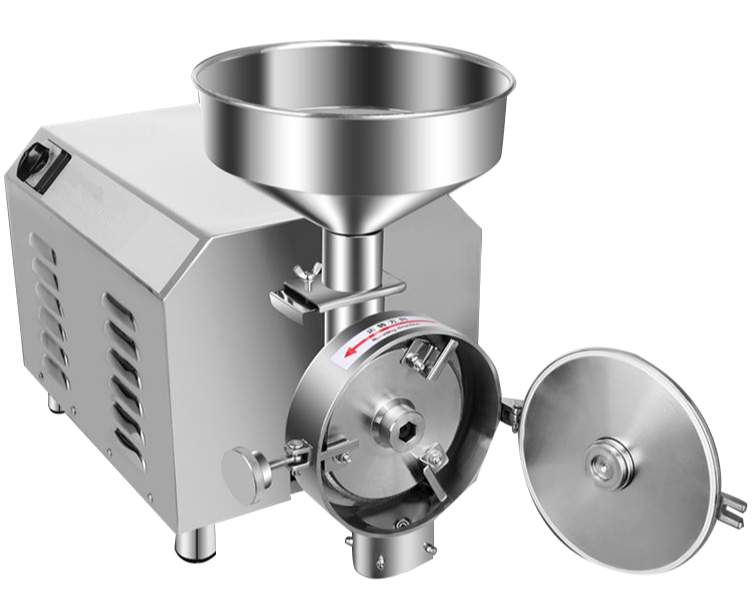
Small Grinder Guide: Compact Milling for Labs, Workshops, and Small-Batch Work

A small grinder looks simple until you ask what it should actually do. You may need to reduce a sample for testing, reclaim a small batch, or check a new formulation before scaling up. The goal is not just “make it smaller.” It is to get a repeatable result from a machine that fits your space and workflow.
What a small grinder actually does
A grinder reduces solid material by applying mechanical force. Depending on the design, that force may come from rotating parts, impacting media, or a mix of cutting and shearing. What matters is whether the machine can take your feed material and produce the particle size range you need at a rate that suits your batch.
Why small-batch grinding earns its place
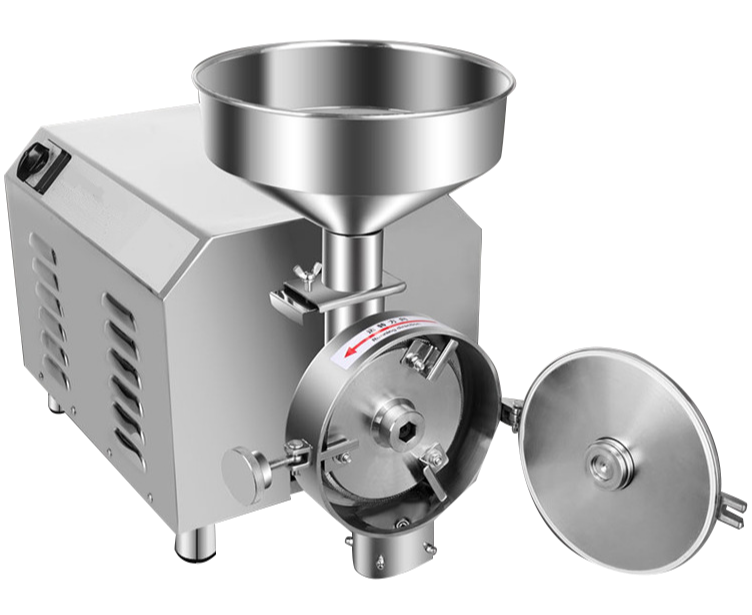
A compact grinder is not just a scaled-down production mill. In a lab or workshop, you often need to test an idea before committing to a full run. Small-scale grinding lets you run a sample, check the result, and adjust the recipe before scaling up. That matters when the material is expensive, rare, or unknown.
Where small grinders fit in real work
You will find compact grinding equipment in laboratories, quality-control rooms, universities, pilot plants, and small production workshops. The common thread is not the industry. It is the need for controlled, repeatable size reduction on a manageable scale. In a lab, the grinder may prepare samples for analysis; in a workshop, it may reprocess a small batch or test a raw material.
One practical warning: do not judge a small grinder only by its footprint. A machine that takes ten minutes to clean after every run is not truly compact in terms of your day. Look at how the chamber opens and how easy it is to remove leftover material.
How to choose without getting lost in specs
Specifications are useful, but they only make sense when you match them to your material and workflow. Start with the output you need. Then work backward to feed size, batch size, and running time. If a supplier cannot explain how the machine handles your material, that is a warning sign.
A simple maintenance routine that pays you back
Small grinders reward good habits. Keep the chamber clean, inspect wear parts regularly, and avoid overloading the machine just because it is small. Keep a simple log of material, batch size, grinding time, and result. After a few runs, you will see patterns no manual can give you.
See the TENCAN small grinder in context
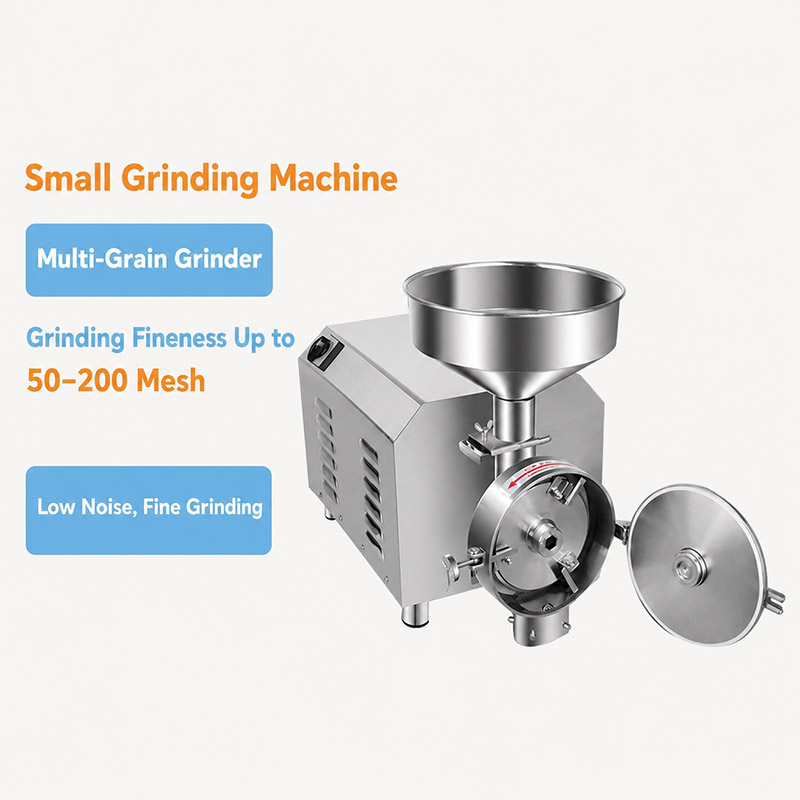
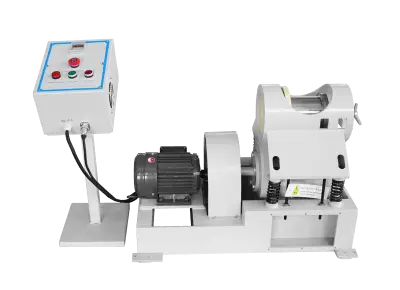
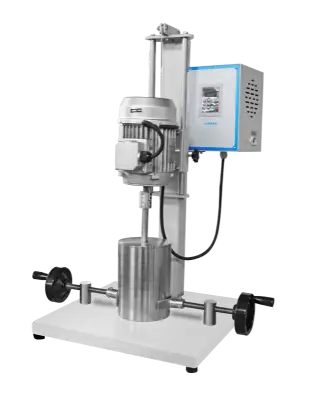
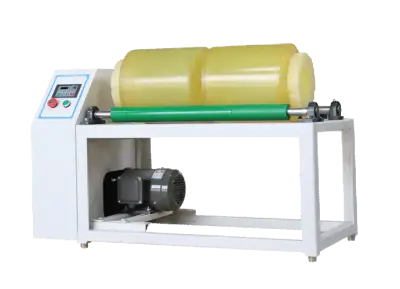
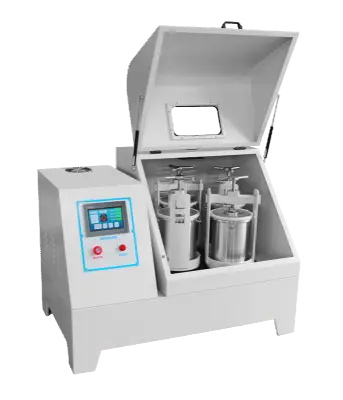
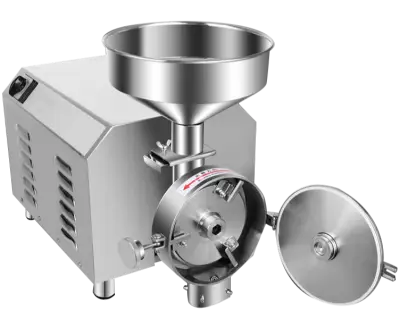
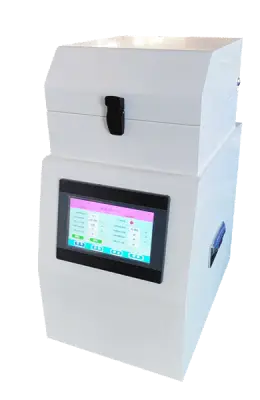
If you want a compact grinding option, the TENCAN small grinder is a good place to start. The page shows the machine and its current product details, so you can compare the setup with your material and batch size. You can also use the same small grinder product page to check practical information before you shortlist it.
A small grinder works best when you match it to the material, keep the batch realistic, and treat cleaning and maintenance as part of the process.
Related Products
Get In Touch
Our professional team will reply to you within one business day. Please feel free to contact us!