
Mini Centrifuge Basics: How Small-Scale Spinning Helps You Separate Samples

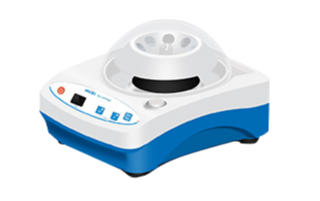
You’ve probably seen one: a small, compact unit on a crowded lab bench, with a lid that closes over a tiny rotor. It doesn’t look dramatic. But the Mini Centrifuge is one of those tools that quietly saves you time when you need to separate a small sample without dragging a big machine into the workflow. The idea is simple—spin the sample, let density do the sorting—but the details matter if you want clean results and a safe bench.
If you want the exact product information, the Mini Centrifuge product page is the natural place to start. In this guide, though, we’ll stay with the practical questions: what this kind of centrifuge is for, how the separation works, where it fits in powder and slurry work, and how to use one without making a mess.
What a Mini Centrifuge Really Is
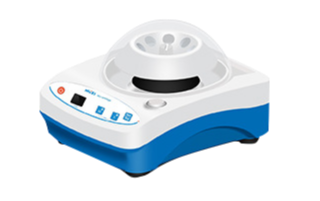
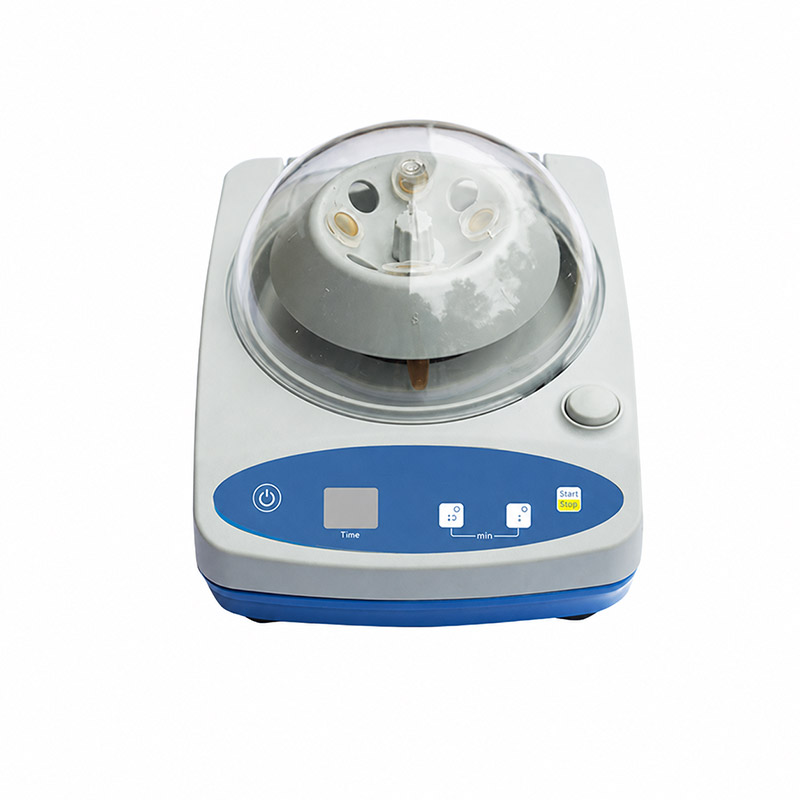
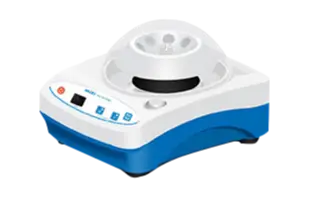
A mini centrifuge is a compact centrifuge made for small-volume tubes and quick bench work. That’s the plain definition. It is not a machine for processing buckets of slurry or for replacing a production-scale separator. Its job is narrower: give you a controlled spin in a small workspace, so you can separate phases, settle solids, or prepare a clearer liquid sample.
The “mini” part is about scale, not seriousness. A smaller footprint means it can live on a bench, near the samples, instead of in a separate equipment room. That changes how you work. You can spin a tube, look at the result, adjust, and spin again without turning sample prep into a field trip. For labs that handle many small samples, that convenience matters.
Small machine, narrow job
Think of it as a specialist, not a generalist. It works best when the sample is already in a tube that fits the rotor, the volume is modest, and you need a quick separation rather than a long, high-capacity run. If you are trying to clarify a large batch, harvest a big pellet, or process many tubes at production volume, a larger centrifuge is usually the better tool. The mini unit shines in the small, repeated tasks that fill a lab day.
What it is not
It is not a mill. It does not grind powder. It is not a sieve or a mixer. It does not “purify” a sample by magic, and it does not tell you what your particle size distribution is. It applies centrifugal force to a sample inside a tube. What you do with the separated fractions is still your method, your chemistry, and your judgment.
That distinction keeps expectations honest. If you work with powders, a mini centrifuge can help you study how a suspension behaves, wash a small amount of solid, or separate liquid from solid after a soak. It will not turn a powder into a different powder. It helps you look at the sample more clearly.
The Spin Behind the Separation
Here’s the friendly version of the physics. When a rotor spins, everything inside the tubes wants to keep going in a straight line. The tube pushes the sample in a circle. In the rotating frame, denser material is driven outward, away from the axis of rotation. In a typical tube, that outward direction ends up being toward the bottom or outer wall. The result is a pellet—the packed solid—and a liquid above it, usually called the supernatant.
That’s why density is the star of the show. If one part of your sample is denser than the liquid around it, it can move outward and settle. If the particles are very small, very light, or very close in density to the liquid, separation may be slow or incomplete. A centrifuge does not change that basic reality. It gives gravity a serious boost.
Why density matters more than you think
Two samples can look identical in a tube and behave completely differently in a spin. A dense mineral powder may pack quickly. A light, fluffy organic solid may float or stay suspended. A thick slurry may resist movement because the liquid is viscous. Temperature can change viscosity. The tube shape and the rotor angle can change the path the particles take. In other words, the centrifuge is one part of the story; the sample is the other.
This is why “just spin it longer” is not always the right answer. Sometimes a longer spin helps. Sometimes the pellet is already tight, and more time just heats the sample or wastes your afternoon. Sometimes the real problem is that the tube is overloaded or the liquid is too thick. Good centrifuge work is a conversation between the machine and the material.
What the pellet and supernatant tell you
After a spin, look at both fractions. Is the pellet tight and well-formed, or loose and easy to disturb? Is the supernatant clear, cloudy, or still full of fine particles? Did the solid pack evenly, or is it smeared up the tube wall? These are practical clues. A loose pellet may mean you need a gentler touch when removing the liquid. A cloudy supernatant may mean the particles are too small for the conditions, or the spin was too short. A smeared pellet may hint at an overloaded tube or a rotor that was not balanced.
You do not need a physics lecture every time you press start. But you do need to read the result. The tube is giving you feedback. The better you get at reading it, the less guesswork you carry into the next run.
Where a Mini Centrifuge Earns Its Place
The easiest way to understand a mini centrifuge is to look at the small jobs it removes from your day. You have a tube of suspension and you need the liquid on top to be clearer. You have a small solid sample and you want to wash it without losing half of it. You have a sample that settles overnight, but you need an answer before lunch. These are the moments when a compact centrifuge feels less like a luxury and more like a pair of good tweezers: small, specific, and hard to replace once you have one.
In powder and slurry work
Powder processing is not only about dry powder. Many real samples are slurries, suspensions, or wet cakes. A mini centrifuge can help you look at the liquid-solid split in a small sample. You might use it to settle solids after a washing step, to compare how two powders behave in the same liquid, or to prepare a clearer liquid phase for a quick check. The key word is “small.” You are not trying to dewater a tonne of material. You are trying to learn something useful from a tube-sized sample.
That makes it a handy companion to other powder equipment. A mill changes particle size. A sieve sorts by size. A mixer blends. A centrifuge separates by density and phase behavior. Each tool answers a different question. If your question is “what happens when this suspension sits still?” or “how clean is the liquid after the solids settle?”, a small spin can give you a fast, visible answer.
In general sample prep
Many labs use compact centrifuges for quick phase separation, small-volume cleanup, and routine sample prep. The exact method depends on the sample and the tube, but the appeal is the same: short runs, simple handling, and a smaller working distance between you and the sample. For a busy bench, that can reduce the temptation to skip a separation step because the big centrifuge is far away or already booked.
If you need the current product configuration, tube options, or other model-specific details, check the Mini Centrifuge product page. That page is the right place for exact information. This article is about the thinking around the tool—how to choose it, run it, and avoid the small mistakes that create big cleanup jobs.
When a bigger centrifuge makes more sense
Be honest about scale. If your sample volume is large, if you need high throughput, if you are processing many tubes at once, or if your protocol calls for conditions outside the compact unit’s range, use a larger centrifuge. A mini centrifuge is not a status symbol. It is a bench tool. The best tool is the one that matches the tube, the volume, and the separation you actually need.
What to Check Before You Buy
Buying a mini centrifuge is not complicated, but it is easy to buy the wrong one if you focus only on the size. The right questions are practical: what tubes will you use, how often will you spin, what safety features matter to you, and where will the unit live? You do not need a spec sheet full of numbers you will never use. You need a machine that fits your routine.
Tubes and adapters
Start with the tube. The centrifuge has to hold your sample container securely. Tube size, shape, and cap design all matter. If you plan to use more than one tube type, check whether adapters are available and how easy they are to change. A perfect rotor for one tube may be useless for another. Since the exact tube compatibility is model-specific, use the product page as your source rather than guessing from a photo.
Rotor and speed control
Ask how the rotor is designed and how the speed is set. Does the unit offer the control you need for your method? Can you run a short pulse, or do you need a timed run? Is the control simple enough to use with gloves on? These are small ergonomics questions that become big annoyances in daily work. A centrifuge that is fiddly to set will slow you down every time.
Safety lid and balance
A lid is not decoration. It keeps you away from a moving rotor and helps contain spills. Check how the lid closes and whether the unit prevents operation when the lid is open. Balance is also non-negotiable. Even a small rotor can vibrate badly if tubes are mismatched. Look for a design that makes balanced loading easy to understand and easy to check.
Bench fit and daily noise
Measure your bench space before you fall in love with a footprint. Leave room for the lid to open, for cables, and for your hands. Think about noise and vibration, too. A compact centrifuge should not make you leave the room. If it walks across the bench or sounds strained, something is wrong—either with the load, the setup, or the unit. A calm, stable spin is what you want.
Running a Mini Centrifuge Without Drama
Most centrifuge accidents are not dramatic. They are small: a tube that was not balanced, a lid that was forced, a sample that was too full, a rotor that was not fully seated. The fix is a short, repeatable routine. Once it becomes a habit, you stop thinking about it and start trusting it.
- Read the manual for your specific unit. It sounds boring because it is. It is also the only way to know the real limits.
- Choose tubes that fit the rotor properly. Do not force a tube into a slot that was not made for it.
- Fill tubes to a sensible level. Overfilled tubes leak. Underfilled tubes can be fine, but balance still matters.
- Balance the load. Use tubes of the same type and similar mass opposite each other. If you have an odd number, use a balance tube if the manufacturer allows it. Never improvise with a random tube that only looks close.
- Close and secure the lid. Do not start a cycle with the lid loose or open.
- Set the speed and time for your method. Start conservatively if you are unsure, then adjust based on the result.
- Wait for the rotor to stop completely before opening. “Almost stopped” is still moving.
- Remove tubes gently. A sudden tilt can disturb a loose pellet.
- Wipe up drips and spills after the run. Future you will be grateful.
Balancing is not optional
It is tempting to think a tiny centrifuge is forgiving. Maybe it is, a little. But imbalance is still imbalance. It shows up as vibration, noise, premature wear, and sometimes a tube that decides to leave the rotor. The fix takes seconds: pair tubes by type and fill, check that they seat properly, and use a balance tube when needed. If the unit shakes, stop it and fix the load. Do not “let it settle down.”
Wait for zero
The rotor stores energy. Even after you press stop, it keeps spinning for a while. Opening the lid early is a bad idea. Wait until the rotor is completely still. This is especially important if you are in a hurry, because that is exactly when the temptation is strongest. Build the pause into your routine, and it stops feeling like a delay.
Small samples still need respect
A small tube does not mean a small risk. If you work with biological samples, chemicals, or fine powders, treat every tube as if it could leak or aerosolize. Use appropriate handling practices for your lab. Keep the unit clean. Do not spin materials that are incompatible with the tube or the rotor. The centrifuge is a tool, not a shield.
Care, Cleaning, and Small Troubles
A mini centrifuge does not need a spa day. It needs consistency. Wipe the outside and the rotor area according to the manual. Clean up spills before they dry. Check that the rotor seats properly. Look for cracks, corrosion, or anything that seems loose. If something feels wrong, stop and investigate. A little attention now is cheaper than a repair later.
A simple care routine
After each session, take a quick look. Is the rotor clean? Are the tube slots free of debris? Is the lid closing smoothly? Does the unit sound normal? Once a week, give it a slightly closer look: inspect the rotor, check the power cord, and wipe down surfaces that collect dust. If your lab has a maintenance schedule, add the centrifuge to it. Machines that are ignored tend to announce themselves at the worst possible time.
When to stop and ask
Stop using the unit if you see a crack in the rotor, smell something hot, hear a new grinding or rattling sound, or notice that the unit is moving across the bench. These are not “keep going and see what happens” signs. Turn it off, unplug it if appropriate, and follow the manufacturer’s instructions. If you are unsure, ask someone who knows the equipment. A paused experiment is better than a broken centrifuge or a spill you have to explain.
Quick Answers to Common Questions
Is a mini centrifuge just a small toy?
No. It is a real centrifuge for small-volume work. It is smaller than a floor model, but it still uses rotation to separate materials by density. Treat it with the same respect you would give any rotating equipment.
Can it separate powder from liquid?
It can help separate a solid from a liquid when the solid is suspended in the liquid and the conditions are right. The result depends on particle size, density difference, viscosity, tube type, and the spin you choose. It is not a filter, and it will not remove every fine particle if the sample is stubborn.
Do I really need to balance the tubes?
Yes. Balancing is one of the simplest ways to protect the machine, the tubes, and your sample. Use matched tubes and similar fill levels. If you need an odd number of tubes, follow the manufacturer’s guidance for a balance tube.
Can I open the lid while it is spinning?
No. Wait for the rotor to stop completely. A spinning rotor can cause injury or damage if the lid is opened early. The pause is short. Use it to label your next tube or write down the run details.
How do I clean it?
Follow the manual for your model. In general, wipe spills promptly, use a compatible cleaning solution, and avoid letting liquid run into the motor or electrical parts. Do not submerge the unit. If a tube breaks, clean the rotor area carefully and check for debris before the next run.
Does it replace a larger centrifuge?
No. It complements one. A mini centrifuge is great for quick, small-volume work. A larger centrifuge is better for bigger volumes, higher throughput, or protocols that need conditions beyond a compact unit. Choose the tool that matches the job.
What This Means for Your Bench
A mini centrifuge is a simple idea with a useful payoff: you get a controlled spin close to your samples, without turning a small separation into a big production. For powder and slurry work, it can help you look at settling, washing, and liquid-solid separation in a small, practical way. For general lab work, it can make routine sample prep faster and more comfortable.
The machine does not replace good method design. You still need the right tube, a balanced load, a sensible spin, and a clean bench. But when those pieces are in place, the Mini Centrifuge becomes one of those quiet tools you reach for without thinking—and that is usually the sign of a good fit. If you are checking specs or deciding whether it belongs in your workspace, start with the product page and match the details to your actual tubes and samples. Your future self, the one who is not cleaning up a spill, will thank you.
Related Products
Get In Touch
Our professional team will reply to you within one business day. Please feel free to contact us!