
Lab Horizontal Bar Pin Nano Sand Mill: How Wet Milling Makes Fine Particles

What a lab horizontal bar pin nano sand mill actually does
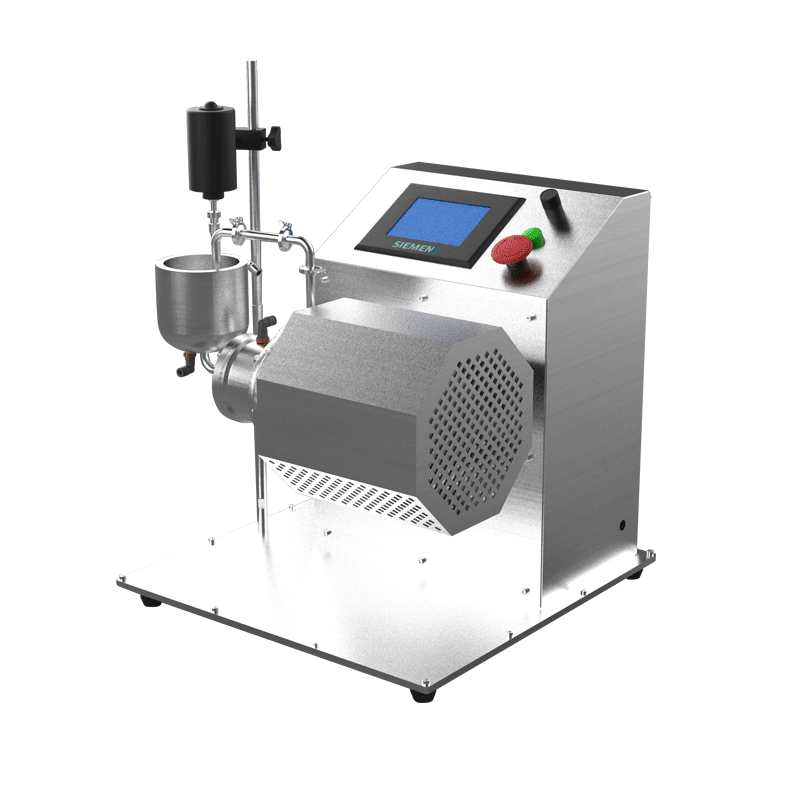
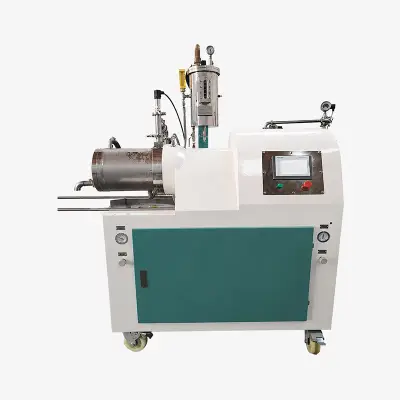
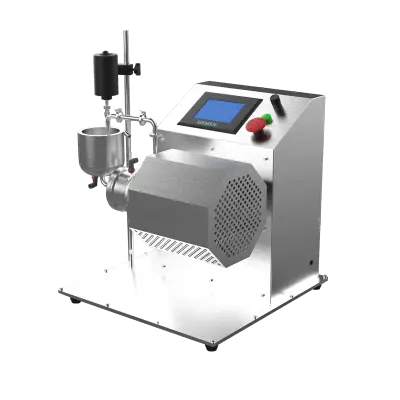
If you work with pigments, battery materials, ceramics, or advanced coatings, you have probably hit the same wall: the powder is fine, but the slurry still feels gritty, settles fast, or fails a particle-size check. A lab horizontal bar pin nano sand mill is built for that small-batch problem. It uses a horizontal grinding chamber, a rotating shaft with pins or bars, and tiny grinding beads. The shaft spins, the beads collide, and the slurry is pushed through an energetic bead bed. That is wet milling: particles are broken down and dispersed in liquid, not just mixed.
Think of it as a controlled storm inside a narrow tube. The pins add shear and impact, the beads do the fine work, and the horizontal layout helps keep the bead bed evenly loaded. That is why this design appears when a formula needs to move from “looks okay” to “stable and repeatable.”
Why the bar pin rotor matters for nano milling
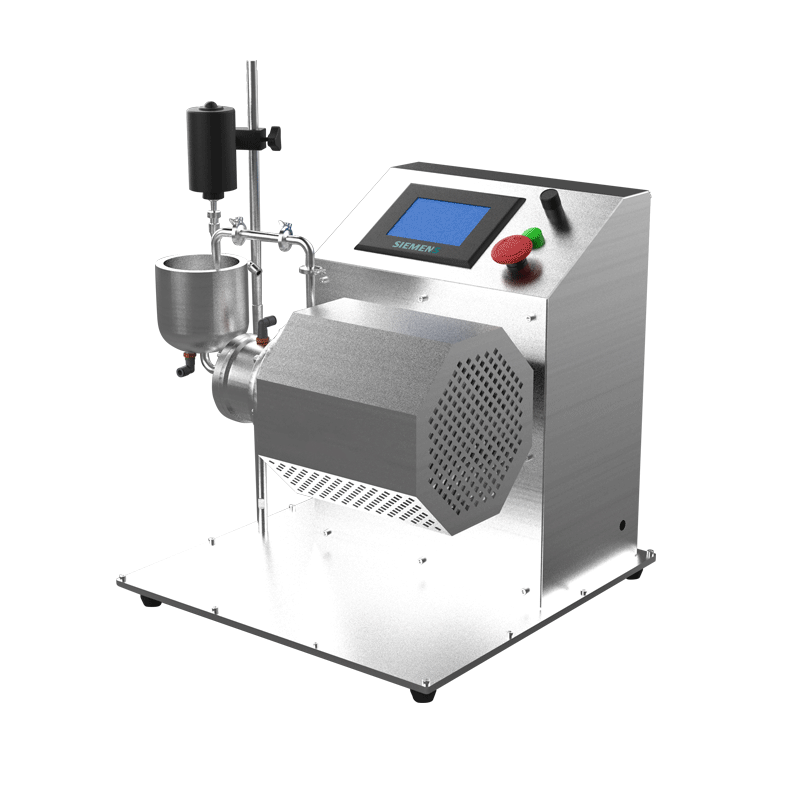
In a bead mill, the rotor is the engine of the process. A bar pin rotor creates strong local shear and repeated passes through the bead bed. For lab work, that can mean faster size reduction and better dispersion from a small sample. The horizontal chamber also helps control residence time and bead packing, which matters when you compare formulations.
What to check before choosing a lab sand mill
Start with your job, not a single number. What particle size do you need? How viscous is the slurry? How much sample per batch? Will fragile ingredients hate heat? Those answers shape chamber volume, motor power, speed range, bead size, and cooling. The lab horizontal bar pin nano sand mill product page is a sensible place to compare the available setup with your process window.
Also check cleanability and bead separation. A mill that is hard to clean can contaminate the next formula, and poor separation can flush beads into your product. Ask how the screen or gap works, how much dead volume remains, and how quickly the chamber opens for inspection.
How to run it without turning your sample into a volcano
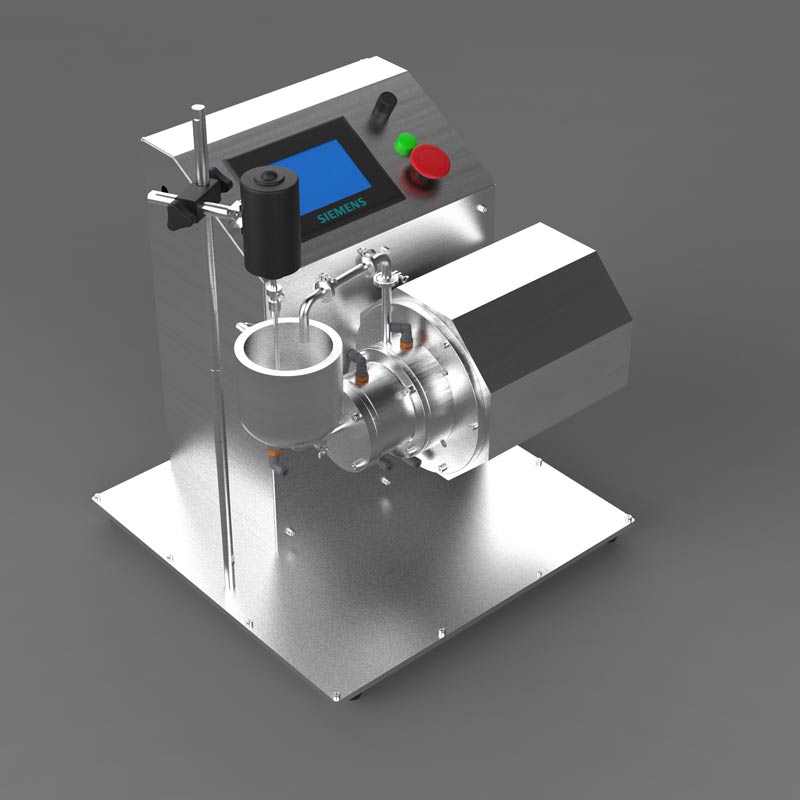
Start clean, use the right bead size, and add slurry gradually. Watch temperature, and do not chase maximum speed on the first pass. A short pre-mix can save grinding time; a cooling check can save heat-sensitive ingredients. Measure particle size between passes instead of relying on a fixed “run it for an hour” rule.
Working with TENCAN on the right setup
The lab horizontal bar pin nano sand mill from TENCAN is aimed at small-batch wet milling. Review the product details and available specifications to match chamber size, drive power, and controls to your lab. If your process is heat-sensitive or abrasive, say so early; those details affect bead choice and cooling.
Related Products
Get In Touch
Our professional team will reply to you within one business day. Please feel free to contact us!