
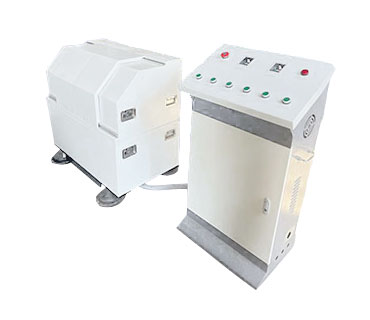
Continuous Planetary Ball Mill: Boost Powder Production with Continuous Grinding

If you’ve ever spent a whole shift loading, grinding, and unloading a batch ball mill, you know the pain. You’re constantly stopping and starting, and the results can vary from one batch to the next. Continuous planetary ball mills solve that problem by turning a batch process into a steady, uninterrupted flow. Think of it as the difference between cooking a single meal and running a buffet—you keep the food coming, and everyone gets a consistent portion. In this article, we’ll dig into what continuous planetary ball milling is, how it works, and why it’s becoming a go-to choice for industries that need fine powders at scale. We’ll also look at a solid example from TENCAN, a company that knows powder equipment inside and out.
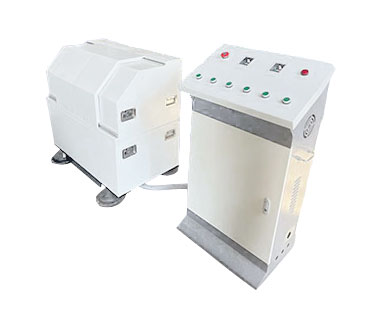
What Is a Continuous Planetary Ball Mill?
Let’s start with the basics. A planetary ball mill is a grinding machine that uses a clever motion to crush and mix materials. Instead of a single drum spinning on its axis, a planetary mill has grinding jars mounted on a rotating disk (the sun wheel). As the disk spins, each jar also spins in the opposite direction. This double rotation creates extremely high centrifugal forces—up to 20 times stronger than gravity—which slam the grinding balls into the powder. The result is fast, efficient size reduction down to the micron or even nanometer range.
Now, add the word “continuous.” In a traditional planetary ball mill, you load a fixed amount of material into the jar, run it for a set time, then stop and empty it. That’s batch processing. A continuous planetary ball mill, on the other hand, has a feed system that keeps adding material and a discharge system that keeps removing ground product. The mill runs without interruption, so you get a steady stream of powder instead of discrete batches. It’s like having a conveyor belt for grinding.
Batch vs. Continuous: The Key Difference
Batch mills are great for lab work or small-scale production. You can tweak the recipe for each batch, and you know exactly how much material you’re processing. But when you need tons of powder per day, batch processing becomes a bottleneck. Every time you stop to unload, you lose time, and you also introduce variability—the first batch might be ground a little finer than the last one. Continuous mills eliminate that stop-and-go cycle. Material flows in, gets ground, and flows out. Once you set the parameters, the process stays stable for hours or even days.
How Continuous Planetary Ball Milling Works
Picture a vertical or horizontal cylinder with an inlet at one end and an outlet at the other. Inside, there’s a rotating shaft with grinding jars or a specially designed chamber. As the material enters, it’s caught between the grinding media (usually balls made of steel, zirconia, or tungsten carbide). The planetary motion creates both impact and shear forces, breaking down particles. The ground powder travels through the mill and exits through a screen or classifier that keeps the coarse particles in the grinding zone until they’re small enough. The residence time—how long the material stays inside—depends on the feed rate and the mill’s internal design. By adjusting the feed rate, you control the final particle size.
Why Continuous Grinding Changes the Game for Powder Production
You might be thinking, “Okay, it runs continuously. So what?” The benefits go far beyond just avoiding downtime. Let’s break down the real advantages.
Higher Throughput, Less Downtime
This one is obvious but worth repeating. A continuous mill doesn’t need to stop for loading and unloading. That means more grinding hours per day, which translates directly into higher output. For a production line that runs 24/7, the difference can be huge—potentially doubling or tripling throughput compared to batch processing. And because the mill keeps running, you can schedule maintenance during planned shutdowns instead of scrambling when a batch finishes.
Consistent Particle Size Distribution
In batch milling, every batch can be slightly different. Maybe the humidity changed, or the operator was a little off on the timing. Continuous milling reaches a steady state. Once the mill is dialed in, the material that comes out the other end has a narrow particle size distribution. That consistency is critical for applications like battery materials, ceramics, and pharmaceuticals, where a small variation can ruin the final product. You’ll save money on quality control and reduce waste.
Energy Efficiency and Cost Savings
Running a mill continuously can be more energy-efficient per ton of product. Why? Because you’re not repeatedly heating up and cooling down the mill, and you’re not wasting energy on starting and stopping heavy rotating parts. Labor costs also drop because you don’t need someone to constantly load and unload jars. And less handling means less dust and material loss. Over a year, those savings add up.
Key Components of a Continuous Planetary Ball Mill
Understanding the main parts helps you appreciate how the machine works and what to look for when buying one.
Grinding Jar and Balls
The grinding jar is where the action happens. It’s usually a cylindrical container made from a hard, wear-resistant material. Common choices include stainless steel, tungsten carbide, agate, zirconia, and alumina. The material you’re grinding and the level of contamination you can tolerate dictate the best choice. For example, if you’re processing battery materials, you might use zirconia jars to avoid metal contamination. The grinding balls are made from similar materials and come in different sizes. Smaller balls give you finer grinding but less impact force; larger balls break down bigger chunks faster. Most mills use a mix of sizes to optimize the grind.
Feeding and Discharging System
A continuous mill needs a reliable way to feed material in and take product out. Feeding systems can be as simple as a hopper with a screw conveyor or as sophisticated as a vibratory feeder with a loss-in-weight controller. The goal is to deliver a steady, measurable flow. On the discharge side, you might find a screen, a cyclone, or a classifier that separates fine powder from coarse particles. Some mills use a vacuum or pneumatic system to pull the powder out. The key is to avoid clogging and ensure that material doesn’t back up into the grinding chamber.
Drive and Control System
The drive system provides the rotational power. Most modern continuous planetary ball mills use variable frequency drives (VFDs) so you can adjust the speed of the sun wheel and the jars independently. That flexibility lets you fine-tune the energy input. The control system is the brain of the operation. It can monitor temperature, vibration, power draw, and feed rate. Many systems include PLC controls with touchscreen interfaces, allowing you to set recipes and automate the entire process. Automation reduces human error and keeps the process repeatable.
Technical Parameters That Matter
When you’re evaluating a continuous planetary ball mill, these are the numbers you’ll want to pay attention to. Don’t just look at the max speed—consider how all these parameters work together.
Jar Volume and Rotation Speed
Jar volume determines how much material can be in the grinding zone at any given time. Larger jars can handle more throughput, but they also require more power to spin. Rotation speed affects the centrifugal force and therefore the grinding energy. There’s a trade-off: higher speed means faster grinding but also more wear and heat generation. You’ll need to find the sweet spot for your material.
Feed Rate and Retention Time
Feed rate is how fast material enters the mill. Retention time is how long it stays inside. These two are inversely related: if you feed faster, retention time drops, and the particles may not get fine enough. If you feed too slowly, you’re not using the mill’s full capacity. The right balance depends on your target particle size and the hardness of your material. In practice, you’ll run a few tests to dial it in.
Ball-to-Powder Ratio
This is the weight ratio of grinding balls to the material being ground. A higher ratio means more collisions and faster grinding, but it also means more wear on the balls and jar. Typical ratios range from 5:1 to 20:1. For hard, brittle materials, you might go higher; for softer materials, a lower ratio works fine. Experimentation is key.
Applications of Continuous Planetary Ball Mills
These mills aren’t just for one industry. Their ability to produce fine, consistent powders makes them useful across many sectors. Let’s look at some of the most common applications.
Mining and Minerals
In mining, continuous planetary ball mills are used to grind ore samples for assay analysis and to liberate valuable minerals from gangue. They can also prepare feed for flotation or leaching processes. The continuous operation fits well with the 24/7 nature of mining operations.
Ceramics and Glass
Ceramic manufacturers need fine, uniform powders for pressing and sintering. Continuous milling helps achieve the right particle size distribution for tiles, sanitaryware, and technical ceramics. Glass producers use it to grind frits and glazes. The consistency translates into better final product quality.
Chemicals and Pharmaceuticals
In the chemical industry, continuous planetary ball mills are used for milling catalysts, pigments, and specialty chemicals. In pharmaceuticals, they can mill active ingredients to improve bioavailability. The ability to run a closed, dust-free process is a big plus for handling potent compounds.
Battery Materials
Lithium-ion batteries rely on finely ground cathode and anode materials. Continuous planetary ball milling helps produce the uniform particle size needed for consistent electrochemical performance. As battery demand grows, continuous mills are becoming essential for scaling up production.
Food and Agriculture
From grinding grains and spices to processing plant materials for nutraceuticals, continuous mills offer a way to handle larger volumes without sacrificing fineness. They can also be used for making fine flour and cocoa powder.
How to Choose the Right Continuous Planetary Ball Mill
With so many options on the market, it helps to have a framework for decision-making. Here are the main things to consider.
Assess Your Material and Target Particle Size
Start by understanding your material. How hard is it? Is it abrasive? Does it react with air or moisture? What final particle size do you need? If you need sub-micron particles, you’ll likely need a high-energy mill with small grinding balls. If you’re grinding softer materials, you might get away with a lower-speed model. Also decide between dry and wet grinding. Wet grinding can help with dust control and often achieves finer sizes, but it requires drying afterward.
Match Capacity to Your Production Scale
Don’t buy a mill that’s too small—you’ll be running it at max capacity and wearing it out. Don’t buy one that’s too large—you’ll waste energy and floor space. Calculate your required throughput in kilograms per hour, then add a safety margin. Also consider future growth. It’s often cheaper to buy a slightly larger mill than to upgrade later.
Consider Automation and Ease of Maintenance
Look for a mill with easy access to the grinding chamber for cleaning and maintenance. Quick-release jars, replaceable liners, and accessible drive components save time and money. Automation features like automatic feed control, temperature monitoring, and remote diagnostics can reduce downtime and improve consistency. If you’re running multiple shifts, automation is almost a must.
Why TENCAN's Continuous Planetary Ball Mill Stands Out
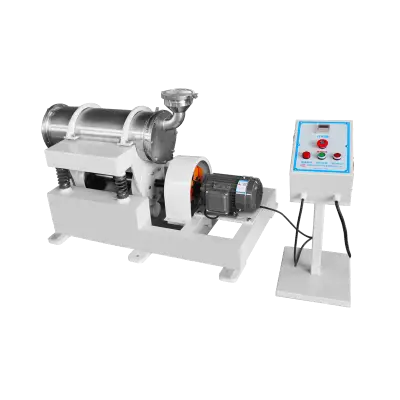
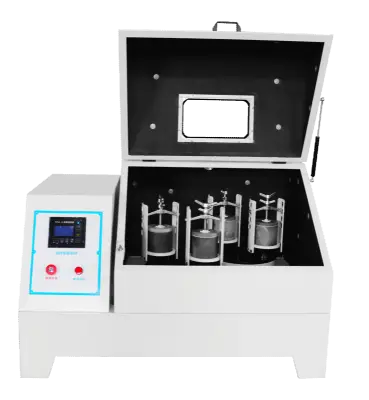
When you’re shopping for a continuous planetary ball mill, you want a supplier who understands the technology and backs it up with support. TENCAN (Changsha Tianchuang Powder Technology Co., Ltd.) has been focused on powder equipment for years, and their continuous planetary ball mill is a great example of what they bring to the table. It’s designed to handle a wide range of materials, from hard minerals to delicate chemicals, with a focus on reliability and ease of use. The mill incorporates a robust drive system, precise control, and a user-friendly interface. Whether you’re scaling up from lab tests or optimizing a full production line, TENCAN’s team can help you configure the right setup.
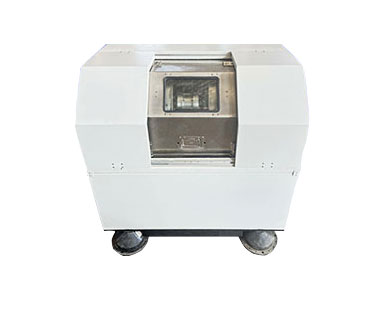
You can see the full specifications and learn more about how it works by visiting the product page: continuous planetary ball mill. It’s a solid starting point for comparing features and figuring out what fits your process.
Tips for Optimal Operation and Maintenance
Once you have your mill up and running, a little care goes a long way. Here are some practical tips to keep it performing at its best.
Regular Inspection of Grinding Media
Grinding balls wear down over time. As they get smaller, the grinding efficiency drops and the particle size distribution can shift. Set a schedule to inspect and replace worn media. The frequency depends on how abrasive your material is and how many hours you run. Keeping a log of media usage helps you predict replacement intervals.
Monitoring Temperature and Vibration
Continuous operation generates heat. If the mill gets too hot, it can damage the material or the seals. Install temperature sensors and set alarms. Vibration is another early warning sign. Excessive vibration usually means an unbalanced load, worn bearings, or misalignment. Catching it early can prevent a costly breakdown.
Cleaning and Preventing Cross-Contamination
If you switch between different materials, you need to clean the mill thoroughly to avoid cross-contamination. Some materials are sensitive to trace amounts of other substances. Use dedicated jars and media for each material if possible. If not, establish a cleaning procedure with appropriate solvents and check the cleanliness with a wipe test.
Common Questions About Continuous Planetary Ball Milling
Let’s tackle a few questions that come up often.
Can it handle both dry and wet grinding?
Yes, most continuous planetary ball mills can be configured for either dry or wet grinding. Wet grinding is often used when you need very fine particles or when dust is a concern. Dry grinding is simpler because you don’t need to dry the product afterward. Some mills can switch between the two with minor modifications.
How does it compare to attritor mills?
Attritor mills use a stirred media approach, where a rotating arm agitates the grinding balls. They’re great for large volumes and can handle high solids loading. Planetary mills, on the other hand, use higher centrifugal forces, which can achieve finer particle sizes faster. The choice depends on your target size, throughput, and budget. For many fine-grinding applications, planetary mills have an edge.
What about wear on the jar and balls?
Wear is inevitable, but you can manage it by choosing the right materials. For abrasive materials, use tungsten carbide or zirconia. For non-abrasive materials, stainless steel or agate may be fine. Regular inspection and replacement will keep your process consistent. Also, consider the cost of media as part of your operating budget.
Making the Switch to Continuous Grinding
Continuous planetary ball milling is a smart move for anyone who needs fine powders in large quantities. It boosts throughput, improves consistency, and reduces labor costs. The technology has matured to the point where it’s reliable and user-friendly, even for operators who are new to planetary milling. If you’re still running batch mills, it might be time to consider an upgrade.
To get started, check out TENCAN’s continuous planetary ball mill. You can find detailed specs and contact information on their product page: learn more here. Whether you’re in mining, ceramics, batteries, or pharmaceuticals, a continuous mill could be the missing piece in your production puzzle.
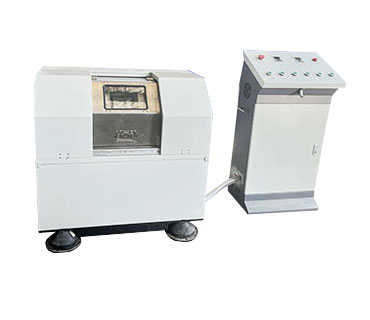
Related Products
Get In Touch
Our professional team will reply to you within one business day. Please feel free to contact us!