
Acrylic Glove Box: The Clear Choice

Welcome, fellow powder enthusiast! If you've ever worked with fine powders, reactive materials, or anything that absolutely cannot meet air, you know the struggle. You need a space that's clean, controlled, and lets you see what you're doing. That's where an acrylic glove box comes in. In this article, we're going to dive deep into the world of acrylic glove boxes: what they are, how they work, why they're awesome, and how you can use them effectively. We'll also look at how a TENCAN laboratory sand grinder can fit right in. So grab a coffee (or a glove), and let's get into it.
What Exactly Is an Acrylic Glove Box?
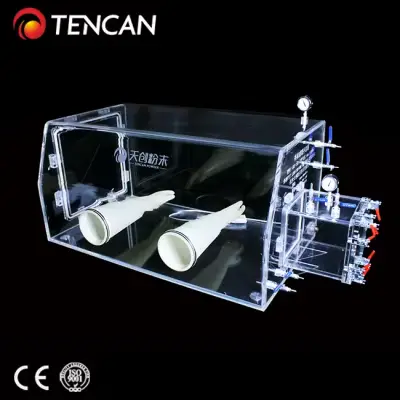
Let's start with the basics. A glove box is a sealed container that lets you manipulate things inside without directly touching them. You put your hands into long gloves that are attached to the box, and voilà—you're working in a controlled environment. An acrylic glove box is simply one where the main viewing panels and often the entire structure are made from acrylic plastic (also known as PMMA or Plexiglas).
Why acrylic? Because it's clear, lightweight, and tough. Unlike glass, acrylic won't shatter into dangerous shards. It's also easier to machine and shape, which means you can get a custom glove box without breaking the bank. Plus, acrylic has excellent optical clarity—you get a crystal-clear view of your work, which is crucial when you're dealing with tiny powders or delicate samples.
Acrylic glove boxes come in all shapes and sizes, from small benchtop units to large walk-in enclosures. They can be simple, with just a pair of gloves and a port for gas exchange, or highly sophisticated, with airlocks, HEPA filters, and gas purification systems. The key is that they create a barrier between you and the stuff inside, protecting both you and your materials.
Now, you might be thinking: 'Isn't acrylic just plastic? Won't it outgas or get scratched?' Good questions. We'll tackle those later. For now, just know that acrylic is a popular choice for many lab and industrial applications because it balances cost, visibility, and performance.
The Science of Clear Containment: How Acrylic Glove Boxes Work
At its core, a glove box is about isolation. You want to keep the inside atmosphere separate from the outside world. In an acrylic glove box, that isolation is achieved through a few key components:
- The enclosure: The acrylic walls, top, and bottom form the physical barrier. They're sealed at the joints, often with gaskets or silicone.
- Glove ports and gloves: These are the openings where the gloves attach. The gloves are usually made of neoprene, butyl, or viton, depending on the chemicals involved. They allow you to reach inside while maintaining the seal.
- Airlock or transfer chamber: If you need to bring items in or out without exposing the interior to the outside atmosphere, you use an airlock. It's like a small antechamber that can be sealed off and purged.
- Gas control system: Many acrylic glove boxes are used with inert gases like nitrogen or argon. You can have a simple purge valve or a full recirculating system with oxygen and moisture sensors.
- Filtration: HEPA or ULPA filters can be added to keep particles from escaping or entering.
When you work in a glove box, you're essentially creating a mini-environment. You can fill it with dry air, nitrogen, or even a special gas mixture. You can keep it at a slight positive pressure so that if there's a leak, gas flows out rather than contaminants flowing in. Or you can use negative pressure if you're working with hazardous materials—that way, any leak pulls air in, keeping the bad stuff contained.
Acrylic plays a big role in how this all works because it's transparent. You can see the pressure gauges, the samples, and the gloves themselves. That visibility reduces errors and makes the whole process less stressful. Trust me, trying to do delicate work in a stainless steel box with only a tiny window is no fun. Acrylic gives you a panoramic view.
Also, acrylic is a poor conductor of heat, which can be an advantage if you're working with temperature-sensitive materials. It doesn't transfer heat as readily as metal, so it helps maintain a stable internal temperature. And it's non-magnetic, so it won't interfere with magnetic stirrers or other equipment.
When You Need an Acrylic Glove Box: Applications Across Industries
Acrylic glove boxes are used in a surprisingly wide range of fields. Let's explore some of the most common ones.
Pharmaceuticals and Biotechnology
In pharma and biotech, contamination is the enemy. You might be handling potent compounds, cell cultures, or sterile powders. An acrylic glove box provides a clean environment where you can weigh, mix, or fill without exposing yourself or the product to the outside world. The clear walls let you monitor everything, which is critical for aseptic technique. You can also use them for compounding hazardous drugs—the gloves keep you safe, and the acrylic lets you see exactly what you're doing.
Moreover, many biological samples need a controlled humidity and temperature. You can add a humidifier or a small heater inside the box to maintain optimal conditions. And because acrylic is easy to sterilize with alcohol or UV light, you can keep the interior bioburden-free. Some researchers even use acrylic glove boxes for cell culture, where they need to manipulate cells without contamination. The transparency is a huge plus when you're working under a microscope.
Electronics and Semiconductor Manufacturing
Microchips and electronic components are extremely sensitive to moisture, oxygen, and particles. An acrylic glove box with a nitrogen atmosphere can protect these delicate parts during assembly, repair, or testing. The acrylic won't generate static electricity like some plastics, and it's easy to clean. Plus, you can integrate microscopes and tools through ports, giving you a mini cleanroom on your bench.
In semiconductor labs, glove boxes are used for handling wafers, applying photoresists, and packaging. Acrylic boxes are particularly useful for R&D because they're affordable and can be customized quickly. You can add a spin coater, a hot plate, or a probe station inside. The see-through walls let you align masks and inspect wafers without opening the box, which would introduce contaminants.
Materials Science and Nanotechnology
Nanomaterials, quantum dots, and other advanced materials often need to be handled in inert conditions. An acrylic glove box lets you synthesize, characterize, and store these materials without oxidation or contamination. The visibility is a huge plus when you're working with tiny particles that you can barely see. And because acrylic is lightweight, you can move the box around or set it up in a fume hood if needed.
For instance, if you're making perovskite solar cells, you know that moisture is the enemy. An acrylic glove box with a dry nitrogen atmosphere can extend the lifetime of your precursors and improve device performance. Similarly, if you're working with lithium metal, you need an oxygen and moisture-free environment. Acrylic boxes with gas purifiers can achieve <1 ppm O2 and H2O, which is good enough for many battery experiments.
Powder Processing and Grinding
Here's where our friend the laboratory sand grinder comes in. Many powders—whether they're ceramics, metals, or pharmaceuticals—need to be ground to a fine particle size. But grinding generates dust, heat, and sometimes toxic fumes. An acrylic glove box provides a contained space where you can operate a mill without releasing dust into your lab. You can also control the atmosphere to prevent oxidation or moisture absorption during grinding.
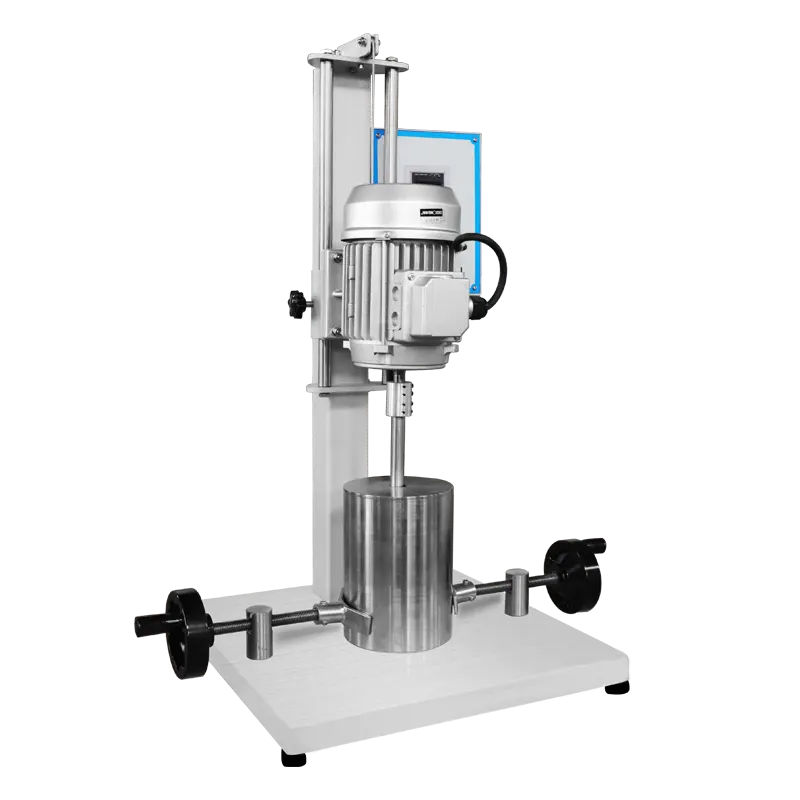
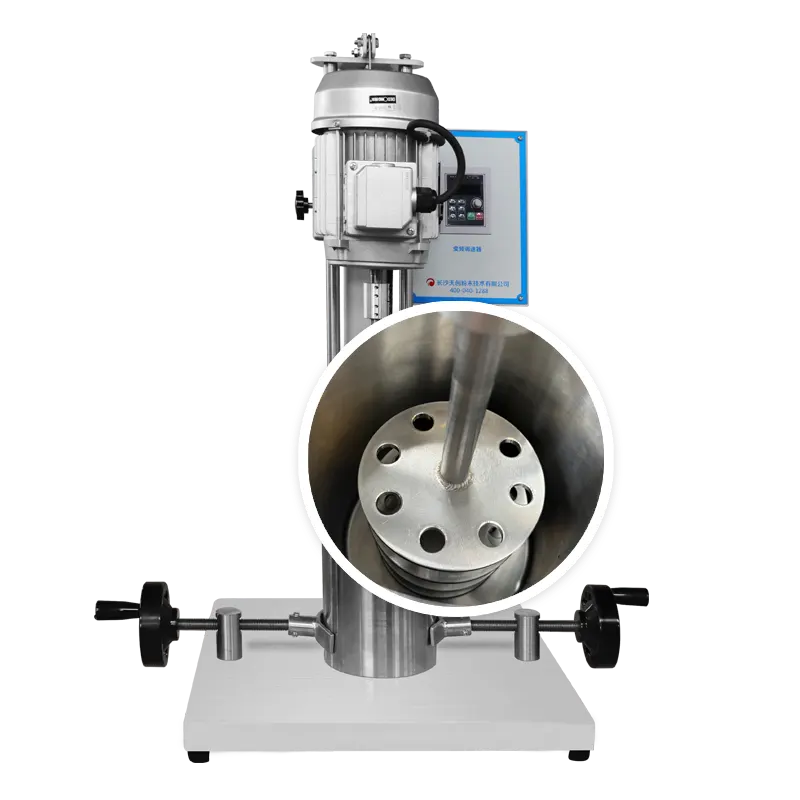
For example, TENCAN's Laboratory Sand Grinder is a compact piece of equipment that fits nicely inside a glove box. It's designed for fine grinding and dispersion of materials in a liquid medium (hence 'sand' grinder, which is another name for a bead mill). By placing it inside an acrylic glove box, you can grind air-sensitive powders under nitrogen, keep the workspace clean, and protect your health. The clear acrylic lets you watch the grinding process in real time, so you can adjust parameters as needed.
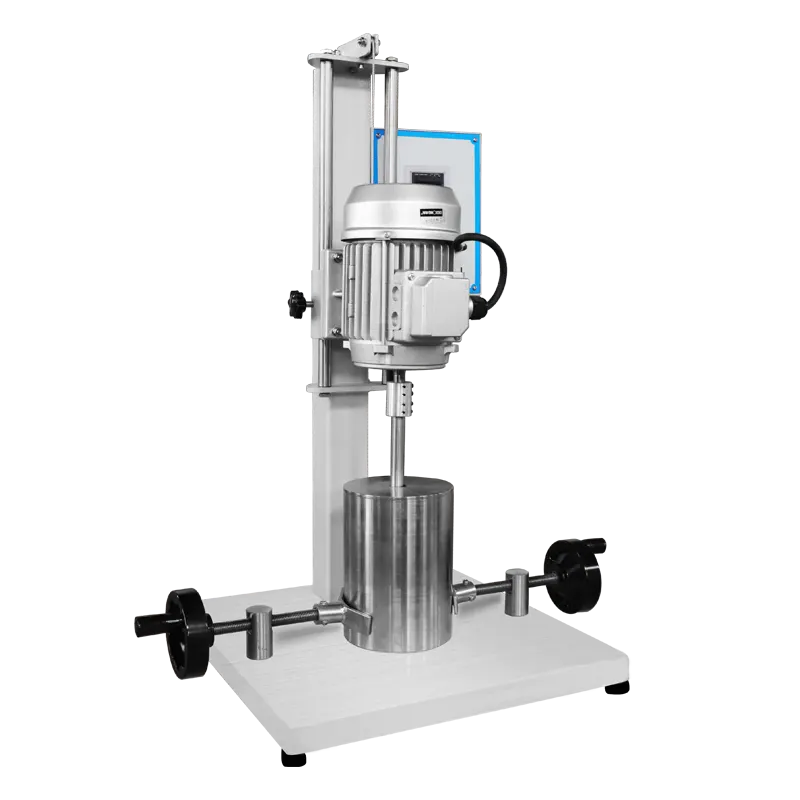
Another advantage: acrylic is easy to drill and modify, so you can add ports for electrical cords, cooling lines, or sensors. You can also build a custom glove box that accommodates the sand grinder's dimensions and vibration. Just make sure you mount the grinder on a stable base—acrylic can transmit vibrations, so you might want to use rubber feet or a separate platform.
Beyond the sand grinder, you might also use a ball mill, a mortar and pestle, or a sieve inside an acrylic glove box. The key is to keep the powder contained and the atmosphere controlled. Whether you're milling ceramics for sintering or grinding pharmaceuticals for better bioavailability, a glove box makes the process safer and more reliable.
Nuclear and Hazardous Materials
In nuclear labs or facilities handling radioactive materials, glove boxes are a staple. Acrylic is used for lower-level radioactive work because it's transparent and easy to decontaminate. However, for high radiation, other materials might be preferred. Still, for many applications, an acrylic glove box offers a good balance of safety and visibility. You can also use them for handling toxic chemicals, as long as the acrylic is compatible with the chemicals involved.
When working with hazardous materials, you'll want a negative pressure glove box. That means the interior is kept at a lower pressure than the room, so if there's a leak, air flows in rather than out. You'll also need HEPA filters on the exhaust to trap particles. Acrylic is easy to wipe down, and you can use a decontamination solution that won't damage it. Just be aware that some radioactive isotopes emit gamma rays that can degrade acrylic over time, so regular inspection is important.
Designing Your Acrylic Glove Box: Key Features to Consider
If you're in the market for an acrylic glove box, you have options. Here are the main features you should think about.
Size and Ergonomics
How much space do you need? For small tasks like weighing powders, a benchtop box might be enough. For larger operations like operating a sand grinder or assembling components, you might need a floor-standing unit or a custom size. Consider the height of the gloves and the reach. You don't want to be hunched over for hours. Also, think about the depth—you need room to move your arms comfortably.
Ergonomics is often overlooked. A glove box that's too low or too high can cause back pain and fatigue. Measure your seated or standing work height and choose a box that fits. Some manufacturers offer adjustable stands or tables. Also, consider the placement of gloves—they should be at a comfortable angle, not straight out. If you're working with a partner, you might want two sets of gloves on opposite sides.
Glove Ports and Gloves
Glove ports come in different sizes and configurations. Standard ports are about 6 to 8 inches in diameter. The gloves themselves are critical. Neoprene is good for general use and offers decent chemical resistance. Butyl is better for highly reactive chemicals. Viton is excellent for harsh solvents but more expensive. You can also get gloves that are thicker for heavy-duty work or thinner for delicate tasks. Some boxes have multiple glove ports, allowing two people to work simultaneously or just giving you more flexibility.
When choosing gloves, think about the tasks you'll perform. If you need dexterity, go with thinner gloves. If you're handling sharp objects, thicker is better. Also, consider the length of the gloves—they should reach your mid-forearm or higher to prevent skin exposure. And always inspect gloves for holes or cracks before each use. A simple pressure test can save you from a nasty surprise.
Airlock Systems
An airlock lets you transfer items in and out without contaminating the interior. There are two main types: the pass-through box (a simple chamber with two doors) and the vacuum airlock (which can be evacuated and backfilled with gas). For inert atmosphere work, a vacuum airlock is often necessary. It's a bit more expensive but worth it if you need to maintain ultra-low oxygen and moisture levels.
If you're on a budget, you can start with a simple pass-through box and upgrade later. But if you're working with highly sensitive materials, don't skimp on the airlock. A good vacuum airlock can cycle multiple times per hour and has a large enough chamber to fit your samples and tools. Some airlocks even have a built-in heater to bake out moisture.
Gas Purification and Atmosphere Control
If you're just trying to keep dust contained, you might not need a gas purification system. But if you're working with oxygen-sensitive materials, you'll want a way to control the atmosphere. This can be as simple as a gas inlet and a pressure relief valve, or as complex as a recirculating purifier with copper catalyst and molecular sieve. The purifier removes oxygen and moisture, allowing you to achieve levels below 1 ppm. That's essential for some battery research or semiconductor work.
When selecting a purifier, consider the size of your glove box and the frequency of use. A larger box or frequent airlock cycles will require a more powerful purifier. Also, think about regeneration—copper catalyst needs to be regenerated with hydrogen, which requires additional equipment. Some modern purifiers use a non-regenerative catalyst that you simply replace when exhausted. That's more convenient but costs more over time.
Lighting and Electrical Feedthroughs
Good lighting is a must. You can use LED strips inside the box, or external lights that shine through the acrylic. Make sure the lights don't generate too much heat. Electrical feedthroughs let you power equipment inside—like your sand grinder, a stirrer, or a hot plate. You'll need sealed connectors to maintain the atmosphere. Plan for enough ports so you don't have to redo everything later.
Also, consider adding a viewing window on the top or side if you need to look down at your work. Some acrylic boxes have sloped fronts for better visibility. And don't forget about cable management—a mess of wires inside the box can be frustrating and even dangerous. Use cable ties and keep things organized.
Acrylic vs. Other Glove Box Materials: A Fair Comparison
Acrylic isn't the only material used for glove boxes. Let's see how it stacks up against common alternatives.
| Material | Pros | Cons |
|---|---|---|
| Acrylic | Excellent clarity, lightweight, impact-resistant, low cost, easy to modify | Can scratch, may outgas slightly, limited chemical resistance (especially to solvents), not suitable for high heat |
| Glass | Superior chemical resistance, scratch-resistant, high clarity | Heavy, fragile, expensive, difficult to modify |
| Stainless Steel | Durable, excellent chemical resistance, easy to clean, autoclavable | Opaque (requires windows), heavy, expensive, can be conductive |
| Polycarbonate | Very impact-resistant, good clarity, lightweight | More expensive than acrylic, can yellow over time, less chemical resistance than glass |
As you can see, acrylic is a great middle ground. It's not perfect for every situation—if you're working with aggressive solvents like acetone or chlorinated compounds, acrylic might cloud or crack. But for many powders, biological samples, and general lab work, it's a fantastic choice. And let's be honest: the price is much friendlier than stainless steel or glass.
One more thing: acrylic can be bonded with solvent cement or welded, so you can create complex shapes and add-on modules. Glass and stainless steel require more specialized fabrication. This makes acrylic ideal for prototyping and custom projects. If you need a one-of-a-kind glove box, acrylic is your friend.
Maintaining Your Acrylic Glove Box: Tips for Longevity and Safety
An acrylic glove box is an investment, so you want it to last. Here are some maintenance tips.
- Clean with care: Use a soft cloth and mild soap or a plastic cleaner. Avoid abrasive pads or ammonia-based cleaners, which can scratch or cloud the acrylic.
- Check seals and gaskets: Regularly inspect the seals around the gloves, doors, and ports. Replace them if they're cracked or worn. A leaky glove box is a useless glove box.
- Handle gloves gently: Don't yank on the gloves or use them to lift heavy objects. They can tear, and replacing them can be a pain. Also, store gloves inside the box when not in use to prevent UV damage.
- Control the environment: If you're using a purifier, follow the manufacturer's maintenance schedule. Replace filters and catalyst as needed.
- Avoid sharp objects: Acrylic scratches easily. Be careful with tools and glassware inside the box. You can use protective mats on the floor of the box.
- Monitor pressure: Don't over-pressurize the box. A slight positive pressure is fine, but too much can stress the acrylic and cause cracks.
If you do get a scratch, don't panic. Minor scratches can be polished out with a plastic polish kit. Deep cracks, however, might require professional repair or replacement. So treat your acrylic box with respect.
Also, keep a log of your glove box usage. Note when you changed gloves, when you replaced filters, and any anomalies. This log can help you troubleshoot problems and plan maintenance. And if you ever need to validate your glove box for regulatory purposes, you'll have the documentation ready.
Common Mistakes to Avoid When Using an Acrylic Glove Box
Even experienced users make mistakes. Here are a few to watch out for.
- Not purging properly: Before you start working, make sure you've purged the box enough to reach your desired atmosphere. Rushing this step can ruin your experiment.
- Overloading the box: Don't cram too much equipment or material inside. You need room to move, and airflow matters if you're using a purifier.
- Using incompatible chemicals: Check the chemical compatibility of acrylic before you bring anything inside. Solvents like acetone, MEK, and chlorinated hydrocarbons can damage acrylic.
- Ignoring ergonomics: If you're uncomfortable, you'll make mistakes. Adjust the height of your chair and the box so you can work without strain.
- Forgetting about static: Acrylic can build up static electricity, which can be a problem with powders. You can use an ionizer or anti-static gun to neutralize it.
- Neglecting maintenance: As mentioned, keep seals and gloves in good shape. A small leak can lead to big problems.
Another mistake is using the wrong gas. If you're using nitrogen, make sure it's high purity (99.999% or better). Moisture and oxygen can sneak in if your gas supply isn't clean. Also, don't forget to purge the airlock before transferring items. A common error is to open the inner door too quickly, letting air rush in. Patience is key.
Step-by-Step: Setting Up Your Acrylic Glove Box for the First Time
So you've just received your brand-new acrylic glove box. Now what? Here's a simple setup guide.
- Unpack and inspect: Check for any damage during shipping. Look for cracks, scratches, or missing parts. If something is wrong, contact the supplier immediately.
- Choose a location: Place the box on a sturdy, level surface. Avoid direct sunlight, which can degrade acrylic over time. Also, keep it away from heat sources.
- Install gloves: Attach the gloves to the ports. Make sure they're securely fastened and don't have any twists. You can use O-rings or clamps depending on the design.
- Connect gas lines: If you're using inert gas, connect the inlet to your gas cylinder via a regulator. Use a hose that's compatible with your gas. Check for leaks with a soap solution.
- Set up the purifier: If you have a recirculating purifier, follow the manufacturer's instructions to connect it. You'll need to run it for a few hours to reach low oxygen and moisture levels.
- Leak test: Pressurize the box slightly and check for leaks using a bubble test or a pressure gauge. A drop in pressure indicates a leak. Fix any leaks before proceeding.
- Purge: Open the gas inlet and let the gas flow through the box for several minutes. Use the airlock to cycle the atmosphere several times. Monitor your oxygen and moisture sensors until they reach the desired levels.
- Organize: Place any equipment, tools, and materials inside. Arrange them for easy access. Don't overload the box.
- Record baseline: Note the initial readings of your sensors. This will help you detect changes later.
Setting up a glove box is not rocket science, but it does require attention to detail. If you're unsure about any step, consult the manual or ask an experienced colleague. A properly set up glove box will serve you well for years.
Safety First: Protocols for Working in an Acrylic Glove Box
Safety is paramount when working in a glove box. Here are some protocols to follow.
- Wear appropriate PPE: Even though the glove box provides containment, you should still wear safety glasses, a lab coat, and possibly a face mask. The gloves are your primary protection, but they can fail.
- Never eat or drink in the lab: This is standard lab safety, but it's worth repeating. Don't bring food or beverages near your glove box.
- Know your chemicals: Read the safety data sheets (SDS) for all materials you'll be handling. Understand their hazards and what to do in case of a spill.
- Use a buddy system: If you're working with particularly hazardous materials, have someone else nearby who can help in an emergency.
- Emergency procedures: Know how to shut off gas flow, how to evacuate the box, and how to clean up spills. Keep a spill kit nearby.
- Regular training: If you're new to glove boxes, get training from an experienced user. Practice with non-hazardous materials first.
Also, consider the risk of implosion or explosion. If you're working with a vacuum, make sure the acrylic can withstand the pressure differential. Acrylic is strong, but it's not indestructible. Always follow the manufacturer's pressure limits. And never use a glove box that has visible cracks or damage.
Frequently Asked Questions About Acrylic Glove Boxes
How do I know if I need an acrylic glove box or a stainless steel one?
It depends on your application. If you need maximum visibility, low cost, and don't work with aggressive solvents, acrylic is great. If you need high chemical resistance, durability, or will be working with strong acids or solvents, stainless steel might be better. Also, if you need to autoclave the box or work at high temperatures, stainless steel is the way to go. For most powder handling, biological work, and electronics, acrylic is more than sufficient.
Can I use an acrylic glove box with flammable gases?
You should be very cautious. Acrylic can build up static electricity, which could ignite flammable gases. If you must use flammable gases, ensure the box is properly grounded and use an inert atmosphere if possible. Also, install gas detectors and follow all safety regulations. In many cases, a stainless steel box with proper grounding is safer for flammable gas work.
What's the best way to clean an acrylic glove box?
Use a soft, lint-free cloth dampened with a mild soap solution or a commercial plastic cleaner. Avoid ammonia, alcohol, or abrasive cleaners, as they can cloud or scratch the acrylic. For disinfecting, use a 70% ethanol solution, but test a small area first. Always wipe gently and dry with a soft cloth.
How often should I replace the gloves?
It depends on usage. Inspect gloves before every use. If you see cracks, holes, or discoloration, replace them. As a rule of thumb, replace gloves every 3-6 months for regular use, or more often if you're working with harsh chemicals. Keep a spare set on hand.
Can I put a sand grinder inside an acrylic glove box?
Absolutely. In fact, it's a great combination. TENCAN's Laboratory Sand Grinder is compact and can be integrated into a glove box. Just make sure the box is large enough, and consider vibration isolation and cooling. The clear acrylic lets you monitor the grinding process, and the controlled atmosphere protects your material. It's a setup that many advanced labs use.
What is the typical lead time for a custom acrylic glove box?
That depends on the manufacturer and the complexity. Simple modifications might take a few weeks, while fully custom designs can take 6-8 weeks or more. It's best to plan ahead and communicate your needs clearly.
The Future of Acrylic Glove Boxes: Trends and Innovations
Glove box technology is evolving. Here are some trends to watch.
Smart glove boxes: Sensors and IoT connectivity are making their way into glove boxes. You can monitor oxygen, moisture, pressure, and temperature remotely. Some systems even log data for compliance.
Modular designs: Instead of a fixed box, you can get modular acrylic panels that snap together. This makes it easy to expand or reconfigure your setup as your needs change.
Advanced materials: Researchers are developing acrylic blends with better chemical resistance and scratch resistance. Coatings like hardcoat can extend the life of acrylic panels.
Integration with automation: Robotic arms and automated sample handling are becoming more common. Acrylic glove boxes can be designed with ports for robotic interfaces.
Energy efficiency: Gas purifiers are becoming more efficient, using less energy and less gas. This is good for both your wallet and the planet.
As materials science advances, the demand for controlled environments will only grow. Acrylic glove boxes will continue to be a go-to solution because they offer that unbeatable combination of visibility, affordability, and versatility.
Wrapping Up: Your Clear Path to Controlled Environments
So there you have it—a deep dive into acrylic glove boxes. We've covered what they are, how they work, where they're used, and how to choose and maintain one. We also looked at how a TENCAN laboratory sand grinder can be a perfect companion for powder processing inside a glove box.
Whether you're a researcher working with air-sensitive nanoparticles, a technician handling hazardous powders, or an engineer building the next generation of batteries, an acrylic glove box gives you the clarity and control you need. It's not just a box; it's a workspace that lets you see and do more.
If you're ready to take the next step, check out TENCAN's Laboratory Sand Grinder and imagine it inside your own acrylic glove box. With the right setup, you can handle even the most sensitive materials with confidence.
Thanks for reading, and happy grinding (safely, of course)!
Related Products
Get In Touch
Our professional team will reply to you within one business day. Please feel free to contact us!