
A Grade Corundum Planetary Mill Jar: The Ideal Choice for High-Purity Grinding

Why Your Planetary Ball Mill Deserves a High-Quality Jar
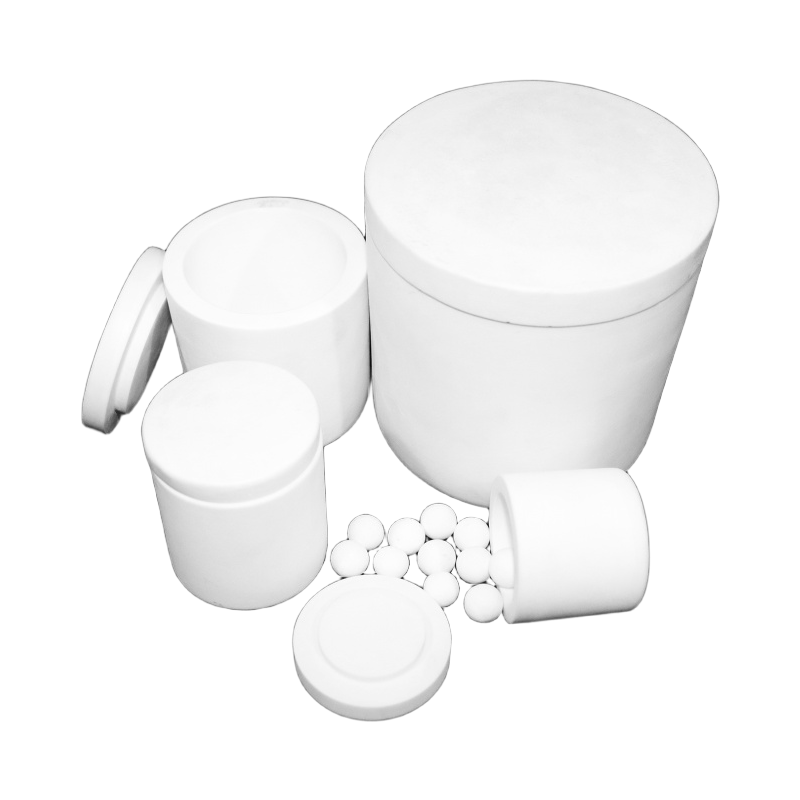
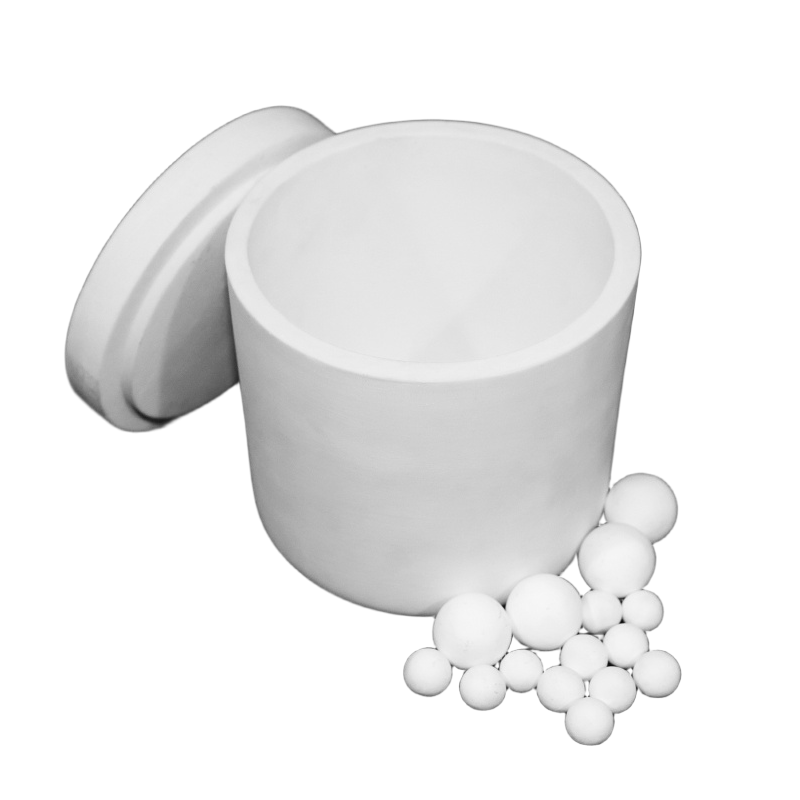
If you're running a planetary ball mill in your lab, you already know that the grinding jar is more than just a container—it's the heart of your milling process. The material of the jar directly impacts the purity, efficiency, and final particle size of your sample. Among the many options out there, the A Grade Corundum planetary mill jar stands out as a workhorse for researchers who need a balance of hardness, wear resistance, and chemical inertness without breaking the bank.
Today, we're going to take a close look at what makes this jar special, where it shines, and how you can get the most out of it. Whether you're grinding ceramics, minerals, or battery materials, this guide will help you decide if an A Grade Corundum jar is the right fit for your lab.
What Exactly Is A Grade Corundum?
Corundum is a crystalline form of aluminum oxide (Al₂O₃). In its natural state, it's the mineral that gives us ruby and sapphire. But the A Grade Corundum used in our jars is a high-purity synthetic version, sintered at high temperatures to create an extremely dense, hard ceramic. With a Mohs hardness of 9 (second only to diamond), it's incredibly resistant to abrasion and can handle tough grinding jobs without wearing down quickly.
The "A Grade" designation means the material meets strict quality standards: typically Al₂O₃ content ≥ 99%, low porosity, and uniform microstructure. This ensures consistent performance and minimal contamination of your samples. For applications where even trace metal contamination is unacceptable, an A Grade Corundum jar is a fantastic choice.
Why Choose Corundum Over Other Jar Materials?
You have plenty of options when it comes to planetary mill jars: agate, stainless steel, zirconia, tungsten carbide, and more. So why pick corundum?
Compared to Agate
Agate is a natural silica material with a hardness around 7. It's great for non-abrasive samples but can be brittle and expensive. Corundum is harder and more durable, making it a better choice for harder materials. Also, agate can introduce silicon contamination, which corundum avoids.
Compared to Stainless Steel
Stainless steel jars are tough and inexpensive, but they can introduce iron, chromium, and nickel into your sample. If you're doing trace analysis or preparing materials for electronics, that's a no-go. Corundum gives you a completely metal-free environment.
Compared to Zirconia
Zirconia (yttria-stabilized) is also very hard and wear-resistant, but it's significantly more expensive than corundum. For many applications, especially with materials that are not extremely hard (below Mohs 8), corundum provides excellent performance at a lower cost.
Compared to Tungsten Carbide
Tungsten carbide is the king of hardness, but it's heavy, costly, and can introduce tungsten and cobalt contamination. Unless you're grinding diamond or very hard alloys, corundum is more than adequate.
Key Specifications of A Grade Corundum Jars
Here are the typical parameters you can expect from a quality A Grade Corundum jar (like those from 长沙天创粉末技术有限公司 (TENCAN)):
- Material: High-purity synthetic corundum (Al₂O₃ ≥ 99%)
- Hardness: Mohs 9
- Density: 3.6 - 3.9 g/cm³
- Working Temperature: Up to 1000°C (but avoid thermal shock)
- Available Capacities: 50 ml, 100 ml, 250 ml, 500 ml, 1000 ml (custom sizes available)
- Color: White or off-white
- Chemical Resistance: Excellent against acids and alkalis (except concentrated HF)
- Sealing: Can be used with standard lids or vacuum lids for inert atmosphere grinding
Where to Use A Grade Corundum Jars
This jar is a versatile workhorse. Here are some common applications:
- Ceramic powders: Alumina, zirconia, silicon carbide, etc.
- Electronic materials: MLCC powders, piezoelectric ceramics, ferrites.
- Battery materials: Lithium cobalt oxide, graphite, solid electrolytes.
- Minerals and ores: Quartz, feldspar, apatite, etc.
- Chemical reagents: Many organic and inorganic compounds that require high purity.
- Glass and enamel: Frits, glass powders.
Tips for Getting the Best Results
Choose the Right Grinding Balls
For corundum jars, we recommend matching the ball material to the jar. Use corundum grinding balls or high-quality zirconia balls. Avoid steel balls unless you are okay with metal contamination.
Ball-to-Powder Ratio
A typical ratio is 4:1 to 10:1 by weight (balls to powder). For fine grinding, go higher. For mixing, lower.
Fill Level
Fill the jar only about 1/3 full with balls and material. Overfilling reduces efficiency.
Speed
Always follow your planetary ball mill's recommended speed range. Excessive speed can cause excessive wear or even breakage. For most mills, 300-400 RPM is a safe starting point.
Cleaning
After use, rinse with water and a mild detergent. For stubborn residues, a short mill cycle with clean sand or silica can help. Corundum is non-porous, so it cleans easily.
Why Trust TENCAN for Your Grinding Jars?
At 长沙天创粉末技术有限公司 (TENCAN), we specialize in high-quality planetary ball mills and accessories. Our A Grade Corundum jars are manufactured with strict quality control to ensure consistent density, hardness, and purity. Every jar is tested for leaks and dimensional accuracy. Whether you need a standard 100 ml jar or a custom 1000 ml vacuum jar, we can deliver.
We also offer a full range of other jar materials—304 stainless steel, zirconia, agate, nylon, polyurethane, PTFE, and tungsten carbide—so you can find the perfect match for your application.
Final Thoughts
If you're serious about achieving high-purity, contamination-free grinding results, the A Grade Corundum planetary mill jar is a smart investment. It combines the hardness of a ceramic with the affordability of a standard material, making it a go-to for many labs around the world. Whether you're working on new materials research or routine sample preparation, this jar will serve you well.
Ready to upgrade your milling game? Check out the A Grade Corundum planetary mill jar product page for more details and ordering options. Or contact TENCAN for a custom quote—we're always happy to help.
Related Products
A grade Corundum planetary Mill Jar
Premium corundum planetary mill jar made from high-purity corundum. Hardness second only to diamond. Ideal for advanced grinding of hard, brittle materials.
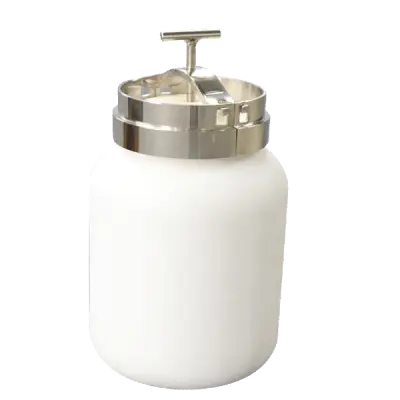
corundum roll mill jar
High-hardness corundum roll mill jar for advanced grinding. Paired with zirconia balls for superior wear resistance and durability in milling applications.
Get In Touch
Our professional team will reply to you within one business day. Please feel free to contact us!