
Lab Horizontal Bar Pin Nano Sand Mill: Your Gateway to Ultrafine Grinding Excellence

If you're into materials science, nanotechnology, or just trying to get your ink or paint perfectly smooth, you've likely heard about the struggle of achieving truly fine particles. We've all been there – spending hours on a ball mill only to find the particle size distribution is still too broad. That's where the lab horizontal bar pin nano sand mill steps in, and trust me, it's a game changer.
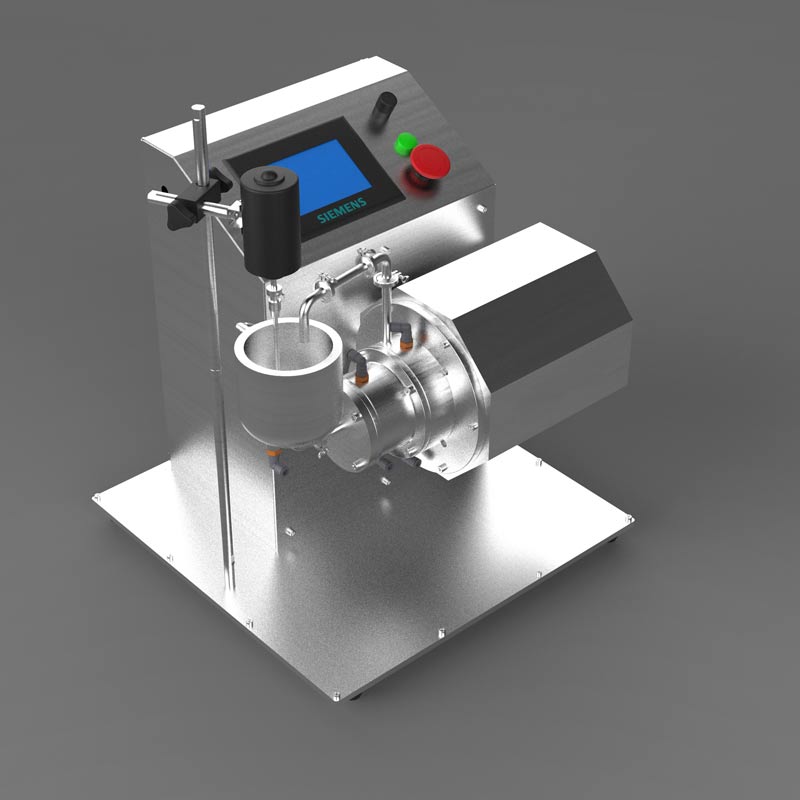
Let's talk about what this machine actually is. Think of it as a high-energy wet grinding mill designed specifically to take your slurry down to the nanometer range. It's not your grandpa's ball mill. This one uses a horizontal chamber filled with tiny grinding beads (like zirconia or glass beads) and a specially designed rotor with bar pins. The rotor spins at high speed, causing the beads to collide and shear the particles in your slurry. The result? You get a uniform, ultra-fine dispersion that's hard to beat.
How Does the Bar Pin Rotor Make a Difference?
You might be wondering, why bar pins? Why not a simple disc or a paddle? Great question. The bar pin design is a clever piece of engineering. Instead of just stirring the beads, the bar pins create a more uniform energy distribution throughout the chamber. This means every bead gets a chance to do its job, and there's no dead zone where big particles can hide.
In a typical horizontal sand mill, the rotor pushes the beads and slurry forward. But with bar pins, the motion is more chaotic – in a good way. The beads are accelerated in multiple directions, increasing the frequency of collisions. This translates to faster grinding and narrower particle size distributions. If you're working with materials like carbon nanotubes, quantum dots, or high-performance pigments, you'll appreciate the consistency.
Wet Grinding vs. Dry Grinding
This machine is a wet grinding mill. That means you feed it a liquid slurry (usually a mix of solid particles and a solvent or water). Why wet? Because for many applications, especially nano-scale, dry grinding just doesn't cut it. Wet grinding prevents agglomeration, reduces heat buildup, and allows you to control the viscosity. The lab horizontal bar pin nano sand mill is perfect for slurries that need to stay in a liquid phase – like paints, inks, battery electrode materials, or ceramic slurries.
And if you're scaling up from lab to production, you'll be happy to know that TENCAN powder also offers production type sand mills that use the same bar pin technology. So your process development data is directly transferable. No more guesswork.
Key Technical Parameters
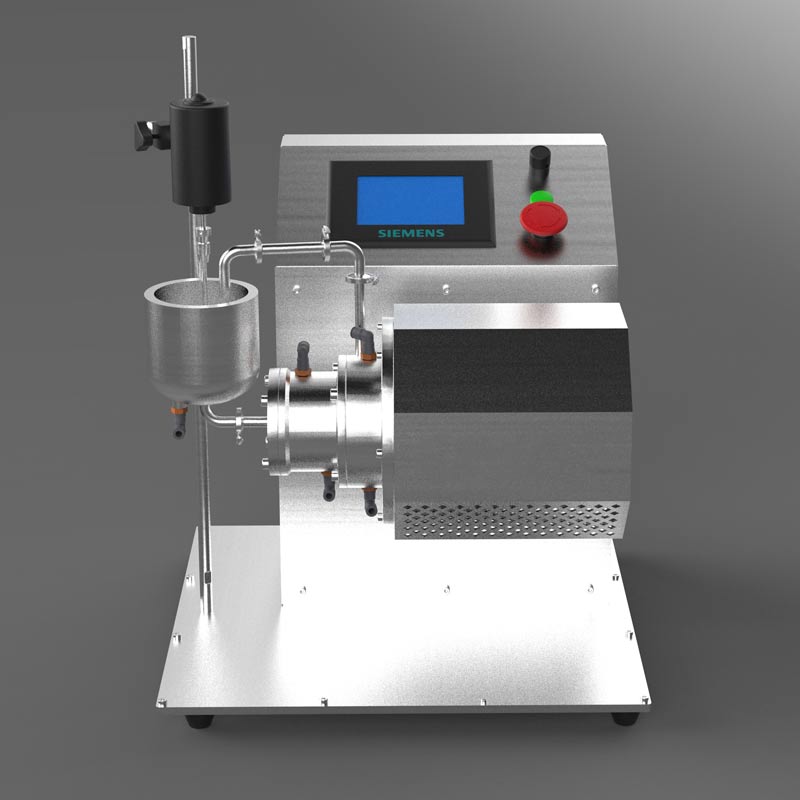
Let's get into the numbers. While specific models vary, the lab horizontal bar pin nano sand mill from TENCAN powder typically comes with a chamber volume ranging from 0.3 liters to 1.5 liters for lab use. The rotor speed can go up to 3000 rpm or more, depending on the model. The grinding beads used are usually 0.1 mm to 2.0 mm in diameter, and the machine can handle feed particles up to 100 microns, producing final particles down to 100 nanometers or even smaller.
Here's a quick look at typical specs:
- Chamber Volume: 0.3 L – 1.5 L
- Motor Power: 1.5 kW – 4 kW
- Rotor Speed: 0 – 3000 rpm (variable)
- Grinding Media Size: 0.1 – 2.0 mm
- Feed Particle Size: < 100 μm
- Final Fineness: < 100 nm (depending on material)
- Material of Construction: Stainless steel / Tungsten carbide / Ceramic (optional)
These parameters make it a versatile tool for R&D labs that need to test small batches (as little as 50 ml) before scaling up. The machine is compact, easy to clean, and designed for quick changeover between different materials.
What Can You Grind with This Mill?
The short answer: almost anything that can be wet-milled. But let's be more specific. Common applications include:
- Inks and Pigments: Achieve high gloss and transparency with nano-sized pigment particles.
- Paints and Coatings: Improve color strength and reduce settling.
- Ceramics: Produce ultra-fine ceramic powders for advanced structural and electronic ceramics.
- Battery Materials: Grind cathode and anode materials for lithium-ion batteries to improve performance.
- Nanomaterials: Disperse carbon nanotubes, graphene, and other nanoparticles.
- Pharmaceuticals: Reduce particle size for better bioavailability.
- Cosmetics: Create smooth, creamy formulations with fine pigments.
If you're working with any of these materials and struggling with conventional grinding methods, this mill could be your solution.
Why Choose TENCAN Powder's Lab Horizontal Bar Pin Nano Sand Mill?
You might be wondering, with so many sand mills on the market, what sets this one apart? First, the build quality. TENCAN powder (长沙天创粉末技术有限公司) has been in the powder equipment business since 2006, and they know what labs need. The machine is built with high-grade materials, precise engineering, and attention to detail. The seal system is designed to prevent leakage, which is crucial when working with expensive or hazardous materials.
Second, the bar pin rotor design is optimized for efficiency. Many cheaper mills use disc rotors that can't achieve the same level of energy density. The bar pin design ensures that all the beads are actively engaged, reducing grinding time and energy consumption.
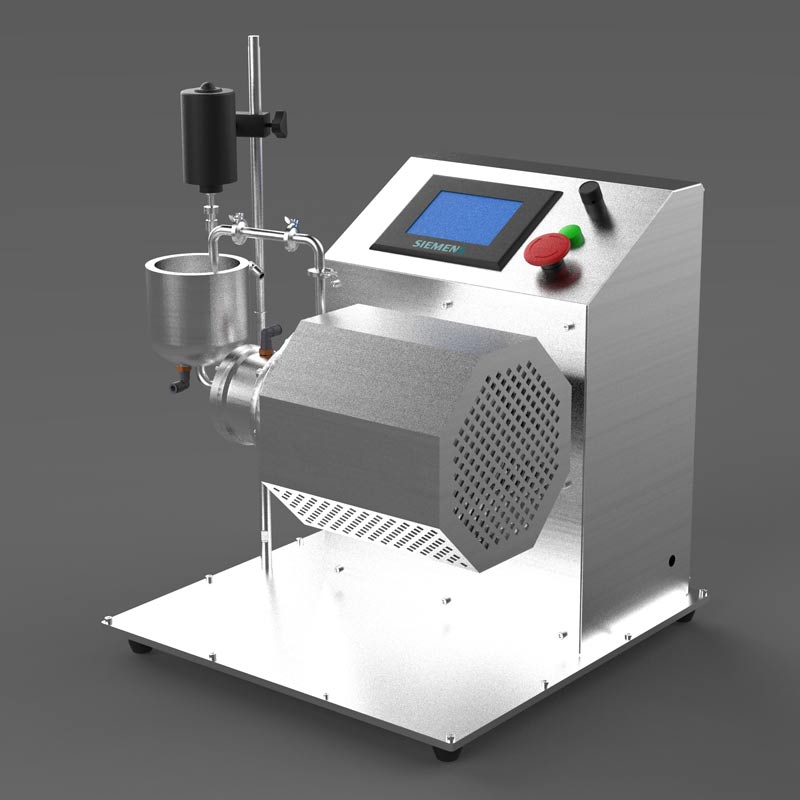
Third, the machine is easy to operate. It comes with a digital control panel that lets you set the speed and monitor the process. Cleaning is straightforward – just remove the chamber and rinse. And if you have special requirements, TENCAN powder can customize the mill with different chamber materials (like ceramic or tungsten carbide) to avoid contamination.
How to Choose the Right Model for Your Lab
When selecting a lab sand mill, consider the following factors:
- Batch Size: How much material do you need to grind per batch? The 0.3 L chamber is great for small samples, while 1.5 L can handle more.
- Material Hardness: For hard materials like ceramics, you might need a tungsten carbide or ceramic chamber to avoid wear.
- Required Fineness: If you need sub-100 nm particles, make sure the mill can achieve that with the right bead size.
- Viscosity: The machine can handle low to medium viscosity slurries. For very thick pastes, you might need a different type of mill.
- Cleaning Requirements: If you switch materials frequently, look for a model with easy disassembly.
TENCAN powder's engineering team can help you choose the right configuration. They also offer a range of grinding series equipment, including planetary ball mills and stirred mills, so you can find the perfect solution for your specific needs.
Tips for Getting the Best Results
To make the most of your lab horizontal bar pin nano sand mill, here are a few practical tips:
- Use the right bead size: Smaller beads (0.1–0.3 mm) are better for nano-grinding, but they can be harder to separate. Larger beads (0.5–2.0 mm) are good for initial grinding.
- Fill the chamber properly: Typically, the bead filling volume should be 70–80% of the chamber volume. Too few beads reduces efficiency; too many can cause overheating.
- Control the slurry viscosity: If the slurry is too thick, it won't flow well. If too thin, the beads may not be effectively captured. Adjust with solvent or dispersant.
- Keep the temperature in check: High-speed grinding generates heat. Some models have a cooling jacket – use it to prevent thermal degradation of your material.
- Monitor the particle size: Use a particle size analyzer to check the progress. Stop when you reach the target size to avoid over-grinding.
And remember, the lab horizontal bar pin nano sand mill is just one piece of the puzzle. If you're doing dry grinding or need to mix powders before wet milling, check out TENCAN powder's planetary ball mills or stirred ball mills.
Final Thoughts
If you're serious about nano-scale grinding, the lab horizontal bar pin nano sand mill is a tool you'll want in your lab. It's efficient, reliable, and backed by the expertise of a company that has been serving the scientific community for nearly two decades. Whether you're developing new materials, improving existing products, or just exploring the world of nanoparticles, this mill can help you get there faster.
Still have questions? Feel free to reach out to the TENCAN powder team. They're always happy to discuss your specific application and recommend the best setup. Happy grinding!
Related Products
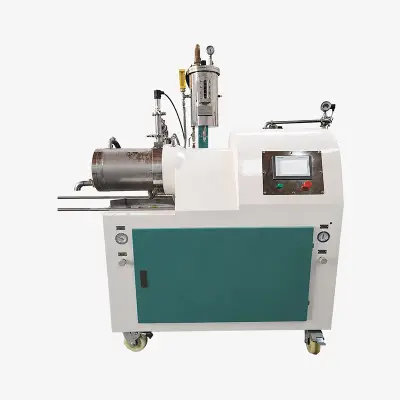
Production type sand mill
Production type nano sand mill for high-volume wet grinding to particle sizes below 200nm. Ideal for lithium battery materials, paints, inks, and pharmaceuticals with high efficiency.
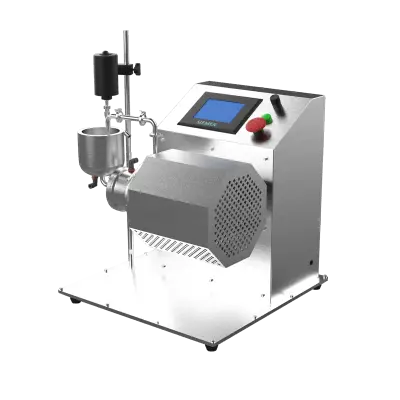
lab horizontal bar pin nano sand mill
TC-FT0.3 lab horizontal bar pin nano sand mill achieves continuous ultrafine dispersion for solid-liquid mixtures. Uses high-speed rotation of grinding media to refine particle size down to nano scale, ideal for advanced materials and nanotechnology R&D.
Get In Touch
Our professional team will reply to you within one business day. Please feel free to contact us!