
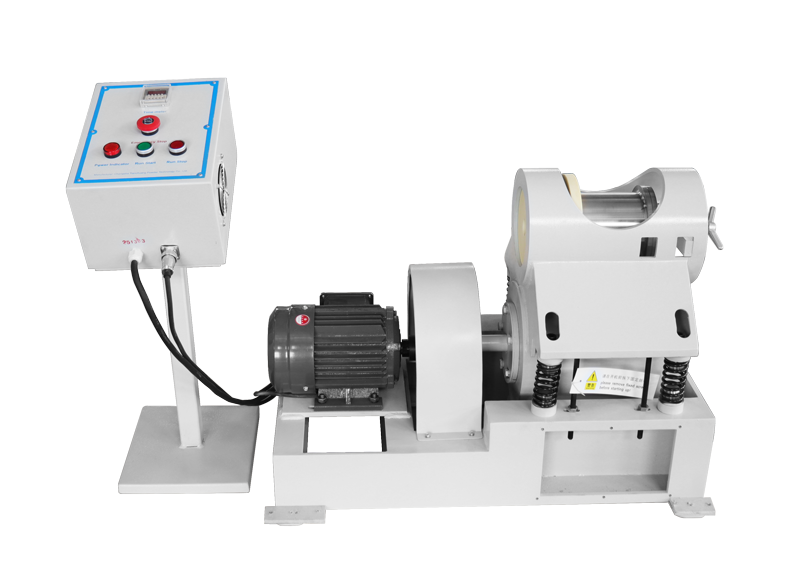
Lab Vibration Ball Mill: Your Ultimate Guide to High-Frequency Grinding

What Is a Lab Vibration Ball Mill?
If you've ever needed to grind a small sample down to the sub-micron level, you've probably heard of a lab vibration ball mill. Unlike a traditional planetary ball mill that relies on rotation and centrifugal force, a vibration ball mill uses high-frequency vibration to shake the grinding jar and its contents. The result? Extremely fine particles, often reaching 0.1 microns or even nano-scale.
Think of it like a super-powered shaker table. The grinding chamber is attached to a vibrating mechanism – usually two adjustable eccentric blocks that spin at high speed. This creates a three-dimensional vibration that forces the grinding media (balls) and the sample to collide, shear, and rub against each other thousands of times per second. It's intense, fast, and incredibly efficient.
At TENCAN (Changsha Tianchuang Powder Technology Co., Ltd.), we've been perfecting this technology for years. Our lab vibration ball mills are designed for both dry and wet grinding, and they come in various sizes to match your specific needs – from small R&D samples to continuous production.
How Does It Work?
The principle is straightforward: the grinding chamber is fixed on a vibration base. Beneath it, two eccentric blocks rotate in opposite directions, generating a high-frequency, low-amplitude vibration. This motion is transferred to the grinding media (typically ceramic or stainless steel balls) and the material inside the jar.
Here's what happens at the particle level:
- Impact: Balls collide with each other and with the jar walls, crushing the sample.
- Friction: The fast-moving balls create intense shear forces, tearing apart agglomerates.
- Attrition: Continuous rubbing reduces particle size progressively.
Because the vibration is three-dimensional, the grinding action is much more uniform than in a simple rotary mill. You can achieve sub-micron particle sizes in a fraction of the time.
For example, a typical lab vibration ball mill from our lab vibration ball mill series can handle feed sizes up to 10mm for soil and 3mm for other materials, and reduce them to 0.1μm or less. The grinding jar is sealed, so there's no dust or contamination.
Key Technical Parameters You Should Know
When choosing a lab vibration ball mill, keep an eye on these specs:
| Parameter | Typical Value |
|---|---|
| Feed size | ≤10mm (soil), ≤3mm (others) |
| Output size | 0.1μm (100 nm) or finer |
| Grinding method | Dry / Wet |
| Jar capacity | 50ml, 80ml, 100ml, etc. |
| Vibration frequency | Up to 1200 rpm |
| Material of jar | Agate, Zirconia, Stainless steel, Tungsten carbide, etc. |
| Control | Digital timer, speed control, forward/reverse |
One of the coolest features of modern vibration mills is the ability to program grinding cycles. You can set it to run forward for a few minutes, pause, then reverse – perfect for materials that generate heat or need uniform mixing. Some models even support vacuum or inert gas grinding for air-sensitive samples.
For instance, our lightweight vibrating ball mill is ideal for small batches and budget-conscious labs, while the heavy duty vibrating ball mill can handle larger volumes and continuous operation.
What Can You Grind With It?
The lab vibration ball mill is incredibly versatile. You'll find it used in:
- Geology & mining: Soil samples, ores, rocks for XRF/XRD analysis
- Ceramics & glass: Zirconia, alumina, quartz, glazes
- Electronics: Ferrites, piezoelectric ceramics, MLCC powders
- Pharmaceuticals: Herbal extracts, active ingredients
- Nanomaterials: Carbon nanotubes, graphene, nano-oxides
- Batteries: Cathode and anode materials for lithium-ion cells
- Chemistry: Catalysts, pigments, polymers
Because the grinding jar is sealed, you can also handle hazardous or toxic materials safely. And if you need to grind under vacuum or inert atmosphere, just choose a model with a vacuum-compatible jar.
Why Choose a Vibration Ball Mill Over a Planetary One?
You might be wondering: “Should I get a planetary ball mill or a vibration ball mill?” Great question. Both are excellent, but they shine in different scenarios.
Planetary ball mills are fantastic for uniform grinding with multiple jars – you can process four samples at once, each with different materials. They're also great for alloying and mechanical activation because the centrifugal forces can be very high.
Vibration ball mills, on the other hand, are unbeatable for ultra-fine grinding in a single jar – especially when you need to reach nano-scale quickly. The vibration action is gentler on the jar and generates less heat, so it's better for heat-sensitive materials. Also, vibration mills are typically smaller, quieter, and more affordable than planetary mills of similar capacity.
In many labs, having both is the ultimate setup. But if you're starting out and need a versatile, high-performance mill for small batches, a lab vibration ball mill is an excellent choice.
How to Use It – A Quick Walkthrough
Using a lab vibration ball mill is straightforward:
- Prepare your sample: Crush large chunks to ≤10mm (for soil) or ≤3mm (for others).
- Load the jar: Fill the jar to about 1/3 of its volume with grinding balls, then add your sample. Don't overfill – leave room for the balls to move.
- Seal the jar: Make sure the lid is tight. If you're using a vacuum jar, connect the vacuum pump.
- Set parameters: Choose speed, time, and direction (forward/reverse) on the digital controller.
- Start grinding: Hit the start button. The machine will vibrate vigorously. Most models have a safety lock to prevent accidental opening.
- Collect your powder: After the cycle ends, let the jar cool if needed, then open it and pour out the powder. You may need to sieve it for the final particle size.
Pro tip: For wet grinding, add a small amount of liquid (water, ethanol, or isopropanol) to the jar. This helps prevent agglomeration and can produce even finer particles.
Maintenance and Safety Tips
These machines are built to last, but a little care goes a long way:
- Check the eccentric blocks periodically – they should be tightly secured.
- Lubricate bearings every 3-6 months (check the manual).
- Clean the jar and balls after each use to avoid cross-contamination.
- Never run the mill empty – it can damage the vibration mechanism.
- Use ear protection if you're running it for long periods – it can be noisy!
Also, always operate the mill on a stable, level surface. Some models come with rubber feet or anti-vibration pads – use them.
Where to Buy a Lab Vibration Ball Mill?
If you're looking for a reliable, high-performance lab vibration ball mill, check out the selection at TENCAN's planetary ball mills website. We offer a range of models from lightweight to heavy-duty, all with digital controls, safety features, and multiple jar material options. Whether you need a lab sample grinder machine for routine analysis or a specialized mill for nano-powder synthesis, we've got you covered.
Still unsure which model fits your needs? Contact our team – we're happy to help you choose the right mill and jar combination. We've been in the powder equipment business for years, and we know what works.
Happy grinding!
Related Products
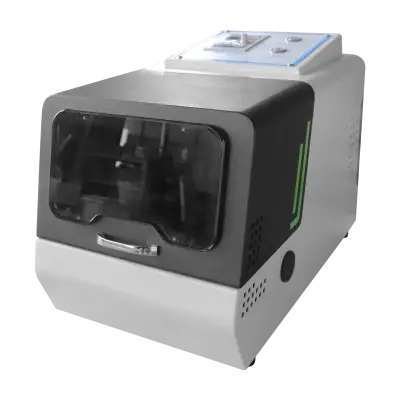
Micro Planetary Ball Mill
XQM-0.2
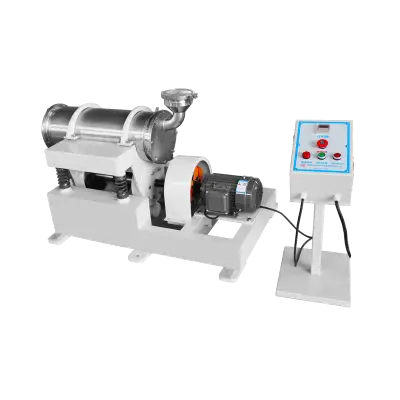
Lightweight vibrating ball mill
ZM
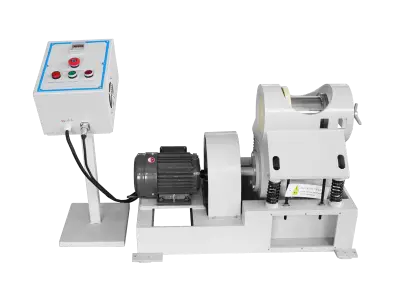
lab vibration ball mill
ZM
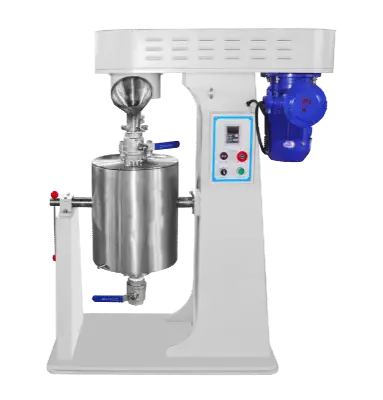
Lightweight stirred ball mill
JM
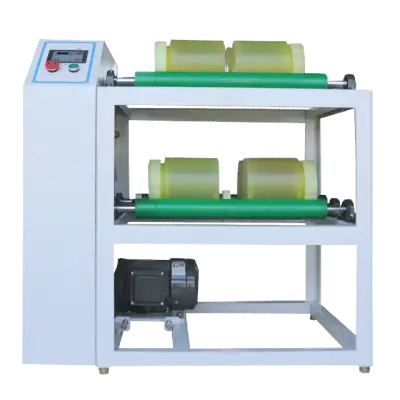
Jar mill with 8 working station
GQM-8
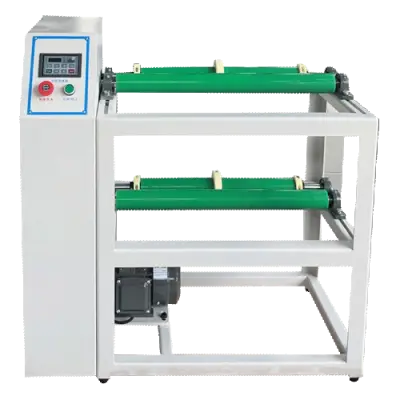
Four station jar mill
GQM-4
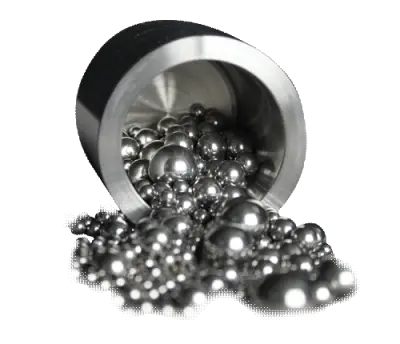
304 stainless steel grinding ball
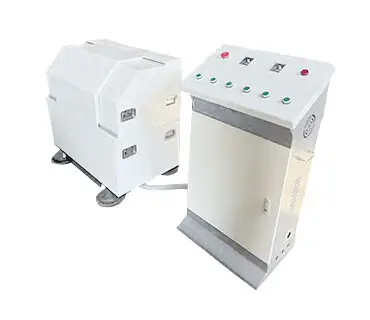
Continuous planetary ball mill
LXYM
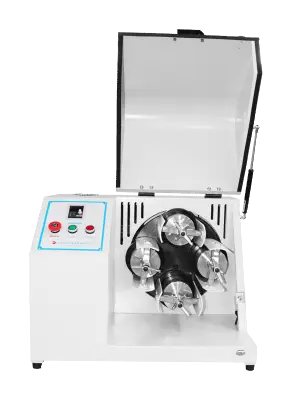
Horizontal light-duty ball mill
WXQM
Get In Touch
Our professional team will reply to you within one business day. Please feel free to contact us!