
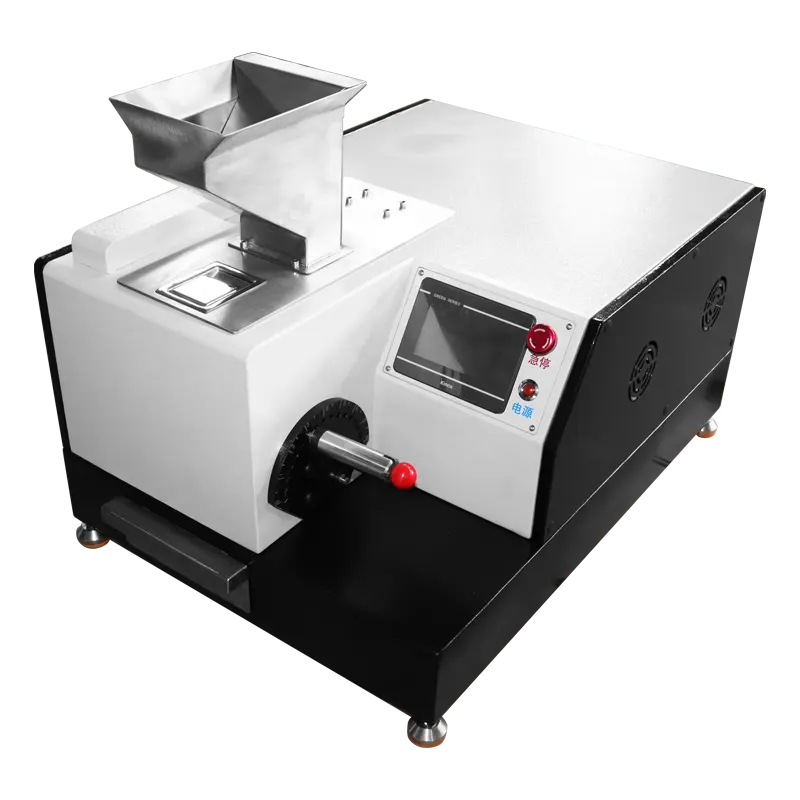
Lab Jaw Crusher: The Essential Guide for Researchers and Small-Scale Powder Processing

Why Every Lab Needs a Reliable Jaw Crusher
If you've ever spent hours hammering rocks or grinding brittle materials by hand, you know the pain. A lab jaw crusher is like a silent workhorse that turns large, chunky samples into manageable, uniform particles in seconds. Whether you're working in geology, metallurgy, ceramics, or pharmaceutical research, this machine is the first step in your powder processing workflow.
At TENCAN (Changsha Tianchuang Powder Technology Co., Ltd.), we've designed compact yet powerful jaw crushers specifically for laboratory and small-scale production. Let's walk through what makes a lab jaw crusher tick, how to choose the right one, and why it's a game-changer for your sample preparation.
What Is a Lab Jaw Crusher and How Does It Work?
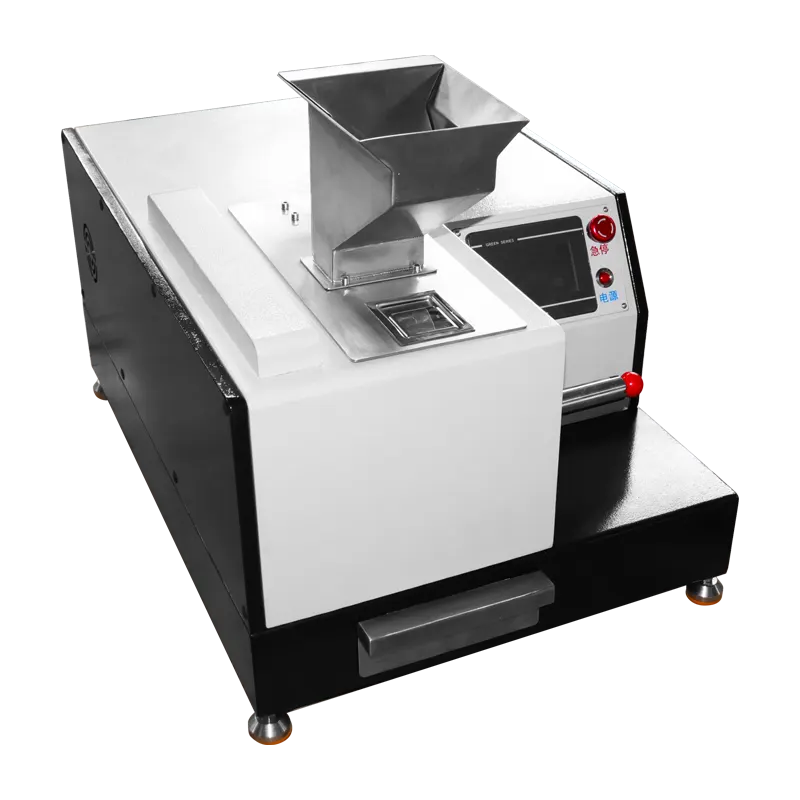
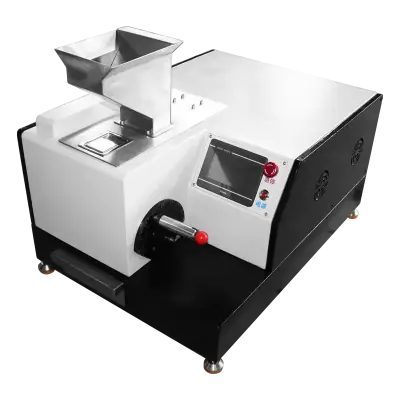
A lab jaw crusher is a scaled-down version of the industrial jaw crusher, designed to reduce materials like ores, rocks, ceramics, and glass into smaller fragments. The working principle is simple but elegant: two jaw plates — one fixed and one movable — create a V-shaped crushing chamber. The movable jaw periodically presses against the fixed jaw, breaking the material through compression, shear, and impact.
Unlike large crushers, lab models prioritize precision, easy cleaning, and low noise. They typically produce particles from 1mm to 15mm, depending on the discharge gap setting. The entire process is dry, fast, and dust-controlled, making it ideal for R&D environments.
Key Components of a Lab Jaw Crusher
- Jaw Plates: Usually made of manganese steel or ceramic, they handle the actual crushing. TENCAN offers wear-resistant options for different material hardness.
- Toggle Plate: Acts as a safety fuse — if uncrushable material enters, the toggle plate breaks to protect the machine.
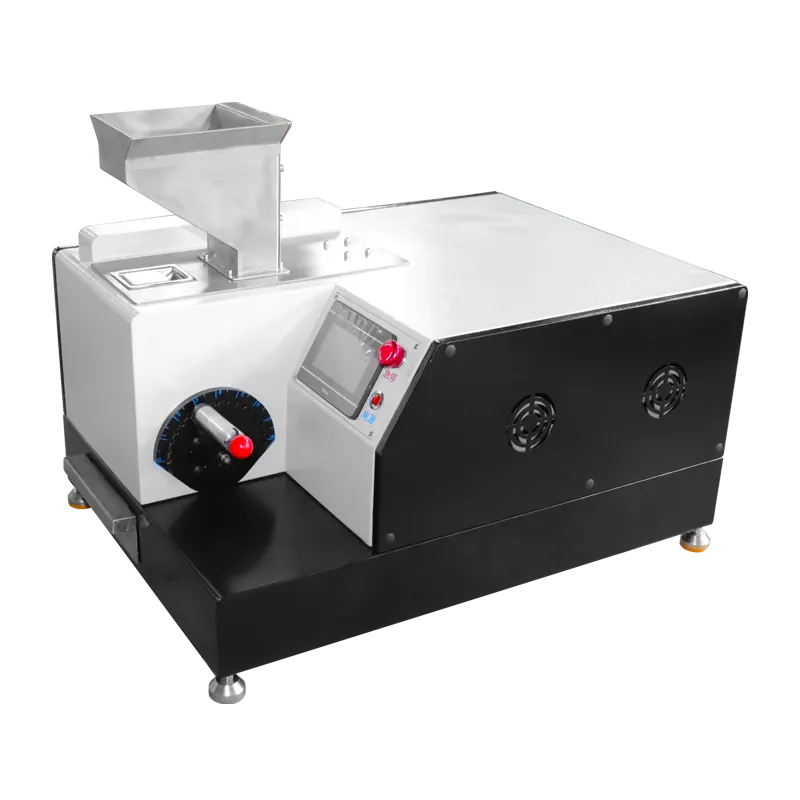
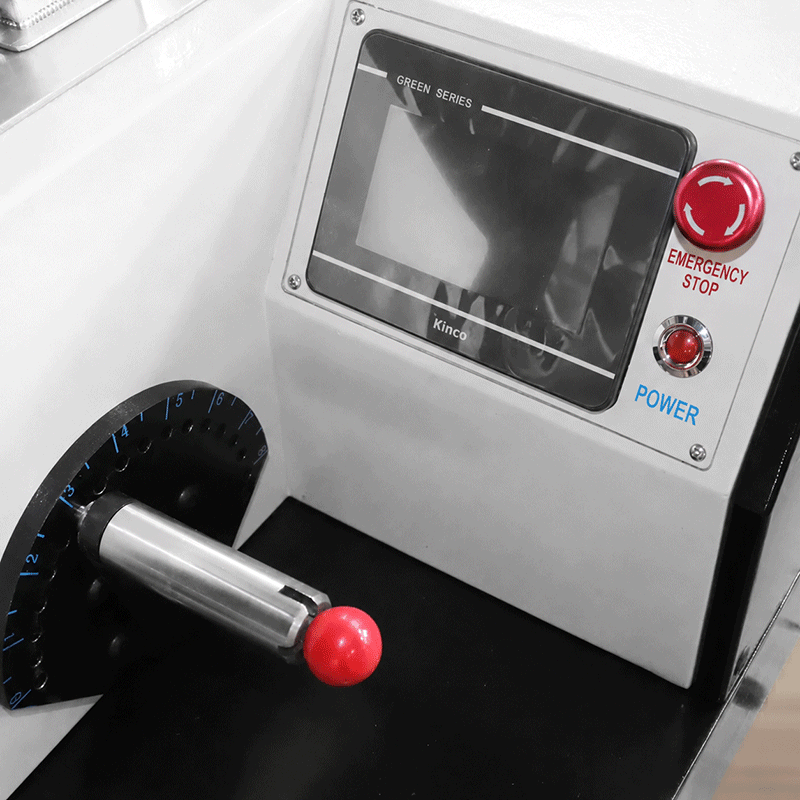
- Adjustable Discharge Opening: A simple screw mechanism lets you set the final particle size from 1mm to 15mm.
- Motor & Flywheel: Provides energy storage for smooth operation; typically 1.5–3 kW for lab units.
- Feed Hopper: Large enough to accept chunks up to 60–80mm, but safe for manual feeding.
Applications: Where Does a Lab Jaw Crusher Shine?
You'll find TENCAN's lab jaw crusher in use across dozens of industries. Here are the most common scenarios:
Geological & Mining Research
Crushing ore samples for mineral analysis, XRF, or XRD preparation. The ability to process multiple samples quickly without cross-contamination is a huge plus.
Ceramics & Construction Materials
Breaking bricks, tiles, or concrete for particle size analysis or recycling studies. The adjustable gap means you can get exactly the right fraction for your sieve test.
Pharmaceutical & Chemical
Pre-crushing hard pharmaceutical excipients or chemical reagents before fine grinding. The jaw crusher handles brittle and tough materials alike.
Educational & University Labs
Teaching students about comminution, particle size distribution, and material properties. The transparent safety cover (optional) lets learners see the crushing action.
Technical Specifications: What to Look For
When choosing a lab jaw crusher, you need to match the machine to your material and throughput. Here's a quick reference based on TENCAN's popular models:
| Parameter | Typical Range |
|---|---|
| Feed Opening | 100×60 mm, 100×100 mm, 150×125 mm |
| Max Feed Size | ≤60–80 mm |
| Discharge Size | 1–15 mm (adjustable) |
| Capacity | 50–500 kg/h |
| Motor Power | 1.5–3 kW |
| Weight | 100–300 kg |
| Jaw Material | Manganese steel, high-chrome, ceramic (optional) |
These specs make TENCAN's lab jaw crusher a perfect fit for small batch processing. The compact footprint (usually under 0.5 m²) means it fits on any lab bench.
Choosing the Right Lab Jaw Crusher: 5 Factors to Consider
- Material Hardness: For materials below Mohs 7, standard manganese steel jaws work fine. For harder materials like quartz or silicon, consider ceramic jaws to reduce contamination.
- Desired Final Particle Size: If you need particles under 1mm, you might need a secondary grinder like a double roll crusher or ball mill. The jaw crusher is best for coarse to medium crushing.
- Throughput: For daily sample volumes under 50 kg, a small 100×60 mm model is sufficient. Labs processing hundreds of kilograms may need a 150×125 mm unit.
- Cleanability: If you switch between different materials, look for a machine with easy-to-remove jaw plates and a dust-tight seal. TENCAN's design allows quick disassembly without tools.
- Noise & Dust: Lab environments require low noise. A well-built jaw crusher with rubber dampers and enclosed frame keeps noise below 75 dB. Optional dust collection ports can be connected to a vacuum system.
Comparison with Other Lab Crushers
You might wonder: why not use a hammer mill or a roll crusher instead? Let's break it down:
- Jaw Crusher – Best for hard, brittle materials. Produces minimal fines; excellent for primary crushing.
- Hammer Mill – Better for softer materials, but produces a lot of dust and fines. Not ideal for sample purity.
- Roll Crusher – Gives a very uniform product size, but limited to lower throughput. TENCAN's double roll crusher is a great partner for secondary crushing after jaw crusher.
- Vibration Crusher – Good for very fine grinding, but not for coarse feed.
In most lab workflows, the jaw crusher is the first step, followed by finer grinding in a jaw crusher or ball mill. TENCAN offers a complete crushing and grinding line to match your needs.
Maintenance Tips for Long Life
A lab jaw crusher is built to last, but a little TLC goes a long way. Here are my top tips:
- Check jaw plates regularly – Worn plates reduce efficiency and increase power draw. Replace them when the teeth are worn flat.
- Lubricate bearings – Use high-temperature grease every 50 operating hours.
- Clean the discharge chute – Built-up material can cause jamming. A quick brush after each use prevents this.
- Tighten bolts – Vibration can loosen fasteners. Check them weekly.
- Monitor motor temperature – If it exceeds 60°C, check for overload or electrical issues.
Conclusion: Why TENCAN Lab Jaw Crusher Stands Out
After years of serving labs worldwide, I can confidently say that a reliable lab jaw crusher is the backbone of any powder processing lab. TENCAN's models combine robust construction, precise particle size control, and easy maintenance — all at a price that fits research budgets. Whether you're in a university lab, a mining company, or a pharmaceutical R&D center, you'll find the right fit.
Ready to see the machine in action? Visit the lab jaw crusher product page for detailed specs and downloadable documents. If you have a specific material in mind, feel free to reach out to TENCAN's team — they often run free test crushing for potential customers.
Keywords: lab jaw crusher, laboratory jaw crusher, TENCAN jaw crusher, sample preparation equipment, powder crusher, small jaw crusher.
Related Products
Get In Touch
Our professional team will reply to you within one business day. Please feel free to contact us!