
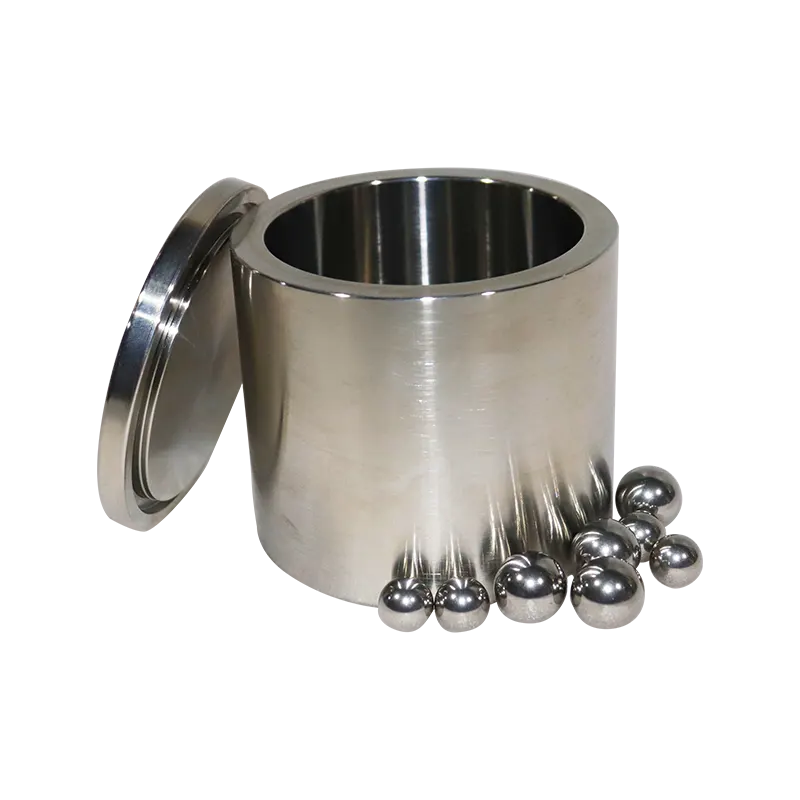
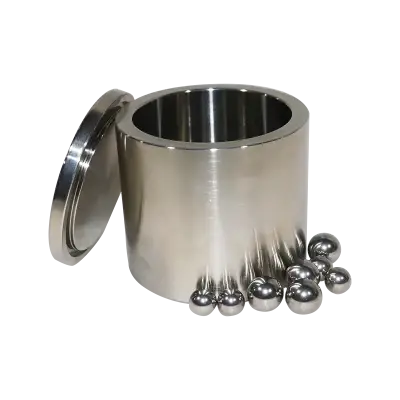
304 Stainless Steel Planetary Mill Jar: The Workhorse for Contamination-Free Lab Grinding

If you've ever spent hours preparing samples for analysis, you know the frustration of dealing with contamination or a jar that just can't take the heat. The right grinding jar can make or break your experiment, and for many labs, the 304 stainless steel planetary mill jar is the unsung hero that keeps things running smoothly.
Today, we're unpacking everything about this versatile piece of equipment—what it is, why it's so popular, and how to choose the one that fits your work like a glove.
What Exactly Is a 304 Stainless Steel Planetary Mill Jar?
Think of it as the mixing bowl for your high-tech blender. A planetary mill jar is the container that holds your material and grinding media inside a planetary ball mill. The mill spins the jar on its own axis while also rotating it around a central point—just like planets orbiting the sun. This dual motion creates powerful friction and impact forces that pulverize samples down to micron or even nanometer sizes.
When we say "304 stainless steel," we're talking about a specific grade of stainless steel that's known for its excellent corrosion resistance and good mechanical properties. It's the same material found in everything from kitchen sinks to chemical processing equipment, but when precision-engineered for a ball mill jar, it becomes a lab workhorse.
Why 304 Stainless Steel? Let's Break It Down
You might be wondering why this particular material is so widely used. The answer comes down to a triad of strengths:
1. Corrosion Resistance
304 stainless steel contains about 18% chromium and 8% nickel, which forms a passive layer on the surface that protects against rust and chemical attack. This means you can grind slightly acidic or alkaline materials without worrying about the jar degrading. It's ~30% more corrosion-resistant than standard stainless steel models, making it a safe bet for most lab environments.
2. Durability and Strength
These jars are built to last. They can handle the high-energy impacts of grinding balls without cracking or deforming. With wall thickness options typically at 4mm or 8mm, you get a robust vessel that withstands repeated use and the occasional accidental drop.
3. Ease of Cleaning
Non-porous surface means no material gets trapped in microscopic crevices. A quick rinse and wipe, and you're ready for the next run. This is crucial when you're switching between different sample types and want to avoid cross-contamination.
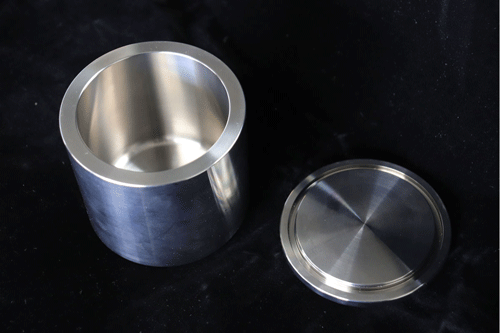
Key Features That Make a Difference
Not all stainless steel jars are created equal. The best ones come with thoughtful design features that make your life easier:
- Secure Vacuum Sealing: Many 304 stainless steel jars come with a vacuum-tight lid. This lets you grind materials under a controlled atmosphere—preventing oxidation or moisture absorption.
- Threaded Ports and Sturdy Lids: A well-designed lid with o-ring seals ensures no leaks during high-speed operation. Setup can be ~50% faster than traditional ball mill jars thanks to intuitive threading.
- Multiple Capacity Options: Available in sizes from as small as 50ml up to several liters, so you can scale your grinding from tiny experiments to larger batch productions.
- Compatibility: Designed to fit most standard planetary ball mill machines, including models from 长沙天创粉末技术有限公司 (TENCAN) and other leading manufacturers.
Performance: What Can You Expect?
When you pair a quality 304 stainless steel jar with the right grinding media and mill settings, you get consistently reliable results.
- Reduced Contamination Risk: Compared to open systems, these sealed jars lower contamination risk by ~40%. The dense steel surface minimizes material loss and prevents unwanted particles from entering your sample.
- Versatile Grinding: Capable of handling hard, brittle materials like minerals, ores, and ceramics, as well as softer substances like plant materials or polymers.
- Vacuum-Assisted Efficiency: If you opt for a vacuum jar, you can achieve finer particle sizes in less time because the reduced air resistance allows for more efficient energy transfer to your sample.
Where Do People Use These Jars?
The 304 stainless steel planetary mill jar is truly a multipurpose tool. You'll find it in:
- Pharmaceutical Labs: For grinding active ingredients or excipient blends without contamination.
- Chemical Research: Preparing catalysts, pigments, or battery materials.
- Materials Science: Mixing and alloying metal powders, or preparing samples for XRF analysis.
- Food and Agriculture: Grinding grains, spices, or dried plant matter for quality control testing.
How Does It Compare to Other Jar Materials?
Stainless steel isn't always the right choice. Here's a quick comparison to help you decide:
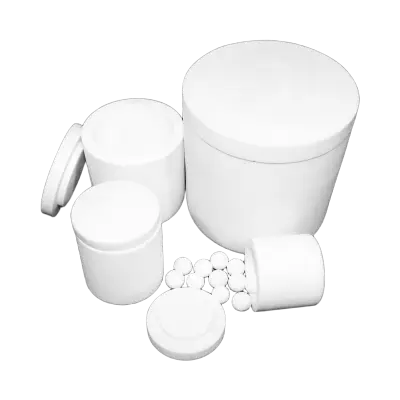
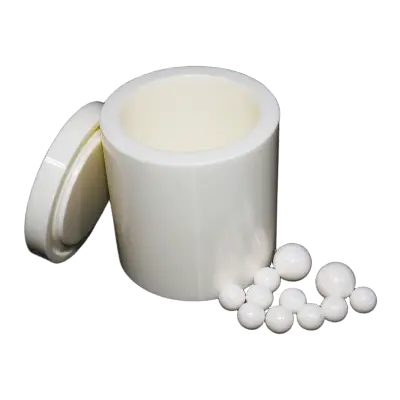
- Zirconia (Ceramic) Jars: Harder than steel, with virtually no wear. Ideal for ultra-high purity grinding, but more expensive and brittle. Check out the zirconia planetary mill jar for those applications.
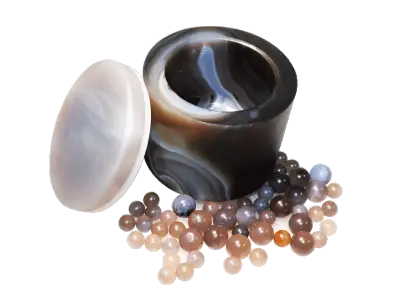
- Agate Jars: Excellent for very hard materials and high-purity work, but fragile and costly. See the agate planetary mill jar page for details.
- Tungsten Carbide Jars: Extremely hard and wear-resistant, perfect for grinding super-hard samples like minerals. But heavy and expensive. Explore the tungsten carbide planetary mill jar if that sounds like you.
- Nylon or PU Jars: Lighter and quieter, good for softer materials where metal contamination is a concern.
For most general-purpose lab work, the 304 stainless steel jar hits that sweet spot of performance, durability, and cost.
Technical Specifications to Look For
When you're shopping for a 304 stainless steel planetary mill jar, here are the specs worth paying attention to:
- Material: SUS 304 stainless steel (make sure it's certified high-purity).
- Wall Thickness: Usually 4mm (standard) or 8mm (heavy-duty).
- Capacity: Ranges from 50ml to 5L or more, depending on the model.
- Sealing Type: O-ring sealed, with optional vacuum port.
- Compatible Ball Mill: Type and brand of your planetary mill (e.g., vertical, horizontal, brand-specific mounting).
For example, the popular 500ml vacuum jar from TENCAN is a great choice for many labs: it combines the robustness of 304 stainless steel with a reliable vacuum seal, making it perfect for contamination-sensitive work.
Practical Tips for Getting the Most Out of Your Jar
Here are a few things I've learned from experience:
- Match Ball Size to Jar Volume: A general rule is to fill the jar to about one-third with grinding balls of varying sizes (e.g., 5mm, 10mm, and 20mm) for efficient grinding.
- Don't Overfill: Leave about a third of the jar empty to allow proper movement of the balls.
- Check the Seals: If you're using a vacuum jar, inspect the o-ring before each run. A small crack can ruin your vacuum and your sample.
- Clean Immediately After Use: Especially if you've ground sticky or corrosive materials. A quick rinse with water and a soft brush will keep your jar in top shape.
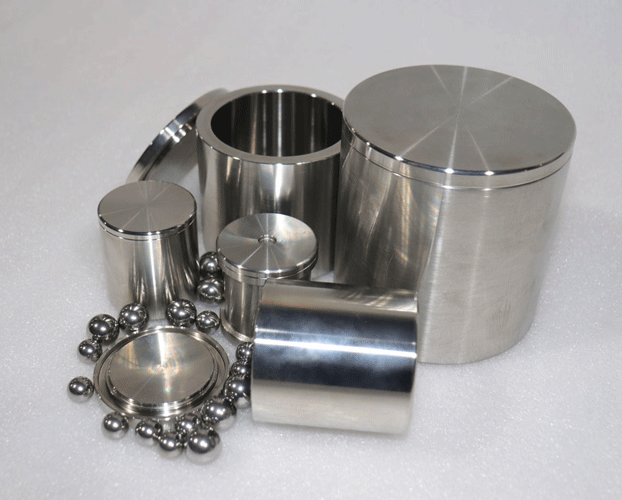
Final Thoughts
The 304 stainless steel planetary mill jar is a durable, versatile, and affordable choice for most lab grinding tasks. It offers excellent corrosion resistance, a robust build, and the flexibility to handle everything from routine sample prep to more demanding material processing. Whether you're a university researcher, a pharmaceutical QC technician, or a materials scientist, this jar can be the reliable partner you need.
If you're ready to explore your options, have a look at the full range of 304 stainless steel planetary mill jars available. And if you have any questions about which jar is right for your specific application, feel free to reach out—we're always happy to help you find the perfect match.
Related Products
Get In Touch
Our professional team will reply to you within one business day. Please feel free to contact us!