
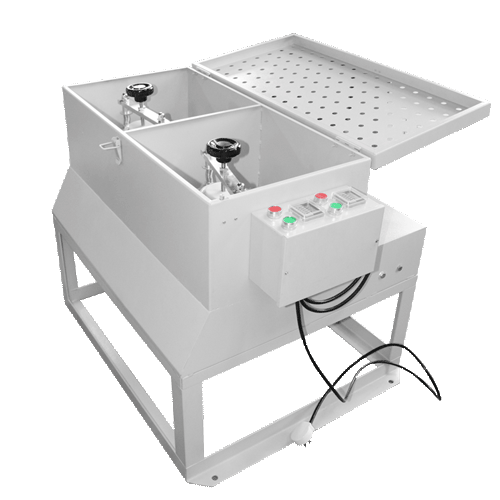
Fast Ball Mill: The High-Speed Solution for Laboratory Grinding

When you're in a laboratory setting, time is often of the essence. Whether you're preparing samples for analysis, conducting material research, or developing new products, you need equipment that can keep up with your pace. That's where the fast ball mill comes in. Unlike traditional ball mills that can take hours to achieve the desired particle size, a fast ball mill is designed to dramatically reduce grinding time without compromising on quality.
Think of it as the sports car of the grinding world. It's built for speed, efficiency, and precision. In this article, we'll take a close look at what makes a fast ball mill tick, its key features, and how it can become an invaluable asset in your lab.
What Exactly is a Fast Ball Mill?
A fast ball mill is a type of laboratory ball mill that operates at significantly higher rotational speeds compared to standard models. Its primary purpose is to accelerate the grinding process, achieving finer particle sizes in a fraction of the time. The design often incorporates a robust motor and a specialized transmission system to deliver high energy input to the grinding medium.
The core principle is simple: by increasing the speed and energy of the ball movements, you generate greater impact and friction forces. This allows the mill to break down materials—from hard minerals to soft fibers—much more quickly. While a standard fast ball mill might not use the planetary motion principle, it achieves high efficiency through sheer rotational velocity. For materials that are difficult to grind, this can be a game-changer.
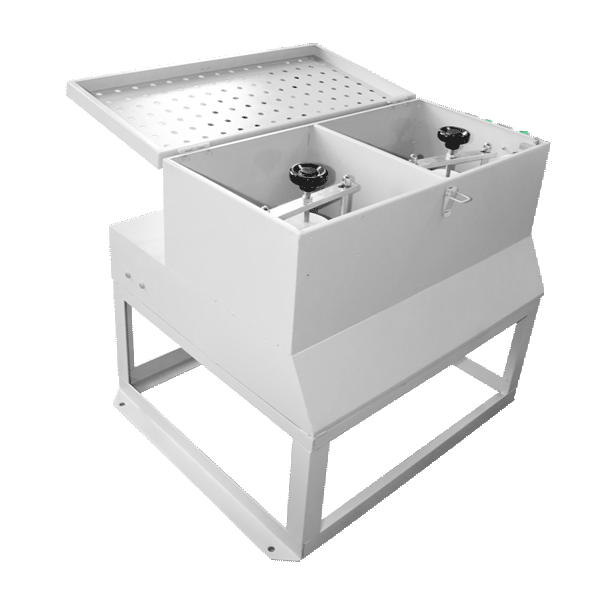
How Does It Work?
The operation of a fast ball mill is straightforward but effective. Here's a breakdown of the process:
1. High-Speed Rotation
At the heart of the machine is a powerful motor that drives a central shaft at high RPMs (revolutions per minute). This shaft is connected to a jar or container where the sample and grinding balls (typically made of materials like agate, zirconia, or stainless steel) are placed.
2. Intense Grinding Action
As the jar rotates rapidly, the centrifugal force pins the grinding balls against the inner wall of the jar. However, due to the high speed, the balls are also lifted and dropped with great force onto the material below. This combination of impact (from falling balls) and friction (from rolling balls) creates an extremely effective grinding action.
3. Rapid Size Reduction
The high kinetic energy transferred to the particles means that even tough or brittle materials are reduced in size very quickly. Where a standard mill might need 60 minutes, a fast ball mill could complete the same job in 10-15 minutes.
Key Features and Benefits
Choosing a fast ball mill for your lab comes with several distinct advantages:
- Reduced Grinding Time: The most obvious benefit. It allows for higher sample throughput, which is critical in busy labs.
- High Energy Efficiency: Despite the higher speed, modern fast ball mills are designed to be energy-efficient, delivering more grinding power per watt.
- Compact Design: Many models are designed to fit neatly on a lab bench, saving valuable floor space.
- Versatility: They can be used for both dry and wet grinding, accommodating a wide range of sample types.
- Simple Operation: Most units feature intuitive controls, often with a digital timer and speed adjustment, making them easy to use.
Technical Specifications to Look For
When evaluating a fast ball mill, you should pay attention to a few key specs. Here's a typical example of what you might find in a quality machine, such as those manufactured by TENCAN (Changsha Tianchuang Powder Technology Co., Ltd.):
| Specification | Typical Value |
|---|---|
| Rated Speed | Up to 1200 rpm |
| Jar Capacity | 50 ml to 500 ml |
| Feed Size | < 3 mm |
| Final Fineness | < 0.1 µm |
| Grinding Modes | Dry / Wet |
| Control | Digital timer & Speed control |
These specs give you a clear idea of the machine's capabilities. The high maximum speed is the defining feature, allowing for rapid processing.
Applications Across Industries
The fast ball mill is not a one-trick pony; it finds use in a wide variety of fields:
- Geology & Mining: For quick grinding of rock and mineral samples for XRD or XRF analysis.
- Ceramics & Glass: For preparing fine powders for glazes and advanced ceramics.
- Pharmaceuticals: For rapid size reduction of active ingredients and excipients.
- Food & Agriculture: For testing grain, soil, and feed samples.
- Chemical Industry: For catalyst preparation, pigment dispersion, and general material milling.
If your work involves preparing samples for analysis, you'll appreciate how a fast mill can streamline your workflow.
Fast Ball Mill vs. Planetary Ball Mill
You might be wondering how a fast ball mill differs from a planetary ball mill. While both are high-energy mills, they operate differently. A planetary ball mill uses a unique motion where the jars rotate on their own axis while simultaneously revolving around a central axis (like planets). This creates very high G-forces, ideal for achieving nano-scale particles.
A fast ball mill, in contrast, relies solely on the high rotational speed of the jar itself. It is often simpler in design, easier to clean, and can be more cost-effective for applications where you need very fast grinding but not necessarily the absolute nanoscale fineness. For many routine lab tasks, a fast ball mill is the perfect balance of speed, performance, and simplicity.
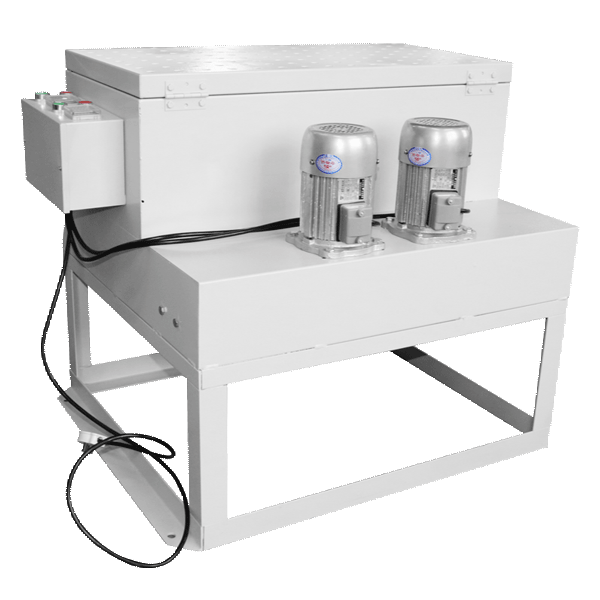
Choosing the Right Fast Ball Mill
When you're in the market for a fast ball mill, consider the following factors:
- Your Sample Type: Hard, brittle samples require different jar and ball materials (e.g., tungsten carbide for very hard samples, agate for contamination-free grinding).
- Throughput Needs: How many samples do you need to process per day? A larger jar capacity will help.
- Required Fineness: While fast mills are efficient, check the specifications to ensure they meet your final particle size goals.
- Noise and Safety: Look for models with noise-dampening features and safety interlocks.
Manufacturers like TENCAN offer a range of options, including accessories like different jar materials and sizes, to tailor the mill to your specific needs.
Conclusion
The fast ball mill is a powerful and practical tool for any laboratory that values time. Its ability to deliver high-speed, efficient grinding makes it an excellent choice for routine sample preparation and materials processing. Whether you are grinding soil for environmental analysis or preparing ceramic powders, this lab workhorse can help you get the job done faster.
By understanding its principle, features, and applications, you can make an informed decision that will boost your lab's productivity. If you're looking for a reliable, high-performance grinder, exploring the range of fast ball mills from a trusted manufacturer like TENCAN is a great place to start. Check out their full range of grinding equipment for more solutions.
Related Products
Get In Touch
Our professional team will reply to you within one business day. Please feel free to contact us!