
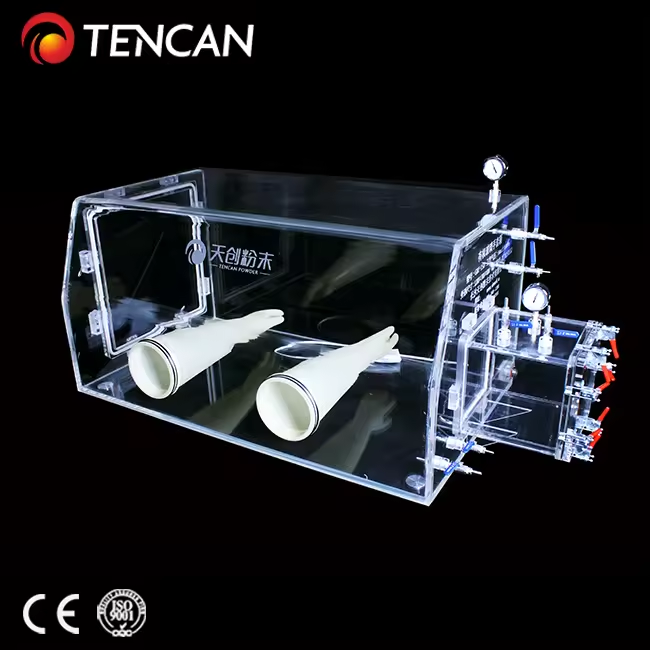
Acrylic Glove Box: The Essential Guide to Understanding, Using, and Choosing the Right One

What is an Acrylic Glove Box?
Imagine you need to handle a material that reacts violently with air or moisture. Or maybe you're working with a fine, hazardous powder that you don't want escaping into your lab. How do you manipulate it safely? That's where the acrylic glove box comes in.
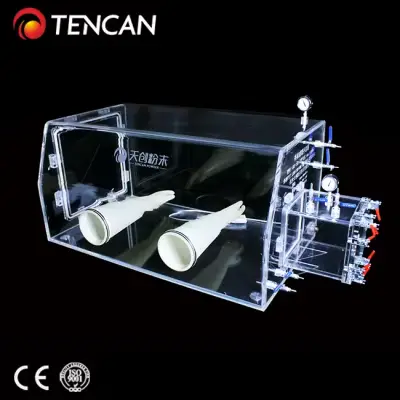
Think of it as a transparent, sealed box. It has built-in gloves on the front, allowing you to reach inside and perform tasks without exposing the contents to the outside environment. The magic lies in its simple yet powerful design. It creates a barrier, letting you control the atmosphere inside. Whether you need an inert environment (like argon or nitrogen) or a vacuum, this piece of equipment is a workhorse in labs around the world.
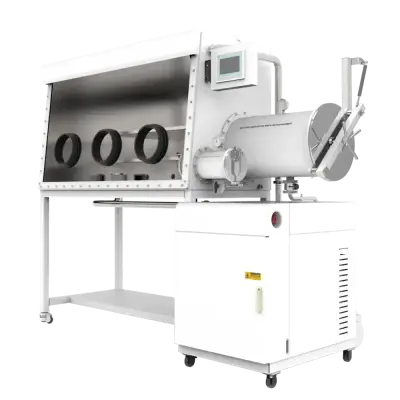
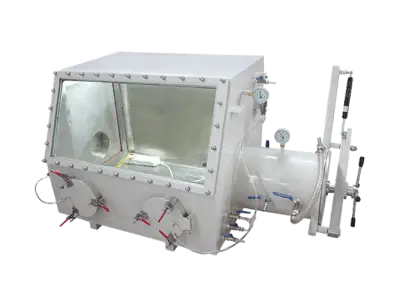
Compared to its heavy-duty cousin, the stainless steel vacuum glove box, the acrylic version offers unmatched visibility and is often more affordable and portable. It's a fantastic entry point or a specialized tool for many research and industrial applications.
How Does an Acrylic Glove Box Work?
The Core Components
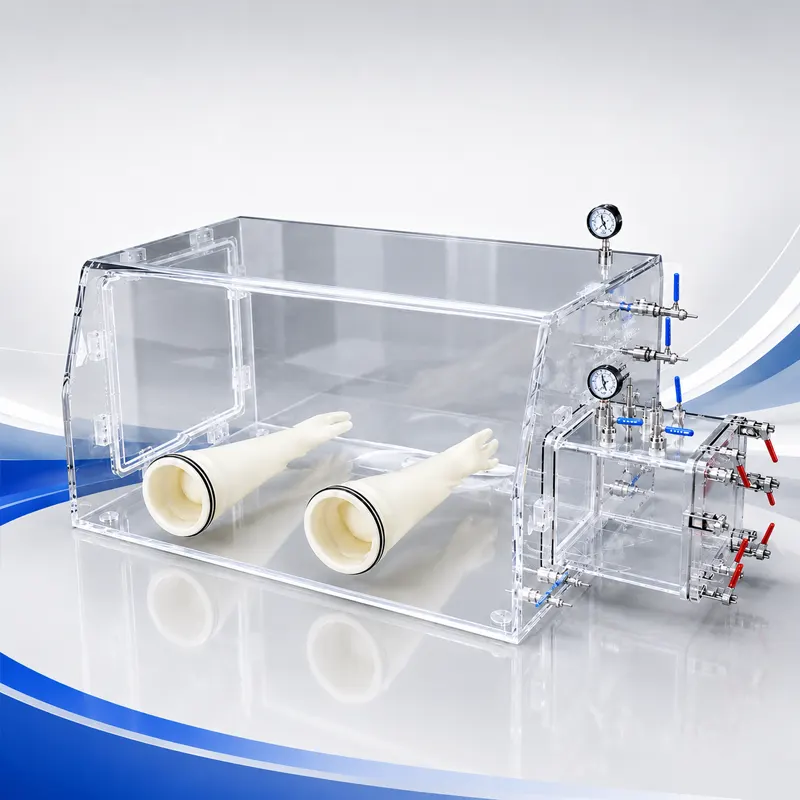
A typical acrylic glove box is more than just a box. Let's break down its main parts:
- Transparent Acrylic Chamber: The main body, made from PMMA (polymethyl methacrylate), allows for full visibility. Its thickness (often 3mm to 5mm) provides structural integrity.
- Glove Ports and Gloves: These are sealed openings with attached gloves. They allow you to reach into the box while maintaining the seal.
- Antechamber (or Transfer Chamber): This is a smaller compartment attached to the main chamber. You place materials in it, purge the air, and then transfer them inside without breaking the main chamber's atmosphere.
- Gas Inlet and Outlet Valves: These are used to introduce inert gas (like argon or nitrogen) or to create a vacuum.
- Vacuum Gauge and Control Panel: This shows the pressure inside the box and may include controls for lighting, temperature, and other functions.
Creating a Controlled Environment
The process is straightforward. You place your equipment and materials inside the antechamber. You seal it, then purge the air by cycling between vacuum and inert gas. Once the atmosphere is right, you open the inner door and transfer everything into the main chamber. Now, you can work with your hands inside the gloves, confident that the environment is stable and pure.
Key Specifications and Features to Know
When you're looking at an acrylic vacuum glove box, understanding its specs helps you pick the right tool. Here are some numbers and features you'll encounter:
| Feature | Typical Specifications | Why It Matters |
|---|---|---|
| Material | Acrylic (PMMA) | Clear visibility, durable, easy to clean, chemical resistant. |
| Vacuum Degree | Up to -0.098 MPa | Indicates how well the box can be evacuated. Higher vacuum means better purging. |
| Chamber Volume | Variable (e.g., 2L to larger sizes) | Determines the size of equipment and samples you can handle. |
| Thickness | 3mm, 4mm, 5mm | Affects durability and pressure resistance. Thicker walls are more robust. |
| Certifications | CE, BV, ISO | Ensures safety, quality, and compliance with international standards. |
Many modern boxes come with additional features like digital control panels for automated purging, lighting, and even temperature control. For more advanced needs, options like a glove box with purification system can maintain oxygen and moisture levels below 1 ppm.
Common Applications of the Acrylic Glove Box
So, where does an acrylic glove box shine? Here are some of its most common uses:
- Battery Research (Li-ion, Solid-state): Handling air and moisture sensitive electrolytes and cathode materials is a classic application. The glove box provides a dry, inert environment.
- Materials Science: Preparing, mixing, and storing nanomaterials, metal-organic frameworks (MOFs), and other advanced materials that degrade in air.
- Pharmaceutical Development: Weighing and handling potent or oxygen-sensitive active pharmaceutical ingredients (APIs) safely.
- Chemical Synthesis: Running reactions that require an inert atmosphere, such as Schlenk line techniques or handling organometallic compounds.
- Semiconductor Research: Working with delicate wafers or materials that must be contamination-free.
- Additive Manufacturing: Storing and handling specialty powders used in 3D printing that are sensitive to moisture.
- Life Sciences: Creating sterile environments for cell culture or handling infectious agents in a controlled biosafety context.
Choosing the Right Glove Box: Acrylic vs. Stainless Steel
One of the first decisions you'll face is choosing between an acrylic glove box and a stainless steel vacuum glove box. Both are excellent, but they serve different masters.
When to Choose an Acrylic Glove Box
- Visibility is critical: Need to see clearly from all angles? Acrylic is unbeatable.
- Budget is a concern: Acrylic models are generally more affordable than stainless steel.
- Portability is needed: They are lighter and easier to move around.
- General lab work: Perfect for synthesis, sample preparation, and benchtop experiments.
When to Choose a Stainless Steel Glove Box
- High solvent exposure: Stainless steel is more chemically resistant to harsh solvents.
- High vacuum or high pressure: Can handle much more extreme environments.
- Integration of large equipment: Stainless steel boxes are often larger and can be customized with multiple ports and integrated tools.
- Durability and long-term use: More robust for heavy-duty industrial settings.
The choice truly depends on your specific needs. For many, the transparency and affordability of an acrylic glove box make it the perfect starting point.
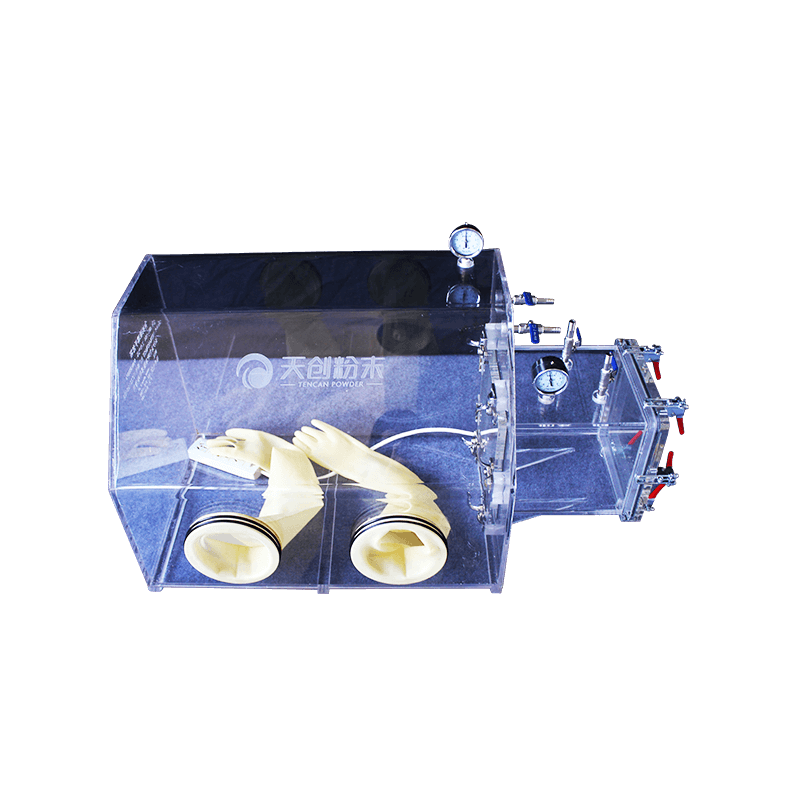
Tips for Using and Maintaining Your Acrylic Glove Box
Once you have your glove box, a little care will ensure it serves you for years. Here are some practical tips from the experts at Changsha Tianchuang Powder Technology Co., Ltd. (TENCAN):
- Know your seals: The o-rings and seals are the most critical parts. Check them regularly for wear and tear.
- Purge slowly: When using the antechamber, apply vacuum slowly to avoid stirring up powders or damaging delicate items.
- Keep it clean: Wipe down the interior after use. Acrylic is easy to clean, but avoid abrasive cleaners that can scratch the surface.
- Monitor the atmosphere: If you're working with sensitive materials, use a moisture and oxygen sensor to verify the environment is within spec.
- Plan your workflow: Think ahead. The antechamber is a bottleneck, so batch your material transfers to save time.
Conclusion: Your Partner in Controlled Research
The acrylic glove box is more than just a piece of equipment. It's a gateway to making your research safer, more reproducible, and more precise. Whether you're a scientist exploring new battery chemistries, a materials engineer crafting next-gen nanomaterials, or a quality control technician, having a reliable glove box is a game-changer.
From understanding its structure to choosing between models, we hope this guide has given you the confidence to make an informed decision. If you have specific questions about which setup is right for you, feel free to explore the detailed specs and configurations available from TENCAN. Your next great discovery might just start inside a simple, transparent box.
Related Products
Get In Touch
Our professional team will reply to you within one business day. Please feel free to contact us!