
Mastering the Rotary Tube Furnace: Principles, Applications, and Lab-Scale Sintering Guide

What Exactly Is a Rotary Tube Furnace?
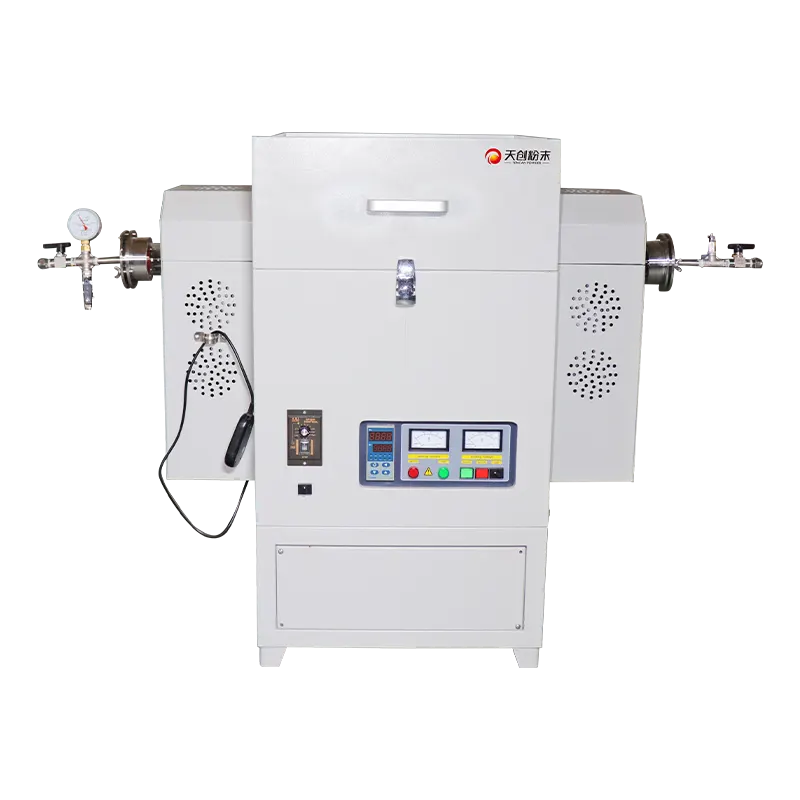
If you have ever worked with fine powders in the lab, you know that getting uniform results can be tricky. That is where a rotary tube furnace steps in. Think of it as a high-temperature oven that does not just sit there—it gently rotates while heating. This simple mechanical twist solves a huge headache in materials science: uneven heating and particle segregation.
We are talking about a specialized piece of powder sintering equipment designed for researchers who need consistent, reproducible results. Whether you are synthesizing battery cathode materials, preparing ceramic precursors, or testing catalyst formulations, this device keeps everything moving smoothly inside the reaction zone.
How It Actually Works (Without the Heavy Physics)
The Double-Motion Advantage
Unlike a standard static tube furnace where your sample just sits on a tray, a rotary design combines continuous rotation with precise temperature control. As the quartz or corundum tube slowly turns, the powder inside constantly tumbles. This tumbling action does three things for you:
- Uniform Heat Distribution: Every particle gets exposed to the same thermal environment, eliminating hot spots.
- Prevents Agglomeration: Fine powders love to clump together when heated. The gentle rotation keeps them separated, ensuring a consistent grain size.
- Atmosphere Exchange: When you introduce inert gases or reactive vapors, the rotation helps circulate them evenly throughout the bed.
Sintering, by the way, is just a practical term for heating a compacted powder below its melting point so the particles bond together into a solid mass. The rotary motion makes this bonding process incredibly reliable.
Why Researchers Keep Coming Back to This Design
You might wonder why we do not just use a regular box furnace or a stationary tube system. The answer lies in scalability and reproducibility. In our experience at Changsha TENCAN, labs switching to rotary systems consistently report fewer failed batches and tighter particle size distributions. Here is what really sets it apart:
Batch-to-Batch Consistency: Because the material never settles in one spot, every run produces nearly identical output. That is gold when you are optimizing a new formula or validating a production protocol.
Flexible Atmosphere Control: Modern units come equipped with sealed gas inlet and outlet ports. You can run oxidizing, reducing, or inert environments without worrying about leaks or contamination. For sensitive materials like lithium-ion battery precursors, this is non-negotiable.
Easy Loading & Unloading: The open-end design means you can load capsules or boats quickly, and the rotation prevents material from sticking to the tube walls. Cleanup takes minutes instead of hours.
Picking the Right Model for Your Lab
Not all rotary tube furnaces are built the same. When you are evaluating options, focus on these practical parameters rather than chasing marketing numbers:
Temperature Range & Ramp Rate
Most lab-grade units handle between 800°C and 1400°C. If you are working with advanced ceramics or refractory metals, aim for a 1600°C variant. Pay attention to the heating element type—silicon carbide rods offer faster ramp rates and longer lifespans compared to traditional alloy wires.
Tube Material & Diameter
Your choice depends entirely on your chemical environment. Quartz tubes are great for general use but degrade above 1100°C in certain atmospheres. Corundum (alumina) tubes handle higher temperatures and corrosive gases, while stainless steel or titanium tubes are reserved for specific vacuum or hydrogen applications. Typical inner diameters range from 40mm to 80mm for benchtop models.
Rotation Speed & Torque
A variable frequency drive controller is a must. You will want adjustable speeds between 1 and 15 RPM. Too fast, and your powder flies out; too slow, and you lose the mixing benefit. Look for a motor with enough torque to handle dense loads without stalling.
For detailed specifications and configuration options, you can explore the full product lineup at our official product page. We also maintain a comprehensive guide covering related thermal processing tools, including horizontal tube furnaces for linear flow experiments and muffle furnaces for batch calcination needs.
Real-World Applications That Prove Its Worth
Let us get practical. Where do you actually see this equipment shining in daily operations?
- Battery Material Synthesis: Preparing NMC, LFP, or silicon-anode composites requires precise temperature zoning and constant mixing to prevent lithium loss or phase impurities.
- Catalyst Preparation: Impregnating supports with metal salts followed by calcination benefits hugely from the tumbling action, which ensures even coating distribution.
- Geological & Soil Analysis: Digestion prep and mineral transformation studies often involve volatile compounds. The sealed rotary design safely contains fumes while maintaining reaction homogeneity.
- Nanomaterial Processing: When dealing with carbon nanotubes or graphene oxide derivatives, avoiding thermal degradation is critical. Controlled rotation plus programmable PID controllers keep the heat profile smooth and predictable.
Final Thoughts Before You Hit Buy
Investing in a rotary tube furnace is not just about buying hardware—it is about upgrading your entire experimental workflow. You will spend less time troubleshooting uneven sintering, fewer samples ruined by clumping, and more time actually discovering new materials. At TENCAN, we have helped countless research teams streamline their powder processing pipelines, and the feedback is always the same: consistency pays off.
Take your time matching the tube diameter, temperature rating, and atmosphere setup to your specific chemistry. Once you dial those in, you will notice the difference in your data quality almost immediately. If you have questions about scaling up from milligram trials to gram-level batches, feel free to reach out. Happy experimenting!
Related Products
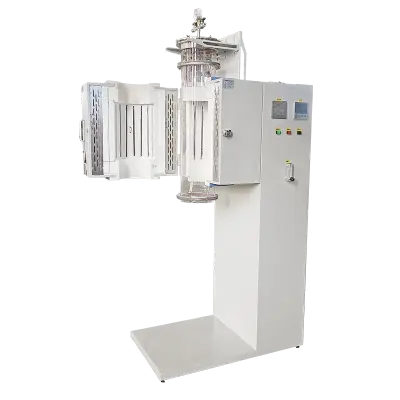
Vertical Tube Furnace
TC-12NVT/14SVT/16MVT
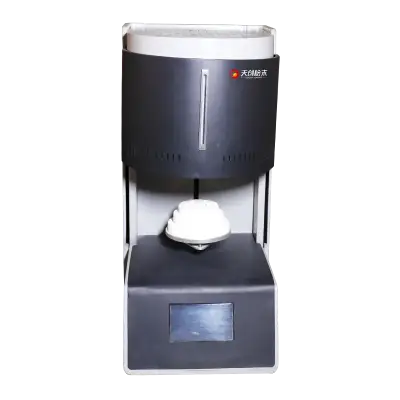
T-Bright Plus Sintering Furnace
TC-BPSF
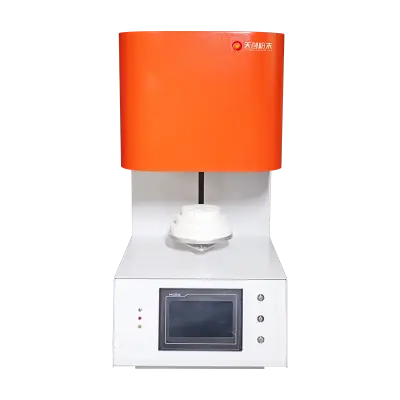
T-Bright Dental Furnace
TC-BDF
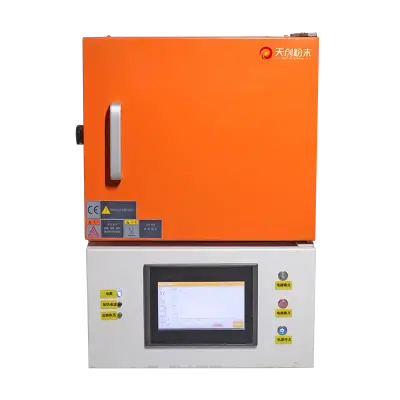
T-Crystal Dental Furnace
TC-CDF
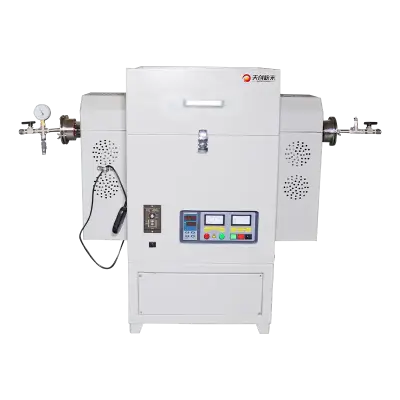
Rotary Tube Furnace
TC-12NRT
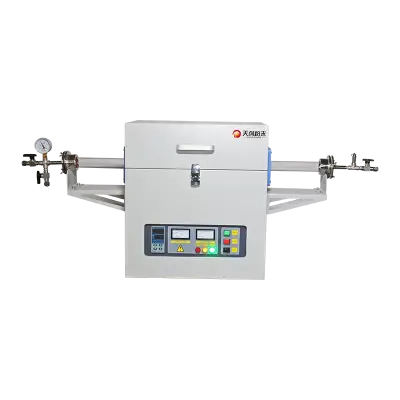
Horizontal Tube Furnace
TC-12NT/14ST/16MT
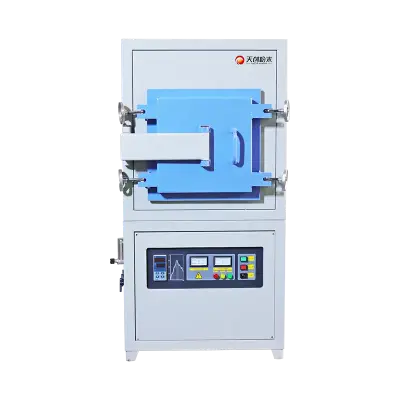
Box-Type Atmosphere Furnace
TC-12AN/14AS/17AM
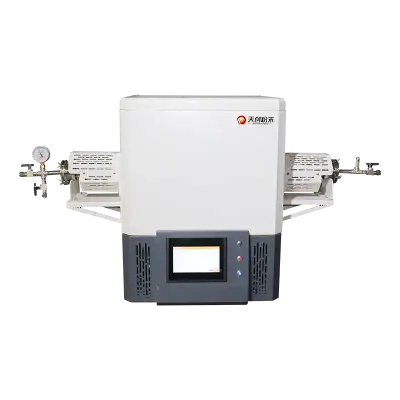
vacuum tube furnace
TC-12NT/14ST/16MT
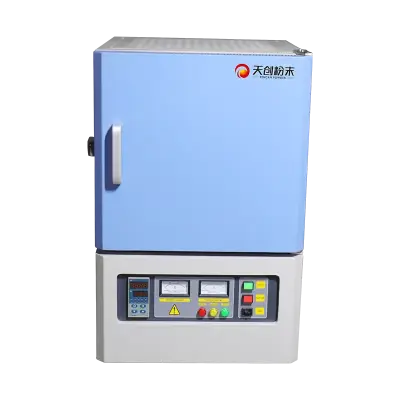
Muffle furnace
TC-12N/14S/17M/18H
Get In Touch
Our professional team will reply to you within one business day. Please feel free to contact us!