
Inner Lined Roll Ball Mill: A Practical Guide for Smarter and Longer Grinding

If you work with powders, you already know that the mill is often the quiet bottleneck. A machine can look calm, hum along at a steady rhythm, and still decide whether your next batch meets spec. An inner lined roll ball mill is a good example. It looks simple: a drum, some grinding media, and a drive that keeps everything turning. The useful details sit inside the drum, where the lining meets the charge. That is where wear, grinding efficiency, and contamination risk all start. Get that part right, and the mill becomes a dependable workhorse rather than a source of surprises.
What an Inner Lined Roll Ball Mill Actually Does
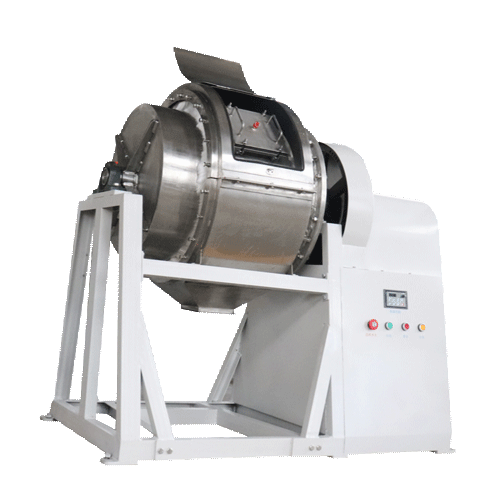
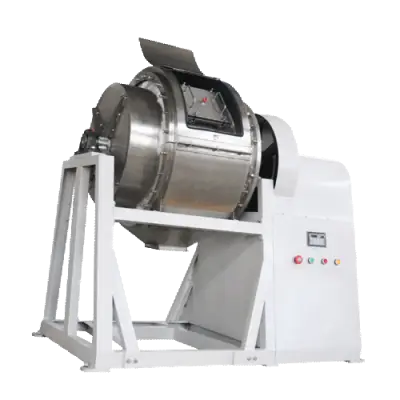
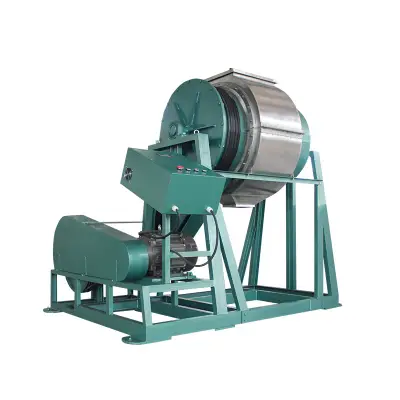
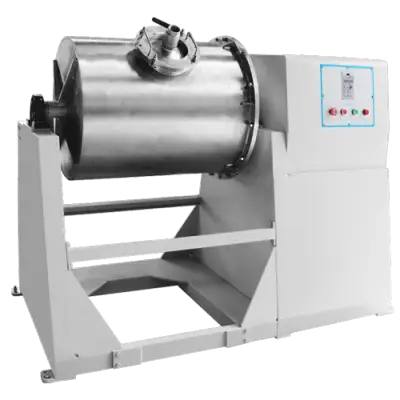
An inner lined roll ball mill is a drum-style grinding machine. The drum rests on rollers, and a drive turns it at a controlled speed. Inside the drum you find grinding media, usually balls, plus the material you want to reduce or mix. The phrase inner lined refers to the protective layer fixed to the inside wall of the drum. It is not a cosmetic extra. It is the working surface that absorbs impact, guides the moving charge, and keeps abrasive powder and media away from the structural shell. In a well-matched setup, the drum, lining, media, and material work as one system. Change one part, and the behaviour of the whole mill changes.
The Drum, the Rollers, and the Lining: A Simple Picture
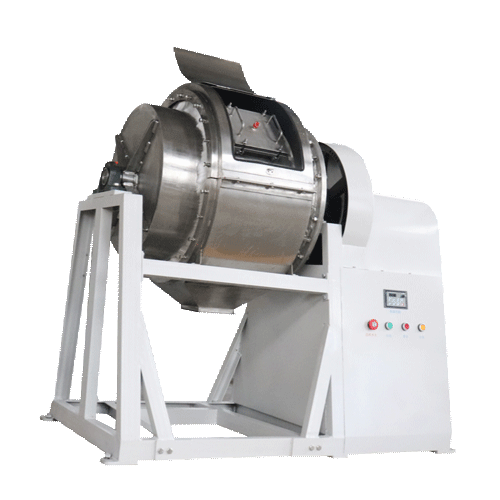
Picture a rotating cylinder with a removable wear surface on its inner wall. As the drum turns, friction lifts the media up the side. Gravity pulls it back down. The charge tumbles, cascades, and sometimes drops, depending on speed and fill. Every one of those movements touches the lining before it touches the shell. That is the simple picture, and it explains why lining condition affects so much.
Why the lining deserves more attention
Lining is a wear part, but it is also a process part. A worn lining changes the inside profile of the drum. It can create dead zones where material sits instead of moving. It can reduce the grip that lifts the charge. It can expose bolts or gaps that trap powder. On top of that, the lining material has to suit the product. A lining that is tough enough for one duty may contaminate another. So when we talk about lining, we are really talking about three things at once: equipment protection, grinding behaviour, and product purity. Ignore any one of them, and the mill will remind you later, usually at the worst possible time.
How the grinding action happens
Grinding in a roll ball mill comes from a mix of impact and attrition. Impact happens when media fall onto material. Attrition happens when media rub and roll against each other, nipping particles in between. The balance between the two depends on drum speed, media size, media fill, slurry or powder load, and the friction of the lining. If the drum turns too slowly, the charge slides instead of tumbling, so you get rubbing without much useful impact. If it turns too fast, the charge can stick to the wall and lose its cascading action. The sweet spot is the range where media keep lifting and falling in a productive rhythm. That is why a small change in operating conditions can shift your particle size curve.
Where an Inner Lined Roll Ball Mill Fits in Real Production
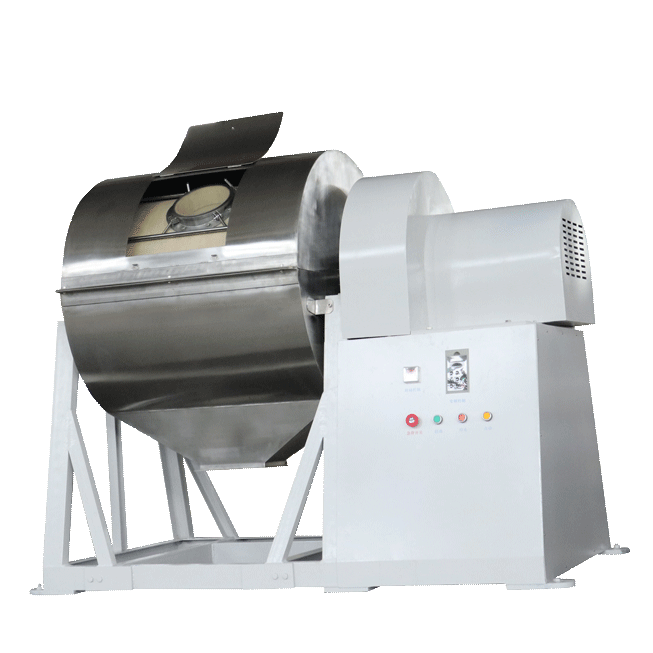
This type of mill is not trying to be the fastest machine in the building. It earns its place by being robust, straightforward to load, and tolerant of a wide range of powder duties. It suits operations that value repeatability and simple maintenance over flashy controls.
Batch work and flexible recipes
Batch milling is the natural home for a roll ball mill. You weigh the feed, add media, run for a set time, sample, and discharge. That rhythm makes it easy to keep recipes separate. If you change colours, additives, or raw material sources, you can clean the drum and start again. It also gives you room to adjust. A small change in run time, media size, or fill level can be tested without rebuilding a whole line. For smaller production runs and specialty powders, that flexibility is often more valuable than raw throughput.
When continuous milling is not the answer
Continuous mills shine when you have one stable recipe and a very high volume. A roll ball mill is usually happier with defined batches and clear start and stop points. That is not a weakness. Many powder products need traceability by batch, careful cleaning, or frequent recipe changes. In those cases, a batch drum mill keeps the process understandable. You know what went in, how long it ran, and what came out. That simple record is worth a lot when a customer asks for consistency.
Choosing the Right Setup Without Guesswork
The mill itself is only half of the decision. The other half is the combination of lining, media, loading, and target fineness. There is no useful way to choose that combination from a catalogue alone.
Start with the material, not the machine
Begin with the powder. Is it hard, soft, brittle, sticky, heat-sensitive, abrasive, or prone to agglomeration? Does it need dry milling or wet milling? What particle size are you feeding in, and what do you need out? Those answers shape everything else. A hard, abrasive feed puts more stress on the lining. A heat-sensitive product may need shorter runs or gentler conditions. A material that reacts with the lining needs a different wear surface. Write these points down before you compare machines. It is much easier to filter options when the material profile is clear.
Media and lining need to work as a pair
Media do the grinding, but the lining controls how the media behave. A high-friction lining lifts the charge more aggressively. A slicker lining lets it slide. Media that are too large may crush quickly but leave a coarse tail. Media that are too small may grind fine but take longer and wear differently. The right pair depends on your feed and target. This is also where contamination matters. If the lining and media wear, that wear has to go somewhere. In some products, a tiny amount of wear material is harmless. In others, it is a specification failure. Be honest about which camp you are in.
What to ask before you buy
Use the product page to confirm the current build options, then ask questions that connect the machine to your process:
- Which lining options are available for my material?
- What media size range should I plan for?
- How is the drum loaded and discharged?
- What wear checks are recommended?
- Which spare parts should I keep on the shelf?
The Inner lined roll ball mill product page is the right place to check the current configuration details before you shortlist a size.
Running the Mill Day to Day
Good operation is mostly about repeatability. The best settings are the ones your team can follow on every shift, not the ones that worked once for a lucky batch.
Loading and starting
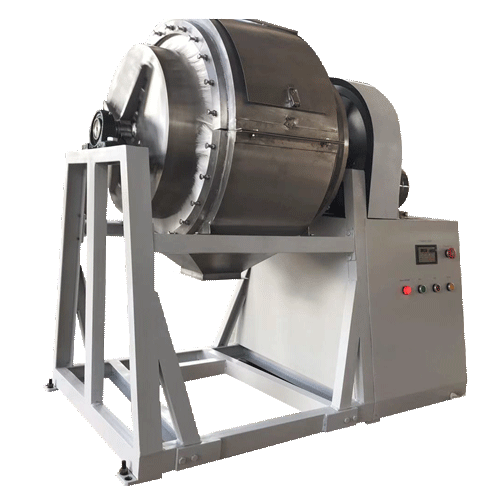
Load the media first, then the feed, unless your procedure says otherwise. Keep the fill within the range recommended for your drum. Overloading looks tempting because it promises more output per run, but it can smother the media action and strain the drive. Underloading is safer for the machine but wastes time and energy. Before starting, confirm the drum is closed and locked, the discharge point is clear, and the safety interlocks are working. Start at the agreed speed. Listen to the mill. A healthy charge has a steady, rhythmic sound. A slapping or grinding noise that changes suddenly deserves a stop and a look.
Sampling and stopping
Take samples the same way each time. A sample from the surface of the drum is not the same as a sample from the discharge. Use a fixed sampling point and a fixed sample size so you can compare results. When the target is reached, stop the mill in the normal sequence and let the drum settle before opening. Do not judge fineness by run time alone. Time is a useful control, but particle size and batch temperature tell you what actually happened.
Cleaning between batches
Cleaning is part of quality control. Leftover powder can contaminate the next recipe, and caked material can hide lining damage. Remove media if your procedure requires it, clear the drum, and check for trapped powder around the lining edges and discharge. Dry the drum before the next load if the process calls for it. A few extra minutes here can save a whole batch later. It also gives you a regular chance to look at the lining without taking the mill out of service for a special inspection.
Maintenance That Prevents Nasty Surprises
Maintenance for a roll ball mill is not complicated, but it needs to be regular. The lining is the first thing to watch. Look for uneven wear, deep grooves, cracks, loose fasteners, and gaps where powder can hide. Check the rollers and their contact surfaces. Look for flat spots, buildup, or unusual noise. Confirm that the drum turns smoothly and that the drive is not working harder than it should. A simple log beats memory. Record the date, running hours, lining condition, media condition, and any change in sound or vibration. When something starts to drift, the log shows you when it began. That is how small issues get fixed before they become emergency stops.
Common Mistakes We See Around Roll Ball Mills
Most problems are not exotic. They come from a few habits that creep into daily work.
Overfilling to chase throughput
More material does not always mean more product. Overfilling can reduce media movement, raise power draw, and give you a coarser, less even result. It also puts extra load on the drive and lining. If you need more output, look at run time, media choice, and scheduling before you cram the drum.
Treating the lining as a forever part
A lining can last a long time, but it is still a wear item. Waiting for a hole or a loose bolt is not maintenance. Inspect on a schedule, compare wear patterns, and replace before the shell is exposed. The cost of a planned lining change is easy to explain. The cost of an unplanned failure and a contaminated batch is not.
Chasing fineness with time alone
Running longer can make powder finer, but it can also overgrind, generate heat, and change the particle shape. If the curve is wrong, check media size, fill, speed, and feed consistency. More time is not the only lever, and it is often the most expensive one.
How to Judge Whether It Is Working Well
A mill is working well when the result is predictable. Watch the batch, not just the machine. Check particle size on a fixed schedule. Track the time needed to reach target. Note any change in sound, vibration, power draw, or discharge behaviour. Look at the lining at every cleaning. If the same recipe suddenly needs longer runs, something has changed: media wear, lining wear, feed variation, or loading practice. A good operator notices the drift before the quality team does. A good manager gives them the time and records to notice it.
- Stable particle size at the same run time
- Steady sound and vibration
- Even lining wear, not deep local grooves
- No unexpected contamination or caking
Questions People Ask Before Buying
Is an inner lined roll ball mill the same as a planetary ball mill?
No. A planetary ball mill uses rotating jars on a rotating carrier to create high-energy impact and friction in a compact setup. A roll ball mill uses a larger drum supported on rollers. The working principle is related, but the scale, loading method, and typical use are different. If you need small, high-energy laboratory work, a planetary mill may fit. If you need a robust batch drum for larger powder loads, a roll ball mill is often the more practical shape. Match the machine to the job, not the other way around.
Can it run wet and dry?
Many drum mills can be set up for wet or dry operation, but the details matter. Wet milling needs a liquid that suits the product and a discharge method that handles slurry. Dry milling needs dust control and a cleaning routine that removes fine buildup. The lining and media also need to suit the chosen route. Confirm the configuration with the supplier before you plan the process around it.
How do I know when the lining needs attention?
You will see it before you hear it if you inspect regularly. Look for wear that is deeper in one area, exposed fasteners, cracks, lifted edges, and powder packed behind the lining. A change in grinding performance can also be a clue. If run times creep up or the product becomes less consistent, check the lining along with media and feed. Replace it on condition and schedule, not only after a failure.
A Practical Checklist Before You Press Start
- Feed and media match the approved recipe.
- Fill level is within the agreed range.
- Drum is closed, locked, and clear of tools.
- Discharge and collection points are ready.
- Lining was checked at the last cleaning.
- Abnormal noise or vibration has been reported.
- Sampling plan is clear for this batch.
- Emergency stop and guards are working.
Put the Lining on Your Shortlist
An inner lined roll ball mill is a simple idea with a lot of useful detail packed inside. The drum turns, the media tumble, and the powder changes. The lining is the quiet part that decides how well that happens, how long the shell lasts, and whether your product stays clean. When you compare options, look beyond the drum diameter. Ask about lining condition, media matching, loading practice, and the maintenance routine your team can actually follow. That is how a mill becomes a reliable part of production instead of a machine you only think about when something goes wrong. If you are planning a batch grinding step, start with the Inner lined roll ball mill product page and check the current configuration details against the material you need to process.
Related Products
Get In Touch
Our professional team will reply to you within one business day. Please feel free to contact us!