
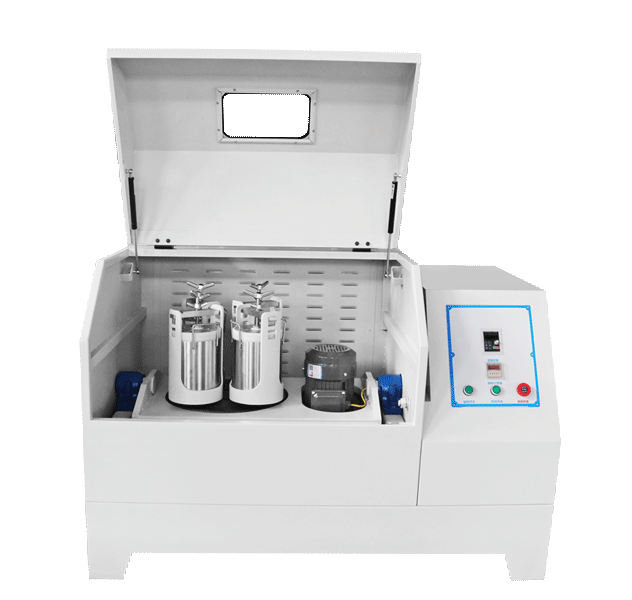
Laboratory Full-Directional Planetary Ball Mill: A Practical Guide for Labs

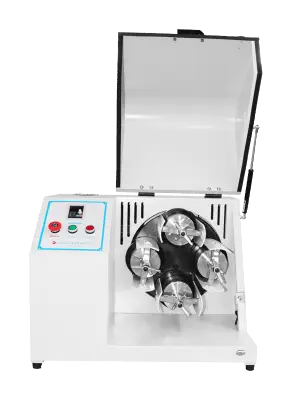
If you have spent any time in a powder lab, you know that milling is not just a button you press when a sample refuses to behave. It is a small process engineering problem: you have a material with a certain hardness, a certain tendency to stick, and a certain particle size you need to reach. The TENCAN Laboratory Full-Directional Planetary Ball Mill is one of those tools that gives you more than one way to solve that problem. It is a laboratory planetary mill, so it uses rotating jars and grinding balls to break materials down. The full-directional part adds another layer of control over how the jars move. That sounds technical, and it is, but the practical payoff is simple: you get more room to tune the milling process instead of relying on one fixed motion pattern.
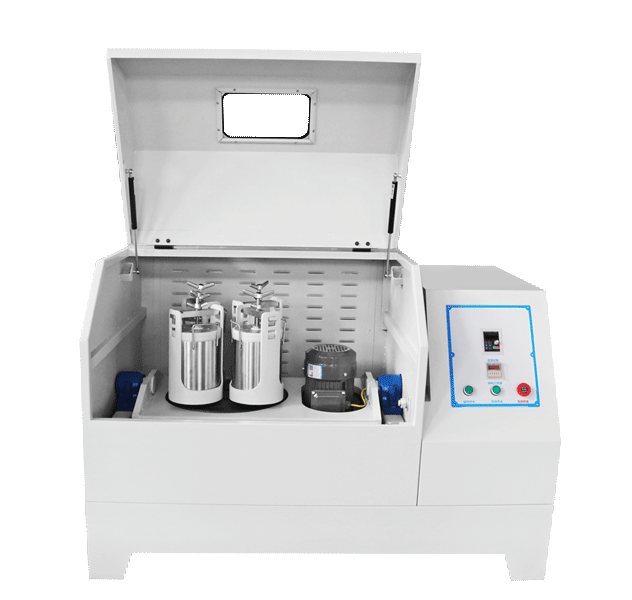
Why a Full-Directional Planetary Ball Mill Feels Different in a Lab
Most lab mills ask you to accept a single way of doing things. A shaker mill shakes. A mixer mill swings. A planetary mill spins jars around a sun wheel while they rotate in the opposite direction. The TENCAN full-directional planetary mill stays in the planetary family, but it gives you more freedom in how the jar motion is applied. For a lab that works with different materials each week, that flexibility matters. You are not forced to use the same energy profile for a brittle ceramic and a soft polymer composite.
When we talk about a full-directional planetary ball mill, we are really talking about control. You still have jars, balls, and a rotating platform. The difference is that the machine can run the jar motion in more than one direction and pattern, depending on the model and program. The exact modes and programming options belong on the official product page, not in a guess. What matters here is the idea: you can change the way the grinding media move inside the jar, which changes how the powder is hit, rubbed, and mixed.
The short version: motion control, not just speed
It is tempting to think that a ball mill is all about rpm. More speed means more energy, right? Up to a point, yes. But past that point, you can create heat, excessive wear, or a jar full of powder stuck to the wall. A full-directional mill gives you another lever to pull. You can adjust direction, timing, and motion pattern to influence the balance between impact and friction. That is useful when a material is sensitive to heat, when you need uniform mixing before a reaction, or when you are trying to avoid over-milling one hard phase while under-milling a softer one.
In everyday lab language, this is the difference between I ran it faster and I changed the way the energy was delivered. The second approach is usually easier to repeat and easier to explain to the next person who uses the method.
What full-directional means in practice
Imagine you are milling a ceramic powder that tends to cake on the jar wall. A single-direction run may keep throwing powder outward in the same way. If you can reverse direction or change the motion pattern, you can disrupt that build-up and give the powder another chance to sit in the active grinding zone. The same logic applies to mixing a small amount of additive into a larger powder batch. Direction changes can improve homogeneity without simply adding more speed.
That does not mean every sample needs a complex program. Many routine jobs run perfectly well with a simple, repeatable cycle. Think of full-directional control as a set of extra tools in the drawer. You do not use every tool on every job, but when a sample gives you trouble, it is nice to have options that do not require buying another machine.
How Planetary Ball Milling Actually Works
A planetary ball mill gets its name from the way the jars move. The jars sit on a rotating disc, often called a sun wheel, and they also spin around their own axes. Because the jar is rotating while the platform is rotating, the grinding balls inside are thrown against the jar wall, cascade down, and collide with each other. The result is a mix of impact and friction. Impact breaks larger particles, while friction helps refine the surface and blend the powder. If you have never seen it, it can look like a very energetic, very controlled rock tumbler.
The energy in the jar depends on several things: the rotation speed, the jar diameter, the ball size, the ball density, the fill level, and the properties of the sample. That is why copying a method from another lab can be frustrating. Their fast may be your too hot, and their fine may be your still gritty. A good method is not just a set of numbers. It is a set of numbers that makes sense for your material and your jar.
Impact, friction, and the energy budget
Every milling run has an energy budget. Some of the energy goes into breaking particles. Some goes into friction, noise, heat, and wear. If you push the mill harder, you do not automatically get more useful breakage; you may simply spend more energy heating the jar and wearing the media. That is why a short trial with a few settings is usually smarter than a long run at maximum speed.
We like to think of the energy budget as a budget you actually manage. If your sample is heat-sensitive, you may want gentler motion, shorter runs, or pauses between cycles. If your sample is hard and brittle, you may need more impact energy and a denser grinding medium. If you are mixing rather than size-reducing, you may care more about homogeneity than about raw impact. The full-directional motion gives you a way to shift that budget without changing the jar every time.
Why jar geometry and ball size matter more than you think
The jar is not a passive container. Its shape, volume, and inner surface affect how the balls move. A tall, narrow jar behaves differently from a wide, shallow one. The ball-to-powder ratio matters too. Too few balls, and you get a lot of empty space and weak collisions. Too many balls, and you may not have enough room for the powder to move, or you may create excessive wear. A common starting point is to fill the jar partway with media and leave enough free volume for the balls to move, but the right fill level depends on the material and the result you need.
Ball material is just as important as ball size. Hard, dense media can deliver strong impact, but they can also contaminate the sample if they wear. Softer media reduce contamination risk but may not have the energy to break a hard powder. This is where a small test matrix beats a long debate. Try two media types, two fill levels, and a short run time. You will learn more from the results than from a theoretical argument.
Where This Mill Earns Its Bench Space
The TENCAN Laboratory Full-Directional Planetary Ball Mill is aimed at labs that need flexibility in a compact package. It fits well in materials research, geology, ceramics, chemistry, and small-scale preparation work where sample amounts are limited and method development matters. It is not a production mill, and it is not trying to be. It is a lab tool for people who need to understand what happens to a powder when the milling conditions change.
Because it is a laboratory machine, it also fits the way real labs work. You may run one sample on Monday and a completely different material on Tuesday. You may need dry milling for one project and wet milling for another. You may need to compare a gentle mix with a high-energy grind. A mill with more motion control gives you more ways to handle that variety without turning your bench into a collection of single-purpose machines.
Materials and samples that benefit
Hard and brittle materials are the classic candidates: ceramics, minerals, glass, and some metal oxides. Soft or sticky materials can also benefit, but they usually need more care with jar material, ball size, and run time. In battery research, small-scale milling is often used to mix active materials, conductive additives, and binders or to reduce particle size before testing. In geology, you may be preparing rock powders for analysis. In chemistry, you may be blending solid reactants or creating finer dispersions. The common thread is that you need a repeatable way to change particle size or homogeneity without losing the sample.
The full-directional motion can be especially useful when a material tends to coat the jar. Direction changes and programmed pauses can help the powder re-enter the active zone. That said, no mill can fix a sample that is simply too sticky for dry milling. In those cases, wet milling, a different solvent, or a different jar material may be the real solution.
Setting Up a Method You Can Repeat
A repeatable method starts with a clear goal. Are you trying to reduce particle size, mix two powders, create a reactive blend, or simply homogenize a sample before analysis? Each goal points to a different set of choices. Once you know the goal, write down the variables you are changing and keep the rest fixed. That sounds obvious, but many disappointing milling results come from changing speed, time, media, and fill level all at once and then not knowing which change helped.
Define the sample, not the speed
Start with the material. Is it hard, soft, brittle, ductile, heat-sensitive, or hygroscopic? Does it tend to stick to the jar? Does it react with the jar material? A soft, ductile metal will behave very differently from a brittle ceramic. A hygroscopic powder may need a dry environment or a sealed jar. A heat-sensitive polymer may need short runs and cooling pauses. The more you know about the sample, the less you have to guess about the milling program.
Choose jars and media with your sample in mind
The jar and ball material should be chosen for compatibility first, then for energy. If contamination is a concern, choose a jar and media that will not add unwanted elements to your sample. If you need high impact, choose a denser medium. If you need gentle mixing, choose a lighter or larger medium and run at a lower energy. The right answer is not universal. It depends on what you are milling and what you will do with the powder afterward.
Also think about jar volume. A jar that is too large for a small sample wastes powder on the walls and gives the balls too much room to lose energy. A jar that is too small may not give the balls enough room to move. Match the jar to the batch size, and leave enough free volume for the grinding media to do their job.
Run a short trial before a long commitment
Short trials are your friend. Run a small sample for a few minutes, check the result, and adjust. A quick trial can tell you whether the powder is breaking down, whether it is sticking, whether the color is changing, and whether the jar is getting too warm. If the trial looks promising, extend the run in steps. This approach saves material and makes it easier to find the point where the particle size stops improving and the risk of over-milling starts to rise.
Keep notes. Write down the jar type, ball type, ball size, fill level, sample mass, speed, direction pattern, run time, and any pauses. A method that lives only in someone’s memory is not a method. It is a rumor.
Technical Parameters That Deserve Your Attention
The exact numeric specifications for this model belong on the official product page. Rather than invent numbers, we can look at the parameters that actually influence your work. When you compare configurations, these are the questions to ask.
| Parameter or question | Why it matters | Where to confirm |
|---|---|---|
| Jar capacity and usable volume | Determines batch size and how much free space the media have. | Product page and jar documentation |
| Speed range and direction programs | Controls impact energy and the motion pattern available for your method. | Product page |
| Motor power and electrical supply | Must match your lab power and the load you expect. | Product page and nameplate |
| Compatible jar materials | Affects contamination risk and chemical compatibility. | Product page and accessory list |
| Ball size and material options | Changes impact energy, wear, and contamination profile. | Product page and supplier guidance |
| Safety interlocks and lid design | Protects operators and helps prevent spills or unsafe access. | Product page and manual |
| Dimensions and bench footprint | Matters for bench space, ventilation, and installation planning. | Product page |
| Spare parts and jar availability | Keeps the mill usable over its service life. | Product page and service contact |
That table is not a substitute for a real spec sheet, but it is a useful filter. If a configuration cannot answer these questions clearly, keep asking. A laboratory mill is a long-term bench tool, and the details matter more than a glossy photo.
The product page is your spec sheet
For the current technical parameters, use the official product page for the TENCAN Laboratory Full-Directional Planetary Ball Mill. It is the right place to confirm the model details, available accessories, and the exact configuration for your lab. If your application depends on a specific voltage, jar size, or safety requirement, confirm it before you order. That is not a bureaucratic step; it is how you avoid a mill that looks right on the bench but does not fit your workflow.
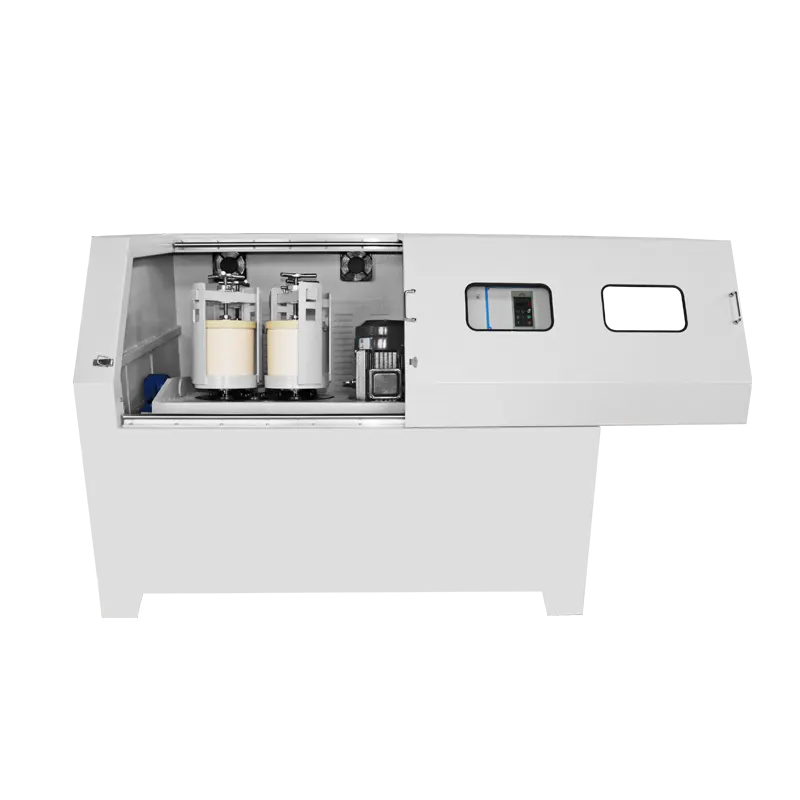
Common Mistakes and How to Avoid Them
Most milling problems are not mysterious. They come from a few familiar habits. We see them in labs all the time, and we have made some of them ourselves. The good news is that each one has a practical fix.
Overloading the jar
A jar packed too full cannot let the balls move freely. You get less impact, more friction, and sometimes a solid mass of powder that has to be chiseled out. Leave free volume. The exact fill level depends on the jar and the sample, but if the mill sounds labored or the powder looks packed at the end, you probably used too much material.
Chasing speed instead of energy
Speed is easy to change, so it becomes the first thing people adjust. But energy delivery is not only about rpm. Ball density, ball size, fill level, and run time all matter. If a sample is not breaking down, a higher speed may just heat it up. Try a different media size, a different ball-to-powder ratio, or a staged program before you jump to maximum speed.
Changing too many variables at once
If you change the jar, the balls, the speed, and the time in one go, you will not know what worked. Change one or two things at a time. Keep a simple log. A little discipline here saves a lot of material later.
A Practical Buying Checklist
Before you choose a configuration, run through a short checklist. It will make the conversation with any supplier more productive, and it will help you avoid surprises after installation.
- What sample materials will you mill most often, and what particle size do you need?
- What batch size do you need, and how much sample can you afford to lose?
- Do you need dry milling, wet milling, or both?
- Which jar materials are compatible with your samples and your contamination limits?
- What ball materials and sizes are available, and how often will you replace them?
- What electrical supply and bench space do you have?
- Do you need programmable direction patterns, pauses, or cooling intervals?
- What safety features and training materials are included?
If you can answer these questions, you are already ahead of most buyers. The mill is only one part of the system. Jars, media, method, and operator training all shape the result.
Questions We Hear Most
Here are a few questions that come up again and again when labs evaluate a planetary mill.
Can it handle both dry and wet milling?
Planetary ball mills are commonly used for both, but the jar and media must be chosen for the process. Wet milling can help with sticking and heat, while dry milling is simpler for some materials. Confirm the jar and lid compatibility for your chosen method.
How do I know if I need full-directional motion?
If your samples are routine and a simple program works, you may not need to use every motion option. If you frequently deal with sticking, uneven mixing, or heat-sensitive powders, the extra control can be valuable. It is a flexibility feature, not a requirement for every job.
What about contamination?
Contamination comes from the jar, the media, and the sample itself. Choose materials that match your tolerance, inspect media for wear, and clean thoroughly between samples. If contamination is critical, ask for jar and ball options that minimize the risk.
What This Mill Means for Your Lab Work
The real value of a laboratory full-directional planetary ball mill is not a single number on a spec sheet. It is the ability to solve more than one kind of powder problem with one bench tool. You can run a gentle mix, a high-energy grind, or a staged program, and you can compare results without buying a second machine. That flexibility is useful in research, teaching, and quality work where materials change and methods have to keep up.
If you are considering the TENCAN Laboratory Full-Directional Planetary Ball Mill, start with your sample, your batch size, and your target result. Then use the product page to confirm the technical details and accessory options. Keep your trials short, your notes clear, and your jars clean. Do that, and the mill becomes more than a piece of equipment. It becomes a reliable part of how your lab thinks about powder.
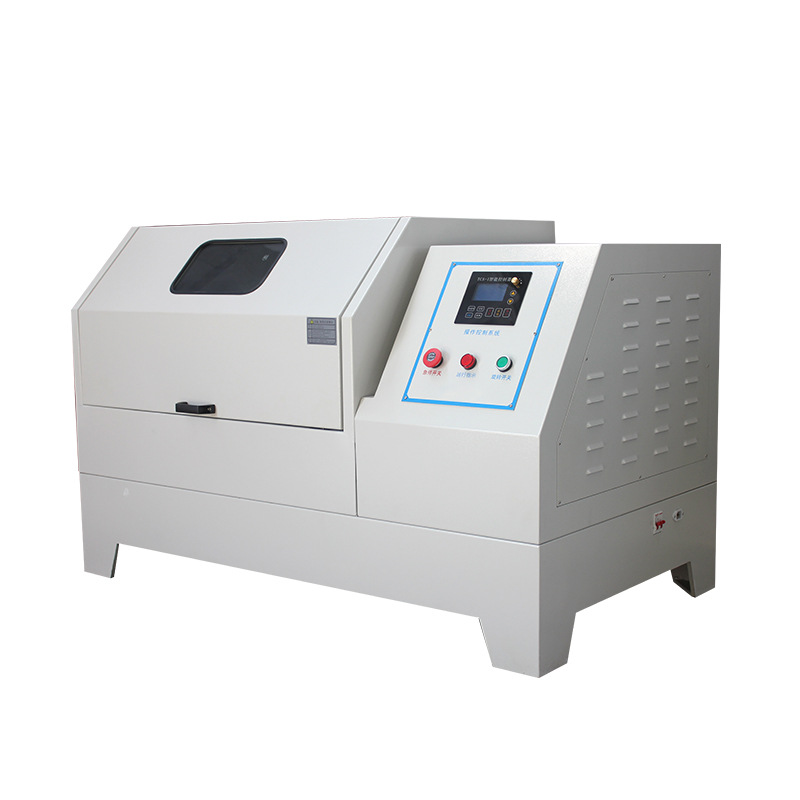
Related Products
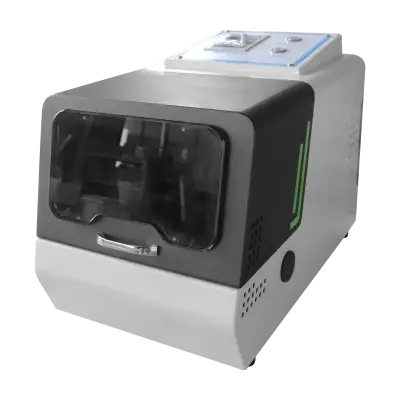
Micro Planetary Ball Mill
XQM-0.2
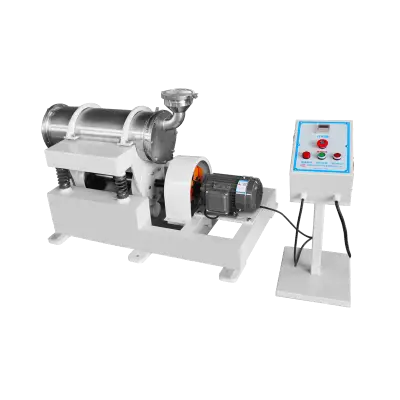
Lightweight vibrating ball mill
ZM
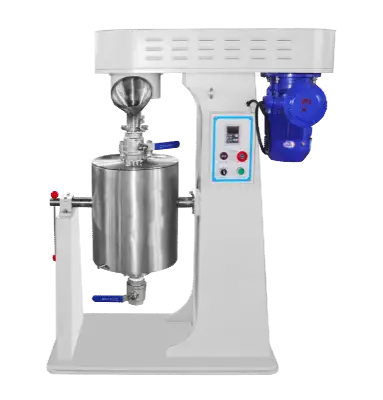
Lightweight stirred ball mill
JM
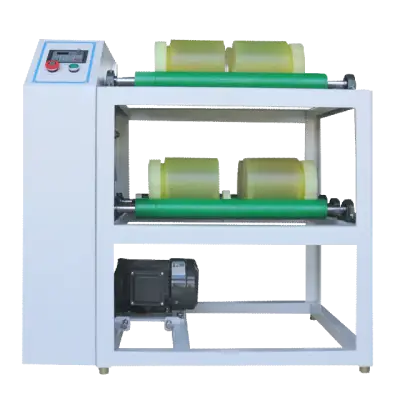
Jar mill with 8 working station
GQM-8
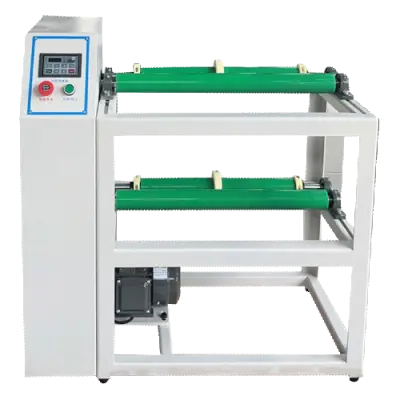
Four station jar mill
GQM-4
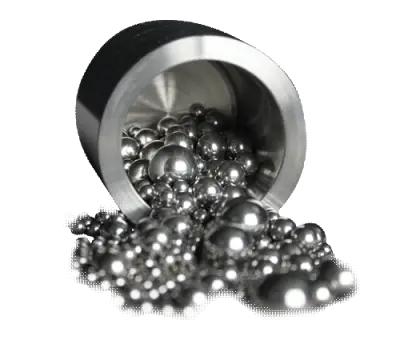
304 stainless steel grinding ball
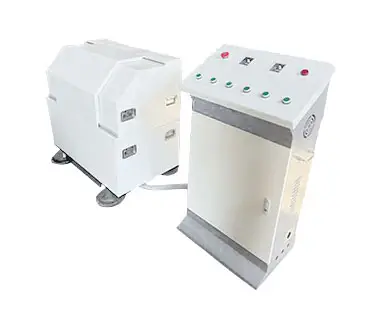
Continuous planetary ball mill
LXYM
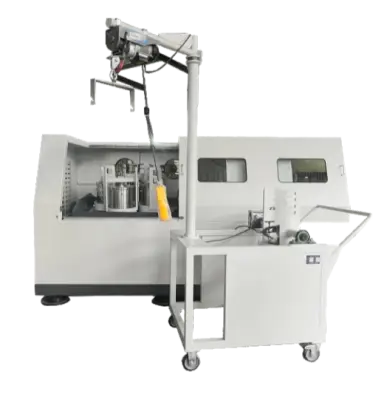
Heavy-duty Full-directional Planetary Ball Mill
QXQM
Horizontal light-duty ball mill
WXQM
Get In Touch
Our professional team will reply to you within one business day. Please feel free to contact us!