
Glove Box with Purification System: Your Ultimate Guide to Inert Atmosphere Control

Why Do You Need a Glove Box with Purification System?
If you've ever worked with air-sensitive materials — like lithium metal for batteries, organic semiconductors for OLEDs, or tritium in nuclear fusion — you know that even a tiny amount of moisture or oxygen can ruin your experiment. A standard glove box seals out the room air, but without a purification system, the internal atmosphere will gradually degrade due to leaks, outgassing, and the samples themselves. That's where a glove box with purification system comes in. It actively circulates the inert gas (argon, nitrogen, or helium) through a purification column that removes H₂O and O₂ down to <1 ppm, keeping your work environment pristine for days, weeks, or even months.
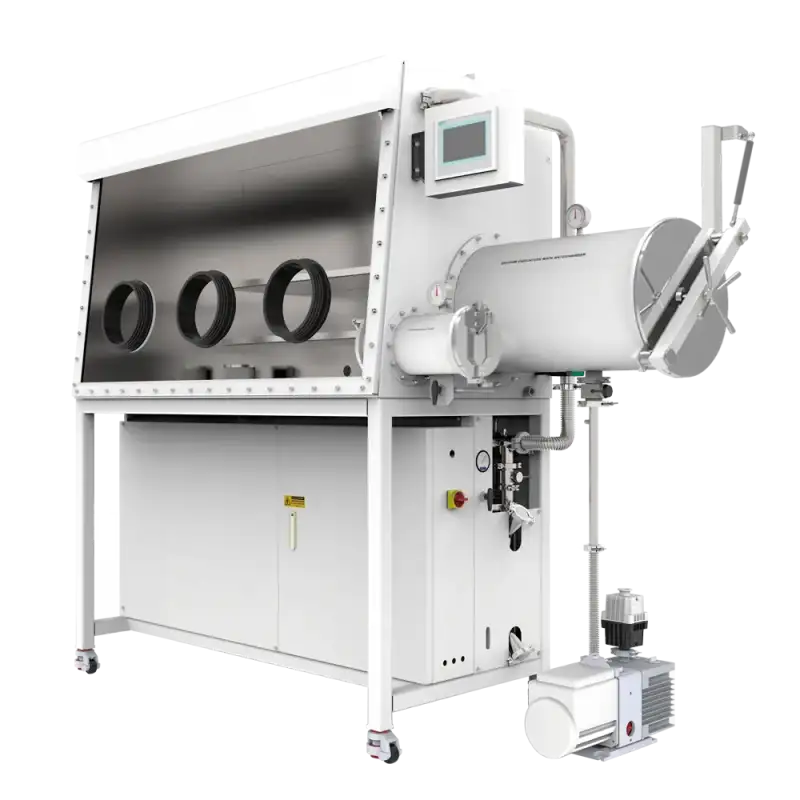
How Does a Purification System Work?
The heart of the system is a sealed purification cartridge (often called a “purifier”) filled with specialized adsorbents and catalysts. As the glove box fan pushes the inert gas through the cartridge, two main things happen:
1. Moisture Removal
Water vapor is trapped by molecular sieves — porous materials that act like tiny sponges, holding onto H₂O molecules while letting the inert gas pass.
2. Oxygen Removal
Oxygen is chemically reacted with a catalyst (like copper or a palladium-based compound) to form a stable oxide, which is then retained in the cartridge. For example, many systems use a copper catalyst that converts O₂ into CuO.
After the cartridge becomes saturated (usually after many hours of operation), the system can be regenerated by heating it while purging with a dilute hydrogen mixture (e.g., 3–5% H₂ in N₂ or Ar). This drives off the water and reduces the copper oxide back to copper, restoring the cartridge’s capacity. Modern PLC-controlled glove boxes, like those from TENCAN (Changsha Tianchuang Powder Technology Co., Ltd.), automate this regeneration cycle, so you don't have to babysit the process.
Key Technical Parameters to Look For
When you're shopping for a glove box with purification system, here are the numbers that matter most:
| Parameter | Typical Value (TENCAN Models) |
|---|---|
| H₂O concentration | < 1 ppm |
| O₂ concentration | < 1 ppm |
| Gas circulation rate | 70 m³/h (at 60 mbar ΔP) |
| Leak rate (purification loop) | < 10⁻⁵ mbar·L/s |
| Regeneration gas | N₂/H₂ mixture (3–5% H₂) or Ar/H₂ |
| Power supply | 110V/60Hz 20A or 220V/60Hz 10A |
| Box dimensions (example) | 1250L × 840W × 920H mm |
These specs ensure that the internal environment stays consistently below 1 ppm for both moisture and oxygen, which is critical for lithium-ion battery research, OLED fabrication, and advanced materials synthesis.
Applications That Demand a Purification System
Let's look at a few real-world scenarios where a simple glove box just won't cut it:
Lithium Battery R&D
Electrolytes and lithium metal electrodes react violently with water. Even a few tens of ppm of moisture can degrade battery performance or cause safety hazards. A purified glove box allows you to assemble coin cells, test materials, and perform aging studies without contamination.
OLED & Organic Electronics
Organic light-emitting diodes (OLEDs) and organic photovoltaics are extremely sensitive to oxygen and water. The purification system keeps the box environment at sub-ppm levels, enabling device fabrication and encapsulation under inert conditions.
Nuclear & Tritium Handling
In tritium fuel cycling facilities, glove boxes with purification systems are used to capture and remove tritium from the atmosphere using getter materials. The system must maintain very low tritium concentrations (e.g., <1 mCi/m³) to comply with safety regulations.
3D Printing of Reactive Materials
Some metal powders (like titanium or aluminum alloys) are pyrophoric or oxidize quickly. A glove box with purification system provides a safe, inert environment for 3D printing processes.
Choosing the Right Glove Box: What to Consider
Not all purification systems are created equal. Here are some factors to think about when picking a glove box with purification system from TENCAN:
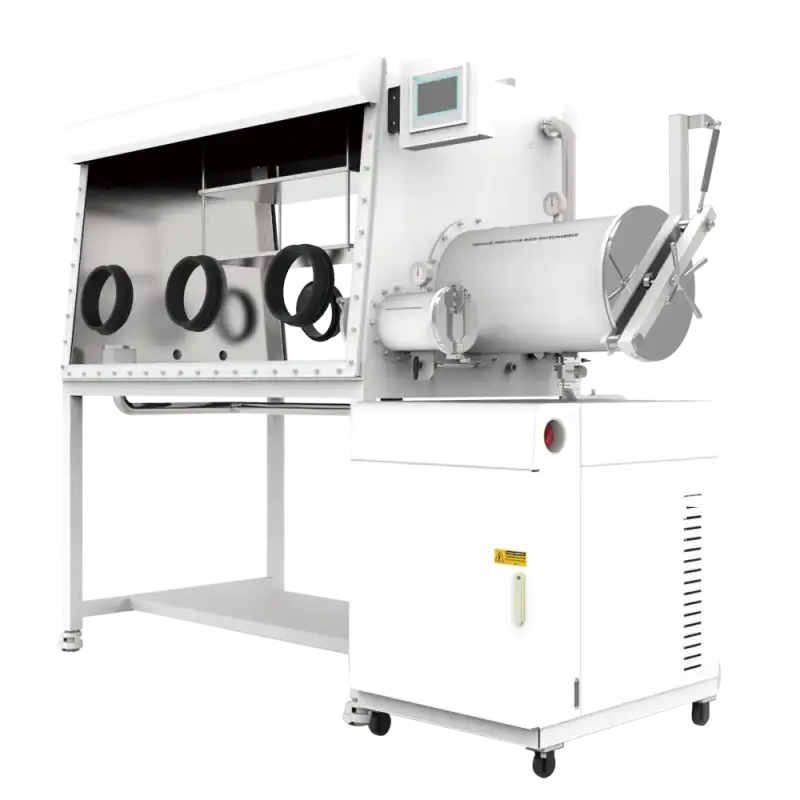
- Box size – Do you need a single-station, two-station, or larger custom box? Standard sizes like 1250mm (L) × 840mm (W) × 920mm (H) are common for two-station units.
- Material of construction – Stainless steel (SUS304) is standard for durability and low outgassing. Acrylic boxes are lighter and cheaper but less resistant to chemicals and solvents.
- Control system – Look for a PLC with a touchscreen interface (like TENCAN's 5.7-inch color touch panel) that allows you to set pressure, monitor gas purity, and schedule automatic regeneration.
- Accessories – Optional features include a solvent adsorber, freezer (for cooling samples), vacuum oven, or an integrated gas analyzer.
- Regeneration convenience – Automatic regeneration saves you hours of manual work. TENCAN's system offers three modes: automatic, semi-automatic, and manual.
If you're on a budget or need a simpler setup, you might also consider TENCAN's Acrylic Glove Box or Stainless Steel Vacuum Glove Box. However, for applications requiring sustained sub-ppm purity, the glove box with purification system is the only way to go.
Maintenance Tips for Long-Term Performance
To keep your purification system running at peak efficiency, follow these simple practices:
- Check the leak rate regularly – A tight box minimizes the load on the purifier. The TENCAN system has a leak rate of <10⁻⁵ mbar·L/s, but seals can degrade over time.
- Regenerate on schedule – The PLC will remind you when regeneration is needed. Don't delay it, or the purifier may lose capacity.
- Use the correct regeneration gas – Using pure H₂ instead of the recommended 3–5% H₂ mixture can damage the catalyst.
- Keep the vacuum pump maintained – The two-stage rotary vane pump (12 m³/h capacity) needs oil changes and a clean oil mist filter.
Why TENCAN?
Changsha Tianchuang Powder Technology Co., Ltd. (TENCAN) has been designing and manufacturing glove boxes and powder processing equipment for over a decade. Their glove box with purification system combines robust stainless steel construction, advanced PLC control, and a proven purification cartridge that delivers consistent <1 ppm H₂O and O₂. Whether you're in a university lab, a battery pilot line, or a nuclear research facility, TENCAN offers a range of sizes and configurations to fit your needs.
Ready to take control of your atmosphere? Explore the TENCAN Glove Box with Purification System and see how it can elevate your research.
If you have any questions about which model suits your application, feel free to reach out to their team — they're always happy to help you find the perfect solution.
Related Products
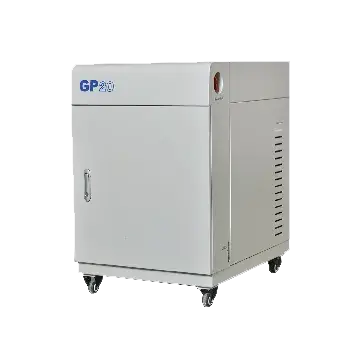
Purification system box
Gas purification system box connects with sealed containers and equipment to create a closed loop, removing water and oxygen for a high-purity inert gas environment.
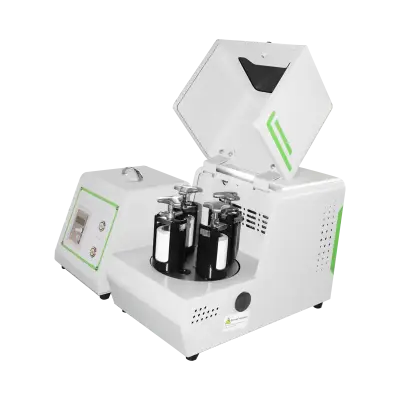
Micro Planetary Ball Mill
Micro planetary ball mill for mixing, fine grinding, and sample preparation. Compact, efficient, low noise. Ideal for research labs & universities. Supports vacuum grinding with dedicated jars.
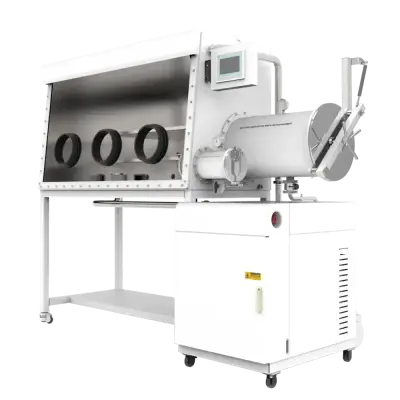
glove box with purification system
Sealed glove box integrated with gas purification system for inert atmosphere. Effectively removes O2 and H2O to under 1 ppm. Ideal for sensitive material handling, battery research, and semiconductor manufacturing.
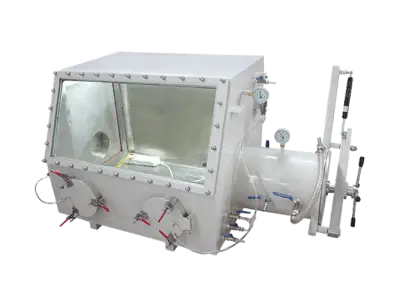
Stainless steel vacuum glove box
Stainless steel vacuum glove box for high-purity inert gas environments. Circulates and filters active substances, ideal for lab research, battery assembly, and material handling.
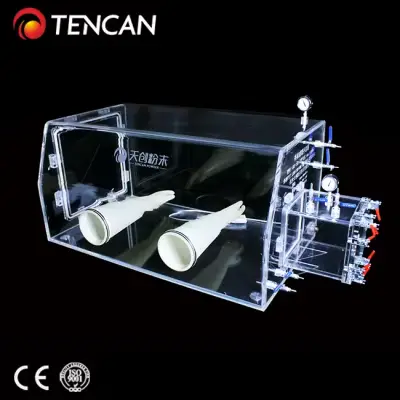
Acrylic glove box
Acrylic vacuum glove box enables safe sample handling and operation in an inert, oxygen-free, moisture-free environment for precise scientific experiments.
Get In Touch
Our professional team will reply to you within one business day. Please feel free to contact us!