
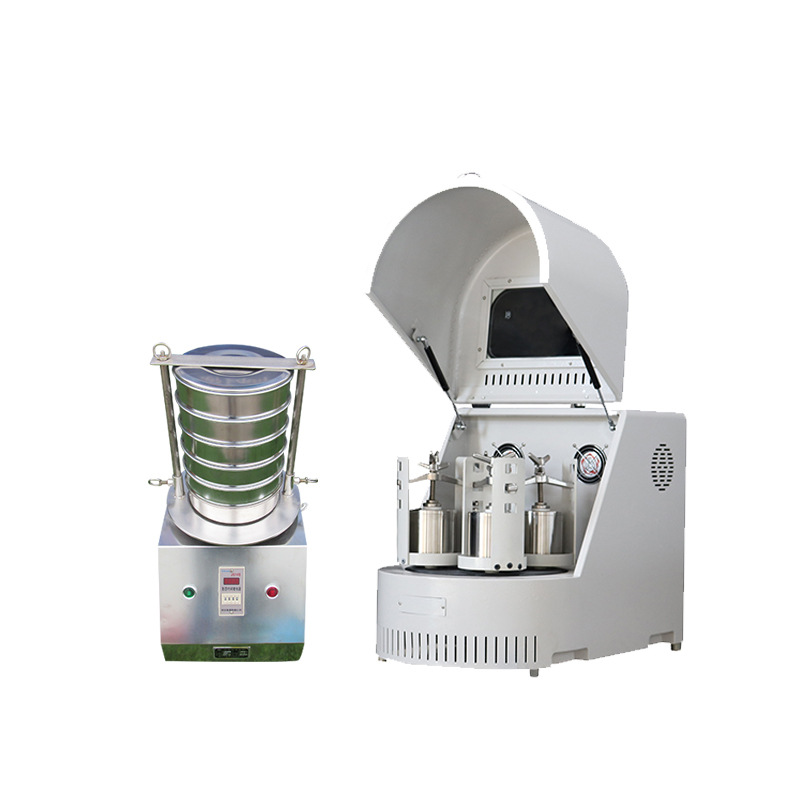
Soil Grinder and Sieve Machine: A Practical Guide to Faster, Cleaner Sample Prep

Why soil samples need a proper grind and sieve
If you have ever picked up a field sample full of wet clods, stones and roots, you know the problem. A lab tests only a small scoop, so that scoop must represent the whole field. A soil grinder and sieve machine breaks down aggregates and passes material through a screen, turning messy soil into a uniform, repeatable sample.
“Homogeneous” simply means every spoonful behaves like every other spoonful. Without it, two technicians can get different results from the same field. That is a data-quality problem, not just housekeeping.
What the machine actually does
Feed in soil, break up lumps, and let the screen set a size limit. Oversized pieces stay out or go back for another pass. The result is easy to split, store and weigh.
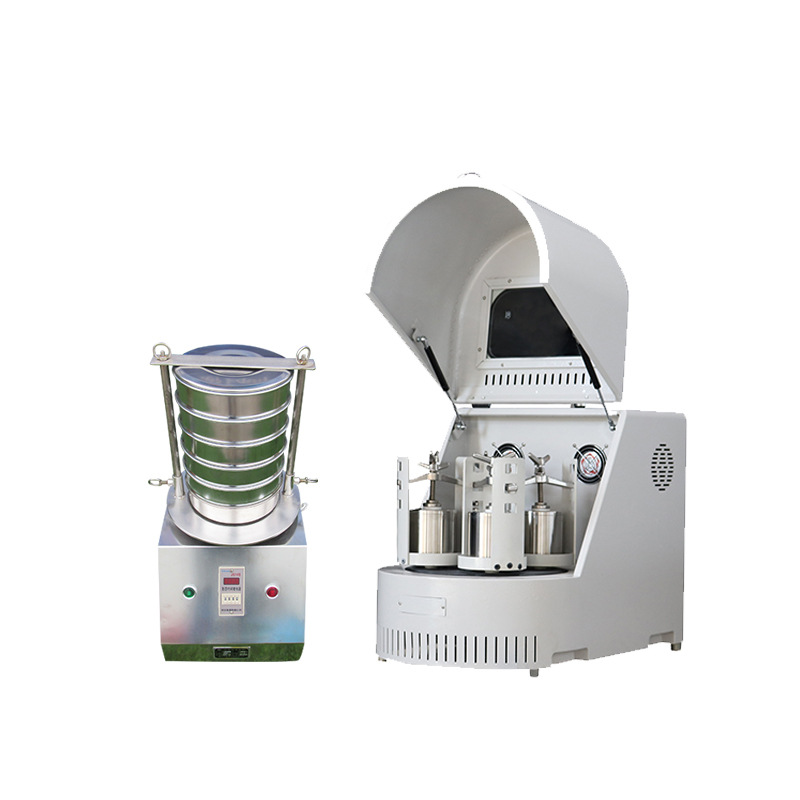
Grinding: separate, don’t pulverise
This step separates particles. It should not smear wet clay or crush fragile material into flour. Overworking a sample can change its particle-size distribution and make the test less representative.
Sieving: one shared rule
A sieve is a screen with a defined opening. Material either passes or it does not. That simple rule is what makes results comparable between batches and labs.
Where it earns its keep
You will see this setup in agricultural fertility testing, environmental assessment, geotechnical work and soil research. The common need is a consistent sample before weighing or extraction.
- Agriculture: prepares soil for nutrient and pH testing.
- Environmental work: homogenises samples before contaminant screening.
- Geotechnical studies: gives a repeatable starting point for index tests.
- Teaching and research: keeps batches and long-term trials comparable.
How to get reliable results
Start with a representative subsample
No machine can rescue a bad sample. Take several small cores, mix them, then quarter down. Quartering means dividing into four parts, keeping two opposite parts, and repeating until the sample is manageable.
Match the screen to the method
There is no universal sieve size. Your test method should say what passes. If you are unsure, ask the lab before grinding the whole batch; you cannot easily put the coarse fraction back.
Clean between samples
Damp soil can blind a screen — clog its openings so material stops passing. Air-drying suits some tests, not all, so follow your method. Brush or vacuum between samples; a few grams of the last batch can contaminate the next.
Practical buying and use notes
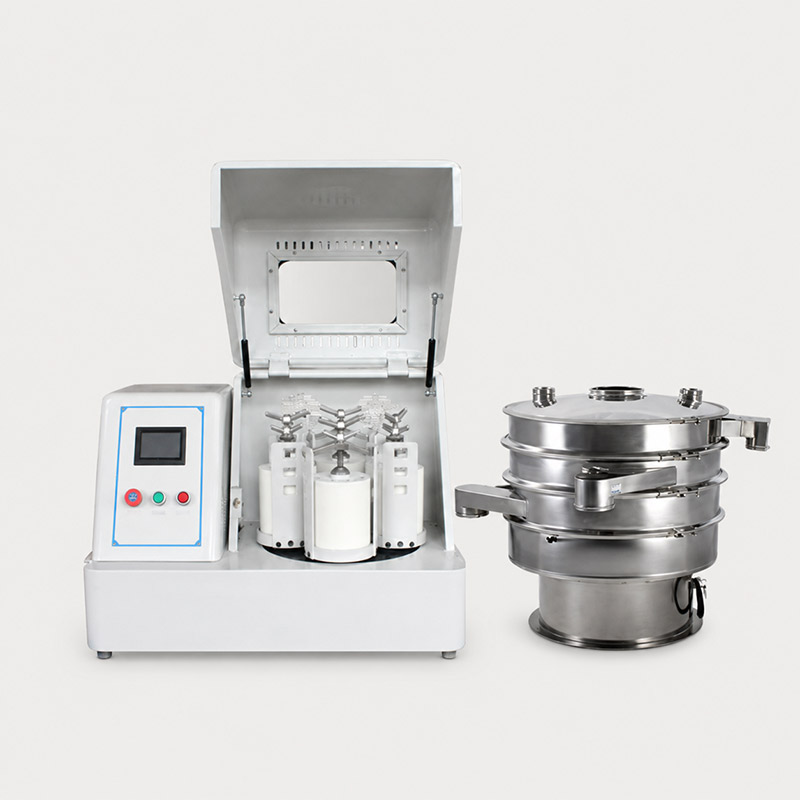
Choose a machine that is easy to clean, has a stable base, and lets you change the screen without a fight. Dry grinding makes dust, so use PPE and ventilate the area. Keep a log of sample ID, screen, operator and cleaning, and check the product page for current configuration details.
A small step that protects your data
Field variability you cannot control; sample prep you can. A consistent grind and sieve routine gives the lab material it can trust. Start with the soil grinder and sieve machine and build your procedure around it.
Related Products
Get In Touch
Our professional team will reply to you within one business day. Please feel free to contact us!