
Small Ball Mill with a Ceramic Jar: A Complete Guide for Lab Use

Why a Small Ball Mill with a Ceramic Jar Might Be Your New Best Friend in the Lab
If you've ever tried to grind, mix, or homogenize small batches of powders, you know the struggle. You need something that's gentle on samples, easy to clean, and doesn't cost a fortune. That's exactly where a small ball mill with a ceramic jar shines. It's a compact, reliable workhorse for labs that deal with ceramics, minerals, chemicals, and even some biological materials.
In this guide, we'll walk through what makes this type of mill special, how it works, and how to pick the right one (including jar materials) for your specific needs. No fluff, just practical advice you can use right away.
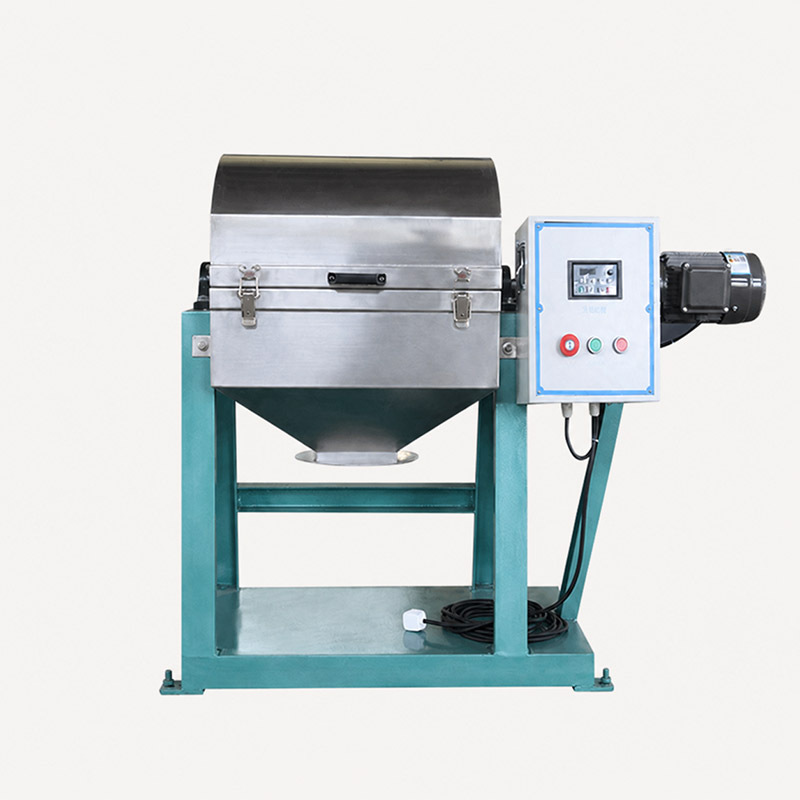
What Is a Small Ball Mill with a Ceramic Jar?
Think of it as a tiny rotating drum that tumbles ceramic balls (or other grinding media) together with your sample. The drum – or jar – is made of ceramic, which is great because it won't introduce metallic contamination to your powders. The mill itself is a small, bench-top unit that typically runs on a set of rollers or a direct drive mechanism. You load the jar, set the rotation speed, and let it do its thing.
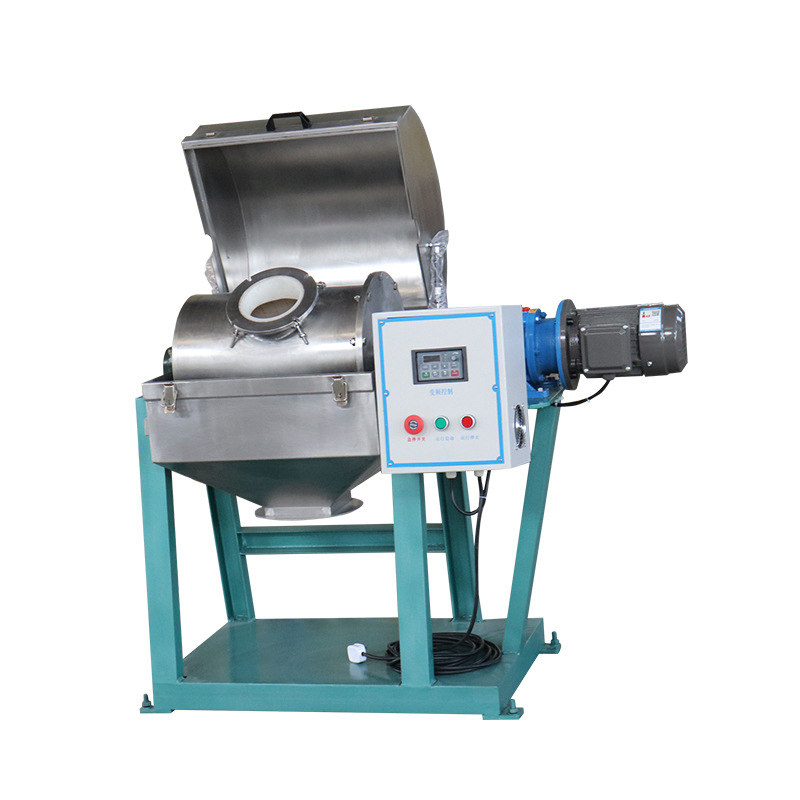
This kind of mill is often called a drum ball mill or roll ball mill because the jar rotates like a drum on a set of rollers. The TENCAN (Changsha Tianchuang Powder Technology Co., Ltd.) offers a variety of these models, including the small ball mill with a ceramic jar, which is designed for light-duty lab work.
Key Features That Make It So Useful
1. Ultrasonic-Level Quiet Operation
Traditional ball mills can be noisy, but the small ceramic jar mill runs surprisingly quietly. Because the jar is relatively light and the motor is designed for low vibration, you can run it right on your lab bench without disturbing colleagues.
2. Versatile Grinding Modes
You can run it dry or wet. Need to grind a sample that's sensitive to heat? No problem – the slow rotation generates minimal heat. Want to mix powders with a liquid binder? Wet milling works perfectly.
3. Easy to Clean and Maintain
Ceramic jars are non-porous and smooth. After a run, you just rinse them out. No cross-contamination between different materials if you have multiple jars.
4. Compact Size
Most lab bench-top models take up less than a square foot of space. The TENCAN small ball mill, for example, typically measures around 400x400x500 mm and weighs only about 30 kg.
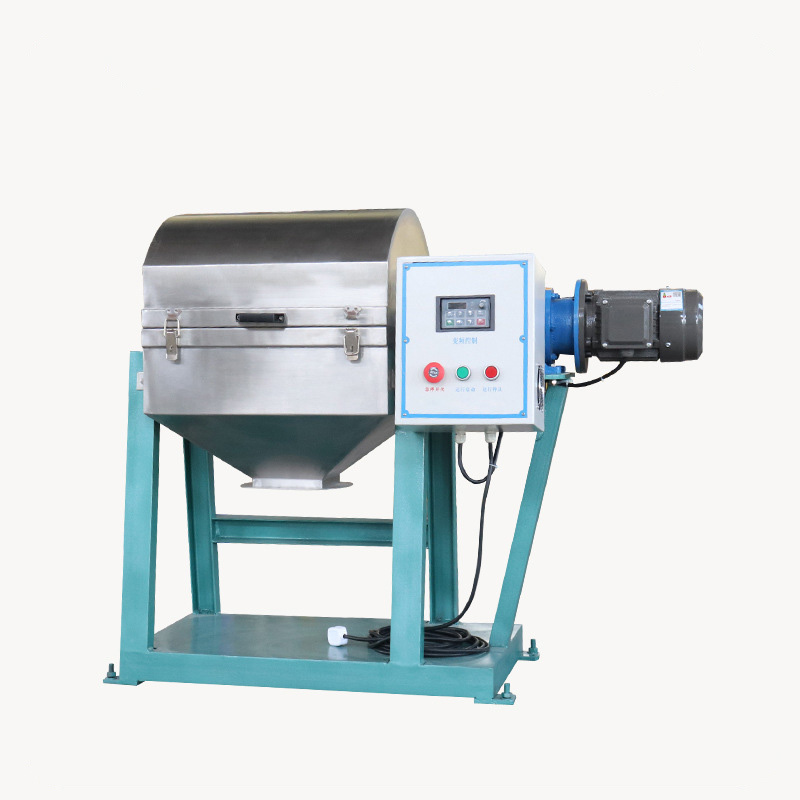
How Does It Work? (The Simple Science)
The jar is filled with your sample material and grinding balls (usually ceramic or alumina balls of different sizes). As the jar rotates, the balls are lifted up by the jar wall and then fall back down, crushing the sample through impact and shear forces. The speed is usually between 50 and 300 RPM, which is perfect for fine grinding without turning the powder into dust that flies everywhere.
For most lab applications, the particle size can be reduced down to 1-10 microns, which is ideal for XRF analysis, spectroscopy, or material synthesis.
Choosing the Right Ceramic Jar Material
Not all ceramic jars are created equal. The material you choose affects your sample purity and grinding efficiency. Here's a quick guide:
| Jar Material | Best For | Notes |
|---|---|---|
| Alumina (Al₂O₃) | General-purpose grinding, ceramics, oxides | Hard, wear-resistant, affordable |
| Zirconia (ZrO₂) | High-purity grinding, tough materials | Very hard, low contamination, more expensive |
| Agate | Trace analysis, precious samples | Natural silica, very smooth, but fragile |
| Polyurethane / Nylon | Soft materials, organic compounds | Low contamination, but less wear resistance |
For the small ball mill with a ceramic jar, the standard jar is often high-purity alumina, which covers 90% of lab needs. If you're working with nanomaterials or very abrasive powders, you might want to upgrade to zirconia.
Real-World Applications
This mill is a favorite in:
- Geology and mineralogy – grinding rock samples to fine powder for XRF or XRD analysis.
- Ceramics industry – mixing and milling ceramic powders for glaze or body preparation.
- Pharmaceutical research – size reduction of active ingredients for formulation studies.
- Materials science – alloying or mechanochemical synthesis of new compounds.
- Educational labs – demonstrating ball milling principles to students.
One of our customers, a university lab, uses it for grinding soil samples for heavy metal analysis. The ceramic jar ensures no iron contamination, which would skew the results.
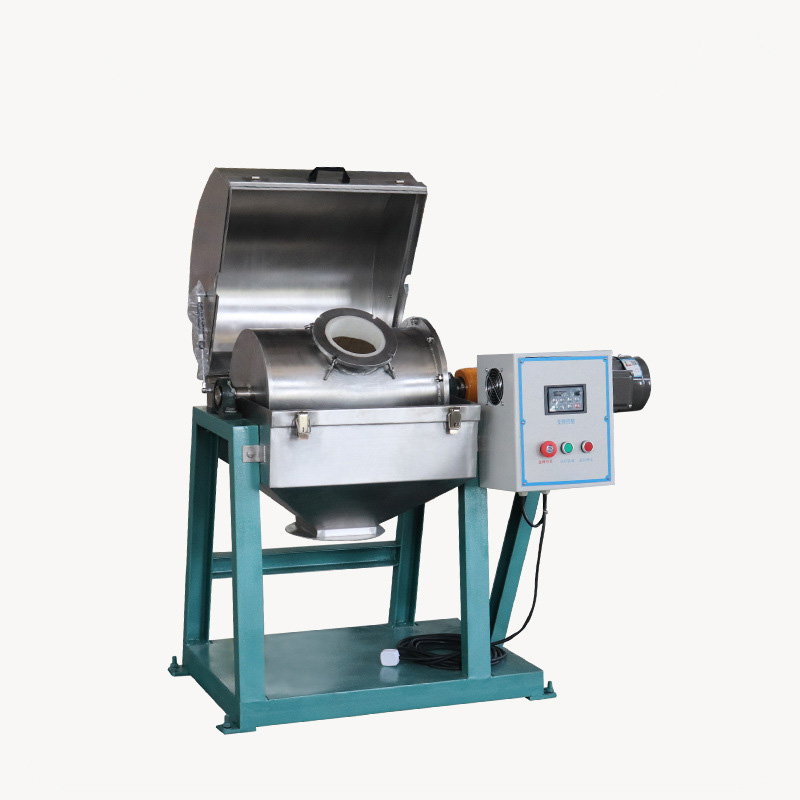
Technical Specifications to Look For
When you're shopping for a small ball mill with a ceramic jar, keep an eye on these parameters:
- Jar capacity: typically 0.5L to 5L per jar. For small labs, 1L is a sweet spot.
- Speed range: 50-300 RPM is common. Some models offer variable speed with digital display.
- Number of jars: single-jar or multi-jar (e.g., 2 or 4 stations). The TENCAN model comes in a single-jar version for simplicity.
- Material: ceramic jar (alumina, zirconia, etc.) – ensure it's compatible with your sample.
- Motor power: 0.25-0.75 kW is enough for lab use.
- Timer: digital timer with up to 999 minutes.
For example, the TENCAN small ball mill with a ceramic jar features a 1L alumina jar, 0-300 RPM variable speed, and a digital timer. It's built for light-duty, continuous operation.
Tips for Getting the Best Results
- Don't overfill the jar – fill it to about 1/3 of the jar volume with grinding balls, and 1/3 with sample material. The remaining space allows the balls to move freely.
- Use the right ball size – for fine grinding, use smaller balls (5-10 mm). For breaking down larger chunks, start with larger balls (10-20 mm).
- Adjust speed carefully – too slow and no grinding happens; too fast and the balls stick to the jar wall. The optimal speed is usually 60-70% of the critical speed.
- Wet vs dry – wet grinding is faster and produces finer particles, but you'll need to dry the sample afterward. Dry grinding is simpler but may generate more heat.
- Cleanliness – always clean the jar and balls between runs, especially if you're switching materials. A quick rinse with ethanol and a wipe is enough for most oxide materials.
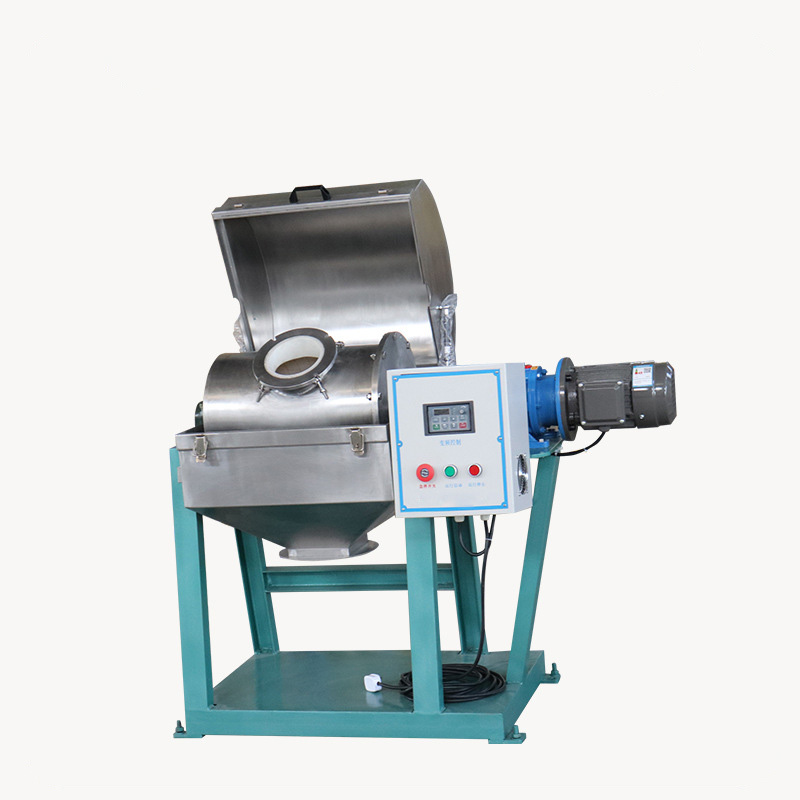
Comparison with Other Lab Ball Mills
You might be wondering how this small ball mill with a ceramic jar stacks up against other types like planetary ball mills or vibration mills. Here's a quick comparison:
- Planetary ball mill: much higher energy, can grind to sub-micron sizes, but more expensive and noisier. Great for nanomaterials.
- Vibration ball mill: high-frequency oscillation, good for small batches, but jar volume is limited.
- Drum/roll ball mill: gentle, quiet, easy to use, and perfect for routine grinding. The ceramic jar version is ideal when contamination is a concern.
If your work doesn't require extreme energy input, the drum ball mill is a cost-effective and reliable choice. And if you need to process multiple samples at once, TENCAN also offers four-station jar mills and other multi-station options.
Where to Buy and What to Expect
When you're ready to purchase, look for a supplier that offers solid after-sales support. TENCAN (Changsha Tianchuang Powder Technology Co., Ltd.) is a well-known manufacturer with over 18 years of experience. Their small ball mill with a ceramic jar comes with a standard warranty, and they can provide technical advice on jar selection and grinding parameters.
Prices typically range from $1,500 to $3,000 depending on jar material and features. The base model with an alumina jar is usually around $1,800. For a premium zirconia jar, expect to pay a bit more.
Remember: the cheapest option isn't always the best. Quality of the jar (especially the seal) and motor durability are critical for long-term use.
Conclusion
A small ball mill with a ceramic jar is one of those pieces of equipment that you'll wonder how you ever lived without. It's simple, quiet, and incredibly versatile. Whether you're grinding soil, mixing ceramic powders, or preparing samples for analysis, this mill gets the job done without fuss.
If you're still unsure about which jar material or model to choose, don't hesitate to reach out to TENCAN's team. They can help you match the right jar to your sample – because in the end, the jar is what makes or breaks the experiment.
Happy grinding!
Related Products
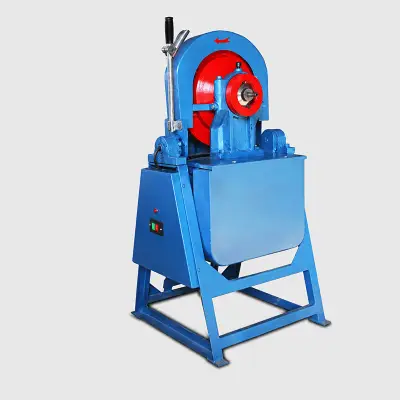
Laboratory Cone Ball Mill
Lab cone ball mill for fine grinding of ores, coal, cement, and chemicals. Dry/wet milling with variable speed. Low noise, dust-free, & high sealing performance.
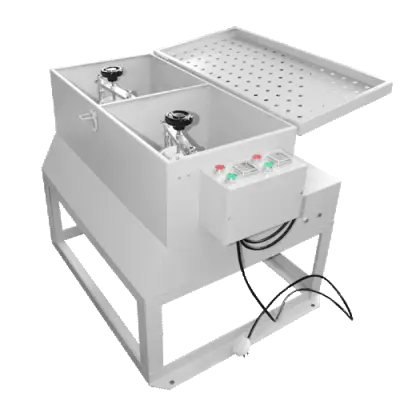
Fast ball mill
Fast ball mill for efficient grinding of electronic materials, magnetic materials, ceramics, and non-metallic ores. Ideal for labs and industries needing rapid particle size reduction.
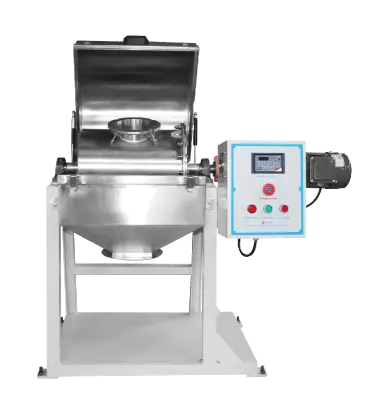
small ball mill with a ceramic jar
Small ball mill with a ceramic jar for intermittent batch grinding. Ideal for pilot-scale testing of ores, chemicals, ceramics. Energy-saving, wear-resistant, compact design for labs and small-scale production.
Get In Touch
Our professional team will reply to you within one business day. Please feel free to contact us!