
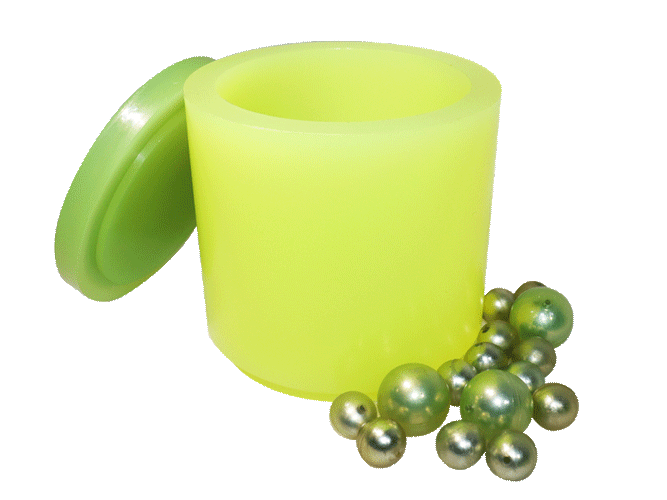
PU Planetary Mill Jar: The Ultimate Guide to Polyurethane Grinding Jars for You

You've got a sample that's too precious to risk. Maybe it's a new battery material, a pharmaceutical compound, or a delicate pigment. You need to grind it down to micron or even nano size, but you're worried about contamination, heat degradation, or those tiny bits of metal that could ruin your results. That's where the PU planetary mill jar comes in. Polyurethane (PU) might not be the first material you think of for a grinding jar, but it's a secret weapon for many labs. In this guide, we'll walk through everything you need to know about PU planetary mill jars: what they are, why they work, and when you should choose one. We'll keep it practical, no fluff, just the stuff that helps you get better milling results.
What Is a Planetary Ball Mill and Why Does Jar Material Matter?
Before we dive into PU specifics, let's set the stage. A planetary ball mill is a workhorse in many labs. It uses a rotating disk that holds several jars. As the disk spins, the jars rotate in the opposite direction. Inside each jar, grinding balls tumble and collide with your sample, crushing it into fine powder. The energy involved is high—these mills can reduce particles to sub-micron sizes in minutes.
But here's the thing: the jar is not just a container. It's an active participant in the milling process. The material of the jar determines how energy is transferred to your sample, whether contamination occurs, and how much heat is generated. A hard, brittle jar like agate will shatter particles with sharp impacts. A metal jar like stainless steel can introduce iron contamination. A softer, elastic jar like polyurethane changes the dynamics entirely. So choosing the right jar material is not a minor detail—it's a critical decision that affects your results.
What Exactly Is a PU Planetary Mill Jar?
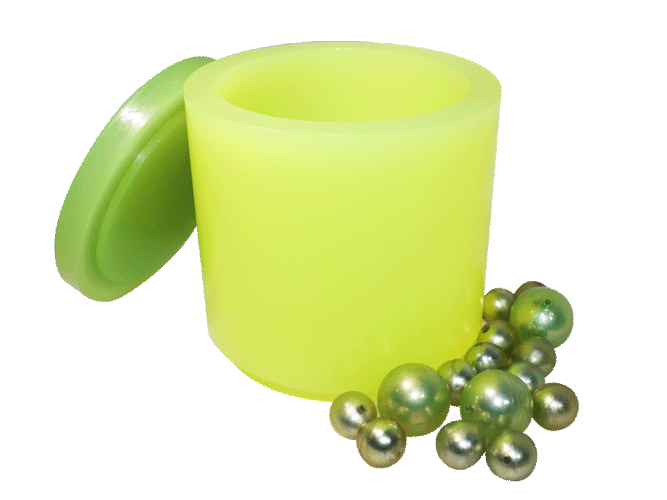
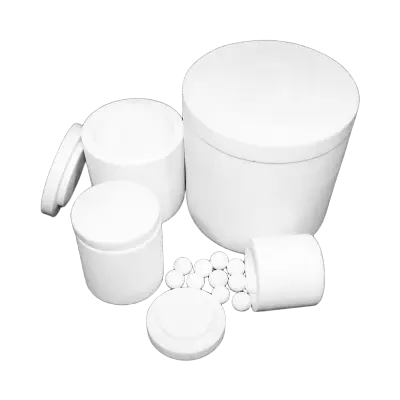
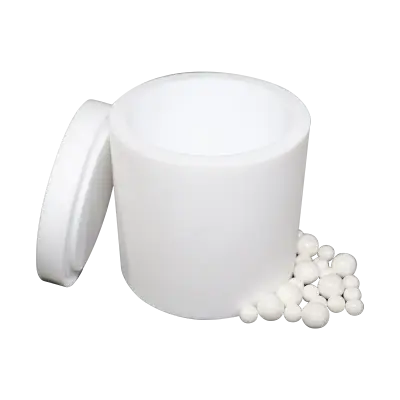
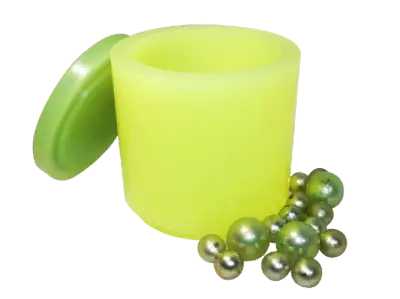
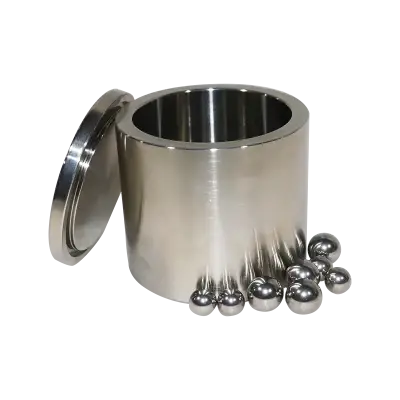
A PU planetary mill jar is a grinding jar where the inner chamber is made from polyurethane. Polyurethane is a polymer that can be formulated to have a range of properties, but for milling jars, it's typically a tough, slightly flexible material with excellent abrasion resistance. Unlike ceramic or metal jars, a PU jar has a bit of give. That might sound like a weakness, but it's actually a strength for certain applications. You can see a typical example on our PU planetary mill jar product page. It's designed to handle the high-energy environment of a planetary mill while protecting your sample from unwanted contamination.
Why Polyurethane? The Science Behind the Material
You might be wondering: why would anyone choose polyurethane over agate, zirconia, or stainless steel? Each material has its strengths, and PU shines in specific scenarios. Let's dig into the properties that make PU a smart choice.
Elasticity That Protects Your Samples
Polyurethane has a unique elastic behavior. When the grinding balls hit the jar wall, a metal or ceramic jar would transfer that impact energy directly to the sample, often causing local overheating and sometimes fracturing the sample in unpredictable ways. A PU jar, on the other hand, absorbs some of that impact. The elastic deformation spreads the force over a slightly larger area and reduces the peak stress. This gentler milling action is perfect for materials that are heat-sensitive or prone to mechanochemical changes. Think of it like catching a ball with a glove versus catching it with a bare hand—the glove softens the impact, and your hand feels less sting. Your sample feels the difference too.
Chemical Inertness and Contamination Control
Polyurethane is highly resistant to many chemicals, including mild acids, bases, and solvents. That means your sample won't react with the jar material, and the jar won't leach unwanted elements into your powder. This is crucial when you're milling high-purity materials for electronics, pharmaceuticals, or advanced ceramics. Even a tiny amount of iron or zirconium contamination can alter the properties of your final product. With a PU jar, you get a clean milling environment. That said, not all polyurethanes are created equal—formulations matter. The PU used in quality mill jars is specifically chosen for its chemical resistance and low extractables.
Noise Reduction and Durability
Anyone who has run a planetary ball mill knows they can be loud. The clattering of balls against a hard jar can be deafening. PU jars are noticeably quieter because the material dampens sound waves. Your lab mates will thank you. As for durability, PU is tough. It resists abrasion and tearing, so it won't wear out quickly under normal milling conditions. It's not indestructible—extremely hard materials or very long milling times will eventually wear it down—but for most applications, a PU jar gives you a long service life.
When Should You Choose a PU Jar Over Other Materials?
Now, let's get practical. You have a milling project. Should you reach for a PU jar or something else? Here's a quick rundown of when PU makes sense.
- Soft to medium-hard materials: PU is ideal for grinding materials with Mohs hardness up to about 5 or 6. Think polymers, resins, food products, plant fibers, and some minerals. For very hard materials like corundum or silicon carbide, you'd want a harder jar material like zirconia or agate.
- Heat-sensitive samples: If your material degrades or changes phase when heated, PU's impact-absorbing nature helps keep temperatures lower during milling.
- Contamination-sensitive applications: When you can't afford any metal or ceramic contamination, PU is a safe bet. It's often used in battery research, pharmaceutical development, and electronic materials.
- When noise is a concern: If your lab has noise restrictions or you just want a quieter workspace, PU jars are a blessing.
- When you need a gentle grind: For achieving fine particles without over-grinding or amorphizing your sample, PU's softer impact is advantageous.
Of course, PU isn't the best for everything. If you need to grind very hard, brittle materials down to sub-micron sizes quickly, a denser jar material might be more efficient. But for a wide range of everyday lab milling tasks, PU is a versatile performer.
To give you a clearer picture, here's a general comparison of common jar materials:
| Material | Hardness | Contamination Risk | Best For |
|---|---|---|---|
| Polyurethane (PU) | Low to medium | Very low | Soft, heat-sensitive, contamination-sensitive samples |
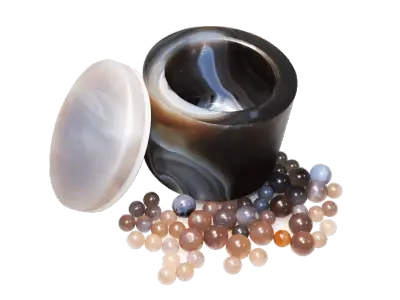
| Agate | High | Low (silica) | Hard, brittle materials; moderate contamination |
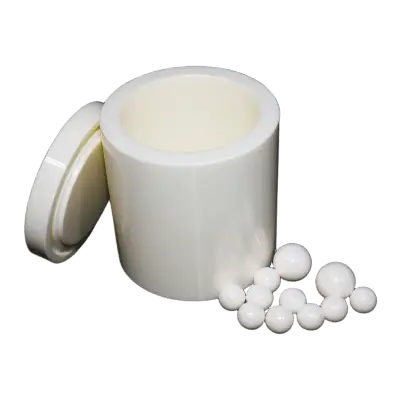
| Zirconia | Very high | Low (zirconium) | Hard materials, high-energy milling |
| Stainless Steel | Medium | High (iron, chromium) | General purpose, but not for contamination-sensitive work |
| Tungsten Carbide | Extremely high | Medium (tungsten, cobalt) | Very hard materials, aggressive milling |
As you can see, PU occupies a unique niche: it's the go-to when you need gentle, clean milling.
Key Applications of PU Planetary Mill Jars
Where do PU jars actually get used? Let's look at some real-world scenarios.
Soft and Sensitive Materials
In materials science, researchers often work with polymers, composites, and organic crystals. These materials can be sensitive to heat and impact. A PU jar allows you to mill them into fine powders without melting or degrading them. For example, if you're developing a new polymer blend, you might need to grind it to a consistent particle size for testing. A PU jar handles that gently. Similarly, in geology, soft minerals like talc or gypsum can be milled without the risk of phase changes that might occur with harder jars.
Food and Pharmaceutical Milling
The food and pharma industries have strict requirements for contamination and cleanliness. PU jars are easy to clean, resist bacterial growth, and don't react with food ingredients. You can mill spices, grains, or active pharmaceutical ingredients (APIs) with confidence. Just make sure the PU grade is food-safe or pharmaceutical-grade, depending on your application. Many suppliers offer PU jars that meet FDA or EU regulations for food contact. In pharma, where even trace heavy metals are unacceptable, PU jars provide peace of mind.
Cosmetics and Pigments
Cosmetic powders and pigments need to be milled to very fine, uniform particle sizes. Contamination from metal or ceramic jars can alter the color or texture of the final product. PU jars provide a clean environment, and their elastic nature helps prevent agglomeration, giving you a smoother, more consistent powder. If you're in the cosmetics game, a PU jar is a smart investment. The same goes for artists' pigments, where color purity is paramount.
Battery and Energy Materials
In battery research, even trace metal contamination can ruin electrochemical performance. PU jars are used to mill electrode materials, solid electrolytes, and other components where purity is paramount. The gentle milling also helps maintain the crystal structure of sensitive materials. For instance, when working with lithium iron phosphate or silicon anodes, you want to avoid introducing iron or other metals. A PU jar keeps your sample clean.
How to Pick the Right PU Jar for Your Lab
Ready to buy? Here's what to consider.
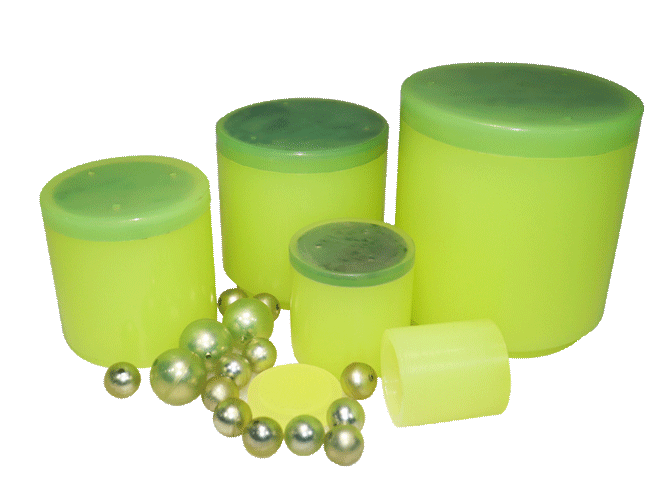
- Volume and capacity: PU jars come in various sizes, from small 50 mL jars for tiny samples to larger 500 mL or 1 L jars for bulk milling. Choose based on your typical sample size and the number of samples you process. A good rule of thumb: fill the jar about one-third to one-half full with grinding balls and sample.
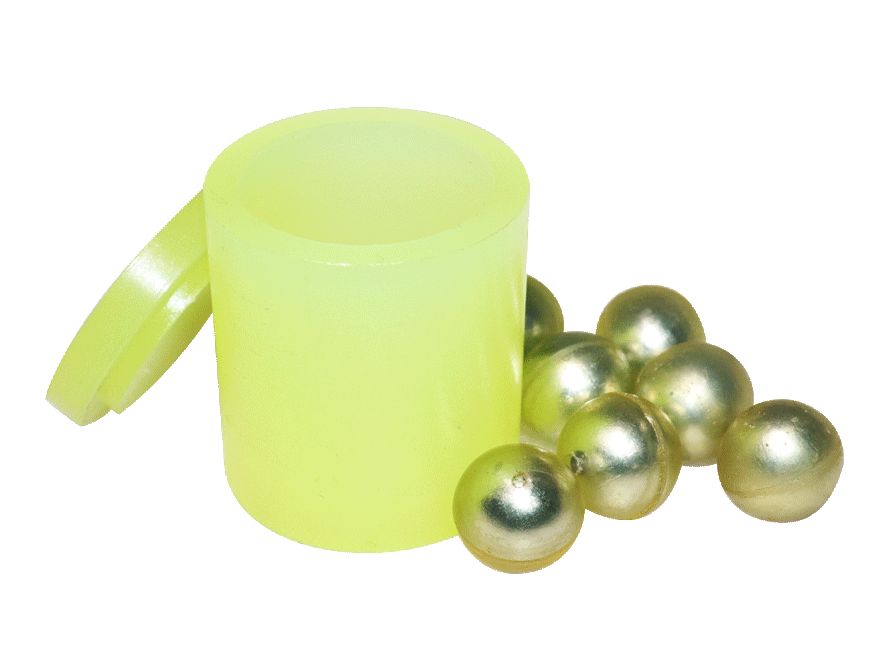
- Grinding ball material: The balls you use matter too. For PU jars, you can use zirconia, agate, or even stainless steel balls, but be aware that harder balls will wear the PU faster. Zirconia balls are a popular choice because they're dense and hard, providing good energy transfer while being relatively contamination-resistant. However, if you're milling a very soft material, lighter balls like agate might be sufficient.
- Compatibility with your mill: Not all jars fit all planetary mills. Check the dimensions and mounting mechanism. TENCAN's PU planetary mill jars are designed to fit standard planetary ball mills, but always verify compatibility before ordering.
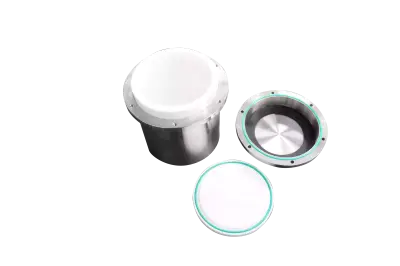
- Sealing and lid design: A good PU jar should have a secure lid that prevents leakage and contamination. Look for jars with airtight seals and easy-to-use clamping systems. Some jars come with optional gaskets for added security.
- Temperature resistance: PU has a maximum continuous service temperature, typically around 80-100°C depending on the formulation. If your milling generates a lot of heat, you might need to run in intervals or use a cooling system. For most lab-scale milling, PU is fine.
If you're unsure, the team at TENCAN can help you choose the right jar for your application. You can check out the PU planetary mill jar on our website for more details and specifications.
Maintenance and Cleaning: Keep Your PU Jar in Top Shape
To get the most out of your PU jar, a little care goes a long way.
- Clean after every use: Don't let sample residue dry inside the jar. Rinse with warm water and a mild detergent. Avoid harsh solvents that could degrade the polyurethane. A soft brush works well for removing stuck particles.
- Inspect for wear: Periodically check the inside of the jar for cracks, gouges, or thinning. If you see significant wear, replace the jar. Worn PU can start shedding particles into your sample.
- Store properly: Keep the jar in a dry, cool place away from direct sunlight. UV light can degrade polyurethane over time. If you're not using it for a while, store it with the lid off to prevent odors and mold.
- Avoid extreme temperatures: Don't autoclave PU jars unless they're specifically rated for it. High heat can warp or melt the material. If you need sterilization, use chemical disinfectants or ethylene oxide.
- Use the right grinding media: As mentioned, harder balls cause more wear. If you're worried about jar life, consider using softer balls or reducing milling time.
With proper care, a quality PU jar can last for years of regular use.
Why TENCAN's PU Planetary Mill Jar Stands Out
At TENCAN (长沙天创粉末技术有限公司), we've been making powder processing equipment for decades. Our PU planetary mill jars are designed with feedback from real labs. We use high-grade polyurethane that's tough, chemically resistant, and formulated for minimal contamination. Each jar is machined to precise tolerances, so it fits your mill perfectly and seals tightly. We offer a range of sizes and can customize if you have a special requirement. Plus, our technical team is always available to help you troubleshoot milling challenges. When you choose TENCAN, you're not just buying a jar—you're getting a partner in your research.
You can explore our full line of PU planetary mill jars on our website. If you need a different material, we also offer agate, zirconia, stainless steel, and more. But for many applications, PU is the sweet spot between performance, purity, and price.
Ready to Give PU Jars a Try?
If you've been struggling with contamination, heat damage, or just want a quieter, gentler milling process, a PU planetary mill jar might be exactly what you need. It's not a magic bullet for every material, but for soft to medium-hard samples, it's a game-changer. Think about your current milling challenges: are you losing sample to adhesion? Are you seeing unexpected phases in your XRD? Are you worried about metal contamination? A PU jar could solve those problems.
We hope this guide has given you a clear picture of what PU jars are and how they can help. If you have questions or want to discuss your specific application, feel free to reach out to us at TENCAN. We love talking about milling, and we're here to help you get the best results. Happy milling!
Related Products
Get In Touch
Our professional team will reply to you within one business day. Please feel free to contact us!