
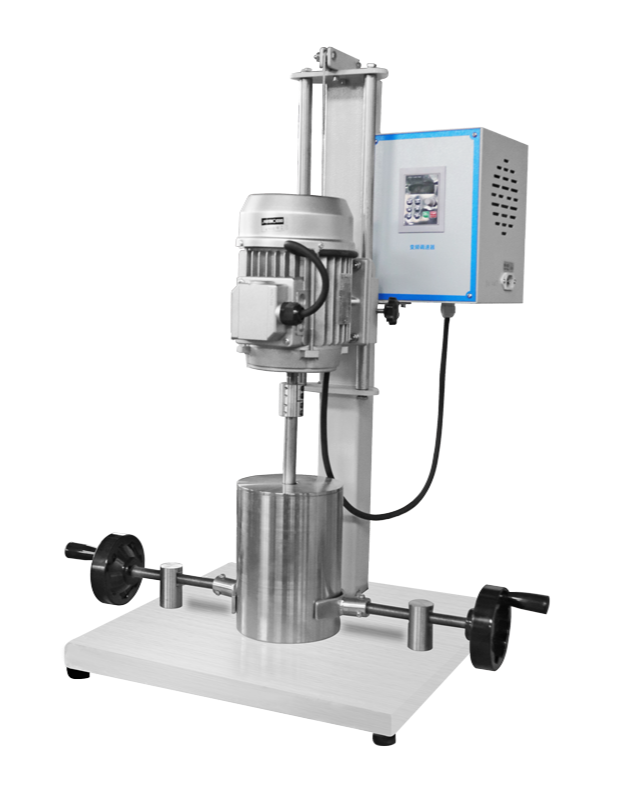
Lab Stirred Ball Mill: The Ultimate Guide for Fine Grinding in Research and Production

What Is a Lab Stirred Ball Mill?
If you're working in materials science, chemistry, pharmaceuticals, or ceramics, you've probably faced the challenge of grinding small samples down to micron or even nanometer size. That's where the lab stirred ball mill comes into play. Unlike traditional tumbling ball mills that rely on gravity, a stirred ball mill uses an agitator inside a stationary grinding chamber, spinning at high speeds to create intense shear and impact forces. This makes it incredibly efficient for producing ultrafine particles with narrow size distributions.
Think of it like a high-speed blender for your powders—but much more precise. The grinding media (usually small ceramic or steel balls) are agitated by a rotating shaft, transferring energy directly to the material. This design allows for higher energy density compared to planetary or conventional ball mills, which means faster grinding and finer results.
How Does a Lab Stirred Ball Mill Work?
The principle is straightforward: a grinding chamber is filled with a certain amount of grinding media (balls) and the sample material. A rotor or agitator—often equipped with disks or pins—rotates at high speed, causing the media to collide with the particles. The resulting impact, shear, and friction break down the particles into finer sizes.
Key variables that affect grinding performance include:
- Agitator speed: Higher speeds generate more energy, leading to smaller particles.
- Media size and material: Smaller media produce finer grinds, while media material (e.g., zirconia, alumina, steel) affects contamination resistance.
- Slurry viscosity: For wet grinding, the fluidity of the slurry influences efficiency.
- Grinding time: Longer times typically yield finer results, but there's a point of diminishing returns.
In a lab stirred ball mill, you can precisely control these parameters, making it ideal for process optimization and scale-up studies.
Why Choose a Lab Stirred Ball Mill Over Other Mills?
You might be wondering: why not just use a planetary ball mill or a simple vibratory mill? Here's the deal:
- Higher energy efficiency: Stirred mills use direct agitation, so less energy is wasted on moving the entire chamber. This translates to faster grinding and lower heat generation.
- Narrower particle size distribution: The controlled agitation produces more uniform particles, critical for applications like advanced ceramics or battery materials.
- Ability to handle viscous slurries: Stirred mills can handle higher solid loadings and more viscous fluids than planetary mills.
- Easier to scale up: Lab results from a stirred ball mill directly translate to larger production models because the production-type stirred ball mill uses the same fundamental design.
In short, if you need ultrafine grinding with high reproducibility, a lab stirred ball mill is your best friend.
Key Features of a Typical Lab Stirred Ball Mill
Let's look at what you can expect from a quality lab stirred ball mill, such as those offered by 长沙天创粉末技术有限公司 (Tencan). While specific models vary, here are common features:
| Parameter | Typical Range |
|---|---|
| Grinding chamber volume | 0.5 L – 5 L for lab scale |
| Agitator speed | Up to 2000 rpm (variable) |
| Media size | 0.1 mm – 3 mm |
| Feed particle size | ≤ 1 mm |
| Final fineness | Down to 100 nm (depending on material) |
| Grinding mode | Wet or dry |
| Materials of construction | Stainless steel, ceramic, polyurethane |
Many lab stirred ball mills also feature a jacketed chamber for temperature control, and some are equipped with a lifting system for easy cleaning. For example, the electric lifting stirred ball mill automates the process of raising and lowering the agitator, which is a huge time-saver when you're running multiple batches.
Applications Across Industries
Where do you see lab stirred ball mills in action? Pretty much anywhere that demands fine particles. Here are a few common examples:
- Battery materials: Grinding cathode and anode powders to submicron size for better electrochemical performance.
- Ceramics: Preparing advanced ceramic slurries for tape casting or injection molding.
- Pigments and inks: Dispersing pigments to achieve high color strength and transparency.
- Pharmaceuticals: Milling active pharmaceutical ingredients (APIs) to improve dissolution rates.
- Nanomaterials: Producing nanoparticle suspensions for research and development.
Because the lab stirred ball mill is so versatile, it's a staple in many R&D labs. If you're working with materials that need to be ground down to the nanoscale, this is the tool.
Lab Stirred Ball Mill vs. Lightweight Stirred Ball Mill
You might come across the lightweight stirred ball mill as an alternative. What's the difference? The lightweight version is designed for portability and smaller footprint—perfect for labs with limited bench space. It typically uses a smaller motor and lighter construction, but still delivers excellent grinding performance for small batches. The lab stirred ball mill, on the other hand, often offers more robust construction, higher power, and the ability to handle larger samples or more challenging materials. Choose based on your throughput and space constraints.
Tips for Choosing Your Lab Stirred Ball Mill
Ready to get one? Here are a few things to consider:
- Sample volume: How much material do you need to grind per batch? Match the chamber capacity accordingly.
- Material hardness: Harder materials require more energy and wear-resistant components. Look for options with ceramic or tungsten carbide linings.
- Contamination concerns: If you need high purity, choose a mill with a chamber and agitator made of the same material as your grinding media (e.g., all zirconia).
- Ease of cleaning: Models with quick-release mechanisms or electric lifting make cleaning between batches much faster.
- Scalability: If you plan to move to production later, pick a lab mill that mimics the geometry of larger production stirred ball mills.
Remember, the best mill for you depends on your specific application. Don't hesitate to reach out to manufacturers like 长沙天创粉末技术有限公司 for guidance—they often have application specialists who can help you choose the right model.
Conclusion
The lab stirred ball mill is an indispensable tool for anyone who needs consistent, ultrafine grinding in a laboratory setting. Its high efficiency, narrow particle size distribution, and ease of scale-up make it a favorite among researchers and process engineers alike. Whether you're working with battery materials, ceramics, or pharmaceuticals, this type of mill can help you achieve the particle sizes you need—fast.
If you'd like to explore more options, check out the lab stirred ball mill product page, and also consider the production-type stirred ball mill for scaling up. Happy grinding!
Related Products
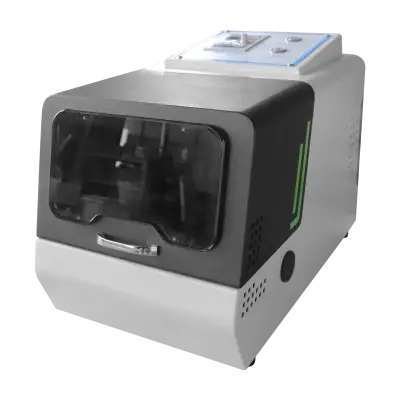
Micro Planetary Ball Mill
XQM-0.2
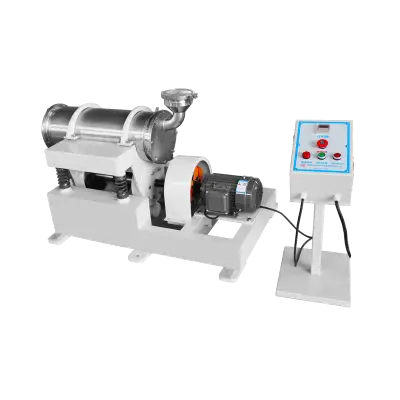
Lightweight vibrating ball mill
ZM
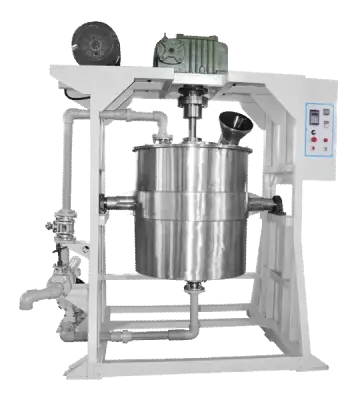
Production type stirred ball mill
JM
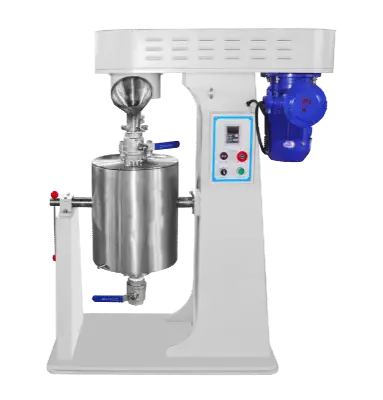
Lightweight stirred ball mill
JM
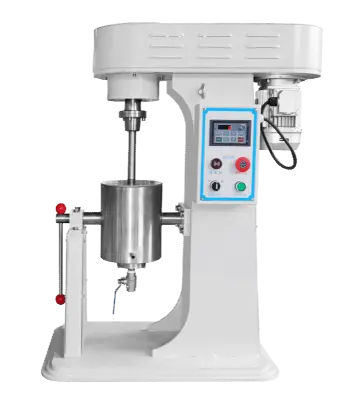
Electric lifting stirred ball mill
JM
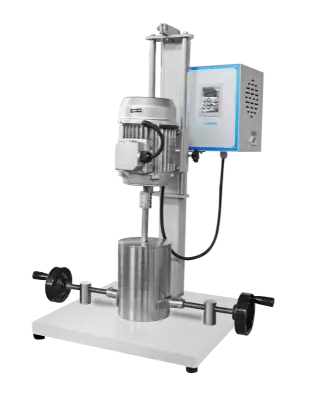
lab stirred ball mill
JM
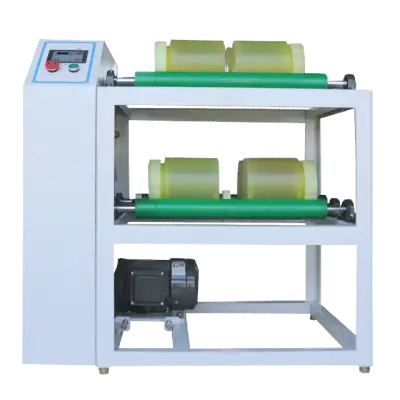
Jar mill with 8 working station
GQM-8
Four station jar mill
GQM-4
304 stainless steel grinding ball
Get In Touch
Our professional team will reply to you within one business day. Please feel free to contact us!