
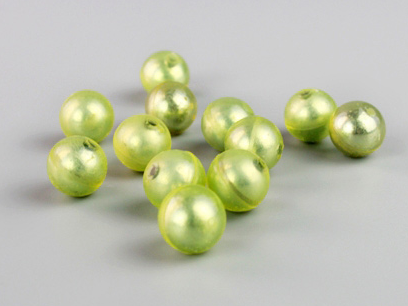
Polyurethane Coated Iron Core Grinding Ball: A Smart Choice for Gentle yet Efficient Grinding

What Makes a Polyurethane Coated Iron Core Grinding Ball Special?
If you've ever been caught between wanting a heavy grinding ball for efficient size reduction but worrying about contamination from metal or ceramic wear, you're not alone. This is exactly the problem that polyurethane coated iron core grinding balls are designed to solve. They are a hybrid solution that combines a dense iron core with a soft, resilient polyurethane outer layer. The result? You get the momentum and impact force of a heavy metal ball, but the contact surface is a clean, low-abrasion polymer that won't scratch your mill jar or introduce metallic impurities into your sample.
At 长沙天创粉末技术有限公司 (TENCAN), we've seen researchers use these balls for everything from delicate pharmaceutical powders to reactive battery materials. The polyurethane coating acts as a buffer, reducing the risk of cross-contamination while still delivering enough kinetic energy to break down agglomerates and achieve fine grinding.
How Does It Work?
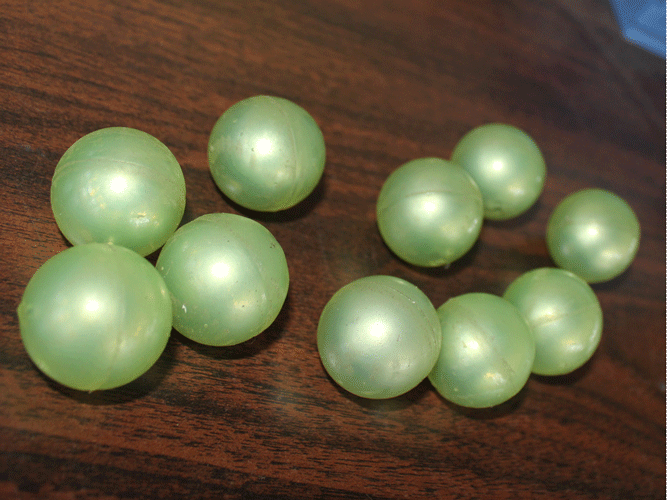
Let's break down the design. Inside the ball is a solid iron core — this provides the mass needed for effective grinding in planetary ball mills, roller mills, or attritors. Outside, a layer of polyurethane (typically 1–3 mm thick) is molded or bonded to the core. The polyurethane is chosen for its high elasticity, wear resistance, and chemical inertness.
During milling, the heavy iron core generates strong impact forces when the ball collides with the jar wall or other balls. But the polyurethane shell cushions each impact, spreading the force over a larger area. This reduces point loading, which means less chipping of the jar lining and less generation of fine metal debris. At the same time, the polyurethane surface is smooth and non-porous, making it easy to clean between runs.
Key Advantages at a Glance
- Low contamination: No direct metal-to-metal contact; the polyurethane layer prevents iron from rubbing off into the powder.
- High density: The iron core gives a density around 5–6 g/cm³, much heavier than ceramic or polymer balls, so you maintain grinding efficiency.
- Gentle on equipment: The soft outer coat reduces wear on mill jars and other balls, extending the life of your consumables.
- Quiet operation: Polyurethane dampens noise compared to hard steel or ceramic balls.
- Chemical resistance: Polyurethane resists oils, solvents, and mild acids, making it suitable for wet grinding with various liquids.
Where Are These Grinding Balls Used?
You'll find polyurethane coated iron core balls in laboratories and small-scale production lines where sample purity is critical. Common applications include:
- Pharmaceutical research: Grinding active ingredients without introducing metal catalysts.
- Battery material preparation: Milling cathode or anode powders where any iron contamination can cause short circuits.
- Cosmetics and pigments: Achieving fine particle sizes while avoiding color contamination from metal wear.
- Food and agricultural samples: Grinding spices, herbs, or grains without metallic taste issues.
- Ceramic and electronic materials: Pre-mixing powders where a clean environment is required.
How to Choose the Right Size and Quantity
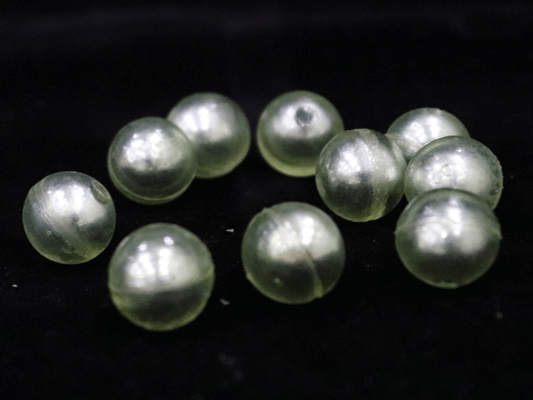
Just like any other grinding media, the diameter of the polyurethane coated ball matters. Common sizes range from 10 mm to 30 mm. For planetary ball mills, a mix of large and small balls often gives the best results — large ones for impact, small ones for friction. A typical rule of thumb is to fill the jar about one-third full with balls, then add your material and liquid (if wet grinding).
If you're working with a polyurethane coated iron core grinding ball for the first time, start with a small batch to observe the milling behavior. The coating may slightly reduce the effective impact force compared to a solid steel ball, so you might need to increase milling time or speed slightly. But the trade-off in sample purity is often well worth it.
Comparison with Other Grinding Media
To help you decide, here's a quick comparison with other popular media from TENCAN:
| Media Type | Density (g/cm³) | Contamination Risk | Best For |
|---|---|---|---|
| Polyurethane coated iron core | ~5.5 | Very low | Purity‑sensitive samples |
| 304 Stainless steel ball | ~7.8 | Moderate (iron, chromium) | General grinding, high impact |
| Zirconia ball | ~5.9 | Very low (oxide) | Hard materials, nano grinding |
| Agate ball | ~2.6 | Extremely low | Soft to medium hardness, fine grinding |
| Tungsten carbide ball | ~14.8 | Low (tungsten, cobalt) | Hardest materials, heavy duty |
As you can see, the polyurethane coated iron core ball sits in a sweet spot: it's dense enough to grind most common materials, yet gentle enough to keep your sample clean. It's also one of the most cost-effective options when you need both weight and low contamination.
Care and Maintenance Tips
To get the longest life from your coated balls, follow these simple guidelines:
- Rinse after each use: Polyurethane can absorb some solvents, so clean them with a mild detergent and water, then dry thoroughly.
- Avoid extreme temperatures: Polyurethane softens above 80°C and becomes brittle below -30°C. Keep milling temperature within this range.
- Inspect the coating: After many cycles, the polyurethane may wear thin. If you see the iron core exposed, replace the ball to prevent contamination.
- Store in a dry place: Moisture can cause the iron core to rust, which will eventually push through the coating.
Get Your Polyurethane Coated Iron Core Grinding Balls from TENCAN
长沙天创粉末技术有限公司 (TENCAN) has been manufacturing high-quality grinding media since 2006. Our polyurethane coated iron core balls are produced under strict quality control to ensure uniform coating thickness and consistent density. Whether you need a few balls for a bench-top planetary mill or a bulk order for production, we can supply sizes from 10 mm to 30 mm in various grades.
If you're unsure which size or quantity works best for your application, our technical team is happy to help. You can also browse our full range of polyurethane coated iron core grinding balls online, or check out other media like zirconia balls and corundum balls for comparison.
Remember, the right grinding media can make or break your experiment. With polyurethane coated iron core balls, you get the best of both worlds: power and purity. Give them a try in your next milling run — you might be surprised by the results.
Related Products
Get In Touch
Our professional team will reply to you within one business day. Please feel free to contact us!