
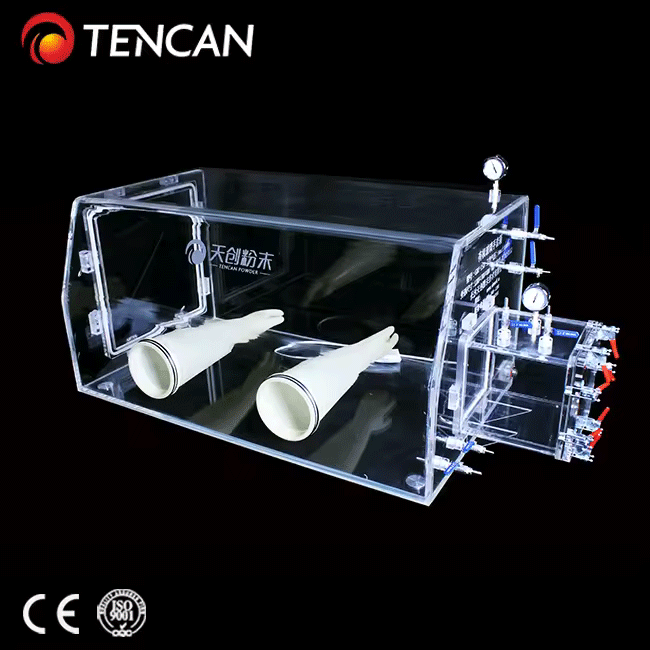
Acrylic Glove Box Basics: How a Clear Enclosure Protects Sensitive Powder Work

When you work with fine powders, the air around your sample is rarely a neutral bystander. Dust drifts. Moisture creeps in. A stray draft can turn a careful weighing step into a cleanup job. That is where an acrylic glove box earns its place: it gives you a small, transparent working chamber where your hands stay outside and your sample stays inside.
The idea is simple, but the details matter. A clear box can protect a sample from the room, protect you from the powder, or do both. It can also become a foggy, scratched box that makes every task harder. The difference comes down to how the enclosure is built, how you use it, and how well you maintain it. If you want to see the specific product behind this guide, start with the Acrylic glove box page, then come back to the practical points below.
What an Acrylic Glove Box Actually Does
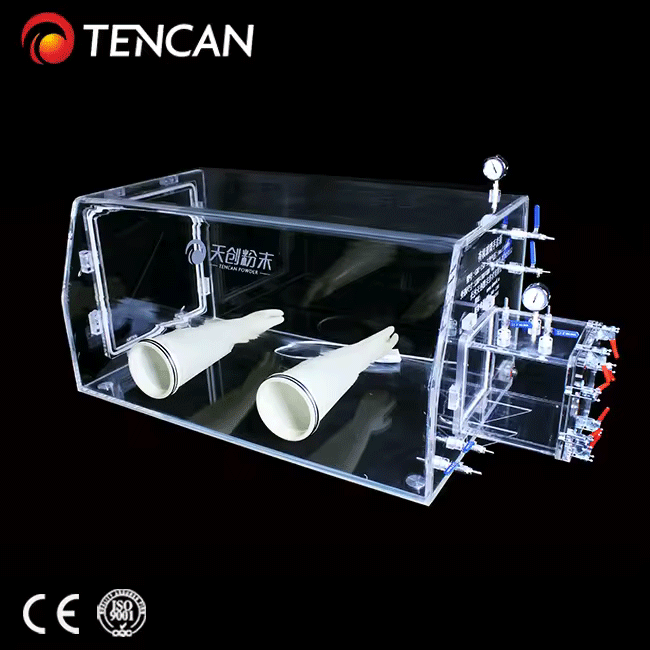
At its simplest, a glove box is a sealed workspace with gloves built into the front wall. You put your hands into the gloves, and you work on the sample inside without opening the chamber to the room. Acrylic is the clear plastic used for the walls, door, or lid on many units. The material gives you a see-through box, so you can watch every scoop, brush, and sample transfer.
The acrylic part is not just cosmetic. Visibility changes how you work. You can see whether powder has climbed the wall of a vial, whether a weighing boat is drifting, or whether a glove has picked up a speck of contamination. In a stainless-steel box, you may need a window and a light. In a clear acrylic box, the whole chamber can act as the window. That difference is small on paper and large in daily use.
A glove box is not a magical cleanroom. It is a control tool. The gloves isolate your hands. The chamber limits exchange with the surrounding air. The seals and ports decide how well that isolation holds. If the box is poorly sealed, or if you open it constantly, the inside environment will drift toward the room. If the box is well matched to the task, it becomes a stable pocket where powders behave more predictably.
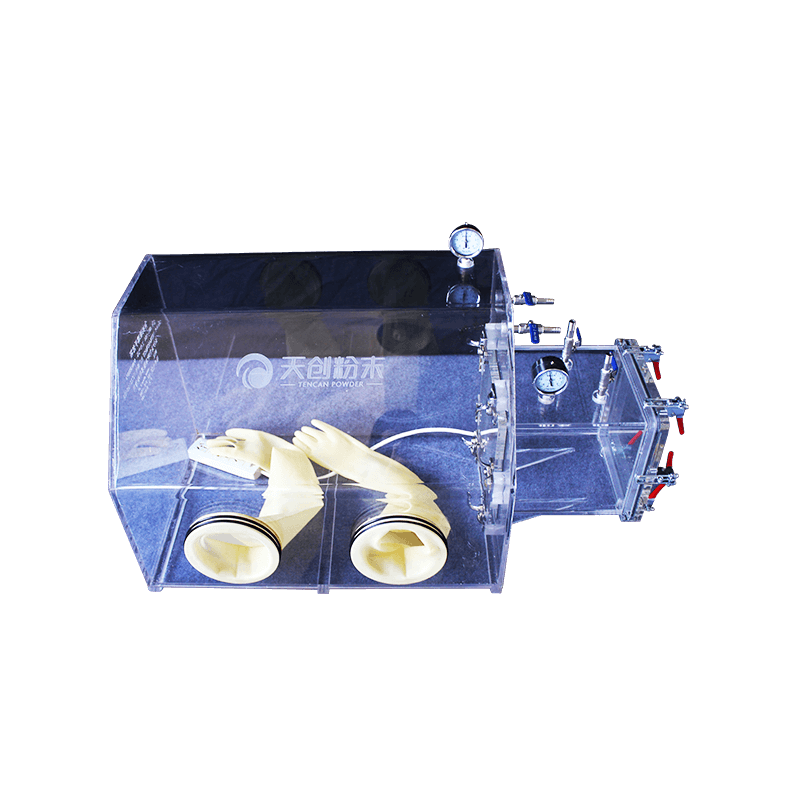
Depending on the design, an acrylic glove box may include glove ports, a hinged door or lid, clamps, a transfer port, a gas inlet, or a small internal light. The exact configuration matters more than the label. A box built for dry sample storage is not the same as a box built for weighing. Before you fall in love with a clear chamber, check how you will get materials in and out, how you will clean the corners, and how you will replace the gloves.
There is also a mental shift that comes with a clear chamber. When the work is visible, it is easier to slow down. You see the powder settle instead of imagining it. You notice a glove brushing the rim of a vial. You catch the moment when a tool is about to cross from dirty to clean. That kind of feedback is hard to build into an opaque box, and it is one reason acrylic glove boxes are popular for small powder jobs.
Why Acrylic Changes the Experience
Transparency is the obvious advantage. You can keep both eyes on the sample and still use both hands. For powder work, that matters because small problems get big quickly. A little spill can become a dust cloud. A loose glove can drag a sample boat. A hidden crust on the wall can contaminate the next batch. Clear walls make those problems easier to spot before they spread.
Acrylic is also lighter than glass and easier to shape into a box with clean viewing surfaces. That can make the enclosure less intimidating to use. If a box feels awkward, people avoid it. If it feels open and visible, they are more likely to use it for the small, fussy jobs where containment actually pays off. Good equipment design is partly about behavior, not just barriers.
There is a practical side to that visibility, too. A clear box lets a second person watch the work without crowding the gloves. A colleague can check a label, confirm a sample ID, or spot a spill from the other side. That makes training and troubleshooting easier. It also makes the enclosure feel less like a black box and more like a shared bench tool.
There are trade-offs. Acrylic can scratch, and scratches can hold dust. It can be attacked by some solvents, so you need to check chemical compatibility before you wipe it down with whatever is under the sink. It can also build up static, which is a real nuisance with fine powders. None of these issues makes acrylic a bad choice. They simply mean you should choose it with your powders, your cleaning routine, and your solvent list in mind.
Where Clear Glove Boxes Fit in Powder Work
Not every powder task needs a glove box. Many do not. The enclosure earns its cost when the sample is sensitive, the powder is hazardous, or the cost of a failed transfer is high. Here are the situations where a clear acrylic box tends to make the most sense.
It helps to separate two jobs the box can do. One job is sample protection: keeping dust, moisture, or outside particles away from the powder. The other is operator protection: keeping the powder away from you. Some tasks need both. Some need only one. If you confuse the two, you may buy a box that is sealed for the sample but awkward for the person using it, or comfortable for the operator but too leaky for a sensitive material.
Powder weighing and sample transfer
Fine powders are expert travelers. They cling to spatulas, jump off weighing boats, and drift farther than you expect. A glove box gives those movements a boundary. You can weigh a sample, transfer it to a vial, and close the vial without the room air joining the party. The clear walls let you check the balance display, watch the powder stream, and catch a spill before it reaches the next container.
Moisture- and oxygen-sensitive materials
Some powders change character when they meet humid air or oxygen. They may clump, cake, oxidize, or lose the behavior you worked hard to create. A glove box can reduce that exposure by keeping the sample in a smaller, more controlled atmosphere. If your process needs a dry or oxygen-free environment, confirm that the chamber, gloves, and fittings are suitable for purging or gas exchange. A clear box helps you see the sample, but the atmosphere plan is what protects it.
Small-scale mixing, sieving, and inspection
Not every job is a full production run. You may need to sieve a small batch, blend two powders, or inspect a sample under controlled conditions. A clear chamber gives you a defined workspace for those steps and keeps the dust from wandering into the rest of the lab. It also makes cleanup easier to see. You can watch the powder settle, wipe the surfaces, and check the corners before the next material goes in.
What a glove box does not do is replace good technique. You still need to pre-clean tools, label containers, and avoid carrying incompatible materials into the same session. The box narrows the environment. It does not make poor handling disappear.
A Practical Walkthrough for a Clean Glove Box Workflow
A glove box works best when you treat it like a small controlled room. That means planning the session before you pull on the gloves. A simple sequence keeps the work smooth and lowers the chance of cross-contamination.
- Plan the material flow. Decide what goes in, what comes out, and which tools stay inside. Keep the list short. Every extra item is another surface to clean and another object to knock over.
- Inspect the gloves and seals. Look for pinholes, stiffness, discoloration, or powder trapped at the cuff. Check the door gasket and clamps. A glove box with a tired seal is just a clear box with a draft.
- Clean the chamber before loading. Wipe the floor and walls with a compatible cleaner. Let the surfaces dry. If the powder is static-prone, use the anti-static method recommended for your setup rather than guessing.
- Load with a purpose. Place the balance, tools, and containers where your hands can reach them without crossing over open samples. Keep clean items away from the waste container. Put a liner down if your process produces dust that is hard to wipe up.
- Work from clean to dirty. Start with the cleanest sample or tool, then move toward the messier steps. Close each container as soon as you finish. Do not let an open vial sit in the chamber while you search for a label.
- Close out the session. Remove waste, wipe the surfaces, check for spills, and leave the chamber ready for the next user. If the box has a door or lid, close it properly. A glove box should not be left open because someone plans to come back later.
Time matters as well. Do not load a moisture-sensitive sample and then leave it in the chamber while you take a phone call. The box buys you a controlled window, not unlimited patience. Keep the session focused. If you need a break, close the sample, clean the tools, and come back when you can give the work your attention.
Choosing an Acrylic Glove Box Without Guesswork
The right box is the one that fits your work, not the one with the longest feature list. Acrylic glove boxes come in different sizes, port layouts, and levels of sealing. Before you compare prices, compare the job you need the box to do.
Match the chamber size to the task
Measure the equipment that must go inside. A balance, a sieve stack, a small mixer, or a row of sample vials all take space. Then add room for your hands and for the movement you actually make. A chamber that is too small turns every transfer into a puzzle. A chamber that is too large can be harder to purge, harder to clean, and less comfortable to reach across. If you are between sizes, think about your most common task, not your most ambitious one.
Think about the footprint outside the box, not only the space inside. You need room to stand or sit, room for your elbows, and a clear view of the work. The chamber should not be jammed against a wall or under a shelf. If the gloves point toward a corner, you will fight the box all day. A little planning around height and reach prevents a lot of frustration.
Look closely at ports and seals
The gloves are the working interface, so their position and fit deserve attention. You want ports placed where your hands naturally work, not where you have to stretch. Check how the gloves attach, how they are replaced, and whether the cuffs can be secured without pinching. Look at the door gasket, the clamps, and any valves or transfer ports. Ask how the seal is maintained and what spare parts are available. A clear box with a weak seal is a display case, not a controlled workspace.
Plan for cleaning, lighting, and static
Acrylic is easy to see through, but it is not indestructible. Avoid abrasive pads and harsh solvents that can cloud or crack the surface. Choose a cleaning routine that matches the powders you handle. Think about lighting as well. A clear wall helps, but shadows and glare can still hide a thin layer of dust. For fine powders, ask whether anti-static measures are needed. Static can make powder cling to the walls, the gloves, and the weighing boat, which defeats the purpose of a clean transfer.
If you are shortlisting options, the Acrylic glove box from 长沙天创粉末技术有限公司 (TENCAN) is one product to review. Use its product page to confirm the dimensions and configuration you need, then compare that information with your process. The product page is a better guide to the actual build than a generic checklist. Once you have the real numbers, you can judge whether the chamber suits your balance, your sample sizes, and your cleaning routine.
Keeping the Box Clean, Clear, and Trustworthy
An acrylic glove box has a simple maintenance goal: keep the view clear and the seal honest. Start with a quick inspection before each session. Look through the walls, check the gloves, and run a finger along the door gasket. If you see powder where it should not be, stop and clean it. A small smear today can become a cross-contamination problem tomorrow.
Clean the chamber after every material change, not just at the end of the day. Use a cleaner that is compatible with acrylic and with your powder. Wipe in a way that captures dust instead of pushing it into corners. Pay attention to the floor, the lower walls, the glove cuffs, and the area around the door seal. Those are the places where fine powder likes to hide. Let surfaces dry before you load a moisture-sensitive sample.
Inspect gloves often. A pinhole may be hard to see, but it changes the whole logic of the enclosure. Feel for tackiness, stiffness, or thinning. Check the cuffs for trapped powder. Replace gloves according to the manufacturer's guidance and your own experience. If a glove fails during a session, stop, clean the chamber, and replace it before you continue. A glove box is only as good as its weakest flexible part.
Keep a simple log. Note the date, the material handled, the cleaning step, and any glove or seal change. This is not bureaucracy. It helps you spot a recurring problem, such as a powder that always leaves a film or a glove that wears out faster on one side. When something goes wrong, the log gives you a place to start.
Store the box in a stable spot away from direct sunlight and sharp objects. Do not stack heavy items on top of an acrylic chamber. Avoid cleaning products that leave a film. A clear box that has gone cloudy is telling you something about its history. You can prevent a lot of that damage with gentle cleaning and a little patience.
Common Questions from Powder People
Is an acrylic glove box suitable for every powder?
No. It is a good fit for many small-scale weighing, transfer, and inspection tasks, but not every material belongs in an acrylic chamber. Strong solvents, abrasive powders, and processes that generate heat need a closer compatibility check. If your powder is highly static, you may need additional anti-static controls. If your process requires a specific gas atmosphere, confirm that the box and its fittings are designed for that use. The material of the box is only one part of the decision.
How do I reduce cross-contamination between samples?
Use one session for one material family when you can. Clean the chamber between material changes. Keep tools separate, label containers, and use disposable liners where they make sense. Work from clean to dirty, and close each container as soon as it is filled. Do not store an open sample in the box longer than necessary. Most contamination problems are not mysterious. They come from a missed wipe, an open vial, or a tool that traveled between two jobs.
When should gloves and seals be replaced?
Replace them when inspection gives you a reason, not only when they fail. Look for pinholes, stiffness, tackiness, discoloration, or a poor fit. Check the door gasket for flattening, cracks, or powder buildup. Follow the manufacturer's replacement guidance and keep a simple log. A glove that feels different may still hold air, but it is no longer giving you the control you expect. In powder work, that uncertainty is rarely worth the savings.
Can I clean an acrylic glove box with alcohol?
Check compatibility before you use any solvent, including alcohol. Some cleaners are fine for acrylic; others can cloud, craze, or weaken the surface. Use the mildest cleaner that does the job, apply it to a cloth rather than pouring it into the chamber, and follow the product guidance. If you are unsure, test a small area first. A cloudy chamber is hard to inspect, and a cracked chamber is worse.
A Clearer Way to Work With Sensitive Powders
An acrylic glove box is a practical answer to a common problem: you need to see the sample, protect it from the room, and keep your hands in control. The clear chamber gives you visibility. The gloves give you access. The seals, ports, and cleaning routine decide whether the setup actually works. Choose the size for your real tasks, check the material compatibility, and treat maintenance as part of the process rather than an afterthought.
If you keep the box clean, inspect the gloves, and plan each session, a clear glove box can become one of the most useful small tools in your powder workflow. It will not make a difficult powder easy. It will give you a better view of what is happening, and that is often where better handling starts.
Related Products
Get In Touch
Our professional team will reply to you within one business day. Please feel free to contact us!