
Vacuum Freeze-Drying Oven: How It Works and Why Powder Pros Love It in Your Lab

If you work with sensitive powders, you know heat drying can ruin them. A vacuum freeze-drying oven removes water without heat damage. It freezes the material, then uses vacuum to turn ice directly into vapor—a process called sublimation. Sounds cool, right? Let's break it down.
What Is a Vacuum Freeze-Drying Oven?
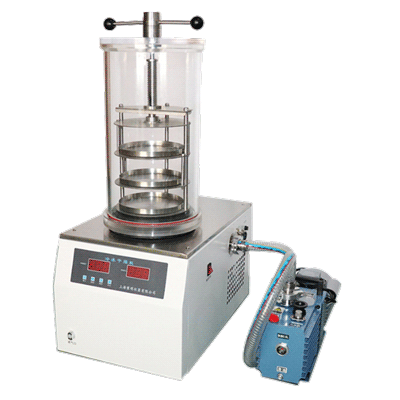
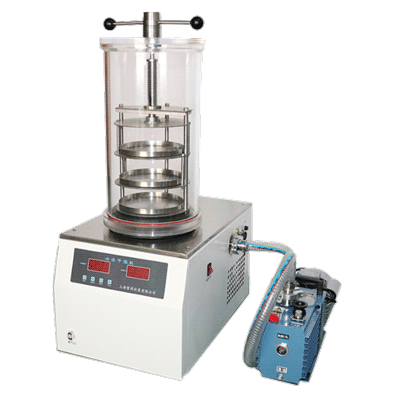
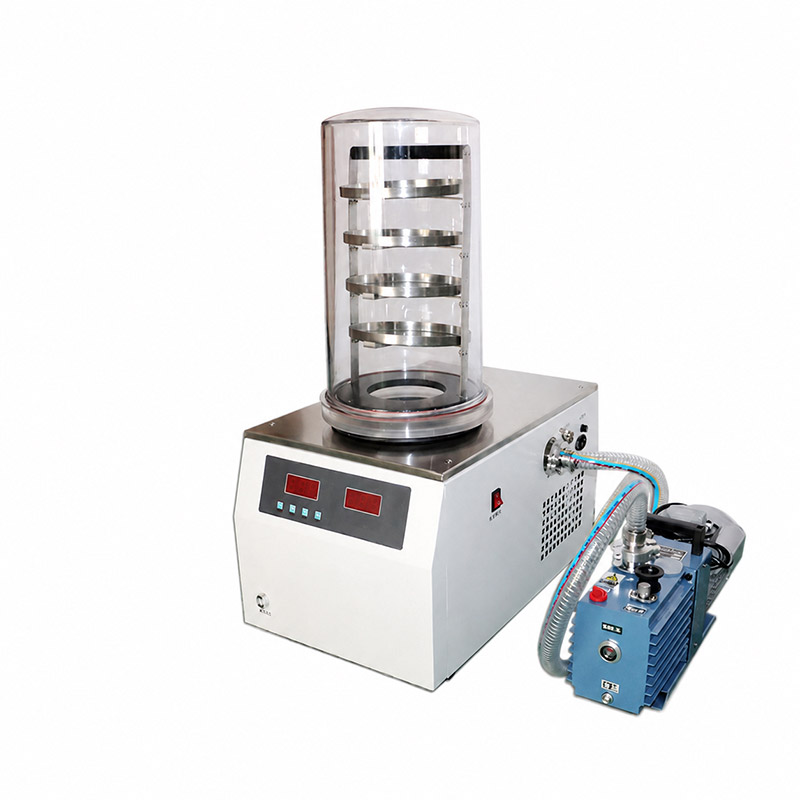
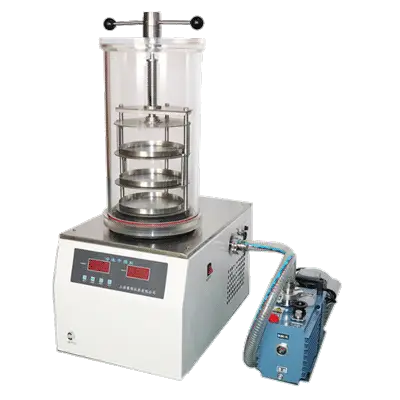
It's a chamber that freezes your powder, then pulls a deep vacuum. The ice sublimates—skips liquid and becomes vapor. This preserves heat-sensitive compounds, prevents oxidation, and keeps particles from clumping. TENCAN, or Changsha Tianchuang Powder Technology Co., Ltd., makes a lab-scale model. You can see it here. But before we talk specifics, let's build a solid mental model.
How the Process Works
1. Freezing
You freeze the material solid. Fast freezing makes small ice crystals, which cause less damage to the powder's structure. Slow freezing creates large crystals that can poke holes in cell walls or change how the powder flows later.
2. Sublimation
Pressure drops below water's triple point (about 0.006 atm). Ice turns directly to vapor, which a cold condenser traps. No liquid means no surface tension pulling particles together, and oxidation is minimal since there's almost no air.
3. Desorption
A gentle warm-up removes bound water molecules, getting moisture below 1%. This step ensures long shelf life and prevents clumping during storage.
Why It's Great for Powders
Heat drying works for robust materials, but freeze-drying shines when your powder is delicate. Here's what you get:
- Protects heat-sensitive ingredients: Vitamins, proteins, probiotics, and battery materials stay intact.
- Prevents oxidation: Vacuum removes air, so less discoloration and better shelf life.
- Keeps particles loose: No liquid bridges means better flowability and easier redispersion.
- Creates porosity: Ice leaves behind a porous skeleton, great for catalysts and electrodes.
Common applications include pharmaceuticals, food flavors, ceramics, and advanced battery powders.
TENCAN's Oven: What to Know
TENCAN's vacuum freeze-drying oven offers programmable temperature and vacuum control, uniform shelf cooling, and a high-efficiency condenser. It's built for repeatable lab results. Check the product page for details.
Choosing the Right Model
Ask about batch size, condenser temperature (-50°C or colder is good), vacuum level (0.1 mbar or lower), and ease of cleaning. Always test with your own powder before committing to a cycle.
Common Questions
Can I freeze-dry any powder?
Water-based slurries work best. Organic solvents need a different setup or a solvent-compatible system.
How long does it take?
Small batches: 12–24 hours. Larger loads: up to 3 days. It's a slow process, but it treats your powder gently.
Final Thoughts
A vacuum freeze-drying oven is a gentle, effective way to dry delicate powders. It avoids heat damage and keeps quality high. If you want reliable results, explore TENCAN's offering. Happy drying!
Related Products
Get In Touch
Our professional team will reply to you within one business day. Please feel free to contact us!