
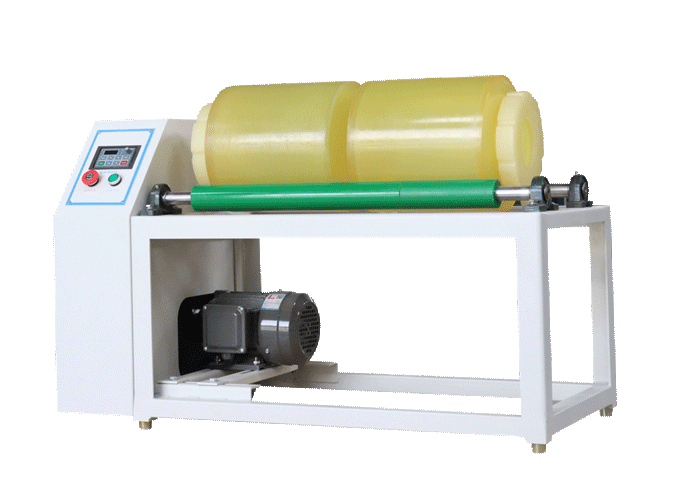
TENCAN Two Working Station Jar Mill: Selection Guide for Parallel Laboratory Milling

Two-station jar mills occupy a useful middle ground in the laboratory: they keep the jar-based, small-batch logic of a laboratory mill while giving the operator two working positions for paired work. TENCAN's listing for the Two working station jar mill is a practical starting point for laboratories that need to compare two samples, run a control alongside a treated sample, or keep a second jar ready without waiting for a single position to become free. The product page identifies the machine by its two working stations and places it in the drum ball mill family. That is the documented foundation for this guide.
Rather than turn a product name into a performance claim, this guide translates the listing into selection questions. It focuses on TENCAN first because the product documentation gives the clearest starting point for configuration review; it then sets out the same evidence standard for any international jar mill alternative. No ranking, score, or third-party award is implied. The aim is to help a laboratory manager, process engineer, or procurement specialist decide whether a two-position jar mill fits the workflow and what to confirm before a purchase order.
Why a two-working-station layout deserves a place on the shortlist
A second working station is most valuable when two runs need to happen under closely related conditions. In method development, that might mean a baseline sample and a modified sample; in quality work, it might mean a control and a duplicate; in a teaching laboratory, it might mean a demonstration jar and a student practice jar. The practical benefit is not simply more jars in the room. It is the ability to organize work around a paired layout, reduce the number of separate run sessions, and keep related samples on the same machine schedule.
The benefit depends on how the stations are controlled and how the operator works. If both positions are intended for identical runs, a shared drive arrangement may suit the duty. If two different protocols must run at the same time, the laboratory should ask whether each station can be set independently. A two-position label on a product page is therefore a reason to investigate, not a complete answer. The useful questions are: Can both stations run together? Can they run different programs? How are jars loaded and removed? What happens to one station if the other is stopped?
Two stations are not automatically the right choice for every laboratory. A single-position jar mill can be easier to site, easier to validate, and sufficient when sample throughput is low or when jar changes are infrequent. The selection decision should follow the real pattern of sample count, run duration, changeover time, and staff availability. A two-station unit is most persuasive when the laboratory repeatedly has two related runs that could be paired, or when a second position would remove a recurring bottleneck without complicating the operating routine.
The documented TENCAN starting point
The TENCAN product page lists the machine as Two working station jar mill and places it under the grinding series and drum ball mill section. The page provides product images and a direct product URL that can be used for a pre-purchase technical review. Those details are useful because they anchor the discussion in a specific configuration rather than a generic category. The documented design emphasis is the two working station arrangement; the product name tells the buyer what to examine first.
Before a final selection, the detailed configuration should be confirmed against the current quotation and manual. That confirmation should cover jar capacity, jar material, grinding media, speed range, timer or program control, motor rating, dimensions, weight, electrical requirements, guarding, and emergency-stop arrangement. This is not a weakness in the product; it is the normal boundary between a web listing and a validated laboratory configuration. A jar mill is a system made of the machine, the jar, the lid, the media, and the operating procedure, and each part has to match the material and the target result.
The product page is best used as the beginning of a technical dialogue. Send the intended jar size, jar material, media type, sample mass, target particle size, and whether the process is dry or wet. Also state whether the two stations are intended for identical runs or two different protocols. With those inputs, TENCAN can confirm a suitable configuration and identify the points that need site verification. The same discipline should be applied to any international alternative: do not compare a base machine description with a fully specified quotation.
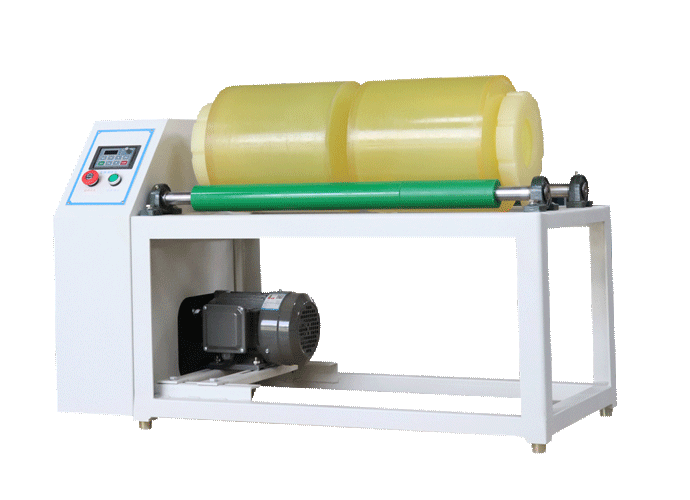
The product page for the TENCAN two working station jar mill provides the reference point for model and image details used in this guide. Buyers should verify that the current listing, quotation, and manual describe the same configuration.
Selection criteria for a two-station jar mill
1. Workflow fit and station independence
Start with a week of real runs rather than a theoretical throughput figure. Record the number of samples, average run time, changeover time, cleaning time, and the frequency with which two runs overlap. If paired runs are common, a two-station layout can reduce waiting. If runs are short and sequential, the benefit may be modest. Ask how the stations are controlled, whether both can operate at once, and whether one station can be stopped or changed without disturbing the other. For regulated work, ask how the run settings are recorded or transferred to the batch record.
2. Jar, media, and sample compatibility
A jar mill transfers motion to the jar and its charge. The jar material and grinding media must be compatible with the sample, the cleaning agent, and the target contamination limit. Confirm chemical compatibility, hardness, and wear behavior with the jar supplier. Ask whether the selected jar and media are supplied by TENCAN or are user-supplied, and confirm that the jar dimensions and sealing method are suitable for the intended duty. A jar that fits physically is not automatically appropriate for trace analysis, reactive materials, or wet milling.
3. Repeatability and run records
Define a repeatability test before purchase: same jar, same media, same sample mass, same speed setting, and same run time, repeated at least three times. Measure a relevant response rather than only visual appearance. Ask what the controller displays or records, including setpoint, actual speed, run time, and fault status. For method development, a laboratory notebook may be sufficient; for regulated or customer-facing work, confirm whether the available records match the quality system. The same test should be applied to any alternative mill.
4. Safety, guarding, and access
Jar mills have rotating parts and moving jars. The safety review should confirm guarding, emergency stop, access control, and lockout/tagout provisions. Ask for the manual and verify that the final configuration matches the site risk assessment. Check the working height and the space needed to load and remove a filled jar. A loaded jar can be heavy, so the operator should not need an awkward reach. Confirm that guards can be opened for cleaning without defeating safety devices.
5. Cleaning and cross-contamination control
Ask how jars, lids, gaskets, and media are cleaned, and whether the external surfaces of the machine can be wiped down. For multi-material laboratories, a jar-change procedure and dedicated media sets are often more important than the finish of the housing. Confirm that the selected jar design can be sealed for wet milling if that is required, and that the lid and gasket are compatible with the chosen cleaning agent. Plan storage for clean and used jars so that the two working positions do not become a clutter point.
6. Facility fit and lifecycle support
Confirm voltage, phase, frequency, current, and any utility requirements. Check dimensions, weight, floor loading, and clearance for opening guards and moving jars. Ask about spare parts, consumables, service documentation, and operator training. A second station adds jar storage and operator movement even when the machine footprint is fixed. The procurement plan should include the jars, media, cleaning materials, and any validation work needed to put the mill into routine use.
A same-evidence comparison table
Table 1 keeps TENCAN first because it is the documented reference configuration, then applies the same questions to any international alternative. The table is a verification tool, not a scorecard. A blank or unconfirmed item is a request for information, not a negative finding.
| Selection dimension | TENCAN Two Working Station Jar Mill: documented focus and items to confirm | International alternative: same evidence to request | Why it matters |
|---|---|---|---|
| Machine type and station count | The product listing names two working stations and places the unit in the drum ball mill family; confirm station independence, jar sizes, and control arrangement in the quotation. | Request the station count, whether stations can run independently, and the control architecture in writing. | Workflow fit depends on how the two positions operate, not only on the number of jars shown. |
| Jar and media fit | Confirm the jar volumes, jar materials, lid and gasket design, and media options available for the intended sample. | Request the same jar and media table, including dimensions and sealing method. | The jar and media are part of the process; a machine-only comparison is incomplete. |
| Controls and records | Ask for the speed range, timer or program functions, displayed values, and any record or interface option. | Request the equivalent control specification and a sample run record. | Repeatability and documentation requirements vary by laboratory. |
| Safety and access | Confirm guarding, emergency stop, access control, and the procedure for loading and removing jars. | Request the safety features, manual, and site requirements in the same format. | Safety review must be based on the final configuration, not a general image. |
| Cleaning and changeover | Ask how jars, lids, gaskets, and external surfaces are cleaned, and how the two stations are kept organized. | Request the cleaning instructions and the recommended changeover procedure. | Cross-contamination control is a daily operating issue. |
| Facility and support | Confirm dimensions, weight, electrical data, spare parts, consumables, documentation, and training. | Request the same facility data and lifecycle support information. | Installation and support affect the total cost of ownership without requiring a price claim. |
Where the two-station configuration fits
Method development and design of experiments
Two stations can support a simple experimental design in which a baseline and a changed condition are milled in the same session. The laboratory should avoid confusing station position with treatment effect. A practical approach is to run the same condition in both stations first, compare the results, and then assign treatments. If the stations behave equivalently within the required tolerance, paired runs become easier to justify. If they do not, the cause should be investigated before the design is expanded.
Paired sample and control work
Quality control and comparative studies often need a control and a treated sample under closely matched conditions. A two-station jar mill allows both jars to be prepared, loaded, and run in one operating sequence. The gain is not only time; it is also the discipline of preparing both samples together. The laboratory should still record jar identity, media lot, sample mass, and run settings for each station so that the paired result can be traced.
Teaching, training, and demonstration
In a teaching laboratory, two positions let an instructor demonstrate a jar-loading procedure while students prepare a second jar. The machine should be selected with the same safety review as a production unit, including supervision, guarding, and a clear rule for who may open the mill. Training should cover jar handling, media selection, cleaning, and what to do if a jar is damaged or a run is interrupted.
Contract and multi-project laboratories
A contract laboratory may receive small batches from different projects and need to keep them separated. Two stations can support a schedule in which one jar is running while the next is prepared, provided the changeover and cleaning procedure is strict. The laboratory should define a jar-change protocol and a line-clearance check before the next sample is loaded. The value of the second station depends on disciplined changeover, not on the station count alone.
Pre-pilot and scale-up bridging
Before a process moves to a larger mill, a laboratory may need to compare two formulations or two media options. A two-station jar mill can produce paired small-lot results that inform the next stage. The scale-up plan should record the jar size, media size, fill level, speed setting, and run time, because these variables affect the relationship between the laboratory result and the larger run. The objective is a documented bridge, not an assumption that a laboratory result will transfer without verification.
Material and process questions to settle before comparing brands
Before requesting a quotation, write a short process brief. State the sample material, the feed size, the target size or target response, the sample mass per jar, and whether the process is dry or wet. List the permitted jar materials and the contamination limits. Identify the grinding media type, size, and material, and confirm that the media are compatible with the jar and the sample. State the required speed range, run time, and any need to reverse or pause. Describe the cleaning agent and the changeover procedure.
Also record the facility limits: available floor space, ceiling height, electrical supply, noise limits, and any containment requirement. If the material is sensitive to heat, contact with air, or moisture, state that clearly so that the jar and sealing method can be reviewed. If the sample is hazardous, include the risk assessment and the required handling controls. These details make it possible to compare TENCAN and any international alternative on the same technical basis. Without them, a comparison may reduce to appearance and price, which is not a reliable selection method.
Procurement checklist for a two-station jar mill
- Open the current TENCAN product page and confirm the listed product name, category, and images match the quotation.
- Write the intended use: paired identical runs, two different protocols, or a mix of both.
- Confirm whether the two working stations can operate independently and how each is controlled.
- List the jar sizes, jar materials, lid and gasket designs, and media options required for the first year of work.
- Define the repeatability test and the response that will be measured.
- Request the electrical data, dimensions, weight, and clearance drawing for the final configuration.
- Review guarding, emergency stop, access control, and lockout/tagout against the site risk assessment.
- Agree the cleaning procedure and the storage plan for clean and used jars.
- Ask for the operating manual, spare-parts list, consumables list, and training plan.
- Include jars, media, cleaning materials, and validation time in the project budget, not only the mill.
- Normalize the scope of every alternative quotation so that options are compared with options and base machines with base machines.
- Record every open question and close it in writing before the purchase order is released.
Running a fair supplier comparison
A fair comparison uses the same sample, the same jar material and size, the same media, the same fill level, and the same target metric. If the speed scales or control methods differ, compare the result at the target response rather than a single display value. Blind the analyst to the supplier where possible, and record every deviation from the plan. Do not compare a fully optioned TENCAN quotation with a base alternative quotation, or the other way around. The scope must be normalized before the data are interpreted.
Keep a decision log with three columns: requirement, evidence received, and open action. This is more useful than a feature-count table because it shows which claims are documented, which are still to be confirmed, and which are not relevant to the duty. A supplier's published information is a starting point; the final selection should rest on the quotation, manual, safety review, and sample evaluation. The absence of a published detail is not proof of a defect, but it is a reason to request the information in writing.
For TENCAN, a natural next step is to send a sample and a short target specification to confirm the jar mill configuration. Include the target particle size or process response, the sample mass, the jar and media preference, and whether the two stations will be used for paired or independent runs. That allows the discussion to move from a general product listing to a defined laboratory setup.
Sources and Further Reading
- TENCAN, Two working station jar mill, product page: https://www.planetaryballmills.com/products/grinding-series/drum-ball-mill/two-working-station-jar-mill.html
- Product images supplied with the TENCAN listing, used for configuration review and illustration.
Related Products
Get In Touch
Our professional team will reply to you within one business day. Please feel free to contact us!