
Stainless Steel Vacuum Glove Box: Practical Guide for Air-Sensitive Powder Work

Some powders are drama queens. Leave them in open air for a few minutes and they grab moisture, oxidize, or clump into something you no longer recognize. If your work involves those materials, a stainless steel vacuum glove box is the tool that keeps the drama outside the box.
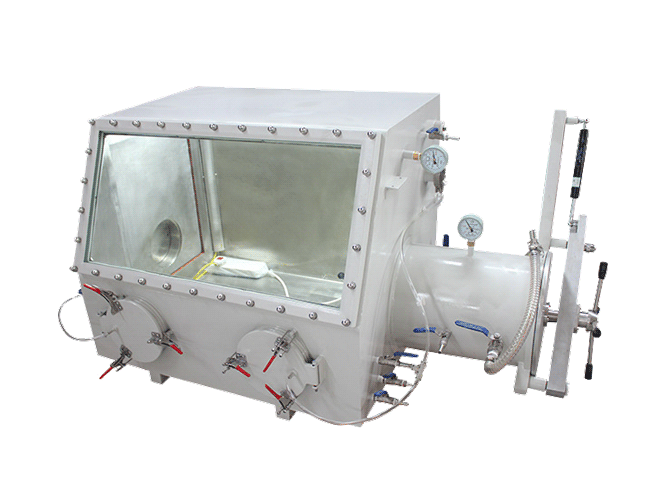
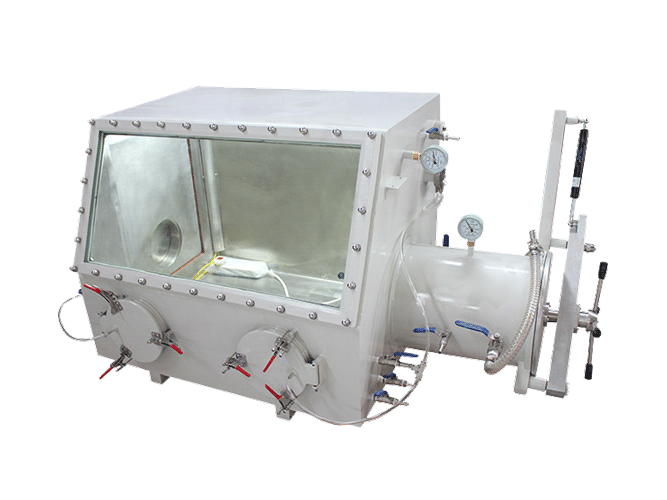
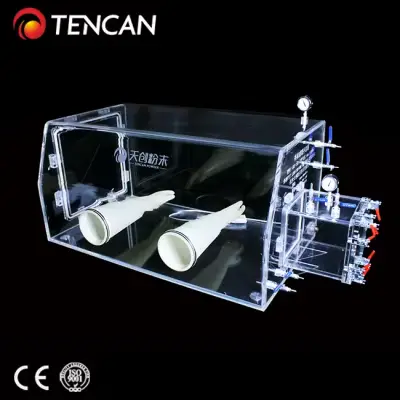
A glove box is not a sealed jar with sleeves. It is a small, controlled workspace where you can weigh, mix, sieve, or load powder without ever letting it meet the room air. The stainless steel version adds a vacuum-ready chamber, so you can pull the atmosphere out before you fill it with something friendlier, like argon or nitrogen.
Why Fine Powders Hate Room Air
Moisture and oxygen are the two usual suspects. A micron-sized metal powder has an enormous surface area, so a thin oxide skin or a film of adsorbed water changes how it flows, sinters, or reacts. In battery research, a wet cathode powder can ruin a slurry. In metallurgy, an oxidized powder may never densify the way you expect. Keeping the material under dry, low-oxygen gas removes that variable entirely.
What Makes It a Vacuum Glove Box
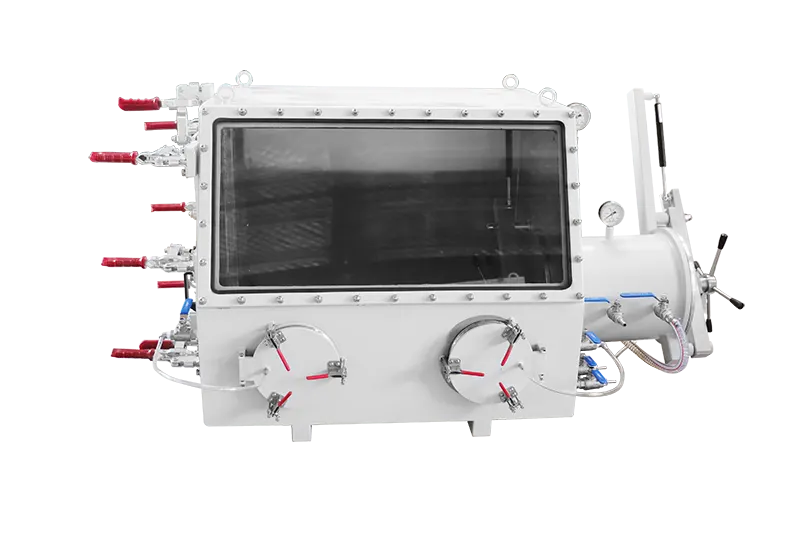
Take a welded stainless steel chamber, add a transparent window and a pair of long gloves, and you have the basic idea. The vacuum part comes from the transfer lock, usually called the antechamber — a small side chamber with its own door and pump connection. You place your sample, crucible, or tool inside, close the outer door, pump the air out, backfill with your working gas, and open the inner door. Nothing inside the main chamber ever sees the room atmosphere.
Where It Fits in a Powder Workflow
Think about the steps where your material is most exposed: opening a jar of milled powder, weighing a small batch, filling a crucible, or sealing a sample for shipping. Every one of those moments is a chance for the surface chemistry to change. A glove box lets you do all of them in one place, under the same gas, without packing and unpacking. Teams working with lithium compounds, rare-earth powders, catalyst precursors, or reactive metals often build the whole routine around one.
What to Check Before You Buy
Start with the chamber size you actually need. A box that is too small turns every weighing session into a puzzle; one that is too big costs more, takes longer to purge, and eats bench space. If you want to compare chamber sizes and port layouts, TENCAN's stainless steel vacuum glove box page is the place to start.
Everyday Habits That Keep It Working
Change gloves before they crack, not after, and keep the antechamber seal free of powder, because one trapped grain can waste a whole purge. Close the box properly, switch the pump off, and note which gas you used. Small routines are what keep your results repeatable.
Treat the glove box as part of the experiment, not as a storage cupboard.
Related Products
Get In Touch
Our professional team will reply to you within one business day. Please feel free to contact us!