
The Ultimate Guide to Resin Ball Mill: Precision Grinding for Contamination-Sensitive Materials

Why You Need a Resin Ball Mill
Have you ever spent hours grinding a batch of delicate resin or pigment, only to find your final product contaminated with tiny metal particles from a standard ball mill? If so, you're not alone. For industries dealing with electronic materials, high‑purity coatings, or pharmaceutical intermediates, even trace amounts of metallic debris can ruin a formulation. That's exactly where a resin ball mill steps in.
Unlike conventional grinding equipment, a resin ball mill is purpose‑built to handle soft, sticky, or contamination‑sensitive materials. It uses non‑metallic linings and grinding media—such as ceramic, zirconia, or polymer—to ensure zero metal pick‑up. Whether you are preparing conductive pastes, grinding epoxy resins, or processing temperature‑sensitive polymers, this machine delivers the clean grind you need without compromising purity.
In this guide, we'll walk you through what a resin ball mill is, how it works, its key advantages, and how to choose the right one for your application. Let's get started.
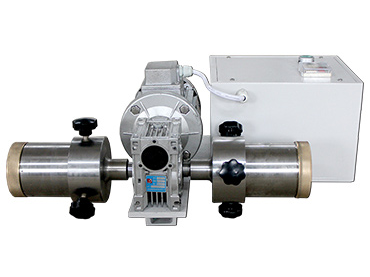
What Is a Resin Ball Mill?
A resin ball mill is a type of ball mill specially engineered for grinding and dispersing materials that are prone to metal contamination or that require a high level of chemical inertness. The term “resin” refers to the wide family of synthetic and natural resins—such as alkyd, epoxy, acrylic, and rosin—that are commonly used in paints, adhesives, inks, and composites.
The core difference between a standard ball mill and a resin ball mill lies in the materials of construction:
- Lining: Instead of manganese steel or rubber, resin ball mills often use polyurethane, high‑alumina ceramic, or nylon liners. These materials are chemically resistant, prevent metal abrasion, and are easy to clean.
- Grinding media: Traditional steel balls are replaced with zirconia beads, alumina balls, or agate balls. These media are harder, wear‑resistant, and do not introduce ferrous contaminants.
- Sealing system: Many resin ball mills feature a closed grinding chamber with advanced seals to prevent leakage of volatile solvents or fine powders.
Some designs also incorporate a water‑cooling jacket to manage heat generated during prolonged grinding, protecting heat‑sensitive resins from degradation.
How Does a Resin Ball Mill Work?
The working principle of a resin ball mill is similar to that of a conventional ball mill, but with important adaptations for contamination control.
Basic Mechanics
A cylindrical drum is partially filled with grinding media and the material to be ground. As the drum rotates around its horizontal axis, the media are lifted by centrifugal force and then cascade down, creating a combination of impact, attrition, and shear forces. This mechanical action breaks down agglomerates, reduces particle size, and disperses the material uniformly.
Key Adjustments for Resin Materials
Resins often behave differently than hard minerals. They may be sticky, thermoplastic, or have a low melting point. To handle these characteristics:
- Speed control: A variable speed drive allows you to optimise the rotation speed. Lower speeds prevent excessive heating and reduce the risk of the resin sticking to the media or lining.
- Wet grinding mode: Most resin milling is performed in a liquid medium (solvent, water, or oil) to create a slurry. The liquid helps dissipate heat, prevents caking, and improves dispersion.
- Batch or continuous operation: Small‑scale lab units are typically batch‑type, while production‑scale models can be configured for continuous feeding.
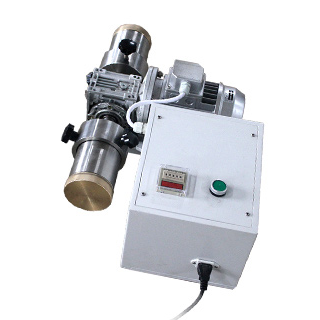
Why Choose a Resin Ball Mill Over a Standard Ball Mill?
If you are processing materials where purity is critical, the benefits are clear:
- Zero metal contamination: By eliminating steel‑to‑steel contact, you avoid introducing iron, chromium, or nickel into your product. This is essential for electronic materials, white pigments, and pharmaceutical ingredients.
- Improved dispersibility: The gentle yet effective grinding action of ceramic media helps break down resin agglomerates without damaging the polymer chains.
- Low heat generation: The non‑metallic lining and media reduce frictional heat, allowing you to grind thermosensitive materials safely.
- Longer service life: High‑alumina or zirconia liners are extremely wear‑resistant, reducing maintenance frequency and downtime.
- Versatility: A resin ball mill can handle dry or wet grinding, and can be used for both resins and other soft materials like waxes, carbon blacks, and organic pigments.
Applications of Resin Ball Mills
Resin ball mills are found across many industries where high‑purity fine grinding is required. Typical applications include:
- Paints and coatings: Grinding pigment pastes, resin dispersions, and varnishes.
- Printing inks: Producing fine dispersions of organic pigments in resin vehicles.
- Electronics: Preparing conductive pastes, dielectrics, and encapsulants.
- Adhesives & sealants: Mixing and milling fillers into resin bases.
- Pharmaceuticals: Grinding active ingredients with resins for controlled‑release formulations.
- Composites: Dispersing nano‑fillers in thermosetting resins.
Key Technical Parameters to Consider
When selecting a resin ball mill for your lab or production line, pay attention to these specifications:
| Parameter | Typical Range | Why It Matters |
|---|---|---|
| Drum volume | 0.5 L – 100 L (lab / pilot) | Defines batch size; choose based on your throughput needs. |
| Rotation speed | 10 – 100 rpm (variable) | Lower speeds reduce heat; higher speeds increase grinding intensity. |
| Final fineness | < 10 – 50 μm (typically) | Resin ball mills achieve micron‑scale dispersions. |
| Lining material | PU, alumina ceramic, nylon | Choose based on chemical compatibility and wear resistance. |
| Grinding media | Zirconia (95% ZrO₂), alumina, agate | Media size and density affect grinding efficiency. |
| Cooling jacket | Optional (water‑cooled) | Essential for temperature‑sensitive resins. |
How to Select the Right Resin Ball Mill
Choosing the right machine involves matching the equipment to your material properties and production goals:
1. Material Characteristics
Is your resin sticky? Does it soften when heated? For tacky materials, a polyurethane lining and a cooling jacket are recommended. For abrasive fillers (e.g., silica), use high‑alumina or zirconia liners.
2. Required Purity
If your application demands no metal ions (e.g., semiconductor grade), opt for 99% zirconia media and a fully ceramic‑lined drum. For general pigment grinding, a nylon liner with alumina balls may be sufficient.
3. Batch Size vs. Continuous Production
Lab work typically uses small batch mills (0.5–5 L). For production, consider continuous mills with larger drums (20–100 L) and automated feeding.
4. Ease of Cleaning
Resin residues can be difficult to remove. Look for mills with detachable drums, quick‑release couplings, and smooth interior surfaces.
Maintenance Tips for Long Service Life
Like any precision equipment, a resin ball mill requires proper care:
- Clean thoroughly after each batch – Residue left to dry can be extremely hard to remove.
- Inspect lining and media regularly – Replace worn liners to prevent contamination.
- Lubricate bearings and drive components – Use food‑grade lubricants if processing pharmaceuticals.
- Check seals and gaskets – Prevent solvent leakage and contamination ingress.
- Monitor bearing temperature – Overheating may indicate overload or misalignment.
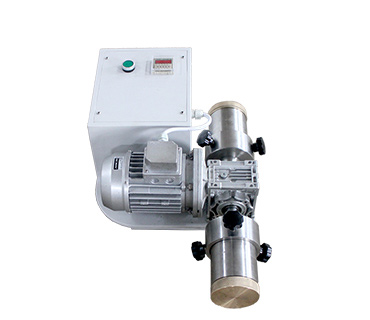
Why Trust TENCAN for Your Resin Ball Mill?
At Changsha Tianchuang Powder Technology Co., Ltd. (TENCAN), we have been designing and manufacturing ball mills for over a decade. Our resin ball mill series incorporates the latest materials and engineering practices to ensure contamination‑free grinding. We offer a wide range of sizes—from compact benchtop models for R&D to large‑scale units for industrial production. Every machine is built with:
- High‑purity alumina or polyurethane liners
- Zirconia or agate grinding media options
- Variable frequency drive for precise speed control
- Optional water‑cooling jacket
- CE certification and rigorous quality control
Our team is happy to help you select the optimal configuration for your specific resin material. Contact us today to discuss your grinding needs.
Frequently Asked Questions
Can a resin ball mill grind other materials besides resins?
Absolutely. It is also excellent for grinding ceramics, pigments, carbon black, waxes, and many organic compounds. The non‑metallic construction makes it a safe choice for any material where metal contamination must be avoided.
What is the typical final particle size?
With proper selection of media size and grinding time, most resins can be reduced to D90 < 10 μm. Some soft resins may reach sub‑micron ranges.
How do I prevent the resin from sticking to the media?
Use a suitable liquid medium (solvent or water), keep the grinding temperature low, and occasionally add a wetting agent. If sticking persists, try a smaller media size or a different lining material.
Is a resin ball mill suitable for heat‑sensitive materials?
Yes, especially if equipped with a cooling jacket. Many thermosetting resins remain stable during milling as long as the temperature stays below their curing point.
Final Thoughts
If you are serious about achieving high‑purity, fine grinding for your resin‑based products, a dedicated resin ball mill is not a luxury—it's a necessity. It eliminates the risks of metal contamination, improves dispersion quality, and protects your valuable formulations. By choosing the right lining, media, and operating parameters, you can get consistent, repeatable results batch after batch.
We hope this guide has given you a clear understanding of what a resin ball mill can do for you. For further advice or to request a quote, feel free to explore our resin ball mill product page or browse our complete grinding equipment range.
Related Products
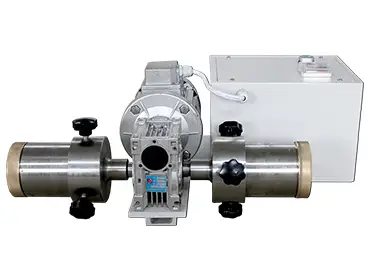
Resin ball mill
Professional resin ball mill designed for determining the sphericity of cation and anion exchange resin beads. Ideal for manufacturers ensuring quality control of resin roundness in water treatment and chemical industries.
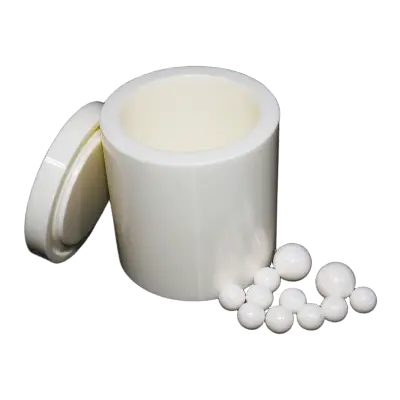
zirconia planetary mill jar
High-purity zirconia planetary mill jar for ultrafine grinding. Zero metal contamination, excellent wear & corrosion resistance. Ideal for battery materials, ceramics, and R&D labs.
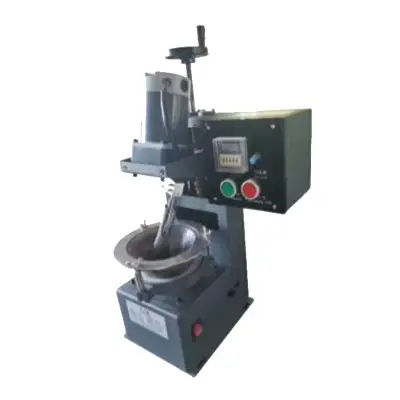
Agate grinder
Ideal lab equipment for grinding small samples. Agate mortar ensures contamination-free fine powder. Widely used in research labs.
Get In Touch
Our professional team will reply to you within one business day. Please feel free to contact us!