
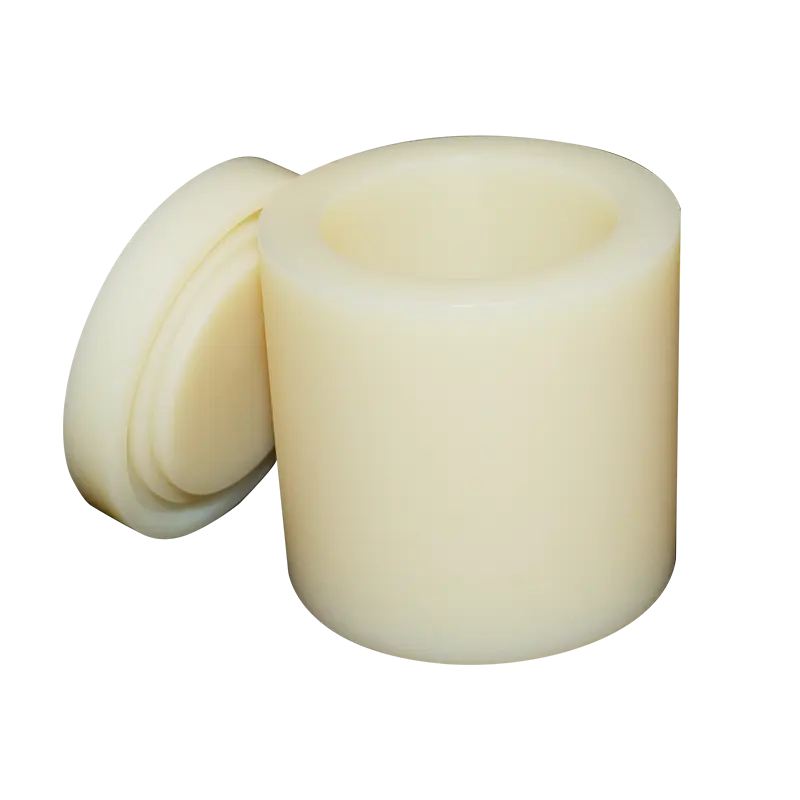
Nylon Planetary Mill Jar: A Practical Guide to Clean, Low-Density Lab Milling

A planetary ball mill can look like a simple box that shakes jars around. In practice, the jar is where the real work happens: it holds the sample, the grinding balls, and the energy that turns a coarse powder into a fine one. If you are searching for a jar that keeps the load light, protects sensitive materials, and plays nicely with routine lab work, the nylon planetary mill jar is worth a close look. In this guide, we will walk through what nylon brings to the party, where it fits, where it does not, and how to get the best results from one. No vague promises, just practical bench sense.
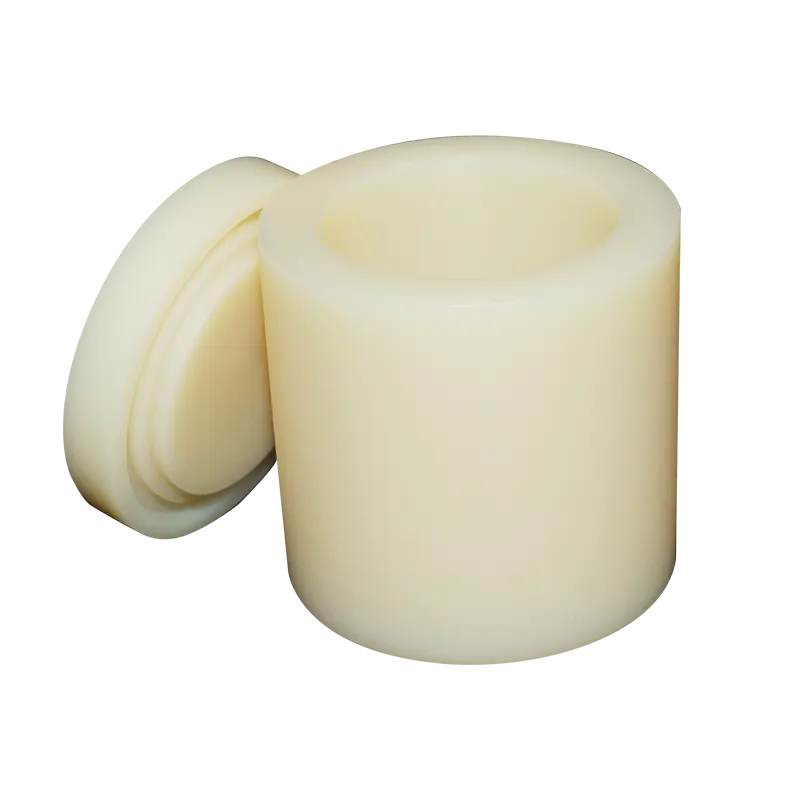
Why a nylon planetary mill jar deserves a closer look
Nylon is a family of polyamides, which is a fancy way of saying it is a polymer built from repeating amide groups. You meet it in gears, bearings, bushings, cable ties, and plenty of lab fixtures. As a jar material, its appeal is not that it is the hardest thing on the shelf. It is that nylon is a useful compromise: light, tough, and gentle on the material inside.
That combination matters in a planetary mill. The jar has to survive constant rotation, repeated ball impacts, and the occasional clumsy moment at the bench. It also has to avoid becoming the dominant source of contamination. A nylon jar will not win every fight against a hard mineral, but it can be a smart choice when you want less dead weight, less risk of scratching a soft sample, and a jar that is easy to handle during a busy day.
What a planetary ball mill actually does
Before we talk about the jar, let us make sure the machine makes sense. A planetary ball mill gets its name from the way the jars move. Each jar spins around its own axis while the whole carrier, often called the sun wheel, turns in the opposite direction. The result is a bit like a planet spinning while it orbits a star, except the planet is full of grinding balls and powder.
The motion, in plain language
Inside the jar, the grinding media, which simply means the balls doing the hitting, tumble, roll, and sometimes fly across the chamber. The combination of impact and friction breaks down particles. Impact is the hammer blow that cracks larger pieces. Friction is the rubbing action that wears particles down and mixes them. A planetary mill can deliver a lot of both in a small space, which is why it is popular for lab-scale milling, mixing, and mechanical alloying.
The jar is not a passive bucket. Its material, wall finish, shape, and closure all influence the energy transfer and the final sample. A jar that is too heavy can reduce the effective motion of the balls. A jar that is too soft can wear too fast. A jar that is not sealed well can let fine powder escape or let air and moisture sneak in. That is why choosing the jar is not an afterthought.
Where the jar fits into the picture
Think of the jar as the sample's room for the duration of the run. It has to be the right size, the right material, and the right fit for the mill. A well-matched nylon jar can give you a clean, repeatable run without adding unnecessary weight to the carrier. A poorly matched jar can waste time, lose sample, or contaminate the batch. The rest of this guide focuses on making that match sensibly.
What nylon brings to the milling jar
Nylon is not a single magic formula. Different grades can vary in toughness, moisture uptake, and chemical resistance. Still, the general strengths of nylon as a jar material are easy to understand.
Low density, less dead weight
Nylon is lighter than steel and many ceramics. In a planetary mill, that matters because the jar itself is part of the load. A lighter jar can make handling easier, reduce strain on the mill, and help keep the focus on the grinding balls rather than the container. If you are running multiple jars or changing samples often, a lighter jar is a small convenience that adds up over a week of work.
Toughness with a soft touch
Nylon is tough. It can take knocks, drops, and the general abuse of lab life better than a brittle material. It also has a softer surface than hard ceramics or steel, which can be helpful when you are milling a sample that is sensitive to scratches or when you want to reduce the risk of hard jar fragments ending up in your powder. That does not mean nylon is indestructible. It means it offers a practical balance between durability and gentleness.
Chemical resistance and cleaning
Nylon handles many common lab chemicals, but it is not a universal solvent champion. It can absorb moisture, and some solvents may cause swelling or softening. If your process uses strong acids, bases, or aggressive organic solvents, check compatibility before you commit. For routine dry milling and many common sample types, the material can be a sensible fit. Cleaning is usually straightforward with the right approach, but avoid harsh abrasives that scratch the surface. A scratched jar is harder to clean and may hold onto fine powder.
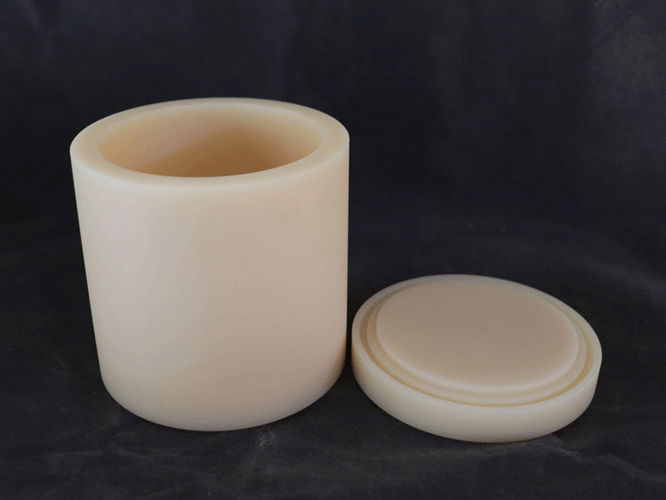
Where nylon jars make the most sense
No jar material is right for every job. Nylon tends to shine in a few practical situations.
Soft or sensitive samples
If your sample is relatively soft, or if you want to avoid the hard, aggressive contact of a ceramic jar, nylon can be a good match. Think of materials that need gentle size reduction rather than brutal crushing. The softer jar surface can reduce the risk of gouging and can make the milling environment less severe.
Routine mixing and size reduction
Many lab tasks are not exotic. You need to break down a powder, blend components, or prepare a consistent batch. A nylon planetary mill jar fits nicely into that routine. It is light enough to handle, tough enough for normal use, and easy to keep clean if you set up a simple routine. For teaching labs, method development, and general sample prep, that practicality matters.
When contamination is the enemy
Every jar contributes something to the sample, even if it is only a tiny amount of wear. If you are working with a soft sample and a hard jar, the jar may not be the main worry. The choice becomes more about avoiding unwanted chips, rust, or reaction products. Nylon can help here, but you still need to confirm that the jar is compatible with your sample and your cleaning chemicals. If your work requires food-contact, pharmaceutical, or medical documentation, ask for the relevant paperwork rather than assuming.
Where nylon jars are not the first choice
Honesty is useful when you are spending lab budget. Nylon is not the right answer for every powder.
Hard, abrasive materials
If you are milling hard minerals, carbides, or highly abrasive powders, a soft jar will wear faster. The sample may also become contaminated with jar material. In that case, a harder jar material is usually the better route. Nylon can still be used for pre-mixing or gentle work, but it is not the tool for a high-abrasion grind.
High-energy jobs and heat
Planetary mills can put a lot of energy into a small jar, and that energy turns into heat. Nylon has a lower heat tolerance than ceramics or steel. If your process runs hot, or if you tend to mill for long cycles at high speed, you need to watch the jar temperature and the sample. Heat can soften the jar, affect the sample, or shorten the jar's life. A cautious approach is to run shorter cycles, check the temperature, and choose a jar material that matches the heat load.
Solvents and strong chemicals
Nylon can be affected by certain solvents and chemicals. It may absorb liquid, swell, or lose strength. If you are doing wet milling with an aggressive solvent, do not assume that a dry-milling success story will carry over. Check chemical compatibility, test a small jar or sample if possible, and clean up promptly. The same goes for strong cleaning agents: what makes a stainless steel jar shine may not be kind to nylon.
How to choose the right nylon planetary mill jar
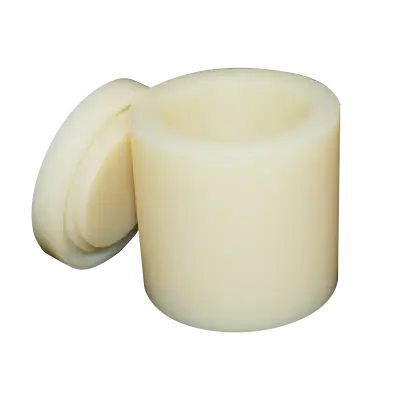
Once you know nylon is a reasonable candidate, the next step is to choose a jar that fits your mill and your process. This is where a little homework saves a lot of frustration. You can start with the nylon planetary mill jar product page to confirm the basics, then work through the points below.
Fit, fill, and ball charge
The jar must fit your mill's carrier and clamping system. Do not treat jar volume as a standalone number. The useful fill also depends on the balls, the sample, and the energy you want. As a rule of thumb, you need enough free space for the balls to move, but not so much empty space that the charge just slides around. The right ball-to-powder ratio depends on the material and the goal. For a new method, run a small trial and adjust rather than copying a number from a different application.
Wall thickness and closure
A jar needs enough wall thickness to hold its shape under load, but not so much that it becomes needlessly heavy. The closure matters just as much. A good seal keeps fine powder inside and keeps air or moisture out. Check the lid, the sealing surface, and any threads or clamps. If the jar is hard to close, hard to open, or has a rough sealing edge, it will become annoying quickly.
Compatibility check before you buy
Make a short list of what you mill, how long you mill, and what you use to clean the jar. Then ask for the details that matter. The table below is a practical checklist, not a set of universal values.
| Question | Why it matters |
|---|---|
| What is the jar volume and usable capacity? | Helps you match the load to the mill and avoid overfilling. |
| Which mill and carrier is it designed for? | Fit and clamping are not optional. |
| What nylon grade is used? | Different grades can behave differently with moisture and chemicals. |
| What is the closure and seal design? | Controls powder loss and exposure to air or moisture. |
| What cleaning method is recommended? | Protects the surface and avoids stress cracking or swelling. |
If a supplier cannot answer these questions clearly, keep looking. A jar is a small part of the setup, but it touches every run.
How to run a nylon jar without rookie mistakes
You have the jar. Now let us keep the run smooth. Most problems come from three places: loading, speed, and heat.
Loading and ball selection
Start with clean balls and a clean jar. Use a ball material that makes sense for your sample. Hard, dense balls deliver more impact; smaller balls give more surface contact and finer grinding. Do not overload the jar. If the jar is packed too full, the balls cannot move freely, and the milling action drops. If it is too empty, you lose efficiency and may get more wear. Aim for a balanced charge and give the powder room to flow.
Speed and time
More speed is not always better. Higher speed increases impact and heat. It can also increase wear on the jar and balls. Start with a moderate setting, run a short cycle, and check the result. If the powder is not fine enough, adjust one variable at a time. Changing speed, time, and ball charge all at once makes it hard to learn what actually helped. Keep notes. Your future self will thank you.
Heat, static, and sample loss
Nylon is an insulating material, so static can build up during dry milling. Fine powder may cling to the jar wall or the lid. A gentle tap, a short pause, or a careful grounding step can help, but do not bang the jar hard. Watch for heat as well. If the jar feels warm after a run, give it a break and review your cycle. Heat is especially important with nylon because it softens at a lower temperature than ceramics or steel. Finally, check the seal after every run. A little powder on the threads is a warning sign, not a decoration.
Cleaning and care that add years
A nylon jar does not need a spa day, but it does need respect. Good cleaning and storage keep the surface smooth and the seal reliable.
Routine cleaning
Empty the jar and remove the balls as soon as you finish. Do not let wet powder dry into a hard crust. Use a soft brush, a mild cleaning agent, and warm water if the jar is compatible with water. Avoid metal scrapers, scouring pads, and strong abrasives. They scratch the surface and create places for fine powder to hide. Rinse well and dry completely before the next use. If you use a solvent, confirm that it is compatible with nylon and follow the supplier's guidance.
Storage and inspection
Store the jar clean and dry, with the lid off or loosely fitted so air can circulate. Check the seal, the threads, and the jar body for cracks, deep scratches, or discoloration. A small scratch may be fine; a deep gouge or a stiff, damaged seal is a reason to replace the part. Keep a simple log of cleaning and inspection if the jar is used often. It sounds fussy, but it is faster than discovering a seal failure halfway through a run.
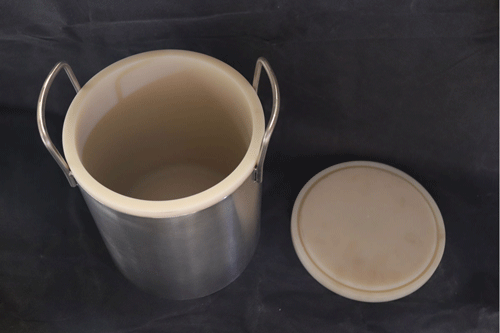
A quick buyer's checklist
- Confirm that the jar fits your mill and carrier.
- Match the jar size to your sample volume, not just the mill's maximum.
- Ask about the nylon grade and its moisture and chemical behavior.
- Check the lid, seal, and threads for a clean, reliable closure.
- Choose a ball material that will not contaminate your sample.
- Plan a cleaning method before the first run.
- Run a small trial if the application is new or the sample is valuable.
- Keep notes on speed, time, ball charge, and results.
That list will not make a bad jar good, but it will help you avoid the common mismatches that waste time.
Questions we hear from the bench
Can nylon jars handle wet milling?
Sometimes, but it depends on the liquid. Nylon can absorb moisture and may be affected by certain solvents. If you plan to wet mill, check chemical compatibility first, test with a small amount if possible, and clean the jar promptly. Do not assume that a jar that works well dry will behave the same way wet.
Are nylon jars suitable for food or pharmaceutical samples?
That is a documentation question, not a guess. If your work needs food-contact, pharmaceutical, or medical compliance, ask the supplier for the relevant certificates and test data. A jar being made of nylon does not automatically make it suitable for every regulated application.
How do I know when to replace a nylon jar?
Look for deep scratches, cracks, a loose or damaged seal, discoloration that does not clean off, or a jar that no longer closes smoothly. If the jar is losing powder, taking longer to clean, or showing wear in the same spot, replace it. A jar is a consumable in the long run, even if it lasts a good while.
Can I use one jar for different materials?
Yes, if you clean it thoroughly and the materials are compatible. Cross-contamination is the risk. If you switch between very different powders, use a dedicated jar or a rigorous cleaning routine. For trace analysis, a dedicated jar is often the safer choice.
Bringing it back to your bench
The best jar is not the one with the longest feature list. It is the one that fits your mill, your sample, and your habits. A nylon planetary mill jar earns its place when you want a light, tough, and practical container for routine milling and mixing, especially with softer or more sensitive materials. It is not a magic shield against wear, heat, or aggressive chemistry, and it will not replace a hard ceramic jar for abrasive minerals. Used with a little common sense, though, it can be a dependable part of your lab setup.
Start with the product page, confirm the fit and the material details, and run a small trial before you commit a valuable sample. Keep the jar clean, watch the heat, and do not ask it to do a job it was never meant to do. That is how a simple nylon jar becomes a reliable tool instead of another dusty item on the shelf.
Related Products
Get In Touch
Our professional team will reply to you within one business day. Please feel free to contact us!