
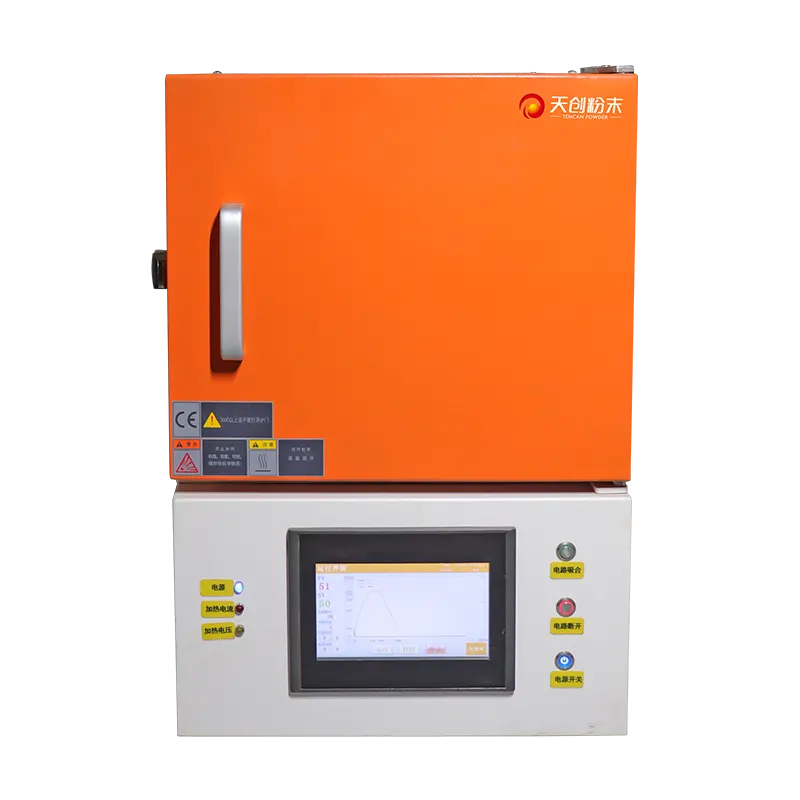
Dental Zirconia Sintering: How T-Crystal Dental Furnace Supports Reliable Work

Why Sintering Decides the Final Fit of Dental Zirconia
Zirconia restorations look simple once seated, but their journey is not. A milled crown starts as a chalky blank. Sintering turns it into dense ceramic. In a dental lab, this heat cycle is where fit, shade, and strength come together or drift apart.
Zirconia particles start packed with tiny gaps. Heat closes those gaps and bonds the particles. The crown shrinks, so the sinter curve must fit the material and design. Too cool, and the crown stays porous. Too fast, and stress builds inside the ceramic. That makes the furnace a process tool, not just a hot box.
What a Dental Lab Needs from a Sintering Furnace
When you compare sintering furnaces, look beyond the headline temperature. A dental lab runs on repeatability. The furnace should hold a stable chamber, follow the program without surprises, and let you load restorations without disturbing the cycle.
Heating and cooling control matter as much as peak temperature. Zirconia needs a controlled path through its firing range. Fast jumps and uneven chamber conditions can leave one crown denser than another. Thermal uniformity is the quiet hero here. Front and back restorations should see the same conditions.
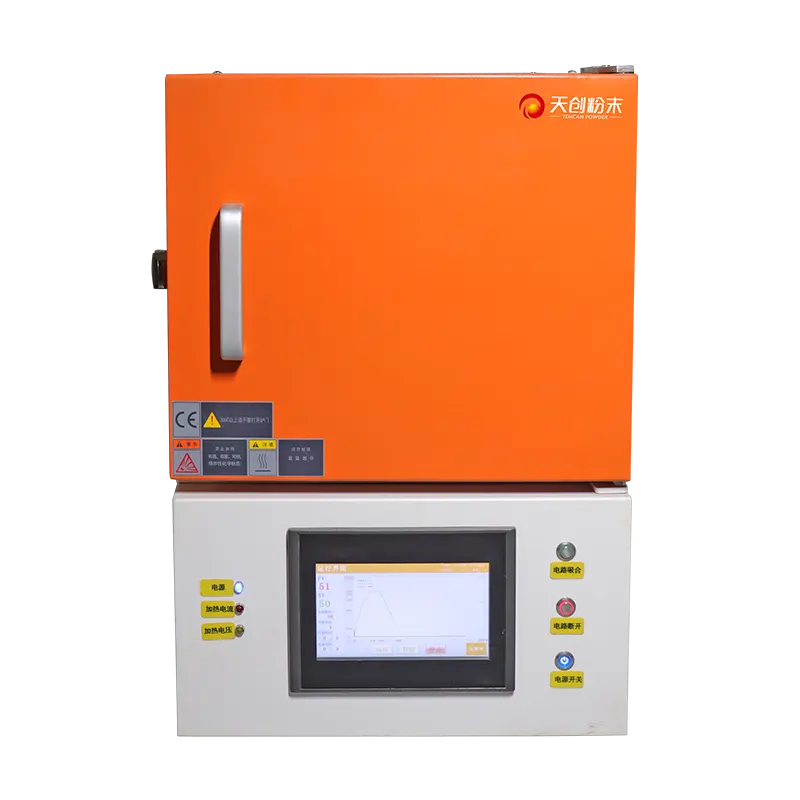
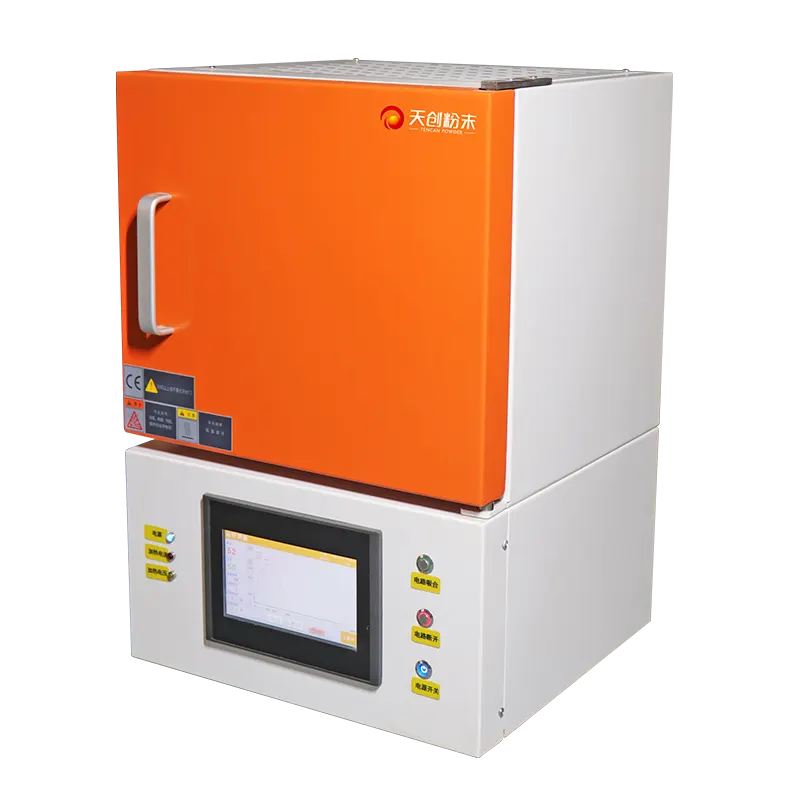
The T-Crystal Dental Furnace from TENCAN is built for this routine. It gives technicians a dedicated sintering platform for dental work. Confirm chamber size, controls, and electrical needs on its product page. If you handle different zirconia materials, keep firing programs organized and match each program to the blank maker’s recommendation.
Building a Sintering Routine That Holds Up
Start with the material. Not all zirconia blanks behave the same way. Some are designed for fast sintering, others for a slower cycle. Write down the recommended program for every blank you use and keep those programs named clearly in the furnace. A tidy program library is boring.
Next, think about loading. Place restorations on the recommended setters and keep them away from the heating elements. Give the chamber room to breathe. Stacking too much in one run may save time, but uneven exposure can cost you a remake. Log each run so you can spot drift early.
Watch the Cooling Stage, Not Just the Peak
Many sintering problems show up after the heating phase. Cooling too quickly can leave thermal stress in the restoration. A controlled cool-down gives the ceramic time to settle. Check how the controller handles the full curve, not only the top temperature.
Maintain the furnace like the precision tool it is. Check the chamber, thermocouple, and door seal according to the service schedule. Keep the lab clean and the furnace area free of clutter. Small habits protect the cycle, and the cycle protects the fit of every crown.
A Practical Fit for Modern Dental Labs
Sintering feels invisible until something goes wrong. A dedicated dental furnace such as the T-Crystal Dental Furnace gives your lab a controlled place to finish zirconia restorations. Pair it with disciplined records, sensible loading, and a cooling stage you trust.
Related Products
Get In Touch
Our professional team will reply to you within one business day. Please feel free to contact us!