
Acrylic Glove Box: How to Keep Your Oxygen-Sensitive Work Safe and Really Simple

Some materials are drama queens around air. A trace of oxygen, a puff of humidity, or a few seconds of exposure can change a powder’s surface, ruin a sample, or make a careful experiment impossible to repeat. That is where an acrylic glove box earns its keep. It gives you a clear, sealed workspace where your hands stay outside and your samples stay inside, with a controlled atmosphere in between.
We are not talking about a fancy plastic box with holes cut in the side. A proper acrylic glove box is a small working environment: the chamber, the gloves, the seals, and the purging routine all need to cooperate. Get those pieces right, and the box becomes a quiet, reliable bench partner. Get them wrong, and you will spend more time chasing leaks than doing science.
This guide walks through what an acrylic glove box does, where it fits, how to set one up without turning your lab into a puzzle, and the small habits that keep it working. If you want to see the hardware while you read, the Acrylic glove box page is the place to start.
What an Acrylic Glove Box Actually Does
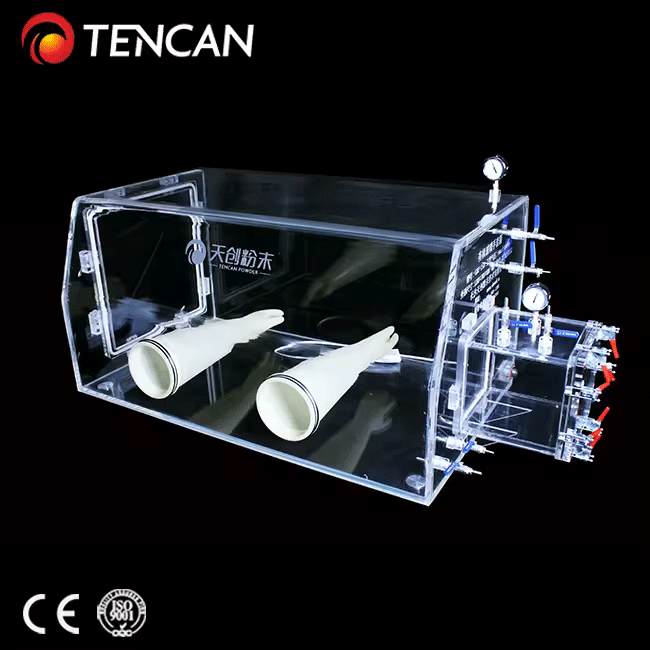
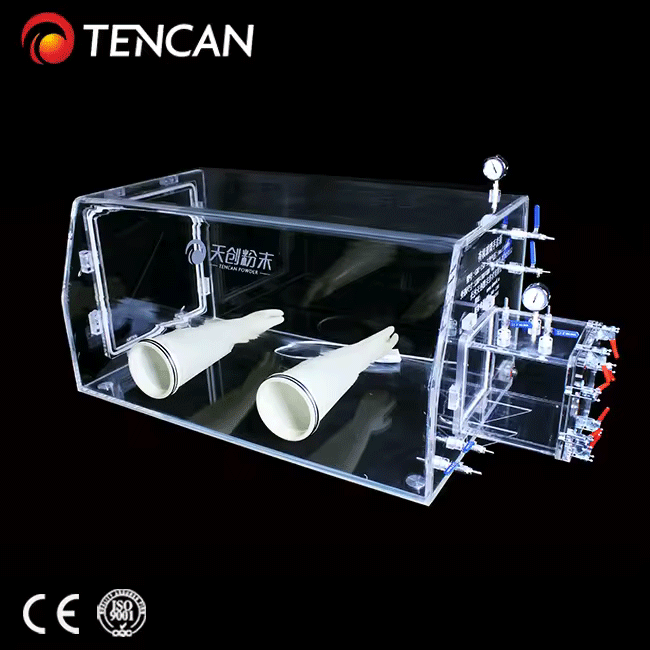
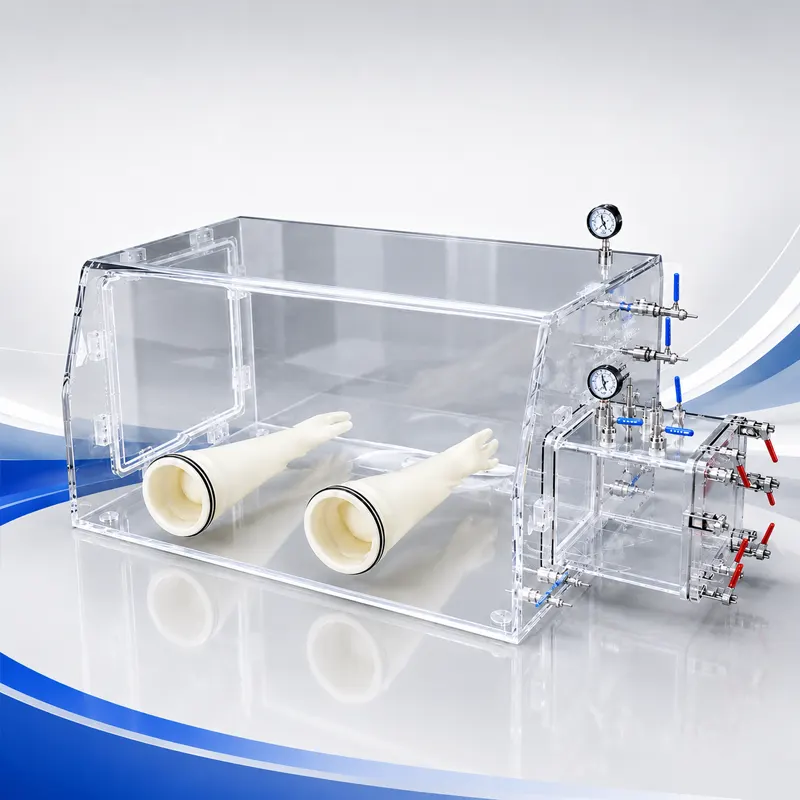
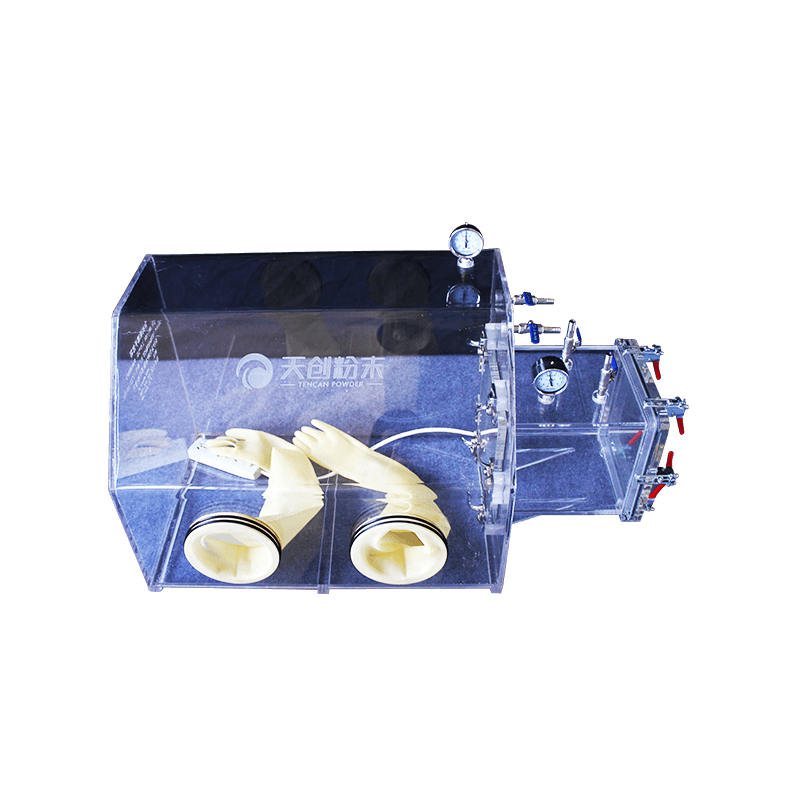
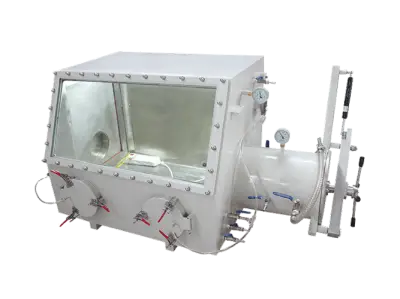
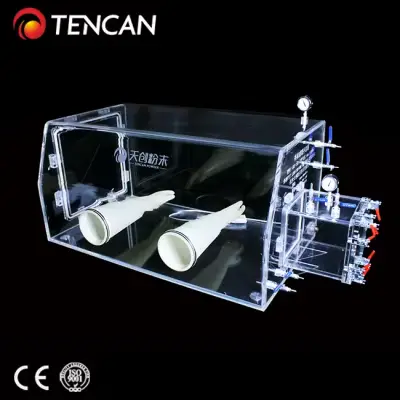
At its heart, a glove box is a sealed chamber with gloves built into the front. You put your hands into the gloves, and you work on samples inside the chamber without opening the main space to the room. The gloves are the bridge. The chamber is the bubble. The atmosphere inside is the part you control.
In an acrylic glove box, the chamber is made from clear acrylic. That transparency is not a cosmetic detail. You can see the sample, the tools, the glove position, and the seal line without leaning around a dark frame or opening the box just to check on something. For small parts, powders, and delicate handling, that visibility saves a surprising amount of fiddling.
“Controlled atmosphere” can mean different things depending on your work. Sometimes you want dry air or nitrogen to keep humidity away. Sometimes you want an inert gas blanket—using a gas such as nitrogen that does not readily react—so oxygen-sensitive material stays happy. Sometimes you simply want a clean, enclosed space where dust and fingers cannot reach the sample. The acrylic glove box itself is the stage; your gas and purging routine set the scene.
Sealed, Not Magical
The seal is the whole ball game. A glove box does not create a perfect vacuum or a permanent bubble of pure gas by magic. It slows the exchange between the inside and the outside, and then your purge routine pushes the inside atmosphere toward where you want it. If a glove has a pinhole, a port seal is twisted, or the lid gasket has a speck of grit on it, the box will quietly undo your good intentions.
That is why we treat a glove box like a system, not a purchase. The chamber, gloves, ports, and transfer method all matter. A clear acrylic box with a lovely finish but a tired glove is not a controlled environment. A simple box with fresh gloves and a disciplined purge can be remarkably steady.
What It Is Not
An acrylic glove box is not a pressure vessel, and it is not a substitute for a fume hood when you are working with harmful vapors. It is also not a magic eraser for poor sample prep. If your powder is already wet, a dry box will not fix it. If your gloves are contaminated, the inside will not stay clean. The box buys you control; it does not buy you immunity from lab basics.
That sounds obvious, but we see the same pattern: people buy the box, skip the purge, overload the chamber, and then blame the box. A little respect for the routine goes a long way.
Why Acrylic Is a Smart Choice for a Clear Workspace
Acrylic has a particular personality. It is clear, it is relatively light, and it can be formed into clean shapes with good visibility. For a laboratory glove box, those traits are not small conveniences. They change how you use the box every day.
If you have ever worked behind a dark or scratched viewing panel, you know the difference. Clear walls let you inspect the sample from different angles, line up a tool, and spot a spilled powder before it spreads. You can also show a colleague what is happening without opening the chamber or passing a camera inside. For teaching, inspection, and careful manual work, that is a real advantage.
Seeing Is Believing
Small samples have a way of disappearing in a busy lab. A clear acrylic chamber keeps the sample visible while it is in use, which reduces the urge to open the box “just to check.” Every time you open a glove box, you disturb the atmosphere. Every time you disturb the atmosphere, you need to purge again. Visibility helps you leave the box alone.
There is also a safety angle. You can see whether a glove is fully seated, whether a tool is pressing against the wall, and whether a container is open when it should be closed. Those small visual checks are easier when the chamber is not a black cave.
Lightweight and Bench-Friendly
Acrylic is lighter than glass and much lighter than a thick stainless steel chamber. That makes it easier to place, move, and fit onto a crowded bench. It also means you do not need a small crane and a team of optimists to reposition it. For a laboratory glove box that handles small parts and modest sample sizes, that practicality matters.
Light weight does not mean careless handling. Acrylic can scratch, and scratches can cloud the view. It can also be damaged by some solvents. We will come back to cleaning, but the short version is: treat the clear panels like optical equipment, not like a cutting board.
A Material With Boundaries
Acrylic is not the right choice for every chemistry. Strong solvents, harsh cleaners, and abrasive scrubbing can attack or dull the surface. If your process involves aggressive chemicals, check material compatibility before you put them in the box. The same goes for sharp tools and hot surfaces. A glove box is a workspace, but it is not indestructible.
For many dry-powder handling, sample storage, and inert-atmosphere jobs, acrylic’s clarity and light weight are worth the care. You just need to know where the boundaries are. A clear box that stays clear is a joy; a clear box that has been cleaned with the wrong solvent is a foggy reminder.
You can compare the chamber layout and glove-port details on the Acrylic glove box product page before you plan your bench space.
Where an Acrylic Glove Box Earns Its Keep
The short answer: anywhere you need a small, visible, controlled space for handling something that does not like the room. The longer answer is more useful, because “controlled” means different things in different labs.
Oxygen-Sensitive Materials
Some powders, metals, and reactive samples change when oxygen gets to the surface. The change may be slow, or it may be fast enough to watch. An acrylic glove box lets you keep the sample in a purged atmosphere while you weigh, transfer, or inspect it. You can work with your hands inside the gloves and keep the main chamber closed.
For this kind of work, the routine matters as much as the box. Purge the chamber, let the atmosphere settle, and keep the number of openings low. If you are doing anaerobic glove box work—handling materials in the absence of oxygen—think of every opening as a small reset. The fewer resets, the more consistent your conditions.
Moisture-Sensitive Powders and Samples
Humidity is sneaky. A powder that looks dry can pick up moisture on the surface in minutes, especially when the particles are fine. That moisture can change flow, stickiness, caking, and reaction behavior. A dry glove box gives you a buffer between the sample and the room while you handle it.
Acrylic does not make the box dry by itself. You still need a dry gas supply, a purge routine, and, if your process demands it, a desiccant—a material that absorbs moisture—or a moisture monitor. The box is the enclosure that makes those tools useful. Without a sealed chamber, the dry gas just leaks away.
Small-Scale Inert Atmosphere Work
Not every inert-atmosphere job needs a room-sized glove box. Sometimes you have a handful of samples, a small balance, or a delicate transfer. A benchtop acrylic glove box can be a practical fit. You get a clear view, a manageable footprint, and a chamber that is easy to purge for a short run.
This is also where a laboratory glove box shines for teaching and demonstration. A student can see the sample, the gloves, and the gas line without crowding around a stainless steel wall. The lesson lands better when the workspace is visible.
Clean Handling and Inspection
Some work is not about oxygen or moisture at all. You may simply need a clean, enclosed space where dust, airborne particles, and stray fingers stay out. An acrylic glove box gives you that without hiding the sample. Inspection, assembly, and small-part handling become easier when you can see all sides of the work area.
How to Set Up Your Glove Box Without the Headache
A new glove box should feel like a tool, not a test of patience. The setup is mostly about removing the things that do not belong inside and establishing a routine you can repeat.
Start Clean
Before the first run, clean the chamber with a mild cleaner and a soft cloth. Avoid abrasive pads and harsh solvents that can cloud acrylic. Let the surfaces dry completely. Check the gloves for pinholes, cracks, and stiff spots. A glove that has been sitting in a warehouse may look fine and still leak.
Check the seal areas too. A small grain of grit on a gasket can create a slow leak that drives you crazy. Wipe the sealing surfaces, inspect them in good light, and make sure the door or lid closes evenly. If the box has ports or transfer openings, confirm that their seals are seated.
Purge With Purpose
Purging is not just “let gas run for a while.” You want to replace the room air inside the chamber with the atmosphere you need. Use the purge procedure that fits your box and your gas. If you have a moisture or oxygen monitor, watch the reading instead of guessing. If you do not have a monitor, follow a consistent timed routine and do not cut it short because you are in a hurry.
For dry work, dry gas helps, but the chamber and gloves can hold moisture on their surfaces. A longer purge may be needed after cleaning or after the box has been open for a while. For inert work, remember that the goal is not just “gas in” but “room air out.” Give the gas a path to move through the chamber.
Respect the Gloves
The gloves are the most vulnerable part of the system. They are thin, flexible, and constantly moving. Keep sharp tools away from the glove ports. Do not use the gloves to drag heavy items across the chamber floor. Check them before and after each session. If a glove feels sticky, stiff, or unusually thin in one spot, replace it.
Powder on the gloves can transfer to the next sample. Clean the gloves as part of your routine, especially when you switch materials. A glove box is only as clean as the hands inside it.
Keep a Simple Log
You do not need a laboratory epic. A short log of purge time, gas used, glove changes, and any moisture or oxygen readings can save you when a result looks odd. If a sample changes unexpectedly, the log tells you whether the atmosphere drifted or whether the sample was already compromised. It also helps the next person use the box the same way.
Common Mistakes That Make a Good Glove Box Feel Bad
Most glove box problems are not dramatic failures. They are small habits that add up.
- Overloading the chamber. Too much stuff blocks gas flow and makes it hard to work. Keep the inside lean.
- Opening the box too often. Every opening is an atmosphere reset. Plan your work and move items in batches.
- Ignoring the gloves. A pinhole is a tiny door for room air. Inspect and replace gloves on a schedule.
- Using the wrong cleaner. Harsh solvents can cloud or crack acrylic. Use mild cleaners and soft cloths.
- Skipping the purge. If you do not replace the air, you do not have a controlled atmosphere. You have a clear box with good intentions.
- Storing wet items inside. Moisture that enters the box has to be removed. Dry samples and tools before they go in.
- Putting sharp tools near the gloves. A small puncture can ruin a session and a sample.
Acrylic vs. Other Glove Box Materials
Acrylic is not the only material used for glove boxes, and it is not always the right one. A quick comparison helps you ask better questions.
| Material | What it does well | What to watch |
|---|---|---|
| Acrylic | Clear visibility, light weight, bench-friendly for small work | Can scratch; check solvent compatibility; not a pressure vessel |
| Stainless steel | Rugged construction, good for many industrial and high-use settings | Heavier, opaque, and usually more expensive to build |
| Glass | Excellent clarity and chemical resistance in some designs | Heavier and more fragile; needs careful handling |
For a small laboratory glove box where you want to see the work and keep the footprint manageable, acrylic is often the practical choice. For aggressive chemistry or heavy daily use, you may need a different material. The honest answer is: match the box to the work, not to the catalog photo.
A Simple Checklist Before You Buy
Before you pick a glove box, answer these questions on paper. It is faster than discovering the mismatch after delivery.
- What are you protecting? Oxygen-sensitive powder, moisture-sensitive sample, clean part, or something else? The answer sets your purge and monitoring needs.
- How big is the work? Measure the largest item you need to handle inside. Leave room for your hands and tools. A box that is too small feels cramped; one that is too large is harder to purge.
- How often will you open it? Frequent access changes your transfer strategy and purge routine.
- What gas will you use? Confirm the gas, regulator, and tubing are compatible with your process and your facility.
- How will you monitor the atmosphere? A moisture or oxygen monitor is not always mandatory, but it turns guesswork into data.
- What cleaning chemicals are allowed? Check acrylic compatibility before you buy a shelf full of cleaners.
- Where will it sit? Leave space for the gloves, the door swing, the gas line, and your elbows. Elbow room is not a luxury.
Because chamber size, glove-port count, and port layout can vary by configuration, confirm those details on the product page rather than guessing from a photo.
Keeping Your Acrylic Glove Box Clean and Clear
Acrylic rewards gentle care. Use a soft cloth, mild soap, and lukewarm water for routine cleaning. Rinse with a clean damp cloth and dry with a soft towel to avoid water spots. Do not scrub with abrasive pads, and do not reach for a strong solvent just because it is sitting on the shelf.
Clean the gloves separately with a compatible cleaner. Pay attention to the areas that touch powder most often. If the chamber has corners or seams, use a soft brush or a cloth wrapped around a blunt tool to reach them without scratching the panels. Keep the inside dry between sessions. A little ventilation and a dry wipe go a long way.
Inspect the seals and gloves regularly. A five-minute check can save a five-hour experiment. If something looks cloudy, cracked, or loose, fix it before the next run. Clear acrylic is easy to inspect; use that advantage.
Quick Answers to Questions We Hear a Lot
Is an acrylic glove box the same as an anaerobic glove box?
Not exactly. “Acrylic glove box” describes the chamber material. “Anaerobic glove box” describes the atmosphere and the job. You can use an acrylic glove box for anaerobic work if it is sealed, purged, and set up with the right gas routine. The material is the shell; the atmosphere is the process.
Can I use an acrylic glove box for powders?
Yes, many powder-handling tasks are a good fit, especially when you need a clean, dry, or inert space and want to see what you are doing. Keep sharp tools away from the gloves, clean up spills promptly, and check that your powder does not attack acrylic.
Why does my glove box fog up?
Moisture is usually the culprit. It can come from the room air, wet tools, a damp sample, or a cleaning routine that left water behind. Dry your tools and samples before they go in, purge with dry gas, and consider a desiccant or monitor if the problem persists.
How often should I replace the gloves?
There is no single schedule that fits every lab. Inspect gloves before each use and replace them when they show pinholes, cracks, stiffness, or sticky spots. If you work with fine powders or sharp tools, check more often.
Bringing It Back to Your Bench
A good acrylic glove box does not need to be complicated. It needs to be clear, sealed, and used with a routine. You should be able to see your sample, reach it with the gloves, purge the chamber, and trust that the atmosphere inside is doing its job. The rest is habit.
Start with the work you need to protect. Choose a chamber size that gives your hands room without turning the purge into a marathon. Keep the gloves healthy, keep the inside clean, and keep the openings deliberate. Do those things, and the box becomes one of the quietest, most useful tools on your bench.
If you are ready to look at the hardware, visit TENCAN’s Acrylic glove box page and compare the layout with your checklist. 长沙天创粉末技术有限公司 (TENCAN) builds powder and laboratory equipment, and the product page is the best place to confirm the current configuration before you order.
Related Products
Get In Touch
Our professional team will reply to you within one business day. Please feel free to contact us!