
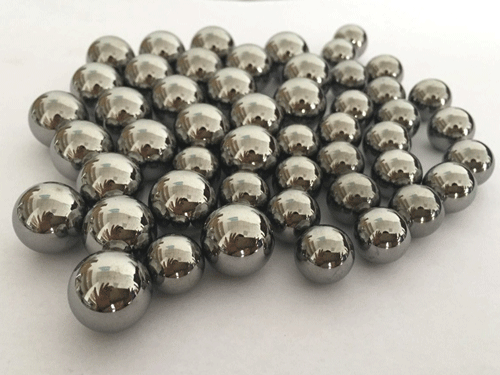
Tungsten Carbide Mill Balls: Wear, Grinding Efficiency, and Practical Selection

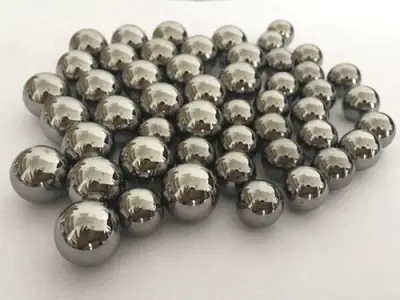
You do not need a lab coat to understand tungsten carbide mill balls, but you do need a clear view of what they are doing in your mill. They are small, dense, hard-working pieces of grinding media, and they can quietly decide whether your grind is stable, your product stays clean, and your maintenance budget behaves itself. If you are comparing media, the TENCAN Tungsten carbide mill ball page is a useful reference for the exact product we are talking about.
What a Tungsten Carbide Mill Ball Really Does in Your Mill
In a ball mill, the media is the working part. The mill lifts the balls, lets them fall, rolls them against the feed, and uses that motion to break particles down. A tungsten carbide mill ball is one type of grinding medium made from tungsten carbide. It is selected when you want a ball that is hard, wear resistant, and able to hold its shape in abrasive service.
Tungsten carbide is dense and hard compared with many common media materials. That combination matters because grinding is a transfer of energy. A dense ball carries more energy into each impact, while a hard surface resists being worn away. But do not picture a tiny hammer. Much of the work happens through repeated impacts and attrition, the slower rubbing action that wears particles down at contact points. The ball itself is not a cutting tool. It is an energy carrier and a wear surface.
That is why the useful question is not simply 'Is tungsten carbide better?' The useful question is: in this mill, with this feed, at this target fineness, does the ball deliver stable energy and low contamination over a long run? If the answer is yes, the media can be a very practical choice. If the answer is not clear, the ball is just an expensive guess.
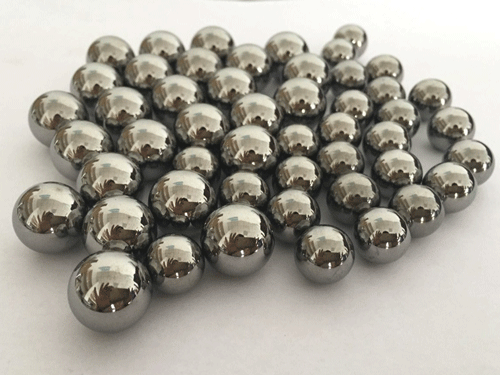
You will see tungsten carbide balls described as grinding media, mill balls, or ball mill media. The names vary, but the job is the same: move energy into the feed while surviving the environment. In a production line, that survival matters as much as the first grind. A ball that wears quickly changes the charge, shifts the particle size distribution, and sends wear material into places you may not want it.
Why Tungsten Carbide Shows Up in Tough Grinding Jobs
Abrasive feed is the classic reason teams look at tungsten carbide. When ordinary media wear too fast, replacement becomes a recurring task, and the process starts to drift between changes. A harder, more wear-resistant ball can hold its size and mass longer, which helps keep the grinding charge consistent. That is not a small thing. Consistency is often worth more than a dramatic peak performance number.
Tungsten carbide is a cemented carbide, which means it is not a single pure metal. Tungsten carbide grains are held together by a metal binder. That structure gives the material a balance of hardness and toughness. The exact balance depends on the grade and the binder, so 'tungsten carbide' describes a family of materials, not one universal recipe. This is why two balls with the same diameter can behave differently in the same mill.
There is also the contamination angle. Everything that wears goes somewhere. In some products, a small amount of wear debris is acceptable. In others, it is a quality problem, a filter problem, or a reason for a customer complaint. Tungsten carbide media are often considered when the process needs wear resistance and a more controlled wear profile. They are not automatically the right answer for every product, but they deserve a serious look when media life and product cleanliness are both under pressure.
We should be honest about the trade-off. Tungsten carbide media usually sit at the premium end of the media decision. If your feed is soft, your target is coarse, and your mill is not fighting abrasion, a cheaper media may give you a better return. The smart approach is to compare total cost, not purchase price alone. Include media life, downtime, product quality, and the labor needed to top up and inspect the charge.
Reading Wear Like a Mechanic Reads Tires
Wear is easy to ignore until the grind changes. A better habit is to treat media like tires on a work vehicle: check them before the handling tells you something is wrong. You do not need a full metallurgy lab to catch the early signals. You need a consistent inspection routine and a few simple records.
The Three Wear Signals Worth Tracking
Mass loss is the most direct signal. If you weigh a sample of balls at a known starting point and reweigh them later, you get a practical view of material loss. The number itself matters less than the trend. A sudden change in the trend deserves attention.
Dimensional change tells you whether the ball is holding its working size. A ball that has worn smaller will behave differently in the charge. It may create a different balance of impacts and contacts, and it may no longer match the mill's original operating assumptions.
Surface condition is the story your eyes can read. Chips, flats, cracks, and polished patches all suggest something about the service conditions. A single damaged ball is not a crisis. A pattern of damage across the charge is a conversation about impact energy, feed size, or mill operation.
What Wear Does to Your Grind
When media wear, three things happen at once. The charge changes, because smaller or lighter balls do not transfer energy the same way. The surface area changes, because more balls or different contact patterns affect the grind. And the product changes, because worn material has to go somewhere. That last point is easy to forget when you are focused on media cost.
This is why replacement should be based on inspection and performance, not only on a calendar. A fixed replacement interval can be a useful starting point, but it is not a diagnosis. If your particle size drifts, your mill load changes, or your product shows unexpected contamination, inspect the media before you blame the mill or the feed.
If you are using the TENCAN tungsten carbide mill ball, keep the product details with your maintenance records. The exact grade, size, and tolerances belong in the same file as your operating notes. When something changes, you want to compare like with like.
Grinding Efficiency: It Is Not Only the Ball
It is tempting to treat the ball as the whole story. It is not. Grinding efficiency comes from the whole system: mill geometry, speed, fill level, feed size, slurry behavior, and the media. A premium ball in a poorly controlled mill is like a good tire on a misaligned car. It may help, but it will not fix the alignment.
Energy Transfer and Ball Size
Ball size affects how energy is delivered. Larger balls carry more mass and tend to deliver stronger impacts. Smaller balls create more contact points and can be better for finer work. The right balance depends on your feed and your target. If you change media size, change it for a reason, and watch the particle size distribution rather than one single number.
Mill Speed, Fill Level, Slurry, and Feed
Mill speed, fill level, slurry viscosity, and feed size all shape the grinding environment. An overfilled mill can cushion impacts. A mill running outside its intended range can throw the charge in a way that changes wear. A feed that is too coarse or too fine for the setup can make even good media look bad. Before you blame the ball, check the basics.
A useful way to think about it is to separate the question into two parts: what the media contribute, and what the mill contributes. The media contribute wear resistance, mass, and surface condition. The mill contributes motion, energy, and residence time. If the mill is not delivering a stable motion, the media cannot show their best behavior. That is why a trial should always record mill settings as carefully as it records media life.
When Tungsten Carbide Is Overkill, and When It Pays Off
Tungsten carbide earns its place when abrasion is high, media life is short, contamination is costly, or downtime is expensive. It is easier to justify when the mill runs continuously and every stop has a real cost. It is harder to justify when the feed is mild and the product tolerates a cheaper media. If you are on the fence, run a controlled trial. Compare wear, grind quality, energy use, and handling in the same mill under the same conditions.
How to Choose Tungsten Carbide Mill Balls Without Guessing
Choosing media by photo is like choosing shoes by color. The look tells you something, but it does not tell you whether the fit is right. Start with the job, then work toward the product details. That order saves a lot of time.
Start with Compatibility, Not the Catalog Page
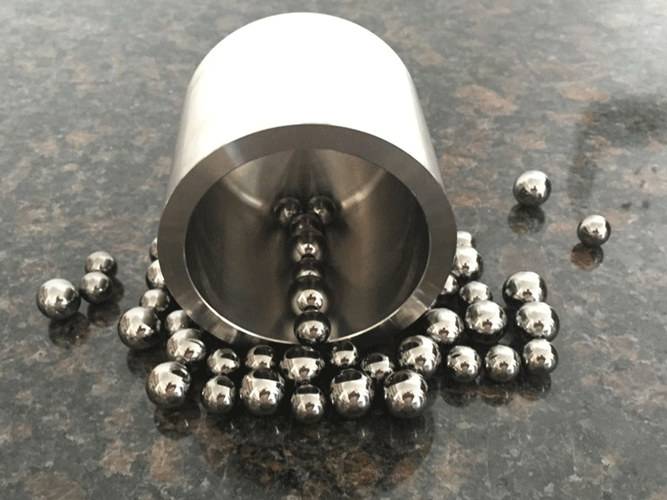
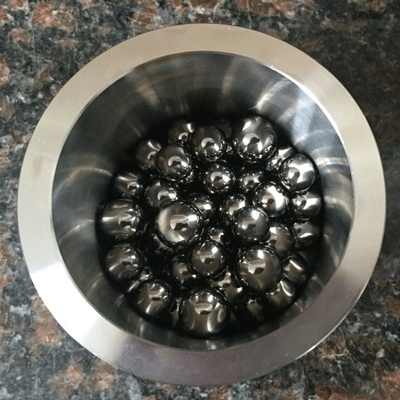
First, confirm that the media are compatible with your mill and your process. Think about the mill type, the jar or chamber material, the feed chemistry, the discharge method, and the cleaning routine. A ball that performs well in one setup can be a poor fit in another because the environment is different. Compatibility is not a detail. It is the foundation.
Ask for the Details That Actually Change Performance
When you ask for a quotation, ask for the details that actually change performance. The diameter and tolerance matter because they affect the charge and the repeatability of the setup. The grade and binder matter because they shape the hardness and toughness balance. Surface finish matters because it affects the early contact behavior. Documentation matters because you need to compare batches and maintain records.
Do not accept a vague 'tungsten carbide' label as a full specification. It is a useful family name, but it is not enough to make a purchasing decision. If the supplier cannot explain the grade, the size control, and the intended application, keep asking questions. The TENCAN product page for the Tungsten carbide mill ball is a sensible starting point, and your own process data should finish the job.
Match the Ball to the Job
Match the ball to the job rather than to a catalog headline. For rough grinding, you may care more about impact resistance and stable mass. For fine grinding, you may care more about consistent size and surface condition. For contamination-sensitive products, you may care more about wear behavior and documentation. These priorities can point to different choices, even within the same product family.
If you can, test before you commit to a full charge. A small side-by-side trial tells you more than a long debate. Keep the feed, mill speed, and run time as close as you can. Measure what matters to you: particle size, wear, contamination, and handling. Then make the decision with evidence.
This is also the stage where a second product reference can help. Compare the tungsten carbide mill ball with the media you use today, but compare them on the same job. A fair comparison includes media life and product quality, not just the price per piece. The cheapest ball is not cheap if it changes your grind every few weeks.
Handling and Care: Small Habits, Longer Life
Good media handling is not glamorous, but it protects the investment. Most premature failures in any grinding setup come from a mix of small habits: dirty storage, mixed batches, rough charging, and missing records. None of these are exotic. They are easy to fix.
Storage and Inspection
Store media in clean, labeled containers. Keep different sizes and grades separate. A mixed bin makes it impossible to know what is in the mill, and it makes wear trends hard to read. Inspect a sample on a regular schedule. Look for chips, cracks, flats, and discoloration, and note anything unusual in the context of the feed and operating conditions.
A simple inspection tray helps more than you might expect. Spread a sample in good light, look at it from more than one angle, and compare it with a known good reference. If you see a change, write it down before the details fade. Small observations become useful patterns only when they are recorded.
Charging and Cleaning
Charge the mill carefully. Avoid dropping media from height or throwing them into the mill in a way that creates unnecessary impact damage. Follow your cleaning procedure, and make sure the cleaning method is compatible with the media and the mill. If you change cleaning chemicals or temperatures, check whether the media are affected.
Keep Records That Answer Questions
Keep simple records: media lot, size, start date, operating hours, feed type, and inspection notes. When a problem appears, these records help you separate a media issue from a process issue. They also help you repeat a good result. A few minutes of logging can save hours of guessing.
A Quick Buying Checklist You Can Use Today
Here is a practical checklist you can take into a supplier conversation or an internal review.
- Define the job: feed material, target fineness, wet or dry, continuous or batch.
- Confirm mill compatibility: chamber material, media size range, discharge, cleaning.
- Ask for diameter and tolerance, not just a nominal size.
- Ask for grade and binder information, and the intended application.
- Review contamination risk and wear debris tolerance.
- Plan a trial with clear success measures.
- Compare total cost, including media life and downtime.
- Set an inspection interval before the first charge goes in.
- Confirm documentation and batch traceability.
- Use the product page for the exact TENCAN tungsten carbide mill ball details, and keep the details with your records.
Questions We Hear From Grinding Teams
Do Tungsten Carbide Balls Last Forever?
No. They are wear-resistant, not wear-proof. The advantage is that they can hold their working size and mass longer in abrasive service, but they still wear. The right replacement point depends on your process, not on a universal number. Watch the trend and the grind.
Can I Mix Them with Other Media?
In most setups, mixing different media materials or sizes makes the charge harder to read. You lose control over the energy balance and the wear story. If you have a specific reason to mix, test it carefully and document what happens. Do not mix just because two bins are half full.
How Do I Know When to Replace Them?
Use inspection and performance together. If the media show a clear wear pattern, if the particle size is drifting, or if the mill needs more time to reach the target, investigate. Replace when the data says the media are no longer doing their job, not when the calendar says so.
Are They Worth the Price?
They can be, when abrasion is high, downtime is costly, or contamination matters. They may not be, when the feed is mild and a lower-cost media gives a stable grind. The answer lives in your process data, not in a slogan. Run the numbers, run a trial, and choose the media that makes the whole line more predictable.
If you want a simple next step, open the TENCAN tungsten carbide mill ball page, note the exact product details, and compare them with your current media and mill setup. Then write down what 'better' means for your line: longer life, cleaner product, steadier particle size, or fewer stops. Once that is clear, the choice becomes much less mysterious. And that is a good place to be.
Related Products
Get In Touch
Our professional team will reply to you within one business day. Please feel free to contact us!