
PU Roll Mill Jar: The Ideal Choice for Contamination-Free Wet and Dry Grinding

What Is a PU Roll Mill Jar?
If you’ve ever worked with a roller ball mill, you know that the jar you choose can make or break your grinding process. A PU roll mill jar is a cylindrical container made from polyurethane (PU), designed specifically for use on roller ball mills (also called jar rolling mills). These jars rotate on a set of powered rollers, causing the grinding media inside to tumble and grind your sample. The PU material brings a unique set of advantages that many researchers and engineers find invaluable.
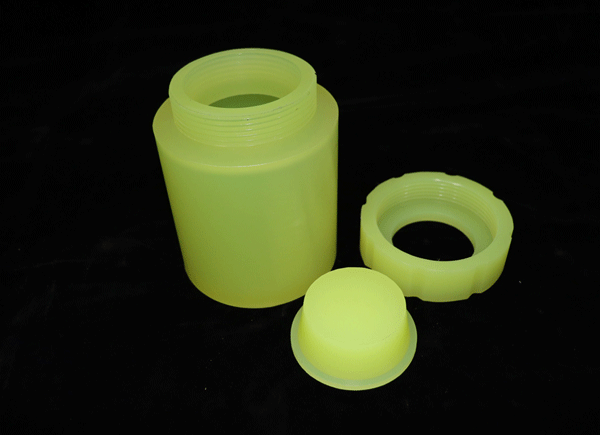
Why Choose Polyurethane for Your Grinding Jar?
Polyurethane is a polymer that combines the elasticity of rubber with the toughness of plastic. When used as a roll mill jar, it offers several critical benefits:
Outstanding Wear Resistance
PU is incredibly resistant to abrasion. Even when you’re grinding hard materials like minerals, ceramics, or metals, the jar interior wears very slowly. This means longer jar life and less downtime replacing worn containers.
Low Contamination
One of the biggest headaches in powder processing is cross-contamination. The PU material has a smooth, non-porous surface that doesn’t easily shed particles into your sample. It’s also chemically inert to many substances, so you won’t introduce unwanted elements from the jar itself. This makes PU an excellent choice for sensitive applications like pharmaceutical research or high-purity material synthesis.
Excellent for Wet Grinding
Wet grinding often involves corrosive slurries or solvent-based mixtures. PU resists attack from most acids, alkalis, and organic solvents, and it won’t rust or corrode like metal jars. Plus, its slight flexibility helps dampen vibration, making the grinding process quieter and more stable.
Lightweight and Easy to Handle
Compared to stainless steel or ceramic jars, PU roll mill jars are noticeably lighter. This reduces the load on your roller mill’s drive system and makes it easier for you to change jars between experiments.
Key Features and Typical Specifications
While exact dimensions and volumes can be customized, here are common specifications you’ll find for a TENCAN PU roll mill jar:
- Capacity options: From 0.5L to 20L or more, depending on your roller mill model.
- Jar dimensions: Cylindrical shape with a diameter and length matched to standard roller mills.
- Lid sealing: Typically includes a silicone or rubber gasket to prevent leakage during rotation.
- Compatible grinding media: Works with zirconia, alumina, agate, stainless steel, or other balls.
- Maximum operating temperature: PU can generally be used up to around 80°C, though high-temperature applications may require cooling breaks.
- Cleaning: Easy to clean with water or mild solvents – the non-stick surface doesn’t trap powder.
For exact technical parameters, always refer to the product page or contact TENCAN directly. The beauty of PU is that it can be molded into almost any shape, so custom sizes are often available.
How Does It Compare to Other Roll Mill Jar Materials?
You have several options when choosing a roll mill jar: nylon, stainless steel, ceramic (alumina), PTFE (Teflon), and corundum. Let’s see how PU stacks up.
| Material | Key Advantage | Limitation |
|---|---|---|
| Polyurethane (PU) | Excellent wear resistance, low contamination, good chemical resistance | Limited temperature tolerance (max ~80°C) |
| Nylon | Very tough, good impact resistance, moderate chemical resistance | Can absorb moisture, may degrade in strong acids |
| Stainless Steel | High strength, can handle high temperatures and heavy loads | Heavy, can introduce metal contamination, prone to corrosion with some chemicals |
| Ceramic (Alumina) | Extremely hard, very low wear, excellent for hard materials | Brittle – can crack if dropped; limited to small volumes |
| PTFE (Teflon) | Outstanding chemical inertness, non-stick, good for high-purity work | Soft – wears faster, not suitable for abrasive materials |
| Corundum | Extreme hardness, very low contamination, high-temperature capability | Very heavy and expensive; limited availability |
As you can see, PU is a fantastic middle-ground choice when you need good wear resistance and low contamination without the high cost or fragility of ceramic options. It shines in applications where you’re doing routine wet grinding of moderately hard materials.
Applications Best Suited for PU Roll Mill Jars
Thanks to its balanced properties, the PU jar is widely used in:
- Fine grinding of minerals and ores – such as quartz, feldspar, limestone, and talc.
- Preparation of battery materials – like cathode and anode powders where metal contamination must be avoided.
- Pharmaceutical and cosmetic powder processing – for herbs, pigments, and creams.
- Chemical research – mixing and grinding of catalysts, dyes, and polymers.
- Ceramic and glass industries – especially for glaze and enamel grinding.
It’s also a popular choice for educational labs where multiple students handle the equipment – PU jars are more forgiving if accidentally knocked over compared to ceramic or glass jars.
Tips for Getting the Most Out of Your PU Roll Mill Jar
To extend the life of your PU jar and ensure consistent results, keep these practices in mind:
- Don’t exceed the recommended fill level. Typically, you should fill the jar to about one-third of its volume with grinding media and another one-third with material. Overfilling can cause poor grinding and strain the jar.
- Use compatible grinding media. Avoid sharp or very heavy balls that could gouge the PU surface. Zirconia or alumina balls work well.
- Clean promptly after use. While PU resists many chemicals, leaving abrasive slurry inside for days can accelerate wear. Rinse with water or a suitable solvent and dry the jar.
- Monitor the seal. The lid gasket is crucial for preventing leaks during rotation. Replace it if it becomes hard or cracked.
- Avoid overheating. If your roller mill runs continuously for many hours, the jar may warm up. For heat-sensitive materials or long runs, periodic cooling is advisable.
Where to Get Your PU Roll Mill Jar
TENCAN (Changsha Tianchuang Powder Technology Co., Ltd.) offers a full range of PU roll mill jars in various sizes to fit most standard roller mills. They also supply matching grinding media and can customize jar dimensions for special applications. Since the company specializes in powder equipment, you’ll benefit from their deep technical know-how and after-sales support.
If you’re still unsure whether PU is right for your work, the TENCAN team can advise based on your material and process requirements. Often, they can provide sample jars for testing so you can see the results before committing to a full purchase.
Final Thoughts
The PU roll mill jar is a workhorse in many labs and production facilities. It hits that sweet spot between durability, purity, and cost that makes it a go‑to for a wide range of grinding tasks. Whether you’re developing a new nanomaterial or simply need reliable daily grinding, PU is worth serious consideration.
Remember, the jar is just one part of the system – a high-quality roller mill and proper grinding media are equally important. But with a well-chosen jar, you lay the foundation for consistent, contamination‑free results every time.
Related Products
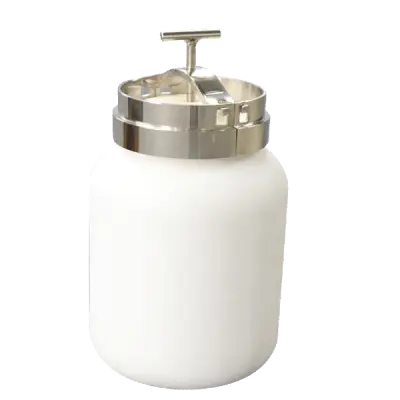
corundum roll mill jar
High-hardness corundum roll mill jar for advanced grinding. Paired with zirconia balls for superior wear resistance and durability in milling applications.
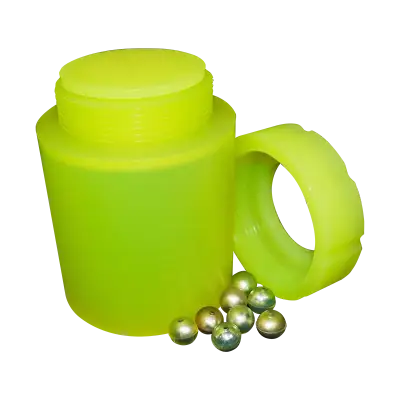
PU roll mill jar
Polyurethane roll mill jar for high-efficiency wet or dry grinding. Durable, wear-resistant, and widely used in labs and industries like ceramics, batteries, and chemicals.
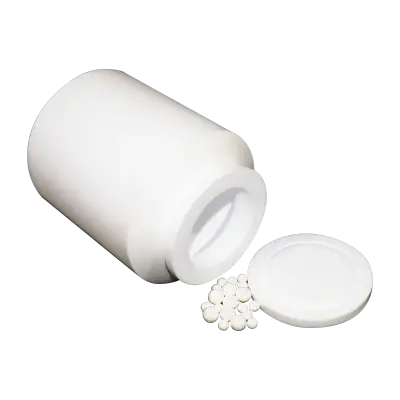
PTFE roll mill jar
PTFE (Teflon) roll mill jar for non-stick, easy-clean, acid/alkali-resistant grinding. Ideal for high-purity applications, featuring low friction and high-temperature tolerance.
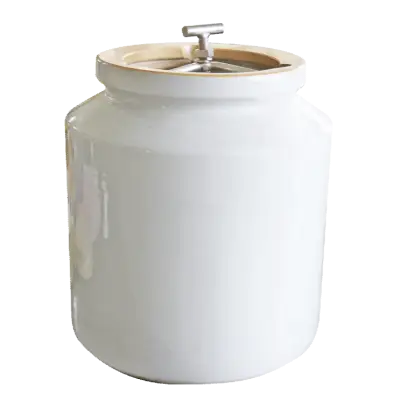
cetamic roll mill jar
High-purity ceramic roll mill jar with excellent chemical stability and wear resistance. Ideal for grinding chemicals, pharmaceuticals, rare earth materials, and various silicate products.
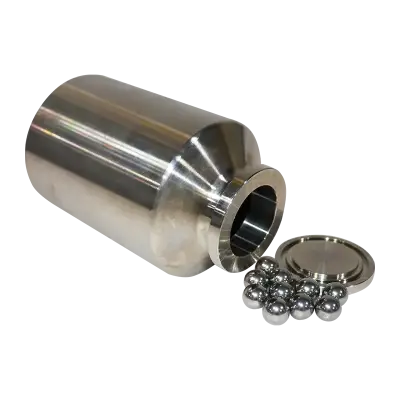
Stainless steel roll mill jar
Versatile stainless steel roll mill jar for wet/dry grinding of metal and non-metal materials. Durable, customizable vacuum options available. Widely used in labs and industrial processing.
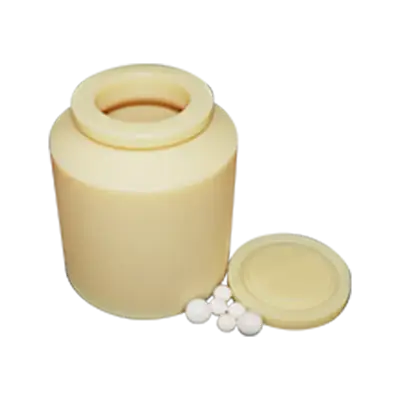
nylon roll mill jar
High-quality nylon roll mill jar for contamination-free grinding. Ideal for metals, advanced pigments, ceramics, and magnetic materials in lab and production settings.
Get In Touch
Our professional team will reply to you within one business day. Please feel free to contact us!