
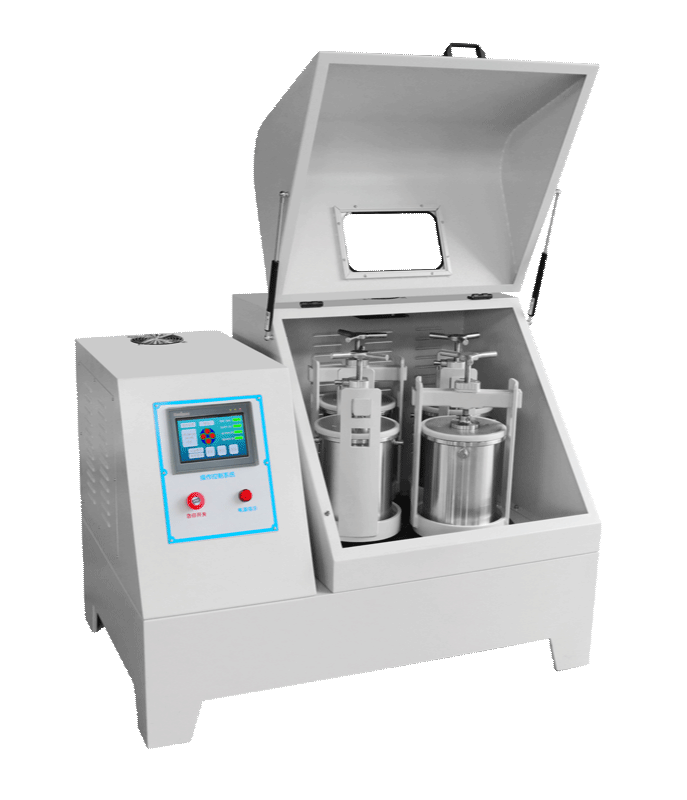
Micro-Computerized Touch Screen Planetary Ball Mill: A Practical Buyer's Guide

Powder work has a funny way of making simple questions complicated. You want a finer powder, a better mix, or a more repeatable blend, and suddenly you are reading about jar materials, ball sizes, rotation speeds, and whether your sample will weld itself to the wall. A planetary ball mill sits right in the middle of that conversation, and the micro-computerized touch screen version makes the daily routine a lot less mysterious.
What a planetary ball mill is actually doing
The name sounds like something from a science fiction set, but the idea is grounded in basic mechanics. A planetary ball mill uses grinding jars that spin around a central axis while also rotating in the opposite direction. That double motion is why we call it planetary: each jar travels around the center like a small planet, while spinning on its own axis at the same time.
Inside each jar, grinding balls tumble, slide, and slam into the powder. The useful work comes from a mix of impact and friction. Impact breaks larger particles down, while friction and shear help refine the powder and blend it more evenly. Because the jars are moving in two directions, the media get pushed and pulled in ways that a simple tumbler cannot match.
That combination is why planetary mills are common in laboratories and small-batch production. They can handle hard, brittle, soft, or fibrous materials depending on the setup, and they can run dry or wet. The catch is that the result depends heavily on how you choose the jar, the media, and the recipe.
Why the microcomputer and touch screen matter
The touch screen is not there to make the mill look modern. It changes how you interact with the process. Instead of turning a knob, watching a dial, and hoping you remember the exact sequence from last month, you can store and recall recipes. For a lab, that is a quiet but important win: the machine becomes part of your record-keeping, not a separate mystery.
A microcomputer also helps with repeatability. Speed, run time, pauses, and direction changes can be set with more confidence, so two operators are less likely to produce two different results from the same powder. When you are comparing a new additive, a different calcination step, or a changed particle size target, repeatability is the foundation. Without it, you are guessing.
That may sound like a small convenience, but it adds up. A clear control panel shortens training, reduces accidental changes, and makes troubleshooting easier because you can see what the machine was asked to do. The micro-computerized touch screen planetary ball mill is built around that idea: the grinding stays physical, but the control layer becomes more precise and easier to live with.
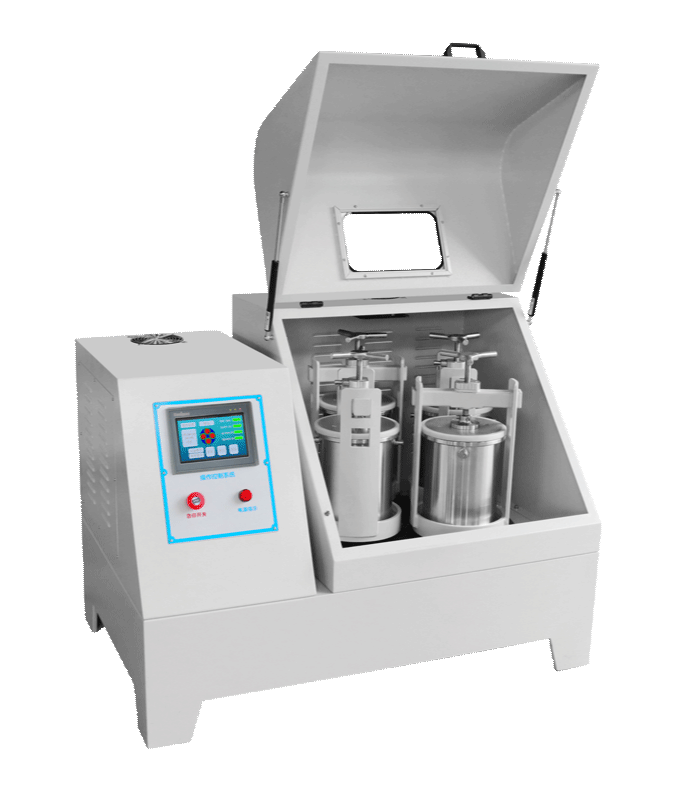
The grinding jar is the real workspace
Every jar is a tiny impact chamber. Its material, shape, and volume affect how the balls move, how much heat builds up, and how much contamination sneaks into your sample. A hard jar can take a beating, but it may also wear faster. A softer jar may be gentler on the sample, but it can struggle with abrasive powders. There is no single perfect jar, only a sensible match for the job.
The grinding media do the heavy lifting. Larger balls carry more mass and deliver stronger impacts, which helps break down coarse particles. Smaller balls create more contact points and more friction, which can be useful for fine grinding and blending. The ball-to-powder ratio is another lever: too few balls and the process drags; too many and you may waste energy, generate heat, or overfill the jar.
Here is the part that surprises many first-time users: more grinding does not always mean a better powder. After a certain point, fine particles can agglomerate, stick to the walls, or cold-weld together. The powder may look finer in the jar but behave worse when you test it. Good milling is about reaching the target with the least unnecessary energy, not running the machine until the timer gives up.
The variables that decide whether a run works
You do not need to memorize a long list of numbers to run a planetary mill well. You do need to understand what each variable is doing, so you can adjust with a reason instead of a guess.
Rotational speed
Speed controls the energy going into the jar. Up to a point, faster rotation means stronger impacts and quicker size reduction. Push too far, though, and the media can start riding the jar wall instead of tumbling and impacting. That is the practical meaning of critical speed: the point where the balls stop doing useful work because they are stuck to the wall. The right speed depends on jar size, media size, and the material.
Milling time
Time is the easiest variable to change and the easiest one to overuse. Longer runs add energy, but they also add heat, wear, and the risk of agglomeration. A better approach is to run in intervals and check the powder. If the particle size has leveled off, more time will not rescue the recipe. It may only make the powder harder to handle.
Ball-to-powder ratio
This ratio tells you how much grinding media you are using relative to the sample. More media generally means more collisions and faster grinding, but it also means less room for powder and more wear. If your results are inconsistent, record the ratio carefully. It is one of the most common hidden causes of “the same recipe gave a different result.”
Fill level, liquid, and atmosphere
A jar should not be packed tight. The media need room to move, tumble, and fall. Wet grinding can improve dispersion and reduce dust, but too much liquid turns the charge into a slurry that cushions impacts. Air-sensitive powders may need an inert atmosphere, while heat-sensitive materials may need shorter runs or pauses. These are not minor details; they shape the powder you actually get.
Choosing jars and balls without creating a contamination problem
Jar and ball material is a compatibility question, not a shopping contest. You want something hard enough to grind the sample, tough enough to survive the run, and chemically compatible with what you are milling. A jar that is too soft will wear and leave traces in the powder. A jar that is too reactive may change the sample itself.
Think about what your sample needs. Abrasive ceramics and minerals often call for hard, wear-resistant media. Soft or sensitive materials may do better with gentler jars and lower-energy conditions. If contamination is critical, choose the jar and media with the smallest acceptable wear rate, then verify with your own analysis. The cheapest jar is rarely the cheapest result if it adds iron or other unwanted elements to a sensitive batch.
Size matters too. Small jars suit precious samples and method development. Larger jars give you more material per run but may change the energy profile. Keep the jar, media, and fill level consistent when you compare recipes. Changing all three at once gives you a result, but not an explanation.
Where this type of mill earns its place
This mill type is happiest in laboratories, pilot rooms, and small-batch operations where flexibility matters more than tonnage. It is a natural fit for materials research, ceramics, battery powders, geological samples, pigments, and a long list of specialty powders. You can test a small idea without committing to a full production line.
In ceramics and battery research, repeatable fine grinding can influence sintering, slurry behavior, and how evenly an additive is distributed. In geology and mineralogy, the mill helps prepare samples for analysis. In pigment and coating work, it can break down agglomerates and improve dispersion. The common thread is control: you need to change the powder in a defined way and know what you did.
On the other hand, if you need continuous, high-volume production, a planetary mill is probably not the right shape for the job. It is a batch tool. It rewards careful setup and punishes sloppy records. That is not a weakness; it is simply the category it belongs to. Use it for what it does well and it will earn its bench space.
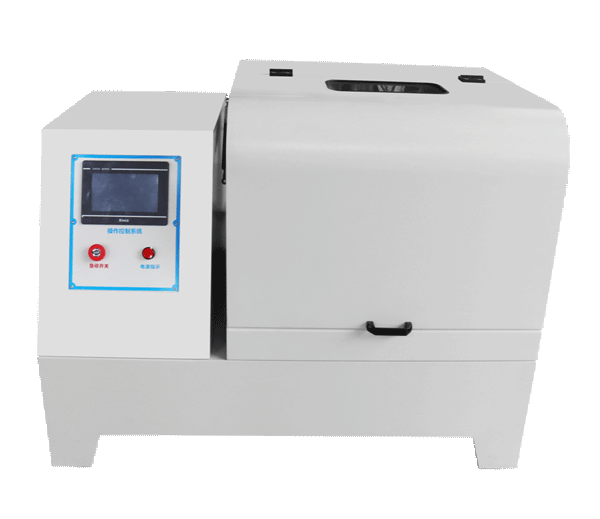
A practical run from powder to result
Good results start before you press the start button. A simple routine keeps the process honest:
- Check the jar, lid, and seals. A worn seal or a scratched jar can leak powder or change the run.
- Choose the media and jar based on the sample, not on what happens to be closest to the bench.
- Weigh the powder and media. Write down the ratio, because memory is a poor lab partner.
- Load the jar with enough free space for the media to move.
- Set the recipe on the touch screen: speed, time, pauses, and direction changes.
- Run a short trial first. Check the powder before committing to a long cycle.
- Let the jar cool before opening it, especially after a high-energy run.
- Clean the jar and media properly, then record what you actually did, including any changes.
That last step is easy to skip and hard to replace. The recipe on the screen tells you what the machine was set to do. Your notes tell you what happened in the room.
Common headaches and how to read them
- The powder is not getting finer. Check whether the media are too small, the speed is too low, or the jar is overloaded. It may also be agglomeration, not a lack of grinding.
- The sample is contaminated. Look at jar and media wear. A softer jar may be shedding material into the powder.
- The powder is caking or sticking. Reduce the liquid, shorten the run, or add pauses. Heat and overgrinding are common culprits.
- Results drift from run to run. Compare fill level, ball-to-powder ratio, and whether the same jar and media were used. Small changes add up.
Most problems are not mysterious. They are usually one variable that changed without being recorded.
What to check before you buy
Start with the non-negotiables: the jar sizes you actually need, the speed range, the control modes, and the safety features. Ask how the machine handles overloads, how the lid is secured, and what happens if the jar is not seated correctly. A good mill should protect the operator and the sample, not just spin quickly.
Then look at the controls. A touch screen should make sense without a manual. Recipe storage, clear parameter entry, and simple run monitoring matter more than a crowded display. If your team includes people who use the mill once a week, ease of use is not a luxury; it is a quality control feature.
Ask for the current parameter sheet for the product page for this planetary ball mill. Check jar compatibility, motor power, dimensions, weight, and available accessories against your bench and your sample sizes. Do not rely on a generic blog for numbers that may have changed. Use the manufacturer’s current data.
Finally, think about service and spare parts. Jars, lids, seals, and media are consumables, and you will need them. A machine with a clear support path and available accessories is easier to live with than one that saves money on day one and stalls on day ninety. TENCAN’s micro-computerized touch screen planetary ball mill is one option to compare on those practical points.
A sensible starting point
A planetary ball mill is a simple idea with a lot of knobs. It breaks powder down through impact and friction, and the micro-computerized touch screen layer helps you repeat a recipe instead of re-creating it from memory. The jar, the media, the speed, the time, and the fill level all matter, but they matter in a logical way.
Treat the first run as a baseline, not a final answer. Keep the recipe simple, change one variable at a time, and write down what you see. Once you have a repeatable result, you can push the process harder or scale it with more confidence. That is a far better use of a mill than chasing a number on a screen.
Related Products
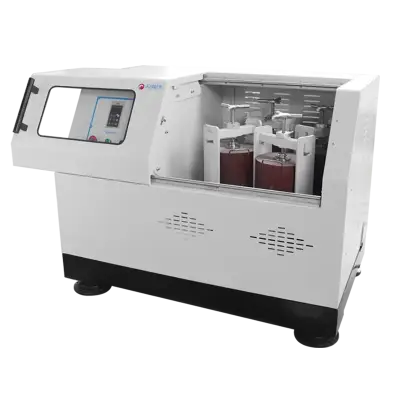
XQM-20 20L Vertical Production Planetary Ball Mill
XQM-20
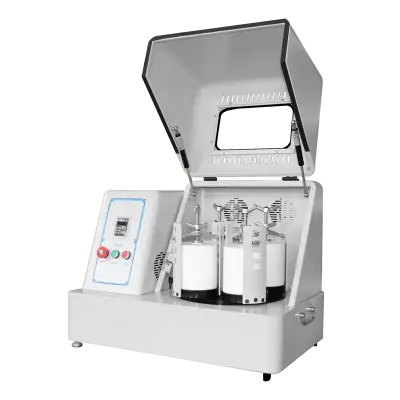
Laboratory planetary grinder
XQM
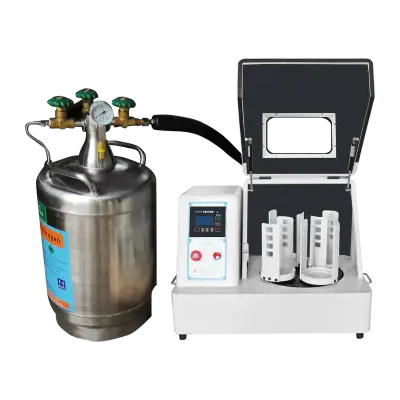
Liquid Nitrogen Planetary Ball Mill
XQM
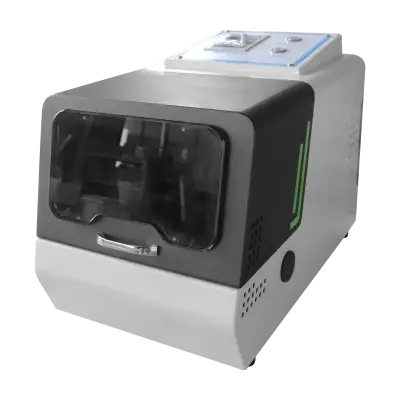
Micro Planetary Ball Mill
XQM-0.2
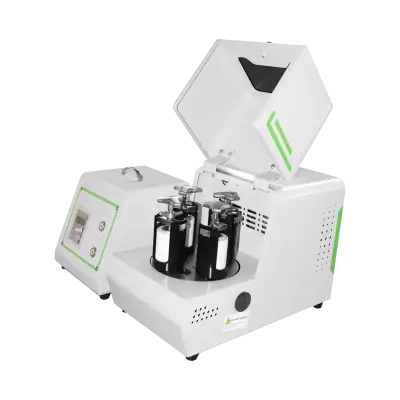
Micro Planetary Ball Mill
XQM-0.2S
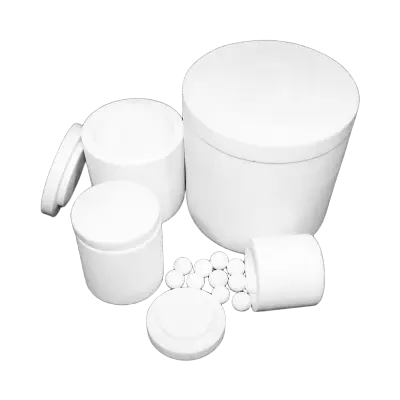
A grade Corundum planetary Mill Jar
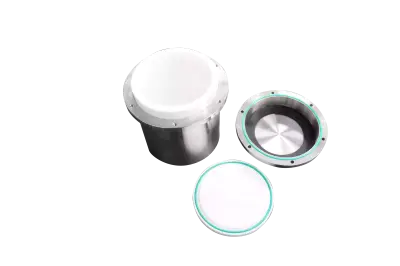
304 stainless steel lined with zirconia mill jar
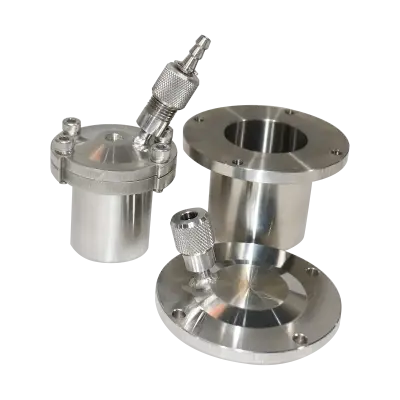
vacuum planetary mill jar
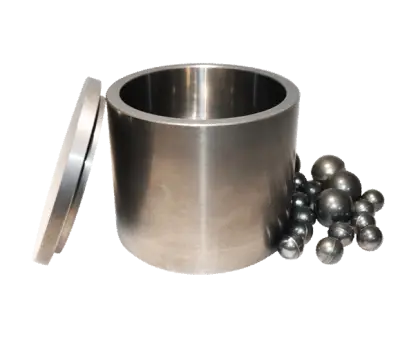
Tungsten carbide planetary mill jar
Get In Touch
Our professional team will reply to you within one business day. Please feel free to contact us!