
Ceramic Roll Mill Jars: How to Choose, Run, and Maintain Them Without Guesswork

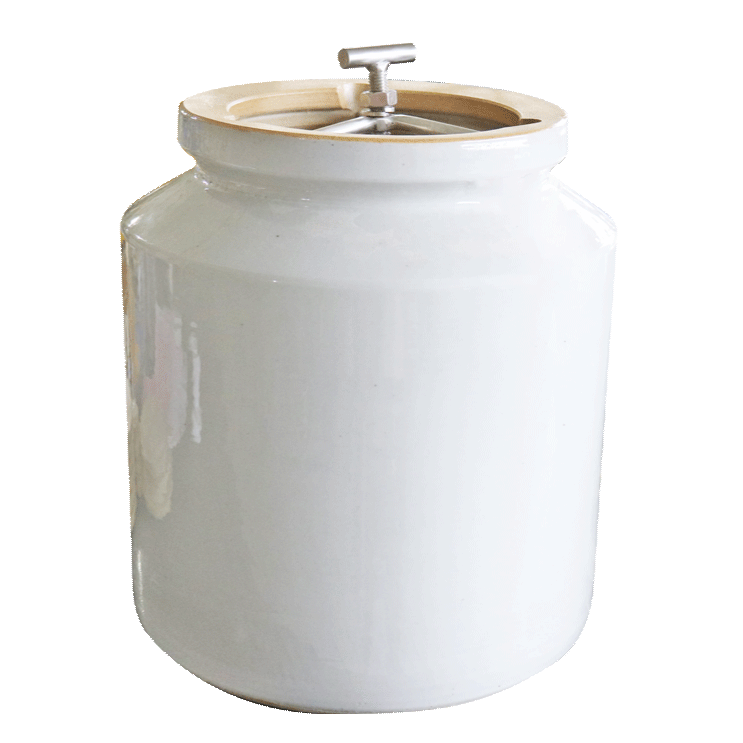
You can tell a lot about a milling setup by the jar sitting on the rollers. A ceramic roll mill jar looks simple: a cylinder, a lid, maybe a gasket. In use, it is the chamber where every collision happens, the barrier between your powder and the outside world, and often the part that decides whether your batch is clean enough to sell. Get the jar right and the rest of the process has a chance. Get it wrong and you will spend a lot of time cleaning, re-running batches, or wondering why your particle size will not come down. In this guide, we will walk through what a ceramic roll mill jar does, why ceramic is worth considering, how to pick one that fits your mill and your powder, and how to run it without turning a good jar into an expensive flowerpot. If you want the product reference while you read, the TENCAN ceramic roll mill jar page is here.
What a ceramic roll mill jar actually does
At its core, a roll mill jar is the grinding chamber for a roller ball mill. The jar rests on two or more powered rollers. As the rollers turn, the jar turns with them. Inside, grinding media—usually ceramic balls or cylinders—tumbles, rolls, and cascades. The powder, and the liquid if you are wet milling, gets caught between moving media and the jar wall. Size reduction comes from impact when media collide and from attrition as particles rub between surfaces. The jar itself does not grind. It creates the space and the contact geometry for the media to do the work.
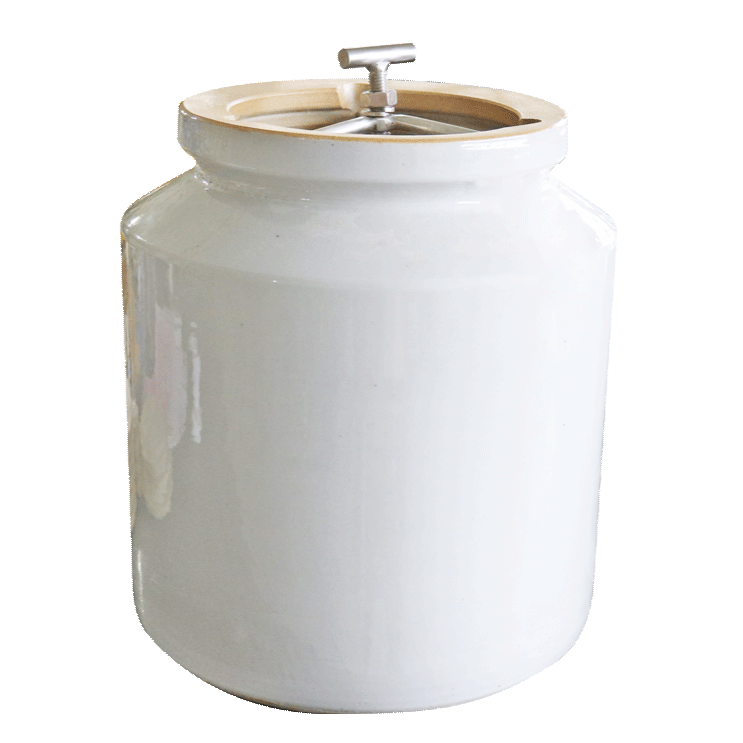
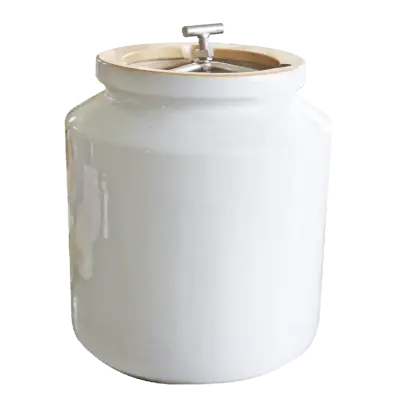
Ceramic refers to the jar body material. It may also describe the lid or a lining, but the key point is the grinding contact surface. A good ceramic jar has a smooth, consistent interior, a lid that seals, and enough wall strength to handle the load without chips. A pretty jar with a rough interior is just a hard-to-clean ornament.
Not every round jar is a roll mill jar. A jar for a planetary mill may look similar, but it is designed for a different motion and different stresses. Use a jar intended for roller mill service, and check the fit before you fill it.
Why ceramic instead of steel or plastic?
Steel jars are tough and good at impact, but they can shed iron or other metals into the product. Plastic jars are light and cheap, but they can wear, deform, and trap powder. Ceramic jars sit in a useful middle ground: harder and more chemically inert than most plastics, and less likely to contaminate a batch with metal wear. That is why ceramic jars show up in fine ceramics, glass, pigments, electronic materials, and other places where a little iron is a big problem.
Ceramic is a family, not a single material. Alumina is a common workhorse: hard, wear resistant, and relatively economical. Zirconia is tougher and denser, which can be useful when you need more impact energy, but it costs more. Agate is very clean but fragile. The exact grade matters, because two jars that look the same from the outside can behave very differently inside. The TENCAN ceramic roll mill jar page is where you confirm the ceramic type and the exact jar details instead of guessing from a photo.
Ceramic is not magic. It is brittle. It does not like sharp impacts, thermal shock, or being dropped. And it does wear. The advantage is that the wear products are usually the same ceramic family as the jar, not a stray metal particle. For many products, that is a much easier contamination problem to manage.
When ceramic is not the best choice
If your feed includes large, sharp lumps, or your process needs heavy impact, a ceramic jar may be too fragile. If you need the lowest upfront cost and metal contamination is not a concern, steel may be more practical. Ceramic is a precision tool, not a sledgehammer. Choose it for cleanliness and wear resistance, not for brute force.
Where ceramic roll mill jars earn their keep
Ceramic jars are a good fit when you need fine grinding, low metal contamination, and good chemical resistance. Typical jobs include ceramic raw materials, glazes, glass powders, pigments, fillers, and small-batch specialty powders. They are also useful in labs and pilot plants where a batch is small, expensive, or both. If you are milling a corrosive slurry, a ceramic jar can be a better choice than a steel jar, provided the gasket and lid materials are compatible too.
They are not the answer to every milling problem. If your feed is coarse and you need heavy impact, a ceramic jar may be the wrong tool. If you need very high throughput, a jar mill may be too small. And if your process involves sharp, hard chunks that can chip the ceramic, think twice. Ceramic jars like a reasonably controlled feed, not a rock crusher diet.
The anatomy of a good jar
Body and interior surface
The body is the main wear surface. A well-made ceramic jar has a smooth interior with no rough patches, pits, or glaze defects that can trap powder. Smooth does not mean slippery for the media; it means consistent. A rough spot can cause media to wear unevenly and can make cleaning a nightmare. Wall thickness matters for strength and weight. A thick wall feels robust, but it also adds mass. The jar has to be turned by your rollers, so weight is not a free upgrade.
Lid, gasket, and closure
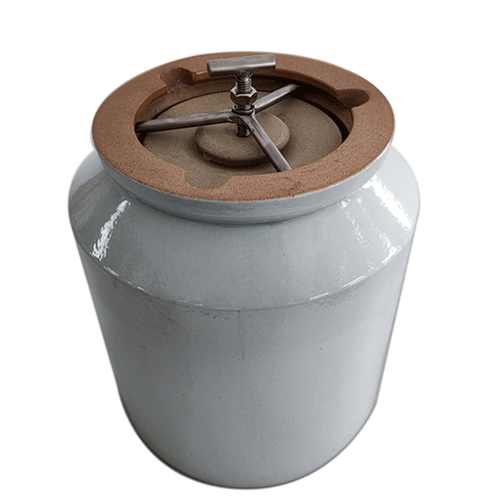
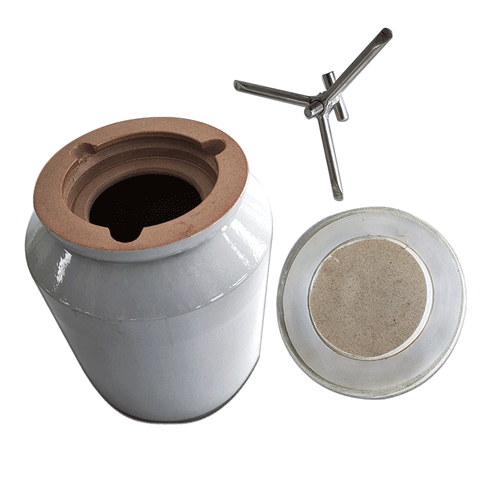
The lid is where many good jars fail. For wet milling, the seal has to hold liquid and solvent. For dry milling, it has to keep dust in. The gasket must be compatible with your liquid, and the closure must be easy to tighten without overdoing it. A lid that needs a wrestling match is a lid that will eventually be tightened unevenly. Check the rim and the lid seat. A chip on the sealing surface is a leak waiting to happen. Keep a spare gasket. Gaskets are cheap; a leaked batch is not.
Media compatibility
The jar and the media are a team. Using the wrong media can wear the jar faster, contaminate the batch, or damage the media. Ceramic media is a common match for ceramic jars, but the right size, shape, and material depend on your feed and your target fineness. Do not mix media types just because they are both hard. Ask for guidance and keep the combination consistent.
How to choose the right ceramic roll mill jar
Start with the job, not the catalog. The right jar is the one that fits your mill, holds a sensible batch, and gives you the contamination and wear profile you need. Here is a practical checklist.
- Mill compatibility: roller spacing, jar diameter, and load capacity. Confirm with the mill maker.
- Usable volume: total volume is not working volume. Leave headspace for media and powder motion.
- Ceramic grade: match the material to your wear and contamination needs.
- Lid and gasket: check chemical compatibility, seal quality, and spare-part availability.
- Interior finish: look for a smooth, chip-free surface that you can clean.
- Wall weight: a heavy jar may exceed the roller capacity.
- Cleaning: can you reach the corners, and can you dry it fully?
- Spares: keep gaskets, and consider a second jar for sensitive materials.
One more thing: do not choose a jar by photo alone. The TENCAN ceramic roll mill jar product page is the place to confirm dimensions, usable volume, ceramic type, and lid details. If a number is not on the page, ask. Guessing is how you end up with a beautiful jar that does not fit your rollers.
Here is the honest part: ceramic roll mill jars are not one-size-fits-all. The exact working volume, outside diameter, height, wall thickness, lid style, gasket material, and recommended media should come from the product data, not from a blog post. Use the TENCAN page to check those details for the jar you are considering, and ask for help if your process has special requirements.
Matching jar to mill and media
A roller mill is simple, but it is not stupid. The rollers need enough friction to turn the jar. The jar needs enough diameter and weight to suit the roller spacing. If the jar is too small, it may not sit properly or may not transfer enough energy. If it is too large or too heavy, the rollers may struggle, slip, or wear faster.
Speed matters too. As the jar turns, the media charge can tumble, cascade, or—if the speed is too high—stick to the wall and rotate with the jar. When that happens, you are not milling much. You are just giving the powder a scenic ride. Start at a moderate speed, watch the media behavior if you can, and adjust. If you cannot see inside, listen and check the product. A steady tumble sounds different from a heavy slap or a slipping jar. Media fill and powder load also set the motion. A jar packed too full has no room for media to move. A jar too empty wastes energy and may increase wear. The sweet spot is process-specific, so use the mill and jar maker's guidance as your starting point, then adjust with small trials.
Loading, running, and unloading without drama
Before you load
Inspect the jar. Look for chips, cracks, hairline fractures, and a damaged rim. Check the lid and gasket. Clean and dry the jar if the process requires it. A little inspection takes less time than cleaning up a leak.
Charging the jar
Add the media first, then the powder, then the liquid if you are wet milling. Leave enough headspace for the charge to move. Do not fill to the brim just because the jar looks big. Close the lid evenly. If the lid has multiple clamps or screws, tighten in a cross pattern so the gasket seats flat.
Running
Start slow. Check for leaks, unusual noise, and a jar that is not turning properly. Once things look stable, move to your working speed. Keep an eye on temperature if the process is sensitive. Ceramic is a poor heat conductor compared with metal, so heat can build up in the jar. If the batch gets hot, give it a break or adjust the process. Listen to the mill. A healthy run sounds like a steady tumble. A rock crusher, a rhythmic clunk, or a high-pitched squeal is a sign to stop and check. If the jar is not turning at all, stop. Do not stand there and watch the rollers polish the outside of a stationary jar.
Unloading and cleaning
Unload into a clean container. Separate the media with a sieve or a suitable separator. Clean the jar with a soft brush and a cleaning method that suits the ceramic and the gasket. Avoid metal scrapers, which can chip the interior. Avoid sudden temperature changes. Do not take a cold ceramic jar and blast it with hot water, or the other way around. Thermal shock can crack ceramic even when it looks tough. Dry the jar thoroughly before storage. Moisture plus powder residue equals a hard crust that will make the next cleaning miserable.
Keeping contamination under control
Ceramic jars reduce metal contamination, but they are not a force field. The jar wears. The media wears. The lid and gasket can shed particles if they are damaged. If your product has tight contamination limits, test the jar with your actual powder and process. A short trial can tell you more than a page of assumptions. Good housekeeping helps. Dedicate jars to material families when you can. Label them. Clean between batches. Store jars with the lid off or loose so they can dry and do not trap odors. If you see a color change, a rough patch, or a new ring of wear, investigate. That is the jar telling you something.
Common mistakes and how to avoid them
Here are the ones we see most often.
- Buying by total volume only. Working volume is what matters.
- Using the wrong media. Hard media in a brittle jar can cause chips.
- Overloading. No headspace means no motion.
- Ignoring gasket compatibility. A great jar with the wrong gasket still leaks.
- Cleaning with thermal shock. Rapid heating or cooling can crack ceramic.
- Running a damaged jar. A chip is not a badge of honor.
- Mixing lids and jars from different sets. Fit matters.
- Skipping a trial. A small test batch is cheaper than a failed production run.
None of these are exotic. They are ordinary mistakes that happen when a process is busy. A simple checklist and a few spare gaskets prevent most of them.
Maintenance and a realistic lifespan
Treat the jar as a wear part, not a permanent fixture. Inspect it after each run. Check the interior for chips, cracks, and deep wear. Check the rim and lid seat. Check the gasket for hardening, cuts, or swelling. Replace worn parts before they fail. Store ceramic jars where they will not be knocked over or stacked under heavy items. Keep them dry. If you use a jar intermittently, re-inspect it before the first run after storage. A small logbook is underrated. Write down the jar, media, batch, speed, and cleaning method. When something changes, you will have a trail. How long a jar lasts depends on the ceramic grade, the media, the speed, the feed, and how carefully you handle it. A jar that runs abrasive slurry at high speed will wear faster than one that runs a soft powder at low speed. There is no universal replacement date. The jar itself will give you clues: a rough interior, a persistent ring of wear, a chip on the sealing surface, or a crack. When you see those, retire it. A failed jar is not worth the cleanup.
Quick answers to the questions people actually ask
Is a ceramic roll mill jar better than a steel jar?
It depends on your product. Ceramic is often better when metal contamination is a concern and the feed is not too coarse. Steel is tougher and can be more forgiving for heavy impact. Match the jar to the job, not to a slogan.
Can I use a ceramic jar for dry milling?
Often yes, if the lid seals well and the powder does not stick badly. Dry milling can create dust and static, so check the closure and clean carefully. Confirm with the jar supplier for your specific material.
How full should I fill the jar?
There is no single number that works for every powder and media. Leave headspace so the charge can move. Start with the mill and jar maker's guidance, then adjust based on how the media behaves and the fineness you get.
Why is my jar leaking?
Check the gasket, the lid seat, the closure, and the fill level. A damaged rim or an overfilled jar can leak even with a good gasket.
Can I heat or cool the jar quickly?
No. Ceramic does not like thermal shock. Warm it or cool it gradually, and follow the supplier's limits.
When should I replace the jar?
When it is chipped, cracked, deeply worn, or no longer cleanable. If the interior is rough enough to trap powder, it is time.
Your next move
Choosing a ceramic roll mill jar is not about finding the most expensive cylinder. It is about matching the jar to your mill, your media, your powder, and your contamination limits. Check the dimensions and usable volume. Confirm the ceramic grade and gasket material. Run a small trial. Clean it properly. Then let the media do the work.
If you are ready to compare the details, start with the TENCAN ceramic roll mill jar page and confirm the exact specification for your mill. A few minutes with the spec sheet can save a lot of guesswork later. TENCAN is the short name for Changsha Tianchuang Powder Technology Co., Ltd., and the product page is the best place to check the current jar options.
Related Products
Get In Touch
Our professional team will reply to you within one business day. Please feel free to contact us!