
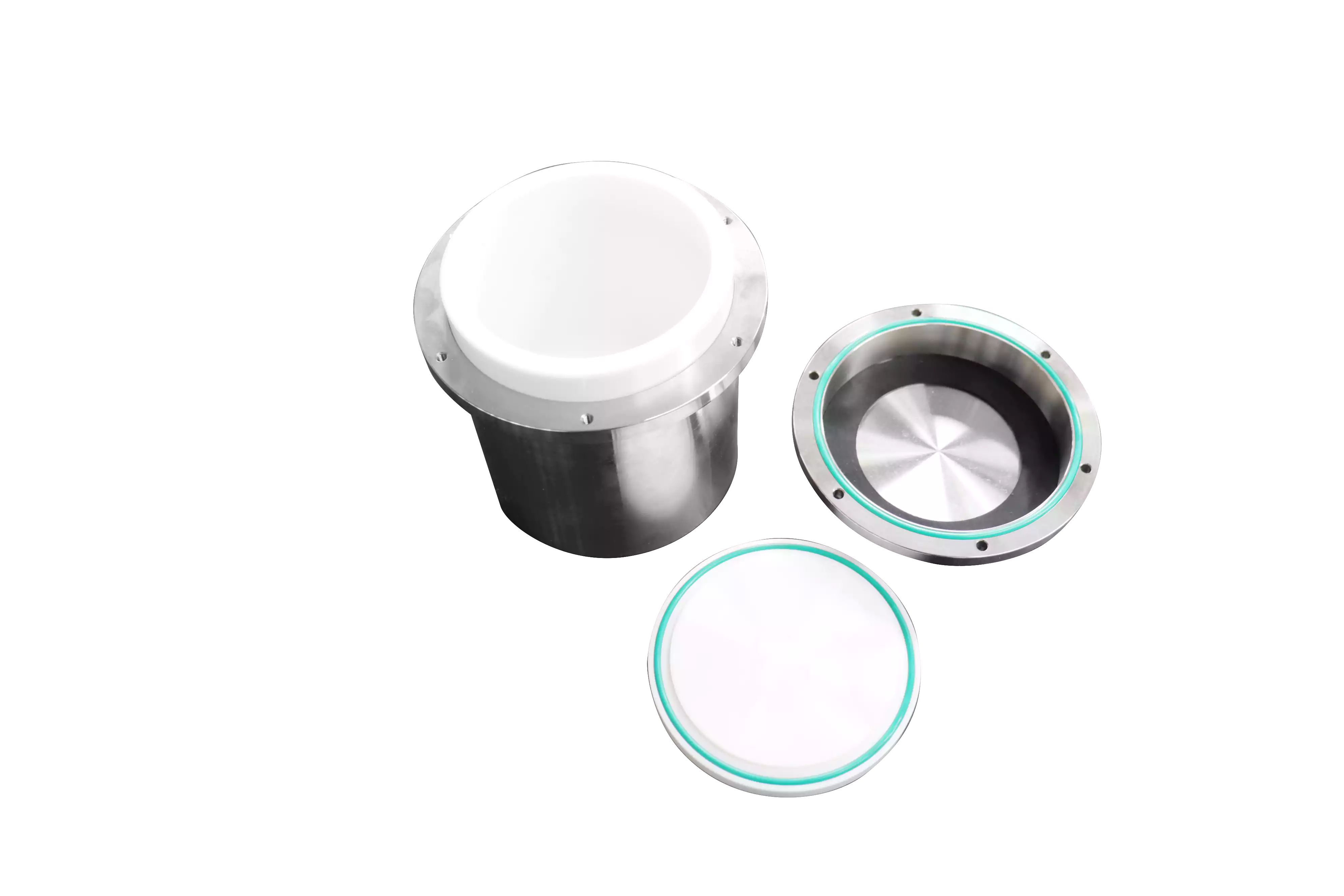
304 Stainless Steel Lined with Zirconia Mill Jar: A Practical Grinding Guide

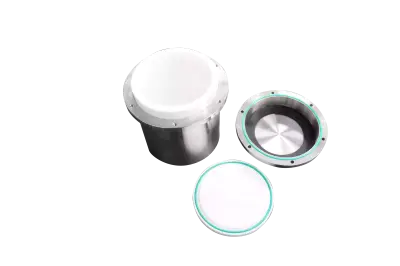
If you have ever opened a ball mill jar after a long run and found a grey smear where your sample should be, you already know why jar construction matters. Grinding is not just about turning powder into finer powder. It is also about what the powder touches while it is being hit, rubbed, and pressed between moving media. The 304 stainless steel lined with zirconia mill jar from TENCAN is designed around that concern: a stainless steel body outside, a zirconia working surface inside, and a clear separation between the structure that holds the jar together and the surface that meets your sample.
What “304 stainless steel lined with zirconia” actually means
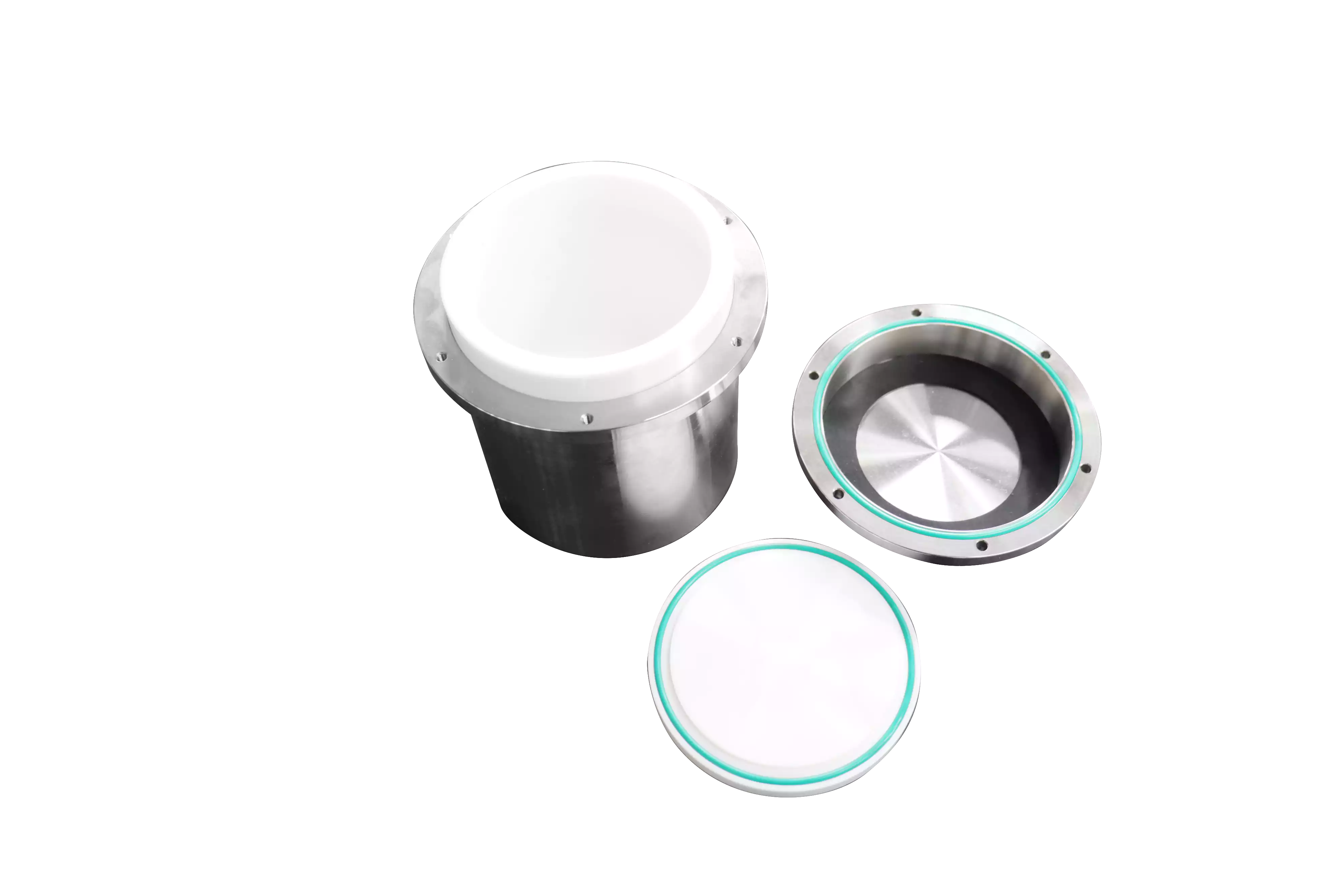
Read the name slowly and it tells you most of the story. “304 stainless steel” is the outer shell—the part that gives the jar its shape, threads, and mechanical backbone. “Lined with zirconia” is the inner surface that touches your powder. Zirconia is a ceramic material; in this jar, it forms the working face that faces the grinding charge. The product name is not a full datasheet, and we should not treat it as one. But it does tell you which material is doing which job, and that is the right place to start.
304 stainless steel is the structural shell
304 stainless steel is the structural shell. It is the part you see from the outside, the part that carries the threads, and the part that takes the clamping force when the jar is seated in a mill. In everyday use, the shell is what gives the jar its shape and handles the rough side of lab life: lifting, tightening, loosening, and setting down on a bench. A stainless steel body is a practical choice when you want a robust metal exterior around a ceramic working surface. The exact grade, dimensions, and mechanical limits should come from TENCAN’s current product information, not from a guess based on the name.
Zirconia is the sample-contact surface
The word “lined” is the important one. The zirconia is not there to make the jar look fancy. It is the sample-contact surface, the face that sits between your powder and the rest of the jar. When you clean the jar, you are mostly caring for this face. When you inspect for wear, you are looking at this face. When you think about what your sample touches during grinding, this is the surface that matters. A ceramic lining gives the jar a working face that is different from the steel shell, and that difference is the whole point of the design.
Why combine two materials?
A grinding jar has two jobs at once. It must survive the mechanical side of milling, and it must present a sensible surface to the sample. Steel is a practical structural material; zirconia is a practical sample-contact material. Putting them together lets each part handle the job it does best. Think of a quality pan: the body gives it strength, while the cooking surface decides what the food actually touches. Here, the “cooking surface” is zirconia, and the “pan body” is 304 stainless steel.
Where this jar fits in real grinding work
This is a planetary ball mill jar, so it belongs in lab work where small jars, high energy, and repeatable sample preparation matter. A planetary mill moves jars in a way that creates strong impacts and friction inside the jar. That makes jar choice more than a matter of volume. The jar has to fit the mill, hold the media, accept the sample load, and survive the way you plan to run it. You might use a jar like this for brittle minerals, ceramics, glass, catalysts, or other hard samples that need fine grinding. The exact fit depends on your mill, jar size, sample load, and target fineness, so confirm the current specification with TENCAN before you order.
Match the jar to the mill before anything else
Match the jar to the mill before anything else. A jar that looks similar on a bench can still be wrong for your machine. Check the clamping system, the jar seat, and the recommended operating envelope. Do not assume that a jar that fits one planetary mill will fit another. The cost of a poor fit is not just inconvenience; it can be a safety issue, a damage issue, or a result that never becomes repeatable. If you are unsure, send TENCAN the mill details and ask for confirmation.
Match the grinding media to the job
Then match the grinding media to the job. The jar is the container; the media do the hitting. Media size, media density, and the number of balls all change the energy that reaches the sample. Too little media and the grind may drag; too much media and the jar may feel crowded, with less room for the sample to move. The right load depends on your sample and your target fineness. Start with a sensible starting point from your method or from TENCAN’s guidance, then adjust with records rather than guesses.
What to confirm with TENCAN
Because the product name does not carry the numbers, ask for the current details that matter for your setup. Confirm the jar volume and dimensions, the mill fit, the recommended operating limits, the available accessories, and the cleaning guidance. Ask what to inspect before the first run and what to watch over time. These are not annoying questions; they are the questions that turn a jar from a catalogue item into a tool you can trust.
What this construction gives you in practice
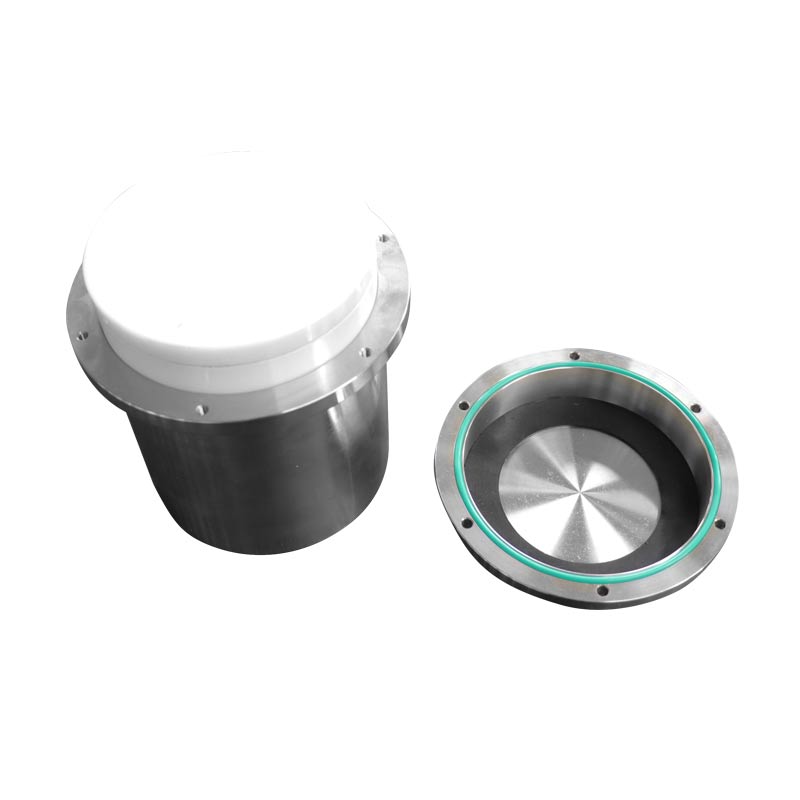
The practical value of the lined design is separation. You have a metal body for structure and a ceramic face for sample contact. That split makes the jar easier to think about. You are not guessing which surface is the working surface. You can inspect the lining for chips or worn spots, and you can inspect the shell for dents or thread damage. You can clean the contact face with the care it deserves while still handling the jar as a sturdy piece of lab equipment.
That separation also helps with sample handling. When a jar is easy to understand, it is easier to use consistently. You know where the sample sits, what it touches, and where wear is likely to show up first. You can build a small routine around the jar: check it, clean it, dry it, store it, and note anything unusual. None of that is glamorous. Good grinding rarely is. But those small habits are what keep a jar useful.
Cleanability and cross-contamination control
Cleaning is where many grinding problems start. A jar that is hard to clean encourages shortcuts, and shortcuts lead to carryover. The zirconia face should be cleaned with methods that suit both the material and your lab rules. Avoid sharp metal scrapers that can chip a ceramic edge. Use soft brushes, suitable cleaning agents, and enough rinsing to remove residue. Dry the jar fully before storage. If your sample is sensitive to moisture or residue, treat drying as part of the cleaning step, not an afterthought.
Repeatability and record keeping
Keep records. Note the sample type, the media, the run time, the jar used, and any change in the jar surface. If a result shifts, those notes help you separate a sample problem from a jar problem. They also help you decide when a lining has reached the end of its useful life. A jar is not a black box. It is a part of the experiment, and the better you track it, the more repeatable your work becomes.
Care, cleaning, and storage habits that protect the lining
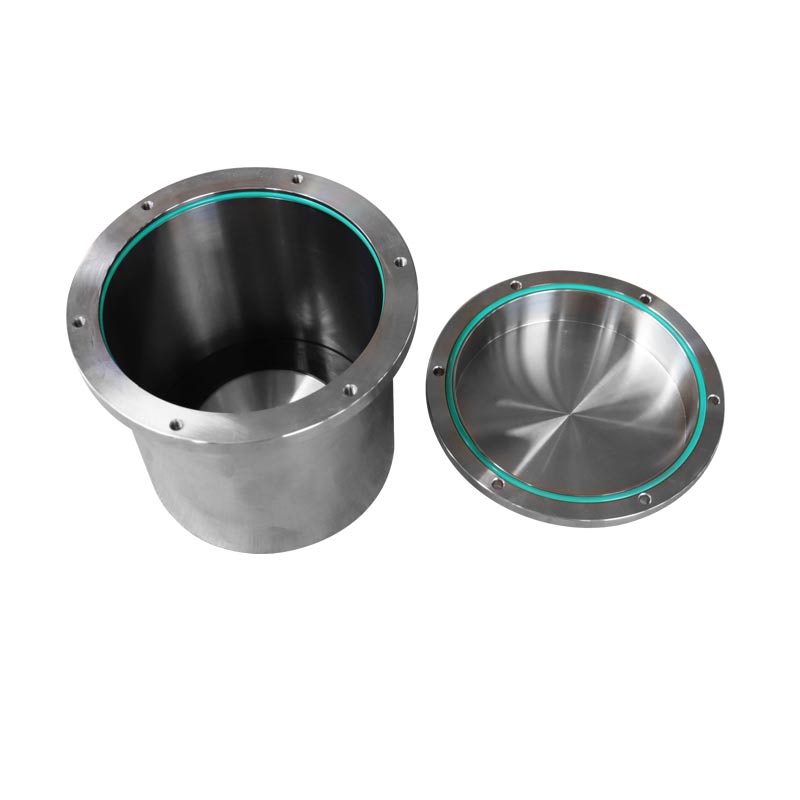
Treat the zirconia lining like a working surface, not armour plate. It is there to do a job, so it will show signs of use over time. The goal is not to keep it looking new forever. The goal is to notice change before it becomes a contamination question. Avoid sharp impacts, avoid scraping the face with hard metal tools, and avoid using the jar as a general-purpose container for things it was not meant to hold. Keep the threads and sealing surfaces clean; grit caught there can cause clamping problems long before the lining itself gives trouble.
Cleaning without damaging the working surface
Start with your lab’s cleaning rules and then apply some common sense. Use a soft brush or a method that will not scratch or chip the ceramic face. If soaking is allowed for your sample and your jar, soak long enough to soften residue instead of attacking it with force. Rinse carefully, and dry fully. Pay attention to the corners and the sealing area. A clean jar is easier to inspect, and inspection is where you catch small issues early.
Inspection and storage
Inspect the jar before and after runs. Look at the lining for chips, cracks, worn spots, or a change in surface appearance. Look at the shell for dents, thread damage, or signs that the jar has been dropped. Check that the lid and sealing surfaces are clean and undamaged. If something looks wrong, stop and ask TENCAN for advice. That is cheaper than rerunning an experiment because the jar was past its best.
Store the jar with a little care. Keep it dry, keep it clean, and protect the lining from knocks. If your setup allows it, store the lid separately or with a soft barrier so the sealing area is not under unnecessary pressure. Small habits add up: do not drop the jar, do not overtighten it, and do not use it as a hammer. A lined jar is a precision tool dressed as a sturdy container.
What a lined jar does not do for you
A lined jar is not a magic fix for a poorly matched grinding method. It will not correct a mill that is running outside its recommended envelope, a media load that is far too heavy, or a cleaning routine that leaves residue behind. It will not tell you when the lining is worn unless you inspect it. It will not replace a datasheet, a method, or a bit of common sense. What it can do is give you a clear sample-contact surface and a structure that makes sense. That is valuable, but it is not the same as automatic success.
The lining is a working surface, not a shield
It is easy to talk about a ceramic lining as if it were indestructible. It is not. It is a working surface, and working surfaces wear. The point is to know where wear is happening and what it means. A small change in appearance may be normal; a chip or crack is a reason to stop and ask. Do not wait until a surface problem shows up in your results. Inspect early, inspect often, and keep the inspection simple enough that you will actually do it.
The datasheet still matters
The product name tells you the material concept. It does not tell you the jar volume, the dimensions, the recommended operating limits, or the cleaning instructions for your specific setup. Those details belong in the current product information. Use the product page, ask TENCAN for confirmation, and write the important details into your lab notes. A good jar deserves a good specification trail.
Common mistakes to avoid with a lined mill jar
The first mistake is treating the jar as a bucket. It is a precision container that has to fit a mill, hold media, and present a clean contact surface. The second is cleaning with whatever is closest at hand. A hard scraper can do damage that a soft brush would never do. The third is skipping inspection because the jar still looks fine from the outside. The lining is inside; that is where the important wear shows up. The fourth is changing too many variables at once. If you change the jar, the media, the load, and the run time together, you will not know what caused the result.
A simple pre-run habit
Before a run, take thirty seconds to check the jar. Look at the lining. Check the lid and threads. Make sure the jar is clean and dry. Confirm that the media and sample load are what you intended. After the run, do a quick check again and note anything unusual. This is not bureaucracy. It is how you catch a small problem before it becomes a lost experiment.
A practical buying checklist for a lined mill jar
Buying a jar is not only about volume. Start with fit, then sample contact, then cleaning, then support. A jar that does not fit your mill is not a bargain. A jar that is hard to clean will cost you time. A jar with no clear specification is a risk. Use the product page as a starting point, then confirm the details that matter for your work.
Questions worth asking before you order
Before you order, have clear answers to a few practical questions. What mill will the jar run in? What volume and sample load do you need? What media will you use? What cleaning method does your lab allow? What will you inspect, and how often? What support is available if something looks wrong? These questions are simple, but they keep a purchase from becoming a surprise.
Look at the total cost, not only the price
Look beyond the purchase price. A jar is a tool and, over time, a consumable. Cleaning time, inspection time, repeat runs, and replacement all belong in the real cost. A jar that is easy to handle and easy to inspect can be cheaper in the long run than a jar that saves a little at checkout and costs you a week of unclear results. That is not a reason to overbuy. It is a reason to buy with your eyes open.
Why TENCAN’s lined jar is worth a closer look
The 304 stainless steel lined with zirconia mill jar is a focused piece of lab equipment. It does not try to be every jar for every job. It puts steel where you need structure and zirconia where you need a sample-contact surface. For buyers who want a clear, practical grinding jar rather than a mystery metal box, that logic is easy to follow. TENCAN supplies this jar for planetary ball milling work, and the product page is the right place to confirm the current details for your mill.
Good grinding is often quiet. The jar sits in the mill, the media do their work, and the sample comes out closer to what you intended. A lined jar supports that quiet work by giving you a sensible structure, a defined contact surface, and a clear set of habits to maintain. Check the fit, protect the lining, keep records, and ask TENCAN when you need the current specification. That is how a simple jar becomes a reliable part of your process.
Related Products
Get In Touch
Our professional team will reply to you within one business day. Please feel free to contact us!