
Four Station Jar Mill: Your Ultimate Lab Milling Workhorse

What Is a Four Station Jar Mill?
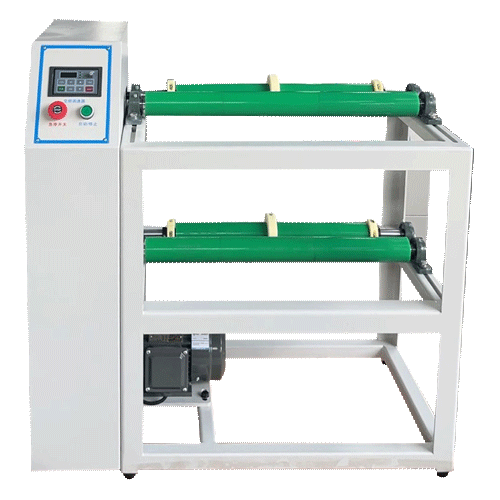
Imagine a machine that can grind, mix, and homogenize four different powder samples simultaneously — all in one compact, easy-to-use package. That's exactly what a four station jar mill does. It's a type of drum ball mill designed for laboratory and small-scale production, where efficiency and simplicity matter most.
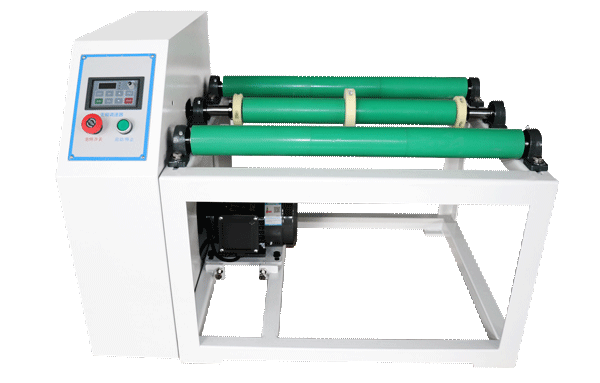
In essence, it's a roller mill that holds up to four cylindrical jars (often made of ceramic, stainless steel, or agate) on a set of rotating rods. As the rods turn, the jars rotate, causing the grinding balls inside to tumble and collide with the material, gradually reducing particle size.
Unlike its high-energy cousin, the planetary ball mill, the four station jar mill operates on a gentler but still highly effective principle — ideal for materials that require moderate grinding energy or repetitive processing without excessive heat generation.
How Does a Four Station Jar Mill Work?
Let's take a peek under the hood. The core mechanism is deceptively simple:
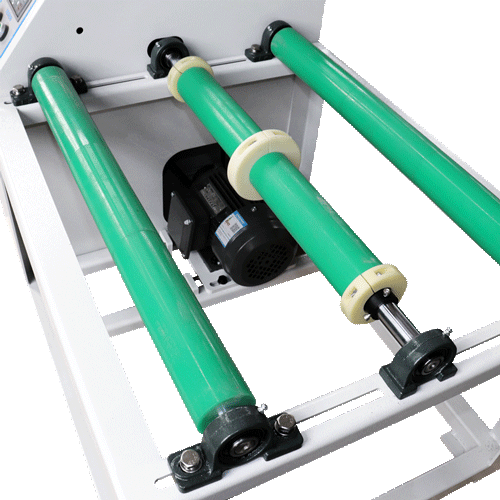
- Roller rotation: A motor drives a set of parallel rollers (usually two per station). The jars sit on these rollers and rotate at a controlled speed, typically between 50 and 300 RPM.
- Jar movement: As the rollers spin, friction causes the jar to turn. The grinding balls inside are lifted by the jar wall and then fall under gravity, creating a cascading motion that crushes and shears the powder.
- Mixing action: Because the jar rotates continuously, the material is constantly turned over, ensuring uniform mixing and grinding across the entire batch.
This design offers several advantages: no complex gearing, easy maintenance, and the ability to run multiple jars at once for parallel processing. Compare this with a planetary ball mill, where jars both revolve and rotate, generating much higher impact forces — but also more heat and noise.
Key Technical Specifications You Should Know
When choosing a four station jar mill, these parameters matter most. Here's a typical spec sheet you'd expect from a quality model, like those offered by Changsha Tianchuang Powder Technology Co., Ltd. (TENCAN):
| Parameter | Typical Value |
|---|---|
| Number of working stations | 4 |
| Jar capacity (per jar) | 0.5 L, 1 L, 2 L, 3 L, 5 L (optional) |
| Roller speed range | 50 – 300 RPM (adjustable) |
| Feed particle size | ≤ 10 mm (soil), ≤ 3 mm (other) |
| Final fineness | Down to 0.1 micron (100 nm) |
| Control method | Digital timer, variable speed |
| Motor power | 0.37 kW – 0.75 kW (depending on model) |
| Power supply | 220 V, 50 Hz (customizable) |
Note: The actual fineness depends on material properties, grinding ball size, speed, and duration. For extremely hard substances, you may achieve sub-micron particles with extended milling time.
Applications: Where Does It Shine?
The four station jar mill is a workhorse in many fields:
- Materials research: Grinding ceramics, oxides, carbides, and metals for powder synthesis.
- Pharmaceutical and chemical: Mixing active ingredients, coating powders, and preparing suspensions.
- Geology and mining: Pulverizing rock samples for XRF, XRD, or chemical analysis.
- Food and agriculture: Processing grains, spices, and plant materials into fine powders.
- Environment: Preparing soil, sediment, or waste samples for contamination testing.
Because it can run four jars at once, it's perfect for batch comparisons or parallel processing of different formulations. You can save hours of time compared to single-jar mills.
Four Station vs. Planetary Ball Mill: Which One Do You Need?
It's a common dilemma. Both are lab mills, but they serve different needs.
Planetary ball mills (like the 0.4L planetary ball mill) generate extremely high centrifugal forces, enabling rapid grinding to nanometer sizes. They're ideal for hard, brittle materials and mechanical alloying. However, they can be noisy, generate heat, and require more careful balancing.
Four station jar mills offer a quieter, cooler, and more straightforward operation. They're better suited for longer grinding sessions, temperature-sensitive materials, and when you need to run multiple batches simultaneously. The trade-off is lower energy intensity — but for many lab tasks, that's perfectly adequate.
To put it simply: if you need super-fine grinding in minutes and can handle a bit of vibration, go planetary. If you value parallel processing, ease of use, and gentle grinding, choose the four station jar mill.
Tips for Getting the Best Results
Here are a few practical pointers from experienced users:
- Choose the right jar material: Alumina ceramic is great for wear resistance and low contamination. Stainless steel is stronger but may introduce iron in some cases. Agate is ideal for ultra-pure grinding.
- Use appropriate ball-to-powder ratio: A common starting point is 10:1 by weight. Adjust based on material hardness and desired fineness.
- Don't overfill the jar: Leave about one-third of the jar volume empty to allow proper ball movement. Filling above two-thirds reduces grinding efficiency.
- Control speed carefully: Too slow, and balls won't cascade. Too fast, and they stick to the wall due to centrifugal force. A good starting speed is around 150–200 RPM for a typical 1 L jar.
- Use wet grinding when needed: Add a liquid (water, ethanol, or organic solvent) to reduce dust, prevent agglomeration, and achieve finer particles.
- Consider sequential milling: Run for 30 minutes, take a break, then continue. This prevents overheating and prolongs jar life.
You might also want to check out related models like the two station jar mill for smaller throughput or the 8 station jar mill for higher volume.
Why Choose a Jar Mill from TENCAN?
When you invest in a four station jar mill, reliability and after-sales support are critical. Changsha Tianchuang Powder Technology Co., Ltd. (TENCAN) has been manufacturing high-quality powder processing equipment for over a decade. Their drum ball mills are known for:
- Robust construction with durable rollers and bearings
- Precise speed control via digital inverter
- Safety features like emergency stop and overload protection
- Customizable options: different jar materials, sizes, and roller materials
- Worldwide shipping and responsive technical support
Whether you're setting up a new lab or upgrading your existing equipment, the four station jar mill offers a perfect balance of performance, capacity, and value. It's a tool you'll reach for again and again.
Conclusion
The four station jar mill is more than just a simple grinder. It's a versatile lab companion for material processing, from routine sample prep to experimental formulation. Its straightforward design, parallel processing capability, and gentle yet effective grinding action make it an indispensable tool for researchers, quality control labs, and small-scale producers.
If you're still uncertain, reach out to TENCAN for expert advice. They can help match the right mill to your specific material and operating conditions. Happy milling!
Related Products
お問い合わせ
当社の専門チームが1営業日以内に返信します。お気軽にお問い合わせください。