

What is a Vertical Production Planetary Ball Mill? A High-Throughput Milling Equipment for Industrial-Scale Fine Grinding and Nano-Material Production
What is a Vertical Production Planetary Ball Mill?
At its core, a vertical production planetary ball mill is a specialized high-energy milling device that industries such as mining, ceramics, chemicals, and advanced materials use to continuously grind large volumes of solid materials into fine powders or even nano-scale particles. Unlike laboratory-scale planetary mills, this vertical production model is engineered for continuous operation with enhanced throughput, robust construction, and automated control, making it ideal for pilot-scale and full-scale production lines.
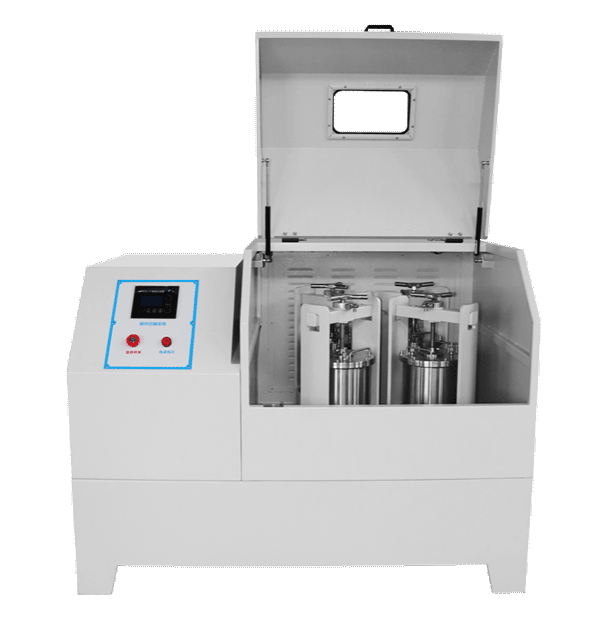
Core Function and Working Principle
The fundamental function of a vertical production planetary ball mill is to transform coarse feed material (typically particles up to 10 mm) into fine or ultra-fine powders (down to 0.1 micron or less) through mechanical impact, friction, and shear. The key innovation lies in its planetary motion design: the grinding jars are mounted on a rotating turntable (the sun wheel) which revolves around a central axis, while each jar simultaneously rotates around its own axis in the opposite direction. This creates a complex three-dimensional motion that generates high centrifugal forces — often exceeding 20 g — causing the grinding balls inside the jars to collide violently with the material and with each other.
The process can be performed dry or wet, and the final particle size is controlled by adjusting parameters such as rotational speed, grinding time, ball-to-material ratio, and the size and material of the grinding media. The vertical configuration offers advantages in terms of space efficiency, ease of loading/unloading, and better heat dissipation compared to horizontal mills. The production model typically incorporates a heavy-duty frame, a powerful motor, and a programmable control system to ensure consistent quality across batches.
Main Types and Classification
While the vertical production planetary ball mill is a specific category, it can be further divided based on design features and application requirements:
Standard Vertical Production Mill
This is the baseline model with a fixed rotation speed ratio (typically 1:2 between sun wheel and jar) and a jar capacity ranging from a few liters to tens of liters. It is suitable for general-purpose grinding of materials like minerals, ores, and ceramics.
Full-Directional (360°) Vertical Production Mill
Also known as a heavy-duty full-directional planetary ball mill, this variant allows the entire grinding platform to rotate 360°, enabling more uniform stressing of the material and preventing sedimentation. It is especially useful for processing high-density or viscous slurries.
Dual Planetary Ball Mill
This design employs two sets of sun wheels and jars working in tandem, effectively doubling the throughput without significantly increasing the footprint. It is ideal for large-scale continuous production where space is limited.
Specialized Variants
For extreme applications, manufacturers offer customized versions such as cryogenic planetary mills (with liquid nitrogen cooling for heat-sensitive materials) and ultrasonic-assisted mills that combine mechanical milling with ultrasonic cavitation for enhanced dispersion and deagglomeration.
Key Performance Indicators and Selection Criteria
When selecting a vertical production planetary ball mill, buyers should evaluate the following critical parameters:
Processing Capacity and Throughput
Production models are rated by the total volume of grinding jars (e.g., 4 L, 10 L, 20 L per jar) and the number of jars (typically 2 or 4). The actual throughput depends on the material properties and desired fineness. For continuous operation, consider the feed rate and discharge mechanism.
Grinding Fineness and Particle Size Control
The mill should be capable of achieving the target particle size distribution (e.g., D50 < 1 micron). Look for models with adjustable speed ranges (up to 800 rpm or higher) and programmable timing to fine-tune the process. The use of advanced jar materials (e.g., zirconia, agate, tungsten carbide) can reduce contamination.
Energy Efficiency and Power Consumption
High-energy mills consume significant power. Compare the specific energy consumption (kWh per kg of product) and the motor power rating (typically 0.75 kW to several kW for production models). Variable frequency drives (VFD) can optimize energy use.
Automation and Control
Modern production mills feature touch-screen control panels with programmable recipes, data logging, and safety interlocks. Some models offer remote monitoring and integration with production line management systems. This is crucial for repeatable quality and compliance with ISO/CE standards.
Maintenance and Durability
The mill should be built with a robust steel frame, sealed bearings, and easy-to-replace wear parts. Check the warranty period (typically 1 year) and the availability of spare parts. The ability to quickly change jars and grinding media reduces downtime.
Application Areas and Selection Advice
Vertical production planetary ball mills are widely used in:
- Mining and Metallurgy: grinding ores, coal, and slags for mineral liberation.
- Ceramics and Glass: fine grinding of frits, glazes, and ceramic powders.
- Chemicals and Pharmaceuticals: milling pigments, dyes, API powders, and catalysts.
- Advanced Materials: producing nano-powders for batteries, electronics, and composites.
- Geology and Environmental Science: soil sample preparation for analysis.
For users transitioning from laboratory to production, the vertical production planetary ball mill offers a scalable solution. Start with a small-capacity model (e.g., 4 L total) to validate the process, then scale up to larger units. For materials that are heat-sensitive or prone to oxidation, consider a cryogenic or vacuum-capable version. Always choose a mill from a reputable manufacturer with proven after-sales support, such as TENCAN's vertical production planetary ball mill, which offers a wide range of accessories and customization options.
References
Related Products
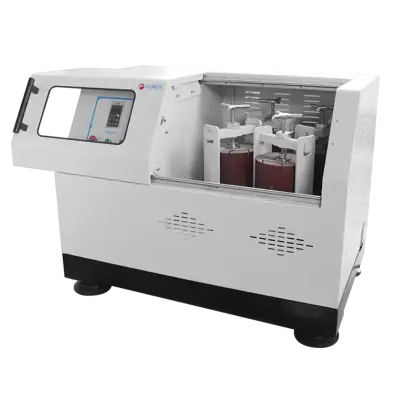
XQM-20 20L Vertical Production Planetary Ball Mill
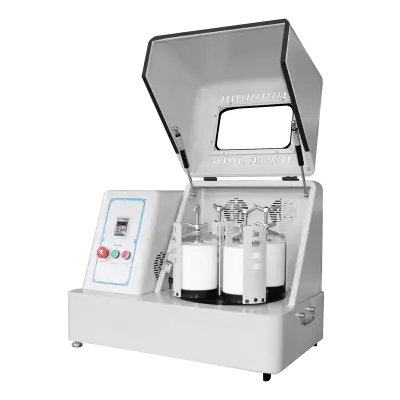
Laboratory planetary grinder
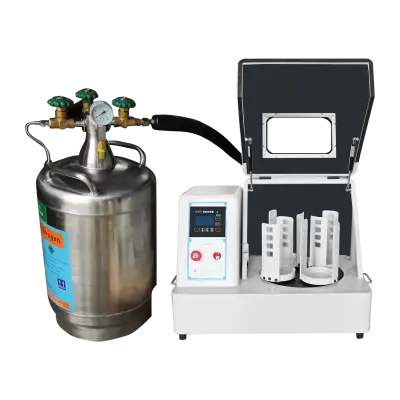
Liquid Nitrogen Planetary Ball Mill
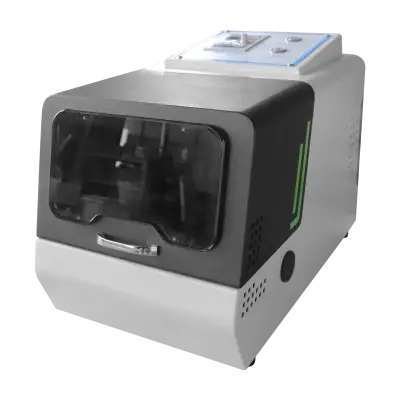
Micro Planetary Ball Mill
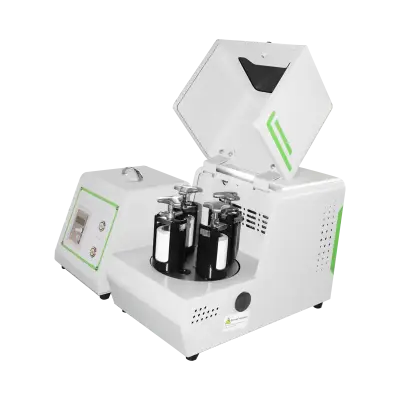
Micro Planetary Ball Mill
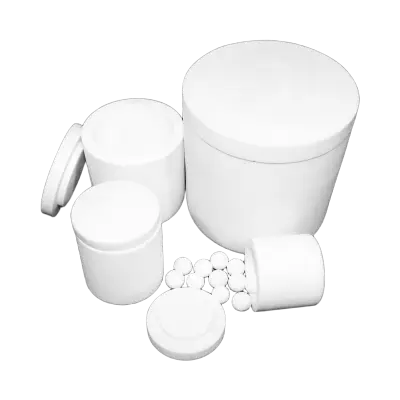
A grade Corundum planetary Mill Jar
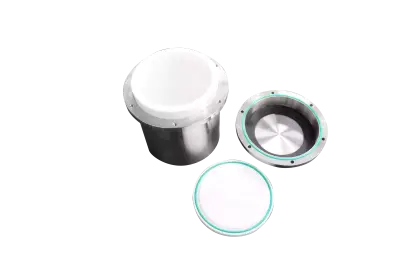
304 stainless steel lined with zirconia mill jar
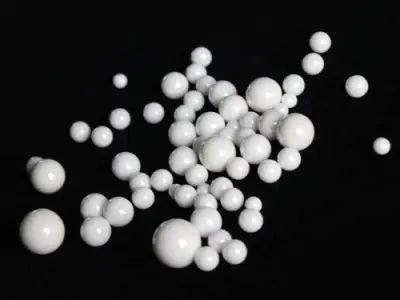
Zirconia grinding ball
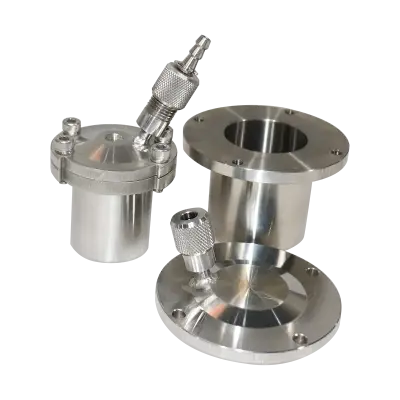
vacuum planetary mill jar
Get In Touch
Our professional team will reply to you within one business day. Please feel free to contact us!