

What is a Light-Duty Roll Ball Mill? A Versatile Grinding Equipment for Laboratory and Small-Scale Powder Processing
Introduction
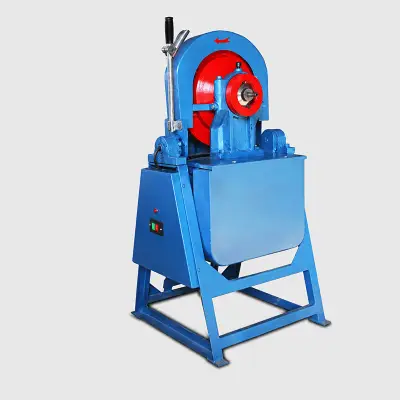
At its core, a light-duty roll ball mill is a specialized benchtop grinding equipment designed for laboratories, research institutions, and small-scale production facilities to finely grind, mix, and homogenize powders and granular materials. Unlike heavy industrial mills, this compact device uses a rotating roller mechanism to rotate a milling jar (or multiple jars) containing grinding media and the material to be processed. It is particularly valued for its simplicity, low noise, and ability to handle small batches of materials with controlled particle size reduction.
Core Function and Working Principle
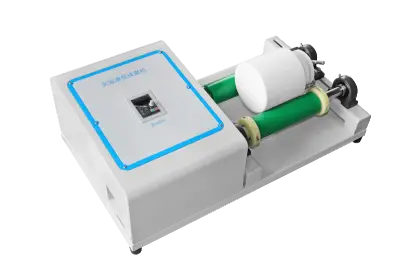
The light-duty roll ball mill transforms coarse or granular materials into fine powders through the combined action of friction and impact. The equipment consists of one or more horizontal rollers (typically two or three) that rotate at a controllable speed. A cylindrical jar (commonly made of ceramic, stainless steel, agate, or nylon) is placed on the rollers. As the rollers turn, the jar rotates due to friction, causing the grinding media inside—such as steel balls, ceramic beads, or zirconia balls—to cascade and tumble. The resulting mechanical forces break down the material particles into finer sizes.
Key process parameters include roller speed, grinding time, media-to-material ratio, and jar material. The rotational speed is usually set between 60% and 75% of the critical speed to avoid centrifugation, ensuring efficient grinding. The light-duty design typically accommodates jar volumes from 0.5 L to 10 L, making it ideal for small batches. The mill can be used for both dry and wet grinding, with the ability to seal the jar to prevent contamination or evaporation.
Core Components and Key Technologies
Roller Bed and Drive System
The roller bed supports the milling jar and provides stable rotation. The drive system typically includes a variable-frequency motor to adjust the rotational speed precisely, allowing the operator to optimize the grinding process for different materials.
Milling Jars
Light-duty roll ball mills are compatible with a variety of jar materials. Common options include:
- Stainless steel jars: durable and suitable for most materials, but may introduce iron contamination.
- Ceramic (alumina) jars: high wear resistance and low contamination for ceramic and oxide materials.
- Agate jars: extremely low contamination, ideal for high-purity grinding.
- Nylon or PTFE jars: chemically inert, suitable for reactive or corrosive materials.
Grinding Media
The choice of grinding balls (steel, zirconia, agate, etc.) directly affects grinding efficiency and contamination levels. Light-duty mills often use balls with diameters ranging from 3 mm to 20 mm.
Key Performance Indicators and Selection Criteria
When selecting a light-duty roll ball mill, users should consider the following factors:
Processing Capacity and Jar Volume
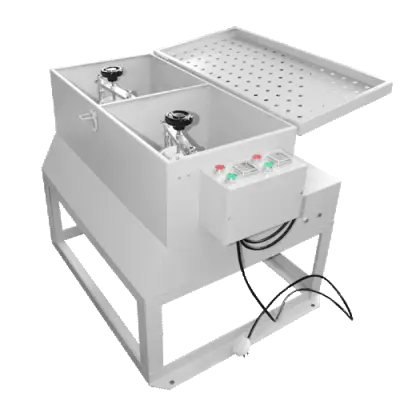
Light-duty mills typically handle batch sizes from a few hundred grams to several kilograms. The maximum jar capacity and number of working stations (e.g., 2, 4, or 8 stations) determine throughput. For example, the Light-duty roll ball mill from TENCAN can be configured with multiple jars for simultaneous grinding.
Particle Size Control
The achievable fineness depends on the jar material, grinding media, and duration. Typical final particle sizes range from 10 microns to 100 microns. For ultra-fine grinding, longer times or higher energy input may be required.
Energy Efficiency and Noise
Light-duty roll ball mills are designed for low power consumption (usually 0.25 kW to 1.5 kW) and quiet operation, making them suitable for shared laboratory environments.
Automation and Programmability
Many models offer digital timers, speed control, and even programmable grinding cycles. Advanced units may include a timer for automatic shutdown and reversing function to prevent material caking.
Maintenance
These mills require minimal maintenance. The main components are the rollers and bearings, which should be periodically lubricated. The jars are easy to clean and replace.
Application Fields and Selection Advice
The light-duty roll ball mill is widely used in:
- Material research: for preparing small batches of ceramic powders, metal powders, and composite materials.
- Geology and mining: for grinding ore samples in mineral analysis.
- Chemical and pharmaceutical: for mixing and grinding of active ingredients and excipients.
- Battery material preparation: for producing electrode materials such as lithium cobalt oxide and graphite.
- Food and confectionery: for small-scale chocolate refining (though specialized chocolate ball mills are more common).
For laboratory users who need to process multiple samples simultaneously, a multi-station roll ball mill (e.g., 4 or 8 stations) is recommended. For users requiring contamination-free grinding, agate or zirconia jars and media are ideal. For general-purpose grinding, ceramic jars with steel balls offer a cost-effective solution.
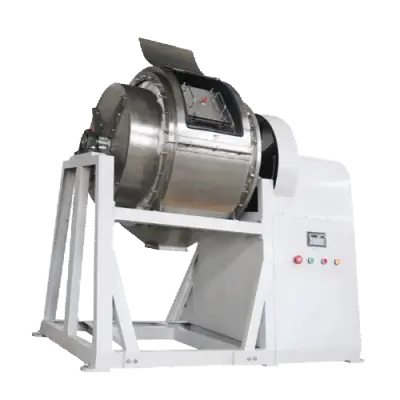
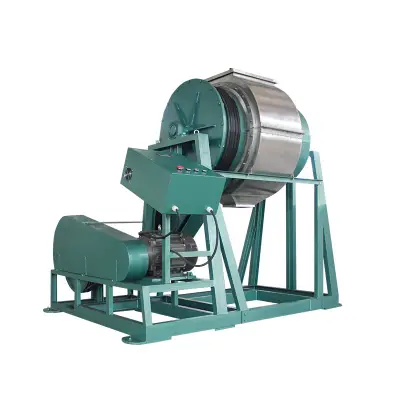
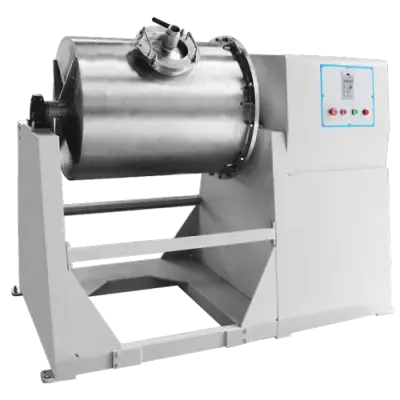
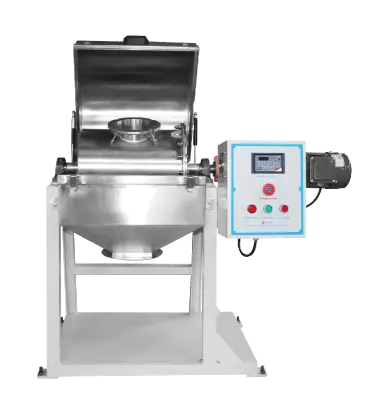
For more information on other roll ball mill variants, you can explore the lab roll ball mill or the large roll ball mill for higher throughput needs.
References
Related Products
Get In Touch
Our professional team will reply to you within one business day. Please feel free to contact us!