
What is a Lab Sample Grinder Machine? A High-Frequency Vibrating Mill for Rapid Sample Preparation in Laboratories

What is a Lab Sample Grinder Machine?
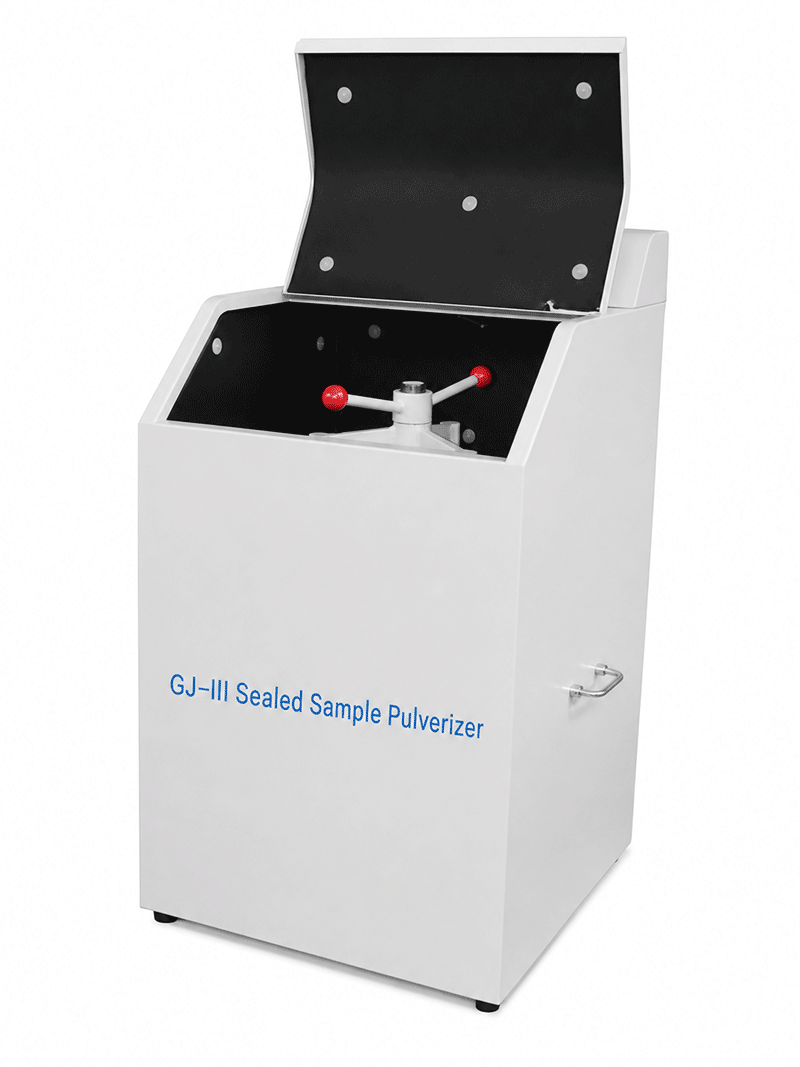
At its core, a lab sample grinder machine is a specialized vibrating ball mill designed to rapidly reduce solid materials into fine powders for analytical testing. It is widely used in research laboratories, quality control departments, and sample preparation stations where quick, reproducible particle size reduction is essential. This compact benchtop device employs high-frequency three-dimensional vibration to drive grinding media (typically hardened steel or ceramic balls) against the sample, achieving fine grinding in minutes.
Core Function and Working Principle
The lab sample grinder transforms coarse materials (e.g., ores, coal, ceramics, or plant materials) into a homogeneous powder suitable for subsequent analysis. The principle is straightforward: a motor drives an eccentric mechanism that generates rapid oscillations (typically 1000–3000 cycles per minute). These vibrations are transmitted to a grinding jar containing the sample and grinding balls. The intense motion causes the balls to impact, shear, and rub against the material, breaking it down into smaller particles.
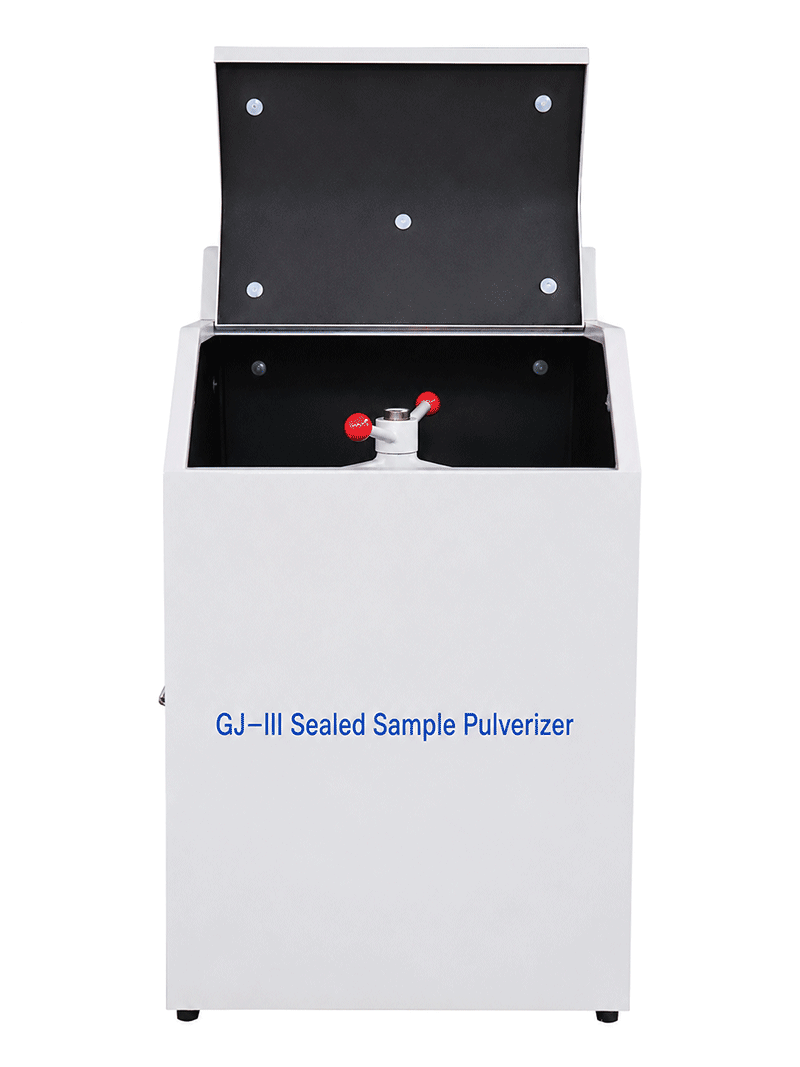
Key parameters affecting grinding efficiency include vibration frequency, amplitude, ball-to-sample ratio, and grinding time. The machine can achieve a final particle size as fine as 1–10 microns, depending on the material properties and operating conditions. Its sealed grinding chamber prevents dust leakage and contamination, making it suitable for processing hazardous or sensitive samples.
Core Components and Key Technologies
Although the lab sample grinder machine is a single product type, it incorporates several critical components:
Grinding Jar
The jar is the working container where the process takes place. It is typically made of stainless steel, agate, or tungsten carbide to resist wear and avoid sample contamination. Jars are available in various capacities (e.g., 50 mL, 100 mL, 250 mL) to suit different batch sizes.
Vibration Mechanism
High-quality machines use a robust eccentric shaft or electromagnetic drive to generate stable, high-frequency vibration. The amplitude is adjustable to accommodate different materials – higher amplitude for coarse grinding, lower for fine polishing.
Control System
Modern lab sample grinders feature digital timers and speed controls, allowing operators to set precise grinding cycles. Some models offer programmable grinding sequences, pause functions, and safety interlocks.
Key Performance Indicators and Selection Tips
When choosing a lab sample grinder, consider the following factors:
- Grinding Capacity: Typically ranges from 10 g to 200 g per batch. Select a jar size matching your typical sample volume.
- Final Fineness: Most machines can achieve <10 μm. For ultra-fine requirements (<1 μm), look for models with higher vibration frequency and special jar materials.
- Noise Level: Since it operates in a lab environment, low noise design (e.g., <70 dB) is important.
- Durability: Check the motor quality and bearing life. A heavy-duty motor ensures long-term reliability.
- Versatility: Some machines support dry grinding, wet grinding, and even cryogenic grinding (using liquid nitrogen).
- Safety Features: Look for emergency stop button, over‑load protection, and secure lid locking.
For routine sample preparation in analytical labs, a standard model with adjustable speed and timer is sufficient. For research involving nanomaterials or hard materials, a higher-energy machine with more robust construction is recommended.
Application Areas and Selection Advice
Lab sample grinder machines are used in:
- Geology and Mining: Pulverizing rock and ore samples for XRF, XRD, or chemical analysis.
- Pharmaceuticals: Homogenizing drug powders and capsules for formulation testing.
- Food and Agriculture: Grinding grains, seeds, and plant materials for nutrient analysis.
- Materials Science: Preparing ceramics, polymers, and composites for mechanical or thermal testing.
For general-purpose labs, a mid-range model with a stainless steel jar and basic controls offers the best value. For specialized applications like high-purity grinding, choose a machine with agate or zirconia jars to avoid metal contamination.
References
Related Products
Get In Touch
Our professional team will reply to you within one business day. Please feel free to contact us!