

What is a Lab Sample Grinder Machine? A High-Efficiency Vibratory Mill for Rapid Fine Grinding of Laboratory Samples
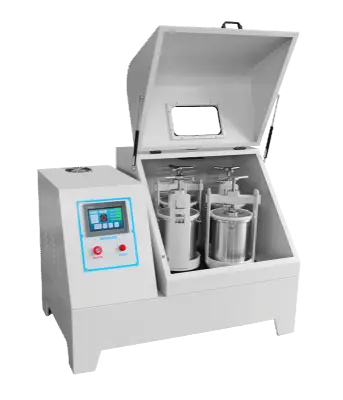
At its core, a lab sample grinder machine, a type of vibration ball mill, is a compact, high-energy milling device specifically engineered for the rapid, fine grinding and homogenization of small laboratory samples. It is used by research labs, quality control departments, and analytical facilities to efficiently prepare materials for testing, reducing particle size from millimeters down to the micron or even sub-micron level, ensuring representative and analysis-ready samples.
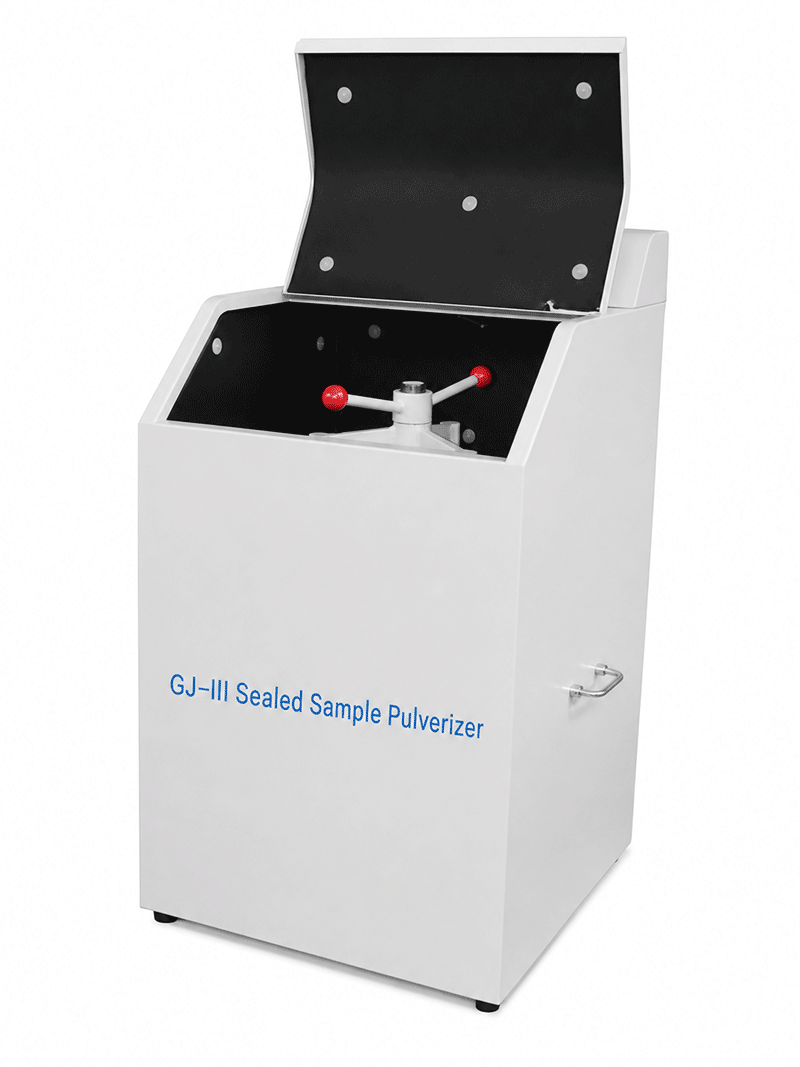
Core Function and Working Principle
The fundamental function of a lab sample grinder machine is to transform bulk or coarse material into a fine, uniform powder. Unlike traditional ball mills that rely on rotational tumbling, this device utilizes high-frequency three-dimensional vibrations. The core mechanism involves a motor that drives an eccentric weight, causing the entire grinding chamber—containing the sample and grinding media (such as balls or rods)—to oscillate at a high speed. This motion subjects the media to intense impact, friction, and shear forces, rapidly breaking down the sample particles. The key parameters include vibration frequency, amplitude, grinding time, and the size and material of the grinding media. For instance, higher frequencies and longer durations yield finer particle sizes. This high-energy, rapid action is particularly effective for hard, brittle, fibrous, and even soft materials, making it a versatile solution for sample preparation.
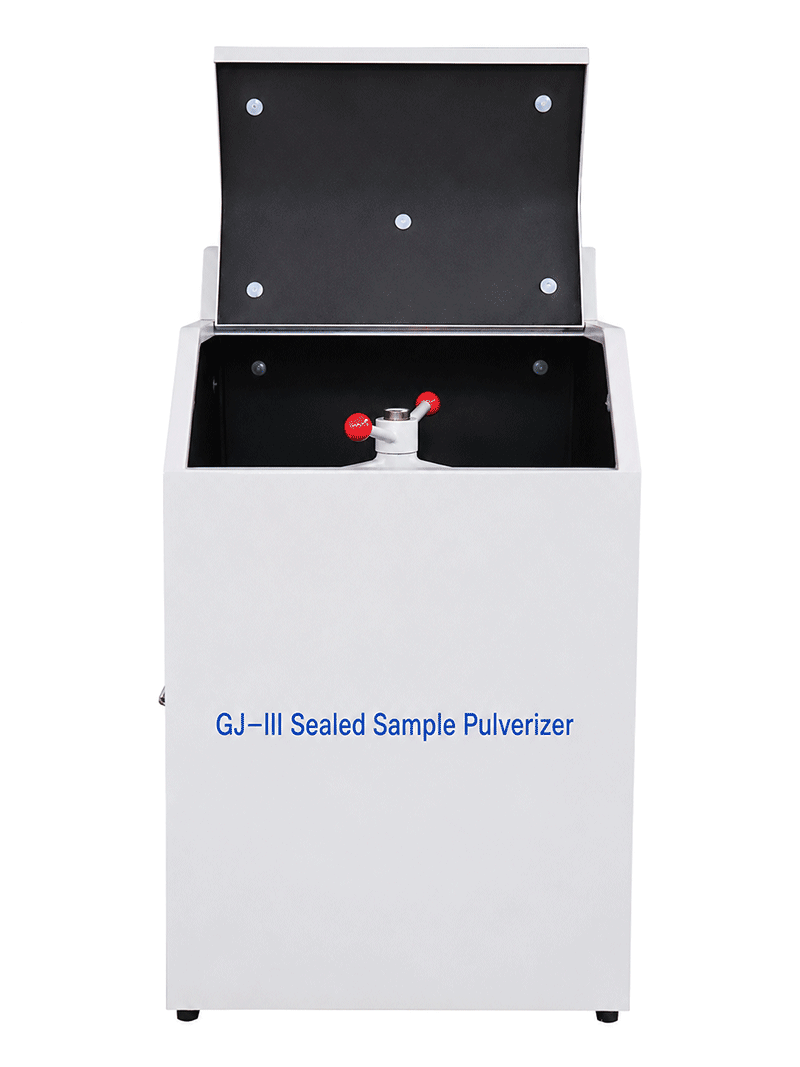
Key Components and Technology
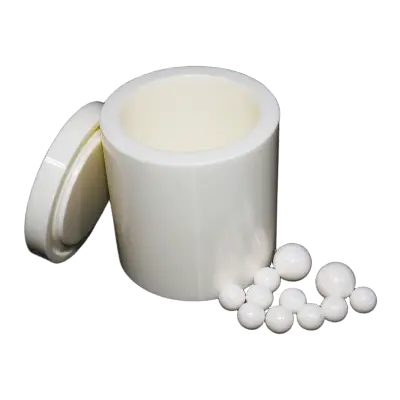
The reliability and performance of a lab sample grinder machine are determined by its key components. The drive system is a robust, high-speed motor that powers the vibration mechanism. The grinding chamber (often made of durable materials like stainless steel) securely holds the sample and media. Grinding media—available in materials like agate, zirconia, stainless steel, and tungsten carbide—are chosen based on the sample's hardness and the desired level of contamination. A critical feature is the enclosed, sealed design which prevents sample loss, dust emission, and cross-contamination, while also significantly reducing noise levels. Many modern models include programmable timers and variable speed controls for precise process repeatability.
Key Performance Indicators and Selection Factors
When choosing a lab sample grinder machine, several key performance indicators should be considered. Grinding fineness is paramount; look for machines that can achieve the required particle size, often down to <10 microns. Processing capacity varies from a few grams to dozens of grams per batch, suitable for lab-scale work. Efficiency and speed are crucial—a good model can grind a sample in a few minutes. Material compatibility is also critical: ensure the available grinding jar and media materials (e.g., agate for silica-free grinding, zirconia for hard materials) are compatible with your samples to avoid metal contamination. Finally, consider ease of cleaning and automation features like digital timers and speed control for process consistency.
Applications and Selection Advice
Lab sample grinder machines are indispensable in a wide range of fields. In geology and mining, they grind ores, rocks, and minerals for XRF and XRD analysis. In pharmaceuticals and chemistry, they prepare powders for dissolution testing and formulation. In materials science, they are used for grinding ceramics, polymers, and composites. For biology and agriculture, they process plant materials, seeds, and tissues. For routine quality control of typical materials, a standard lab vibration ball mill is sufficient. For ultra-hard samples or those requiring the highest purity, choose a model with a tungsten carbide or agate jar. For high-throughput labs, consider models with rapid-locking mechanisms and multiple jar options. Always match the machine’s capabilities to your specific sample type and analytical requirements for optimal performance.
References
Related Products
Get In Touch
Our professional team will reply to you within one business day. Please feel free to contact us!