
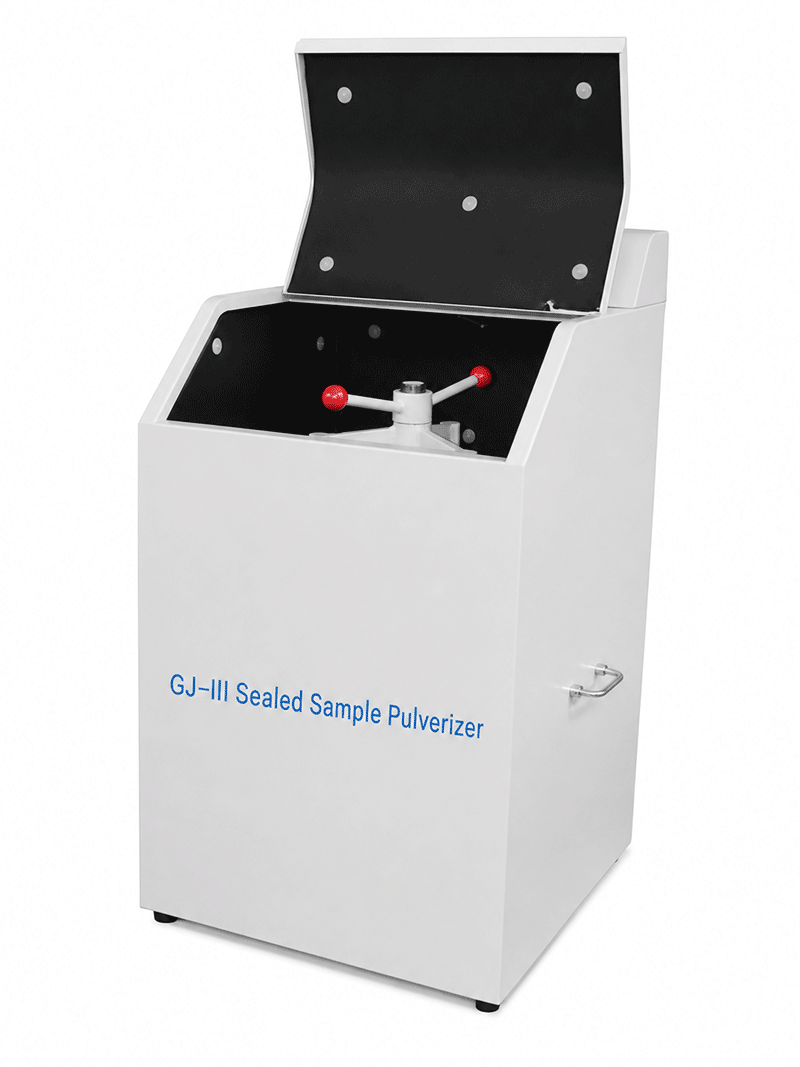
Lab Sample Grinder Machine: The Ultimate Vibration Ball Mill for Efficient Sample Preparation

If you've ever spent hours trying to grind a stubborn ceramic sample or found your planetary mill just too bulky for a quick batch test, you know the pain of sample prep. That's where the Lab Sample Grinder Machine steps in — a compact, high-energy vibration ball mill purpose-built for laboratories that need fast, reliable, and ultra-fine grinding without the fuss.
What Exactly Is a Lab Sample Grinder Machine?
Simply put, it's a type of vibration ball mill designed for laboratory use. Unlike traditional planetary ball mills that rotate around a central axis, this machine uses high-frequency vibrations to agitate the grinding media and sample. The result? Intense impact and friction forces that break down materials fast — often reaching particle sizes below 1 micron within minutes.
Think of it as the sports car of lab mills: small, powerful, and incredibly efficient. It's ideal for researchers and QC labs that grind small batches (typically from a few grams to a few hundred grams) of hard, brittle, or fibrous materials.
How Does It Work? Simple Yet Powerful
The core principle is straightforward: a motor drives an eccentric shaft that makes the grinding container vibrate rapidly in three dimensions — up and down, side to side, and even in a slight circular motion. Inside the container, grinding balls (usually made of stainless steel, agate, zirconia, or tungsten carbide) collide with the sample and each other, creating a cascade of crushing and shearing actions.
This three-dimensional vibration is what sets it apart from simpler shaker mills. It ensures uniform mixing and prevents material from sticking to the walls, so you get consistent results every time.
Key Features That Make a Difference
Ultra-Fine Grinding Capability
With the right milling parameters, the Lab Sample Grinder Machine can reduce particle size down to sub-micron or even nanometer levels. That's essential for advanced material research, such as nano-powders for electronics, catalysts, or pharmaceutical formulations.
Compact & Lightweight Design
Most models comfortably sit on a benchtop and weigh under 30 kg. This portability means you can easily move it between labs or store it when not in use. For example, the Lightweight Vibrating Ball Mill is a popular variant that prioritizes minimal footprint without sacrificing performance.
Adjustable Vibration Frequency & Time
You can control the vibration speed (typically 1000–3000 rpm) and duration (from seconds to hours) to fine-tune the grinding process. This flexibility allows you to switch from gentle mixing to aggressive pulverization in seconds.
Multiple Grinding Container Options
Containers come in various volumes (from 5 ml to 500 ml) and materials — stainless steel, agate, zirconia, PTFE, etc. You can choose the one that matches your sample's hardness and chemical properties, minimizing contamination.
Low Noise & Easy Operation
Unlike jaw crushers or disk mills, the vibration mill operates relatively quietly (often below 70 dB). Most units come with a digital timer and speed controller, so you just set and forget.
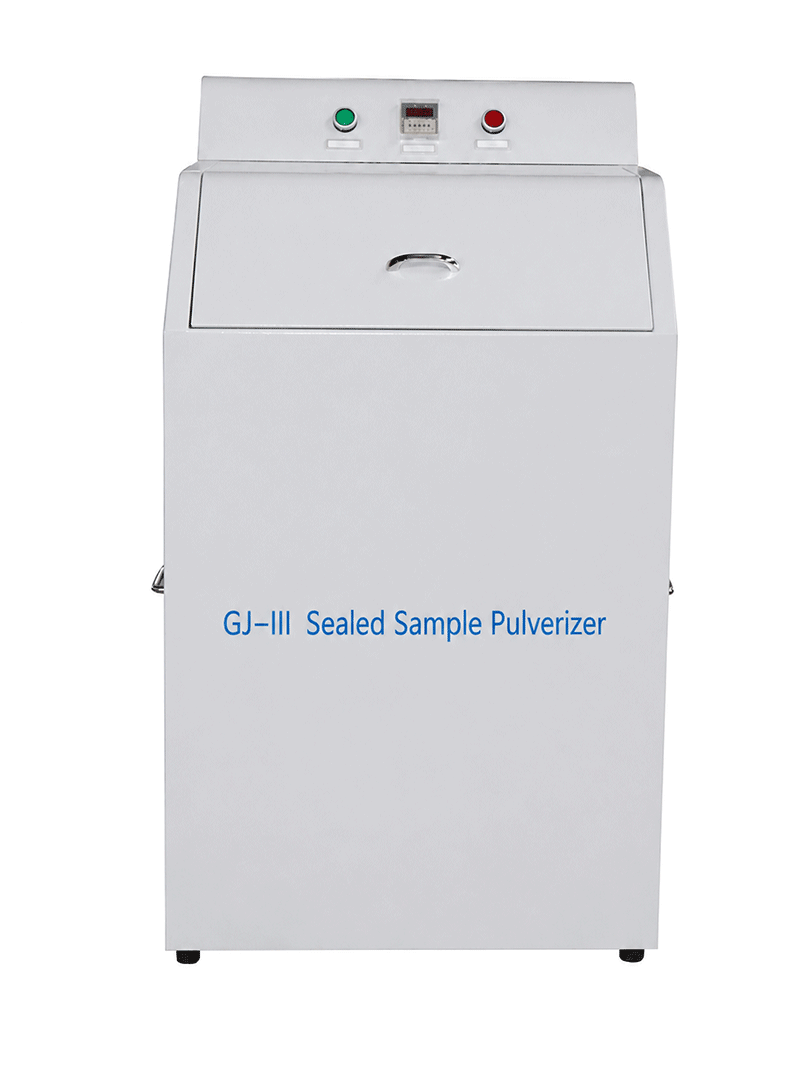
Where Can You Use It? Real-World Applications
The beauty of the Lab Sample Grinder Machine lies in its versatility. Here are just a few fields where it's become indispensable:
- Geology & Mining: Grind rocks, ores, and minerals for XRF, XRD, or ICP analysis.
- Ceramics & Glass: Prepare fine powders for sintering, glaze formulation, or quality control.
- Pharmaceuticals: Mill active ingredients, excipients, and herbal materials for formulation development.
- Battery Materials: Grind cathode/anode powders like LCO, NMC, or graphite for electrode fabrication.
- Food & Agriculture: Pulverize grains, seeds, or dried plant tissues for nutrient or contaminant testing.
- Environmental Analysis: Homogenize soil, sediment, or sludge samples before heavy metal or organic analysis.
Need even more power for larger volumes? Check out the Heavy Duty Vibrating Ball Mill, which handles up to several kilograms per batch.
Lab Sample Grinder Machine vs. Planetary Ball Mill: Which One Do You Need?
This is a common question. While lab vibration ball mills and planetary mills both achieve fine grinding, they differ in mechanics:
- Speed: Planetary mills can reach higher G-forces, making them better for very hard materials or extremely short grind times. But vibration mills are gentler and more suitable for brittle or fibrous samples.
- Batch Size: Vibration mills typically handle smaller batches (up to ~500 ml), while planetary mills can process multiple jars simultaneously.
- Ease of Cleaning: Vibration mill containers are often easier to disassemble and clean, reducing cross-contamination risk between runs.
- Cost: A Lab Sample Grinder Machine is generally more budget-friendly than an equivalent planetary mill, especially for entry-level labs.
If your priority is speed and high throughput, a planetary mill may be better. But if you value simplicity, compact size, and gentle grinding for delicate samples, the vibration mill is your friend.
Technical Parameters You Should Know
When shopping for a Lab Sample Grinder Machine, keep an eye on these specs (typical values from TENCAN's models):
| Parameter | Typical Range |
| Vibration Frequency | 1000 – 3000 rpm |
| Grinding Container Volume | 5 ml – 500 ml |
| Feed Size | < 5 mm |
| Final Fineness | < 1 μm (with appropriate media) |
| Power Supply | 110 V / 220 V, 50/60 Hz |
| Dimensions (approx.) | 400×300×350 mm |
| Weight | 15 – 30 kg |
Always consult the product page for exact specifications. For instance, the Lab Sample Grinder Machine from TENCAN Powder offers custom configurations to match your specific application.
Tips for Getting the Best Results
- Match the grinding media to your sample hardness. Use zirconia for ceramics, agate for soft minerals, and steel for tough materials.
- Keep the fill volume below 2/3 of the container capacity. Overfilling reduces impact energy.
- Start with a short grinding cycle (e.g., 3–5 minutes) and check particle size before continuing. It's easy to overgrind and generate unwanted heat.
- Use wet grinding (with water, ethanol, or isopropanol) to reduce agglomeration and achieve finer particles, especially for sticky samples.
- Balance the container when using multiple jars – uneven loads can cause excessive vibration and wear.
Why Choose TENCAN's Lab Sample Grinder Machine?
As a reliable planetary ball mill manufacturer with years of expertise, TENCAN (Changsha Tianchuang Powder Technology Co., Ltd.) builds machines that strike a perfect balance between performance and durability. Every unit undergoes rigorous quality checks, and you'll find a range of accessories — from vacuum grinding jars to temperature control options — that make sample prep a breeze.
Whether you're a university lab, an R&D center, or a quality control department, the Lab Sample Grinder Machine offers the perfect entry point into high-energy milling without breaking the bank. And if you ever need to scale up, TENCAN's product line includes everything from lightweight to heavy-duty versions to grow with you.
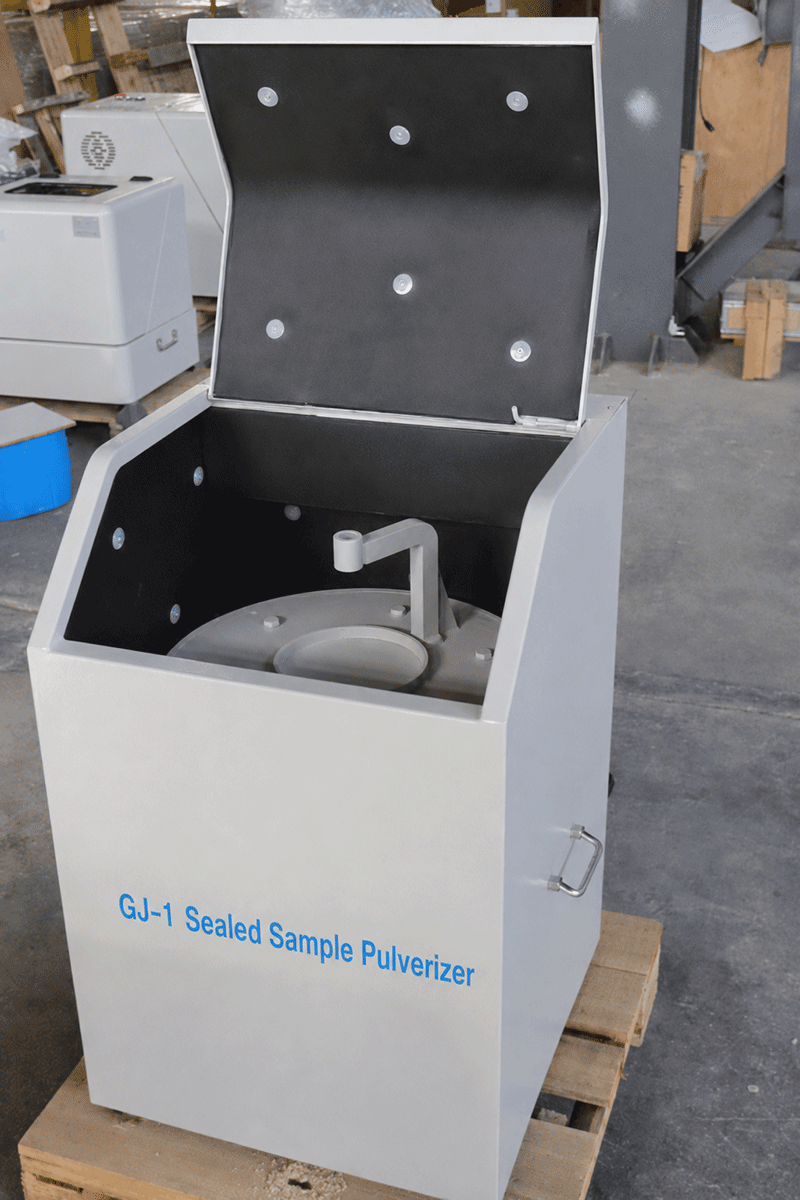
Final Thoughts
If you're serious about sample preparation, the Lab Sample Grinder Machine deserves a spot on your bench. It's fast, versatile, and easy to use — exactly what busy labs need. Pair it with the right grinding jar and media, and you'll consistently achieve the fineness and homogeneity that downstream analysis demands.
Remember, a good grinder doesn't just save time; it improves the quality of your data. So next time you're staring at a stubborn lump of ceramic or a tough root sample, give the vibration ball mill a try. You might wonder how you ever managed without it.
Related Products
Kontakt aufnehmen
Unser professionelles Team antwortet Ihnen innerhalb eines Werktages. Kontaktieren Sie uns jederzeit gern!